
Views: 222 Author: Amanda Publish Time: 2025-10-26 Origin: Site


Content Menu
● Understanding Semi-Auto Strapping Machines
● Japan's Leadership in Strapping Machine Manufacturing
● Top Semi-Auto Strapping Machine Manufacturers and Suppliers in Japan
>> Newlong Industrial Co., Ltd.
>> Hebei Ouye Carton Machinery Co., Ltd. (OEM Partner)
● Key Technical Specifications in Modern Semi-Auto Strapping Machines
● The Future of Japanese Semi-Auto Strapping Machines
● FAQs
>> 1. What strap types can Japanese semi-auto machines use?
>> 2. How long do semi-auto strapping machines last with regular maintenance?
>> 3. Are these machines suitable for humidity or temperature-sensitive environments?
>> 4. Can one machine handle multiple package sizes?
>> 5. Does Hebei Ouye provide OEM solutions internationally?
Japan has established itself as a global leader in packaging technology, offering world-class engineering and unmatched product reliability. Among these innovations, semi-automatic strapping machines stand out as essential tools in improving packaging efficiency, securing shipments, and optimizing production workflows.
The country's semi-auto strapping machine manufacturers and suppliers blend traditional craftsmanship with advanced automation, ensuring long service life, user-friendly operation, and eco-friendly performance.
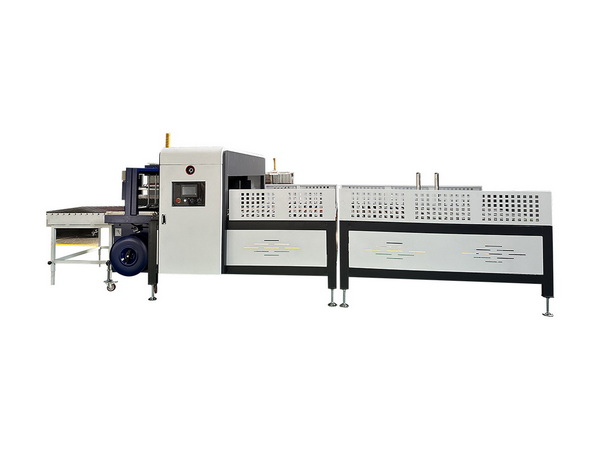
A semi-automatic strapping machine automates part of the strapping process—tightening, sealing, and cutting the strap—while requiring manual placement of the strap around the package. These machines are the preferred choice for medium-scale manufacturers because of their affordability, flexibility, and reliability.
Advantages include:
- Quick strapping cycles (2–5 seconds per strap)
- Adjustable strap tension for diverse products
- Portability and easy operation
- Lower energy consumption than fully automatic systems
Their compact design and minimal maintenance requirements make them indispensable in carton factories, logistics centers, and e-commerce packaging operations.
Japan's industrial ecosystem thrives on precision and sustainable innovation. The packaging machinery market in Japan is projected to reach USD 5.04 billion by 2034, driven by automation and green packaging initiatives.
Japanese manufacturers are known for integrating IoT control systems, servo-driven motors, and compact modular structures into their machines. Moreover, they enforce strict ISO-certified production standards, ensuring every Semi-Auto Strapping Machine meets global performance expectations.
StraPack is one of the most renowned names in global packaging machinery. Since 1933, it has led innovation with high-performing semi-automatic and fully automatic strapping systems.
Product range:
- SQ-800 Series: Compact, low-noise semi-auto models with energy-saving drives
- RQ-8 Series: Heat-sealing technology and automatic refeed system
- Available in customizable OEM configurations for global markets
Key features: Efficient energy usage, adjustable strap tension, durable sealing components, and CE-certified safety designs.
A pioneer in the international strapping industry, Transpak provides solutions known for durability and user-friendliness. With a presence in over 60 countries, the brand continues to collaborate with industrial clients worldwide.
Highlights:
- Semi-auto systems supporting various strap widths (9–15 mm)
- AC-powered, low-maintenance motor configuration
- Patented quick-release tension mechanisms
- Established partnerships with Chinese OEMs, including Hebei Ouye Carton Machinery Co., Ltd.
Newlong Industrial focuses on high-speed industrial packaging solutions. Its semi-automatic strapping machines are integrated into Japan's premier logistics and printing plants.
Features:
- Simplified electronic tension control
- Durable metal construction with safety guard design
- Heat-sealing strap welding for strong adhesion
Ideal for manufacturers handling large flows of boxed goods, Newlong's machines combine power efficiency and ergonomic operation.
Fuji Machinery is a leading name in food and beverage machinery. Their semi-auto strapping models provide sanitary designs with stainless steel components and easy-to-clean surfaces.
Advantages:
- Touchscreen HMI control panels
- Smart diagnostics display
- Stable motor drive and quiet operation
- Designed for continuous, high-speed strapping lines
Kohan Kogyo produces reliable, compact semi-automatic machines suitable for small and medium enterprises. Their products emphasize ergonomics, precision, and long-term performance.
Highlights:
- PP/PET strap compatibility (9–15mm)
- Adjustable tension range (5–50 kg)
- Industrial-grade clutch and motor assembly
- Safety switches for accident prevention
Mastek's MK60S exemplifies innovation in semi-auto packaging. Built for flexibility, it's one of Japan's most competitively priced systems while maintaining export-grade reliability.
Technical specifications:
- Strapping speed: 2.5 seconds/strap
- Strap width: 9–15mm adjustable
- Tension: Up to 50 kg
- Power: 220V single phase
Its dual DC motor design ensures longevity beyond 300,000 cycles, and its energy-efficient controller reduces electricity use by 30% compared to traditional units.
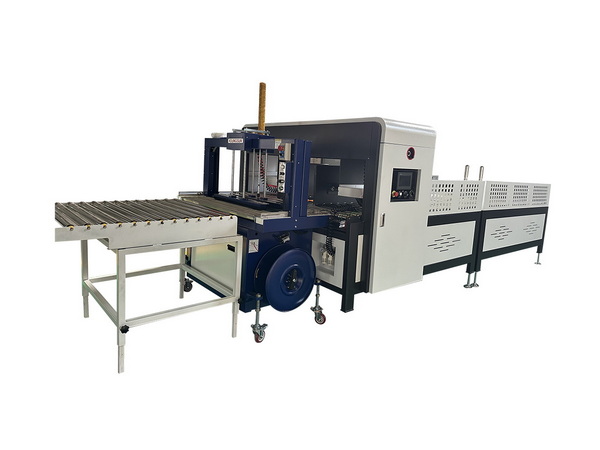
Aicohsha integrates environmental sustainability with precision manufacturing in all its semi-auto systems. Their strapping machines are widely adopted by beverage and dairy companies.
Features:
- Minimal operational noise
- Automatic motor shutoff after idle time
- High durability stainless chassis
- OEM collaborations for customized applications
Omori Machinery offers modular packaging automation with flexible strapping solutions. Their semi-auto range is perfect for businesses upgrading from manual tying systems.
Advantages:
- Modular stacking and strapping options
- IoT-enabled service alerts
- Easy maintenance with quick-release panels
Omori remains a market leader in Japan's domestic automation scene and works with regional OEM partners to deliver global-standard performance.
APIC Yamada produces mid-range semi-auto units catering to warehouse and industrial operations. Their designs reduce manual fatigue and ensure tight sealing consistency even in high throughput lines.
Distinguishing traits:
- Compact design with rolling casters
- Simple one-button operation
- Adjustable cycle timers
- Ideal for export packaging operations
Although based in China, Hebei Ouye collaborates with Japanese brands in producing OEM semi-auto systems. Their machinery is renowned for precision in carton manufacturing and packaging integration, aligning with Japanese standards of quality and reliability.
Core capabilities:
- Full packaging line development (carton folding, gluing, strapping)
- IoT-based performance monitoring
- OEM/ODM customization for global distributors
- Post-sale maintenance and remote diagnostics support
Typical high-quality Japanese semi-auto strapping machines, such as Signode's SIG-N or MST series, exhibit these general specifications :[1][7]
| Parameter | Specification Range |
|---|---|
| Strap Width | 5 mm – 15 mm adjustable |
| Strap Material | Polypropylene (PP) |
| Strap Tension | 5 – 50 kg (adjustable) |
| Strapping Speed | 2.0 – 2.5 seconds per strap |
| Power Supply | 110–240V single phase |
| Machine Size | Approx. 900 × 570 × 810 mm |
| Weight | 90 – 200 kg |
| Top Material | Stainless steel anti-corrosion surface |
| Safety Features | Auto power-off, error alert, overload protection |
These machines combine precision power control, digital LED panels, and automatic strap refeed systems, ensuring minimal waste and optimal speed during repetitive packaging cycles.
The next generation of Japanese Semi-Auto Strapping Machine Manufacturers and Suppliers are developing smart packaging systems capable of self-diagnosis, cloud-based tracking, and energy optimization.
Emerging trends include:
- Integration with AI-based quality monitoring systems
- Adoption of environmentally sustainable materials for straps
- Compact automation modules for smaller facilities
- Expansion of OEM partnerships with overseas packaging companies, such as Hebei Ouye
These advancements promise to redefine productivity and sustainability standards in packaging automation over the coming decade.
Japan remains unmatched in the global arena of semi-automatic strapping innovation, blending decades of craftsmanship with contemporary automation. From StraPack's engineering precision to Fuji's food-grade systems and Kohan Kogyo's ergonomic compact units, users are guaranteed consistent performance and durability.
For global businesses sourcing OEM solutions, Hebei Ouye Carton Machinery Co., Ltd. continues to stand as a trusted partner, combining Japanese innovation with advanced Chinese manufacturing efficiency. Whether you operate a small warehouse or a large logistics chain, choosing Japanese Semi-Auto Strapping Machine Manufacturers and Suppliers ensures long-term reliability, safety, and value.
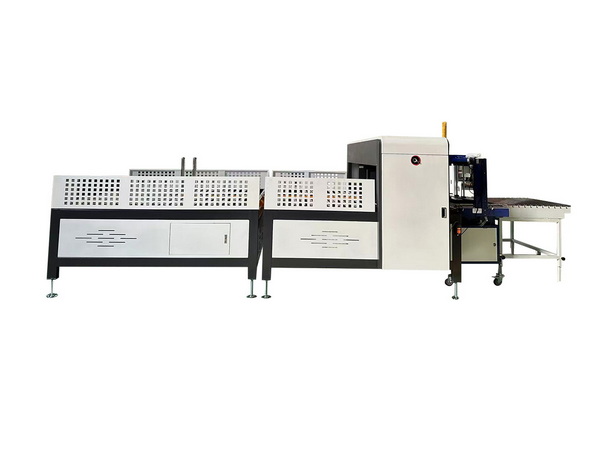
Most semi-auto strappers accept polypropylene (PP) and polyester (PET) straps ranging from 5mm to 15mm, depending on model adjustments.
High-end Japanese units can sustain 7–10 years of consistent operation when serviced according to manufacturer guidelines.
Yes, most Japanese semi-auto units operate effectively between 5°C and 45°C, ideal for warehouse and food packaging conditions.
Absolutely. Adjustable strap tension, variable strap width settings, and flexible feed mechanisms allow operators to strap various box sizes without modification.
Yes. Hebei Ouye supplies custom-engineered semi-auto strapping systems tailored to client branding and operational standards, supporting international wholesalers and manufacturers.
[1](https://www.signode.com/en-us/productslist/sig-n/)
[2](https://www.vestil.com/product.php?FID=412)
[3](https://technopackcorp.com/products/semi-automatic-poly-strapping-machine)
[4](https://www.hillas.com/Categories/Strapping-Machines-PAC/Impact-Strapping-Machine-Semi-Automatic.html)
[5](https://www.globalpackindia.com/products/strapping-machine/semi-automatic-strapping-machine/kh-90/)
[6](https://usastrap.com/product/mini-max/)
[7](https://www.signode.com/en-au/productslist/mst-semi-automatic-strapping-machine/)
[8](https://www.kbwmachinery.com/Strapping-Machine-Manual-p.html)
[9](https://technopackcorp.com/products/semi-automatic-open-cabinet-strapping-machine)


