
Views: 271 Author: Ouye Carton Machinery Publish Time: 2026-07-15 Origin: Site


Content Menu
● Introduction: Why China Leads in Paper Box Packaging Machinery
● How to Evaluate a Reliable Paper Box Packaging Machine Factory
>> 1. Factory certification and compliance
>> 2. R&D capability and engineering depth
>> 4. Delivery reliability and after‑sales
● Selection Criteria for This Top 10 List
● Top 10 Paper Box Packaging Machine Manufacturers in China (2026)
>> 1. Hebei Ouye Carton Machinery Co., Ltd.
>> 3. Guangzhou‑area Carton and Packaging Machinery Cluster
>> 4. Zhejiang‑area Printing and Die‑Cutting Equipment Makers
>> 5. Shanghai‑area Cartoning and End‑of‑Line Equipment Suppliers
>> 6. Cangzhou / Hebei Corrugated Machinery Belt
>> 7. Specialized Automation Integrators for OEM Projects
>> 8. Entry‑Level Cartoning Machine Makers
>> 9. High‑Graphic Folding Carton Equipment Manufacturers
>> 10. OEM‑Focused Contract Manufacturers
● Technical Considerations for Paper Box Packaging Machines
>> Materials and mechanical standards
>> Automation, control and changeover
>> Certifications and documentation
● Comparison Table: Representative Supplier Profiles
● Common Pitfalls When Sourcing Carton Packaging Machines from China
>> 1. Marketing claims vs actual materials
>> 2. Underestimating size changeover time
>> 3. Confusing trading companies with manufacturers
>> 4. Certification documents that cannot be verified
>> 5. Logistics planning left to the last minute
● "Insider" Avoidance Tips Rarely Written Online
● How to Verify Factory Certifications and Background
>> Verifying ISO, CE and other certificates
>> Factory audits and third‑party qualification
● Buyer's Guide: From Sample to Shipment
>> 1. Define requirements with engineering detail
>> 2. Request a tailored proposal and layout
>> 3. Samples and trial cartons
>> 4. Contract terms, FAT and SAT
>> 5. Logistics and installation
● FAQs
China is one of the world's largest exporters of packaging and converting machinery, supplying a wide range of carton, paper box and corrugated equipment to brands and converters worldwide. Industrial clusters in provinces such as Hebei, Guangdong and Zhejiang integrate steel fabrication, machining, electronics and printing supply chains, which helps factories control cost and lead time for complete packaging lines. [eliter-packaging]
For overseas buyers, sourcing paper box packaging machines from China offers broad equipment choice, from compact cartoners for small batches to fully automated high‑speed lines for large plants. At the same time, market competition and homogenous equipment designs mean it is critical to distinguish trading companies from true manufacturers and to verify real engineering capabilities before committing to a long‑term partnership. [sinospect]

Before looking at individual companies, it helps to define objective criteria that procurement managers can use to screen suppliers.
- Quality management: ISO 9001 indicates that a factory has defined and documented quality management processes, but it does not guarantee a specific product performance level. Buyers should confirm that the certificate is issued by an accredited body (e.g., with CNAS, UKAS or similar marks) and that the scope explicitly covers packaging machinery design and manufacturing. [chinamakershub]
- Environmental and social: ISO 14001 and social audit schemes such as BSCI or SA8000 are increasingly required by European and international customers; they show that the factory has structured systems for environmental impact and working conditions. [chinamakershub]
- Market‑specific product approvals: For cartoners and packaging lines sold into Europe or other regulated markets, certificates and declarations related to CE marking and, where relevant, RoHS or REACH should be verifiable with the issuing body or via official databases. [sourcingwill]
- Check whether the factory develops its own mechanical structures, motion control and HMI, or simply assembles catalog components from other OEMs. [eliter-packaging]
- Ask for typical lead times and engineering flow for a fully customized line, including layout design, carton size change mechanism, and integration with upstream printing or downstream case packing. [eliter-packaging]
- Request example projects similar to your application (e.g., food, cosmetics, e‑commerce boxes) and look for repeatable design patterns instead of one‑off improvisations. [eliter-packaging]
- Review incoming material inspection (steel, bearings, electrical components), in‑process checks (machining precision, assembly tolerances) and final FAT (Factory Acceptance Test) procedures. [eliter-packaging]
- Ask how the factory records test results such as maximum mechanical speed, stable running speed, and defect rate during 8‑hour or 24‑hour endurance tests. [eliter-packaging]
- Confirm how non‑conformities are documented and closed; mature factories can provide structured CAPA (Corrective and Preventive Action) records. [chinamakershub]
- Evaluate whether the factory maintains buffer stock of critical parts to support both production and after‑sales service. [pallasmt]
- Check the typical delivery time for standard machines versus fully customized lines, and how penalties or milestones are structured in past contracts. [alfsupply]
- Confirm overseas service capability: remote diagnostics, local partners, or technicians who can travel for installation, training and troubleshooting. [eliter-packaging]
To build a meaningful shortlist, we combined public information on Chinese carton and packaging machinery exports with practical sourcing experience from industrial buyers. The following criteria were used: [eliter-packaging]
- Product scope: Focus on manufacturers of paper box / carton packaging equipment, including flexo printing‑slotting, die cutting, gluing and stitching, and relevant cartoning or box forming machines. [made-in-china]
- Export orientation: Preference for factories with established overseas customer bases across Europe, the Americas, Asia‑Pacific and the Middle East, evidenced by participation in global trade shows or case references. [ouyecartonmachine]
- Engineering and customization: Ability to provide OEM or ODM projects, tailored line layout, and integration with existing converting or printing systems. [ouyecartonmachine]
- Compliance and reputation: Adoption of formal quality systems and consistent positive feedback from global customers, where visible through case studies or third‑party inspections. [sinospect]
The goal is not to crown a universal "number one", but to map different positioning: high‑volume OEM lines, flexible medium‑scale solutions, and cost‑effective machines for emerging markets. [eliter-packaging]
Hebei Ouye Carton Machinery Manufacturer is an intelligent factory specializing in the design and manufacturing of carton packaging machinery, covering printing, gluing, stitching and related converting equipment. The company integrates design, production, sales and after‑sales service, and focuses on developing high‑speed, energy‑efficient and automated machinery that addresses common shortcomings in traditional carton equipment.
Ouye's machines are exported to more than twenty countries and regions, including Russia, the United Kingdom, Brazil, Australia, Mexico, South Korea, Spain, Canada, Turkey, Malaysia and Vietnam, which demonstrates its experience with diverse technical standards and packaging formats. With a business philosophy centered on "Quality First" and "Customer First", the factory emphasizes on‑time delivery, stable performance and attentive service, which is attractive for small and mid‑size brands that need responsive customization.
From a buyer's perspective, Ouye represents a cost‑effective choice for OEM and small‑batch customization: the factory offers tailored solutions to integrate machines into existing production lines, and its flexible approach suits converters that require frequent carton size changes or progressive automation upgrades rather than one‑shot mega projects. Combined with comprehensive technical support and after‑sales service, this positioning makes Hebei Ouye a solid partner for importers building long‑term carton packaging capacity with controlled investment.
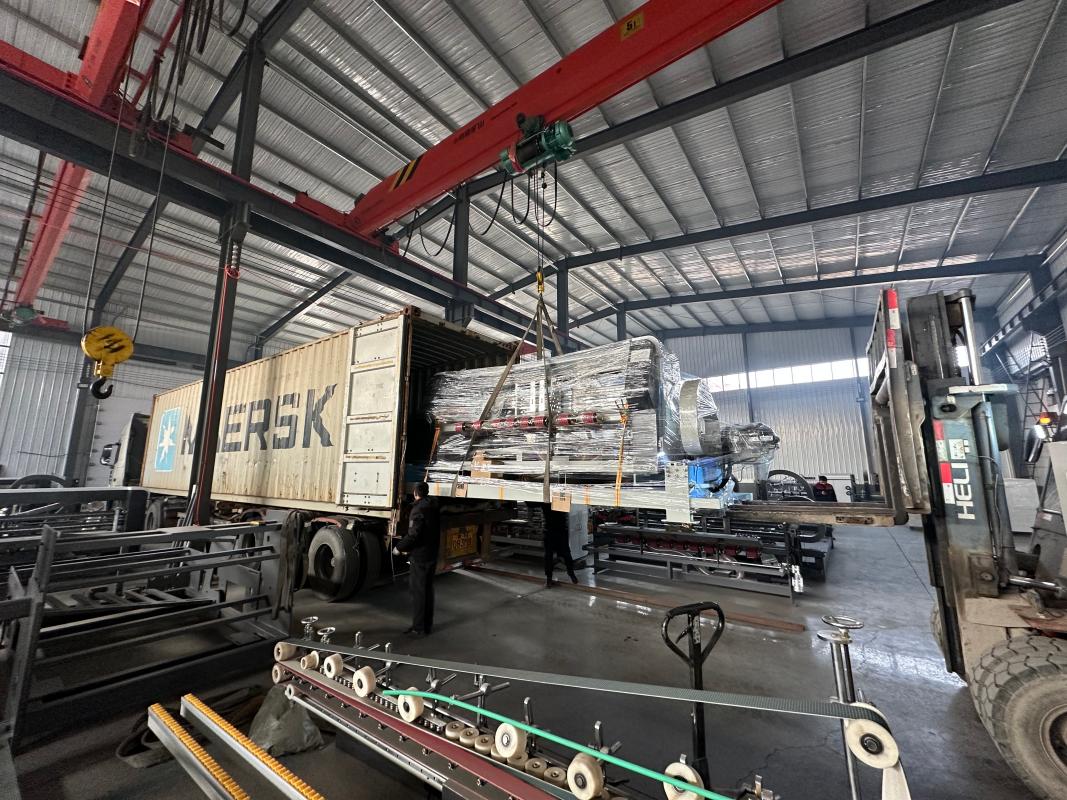
Aopack is known for its focus on digital and on‑demand box making, serving e‑commerce packaging and short‑run corrugated box production. The company supplies equipment that can produce multiple box sizes in small batches, which is suitable for brands dealing with high SKU complexity and variable order quantities. [ouyecartonmachine]
Its machines are typically configured to minimize manual changeover and reduce tooling requirements, which helps warehouses and fulfillment centers react quickly to changing box size needs. Buyers looking for flexible packaging capacity for online retail or subscription boxes can consider Aopack as a complement to traditional high‑volume corrugated lines. [ouyecartonmachine]
The Guangzhou and broader Pearl River Delta region has a dense concentration of packaging and cartoning machine manufacturers that support food, beverage and consumer goods industries. Many factories here offer complete lines that integrate case erecting, product loading, cartoning, sealing and palletizing, often using standardized mechanical designs with brand‑name PLCs. [pallasmt]
While some suppliers in this cluster mainly target entry‑level machines with lower price points, others invest in servo technology and higher‑end automation. Buyers should actively distinguish engineering‑driven OEMs from trading companies by checking factory addresses, workshop photos, and the presence of in‑house machining and assembly facilities. [sinospect]
In Zhejiang province, a number of manufacturers specialize in paper converting equipment such as flexographic printers, die cutters and folder‑gluers for folding cartons and corrugated boxes. These suppliers often bundle upstream printing with downstream carton forming, providing integrated lines for packaging printers and converters. [made-in-china]
Typical strengths of this cluster include experience with high‑graphic printing, inline varnishing and die‑cutting for branded consumer packaging. For buyers whose priority is print quality and carton geometry precision (for example, cosmetics or premium food brands), these manufacturers can be competitive options. [made-in-china]
The Shanghai region hosts several sophisticated packaging equipment OEMs that design cartoning machines and end‑of‑line systems for multinational clients. Factories here tend to have closer cooperation with international component brands and may offer stronger documentation, including English‑language manuals and validation protocols. [pallasmt]
This group is suitable for buyers planning higher levels of automation integration, for example MES/SCADA connectivity, detailed OEE tracking, and tight interfaces with upstream filling or wrapping machines. However, price levels are usually higher than purely domestic‑market suppliers, and MOQs for customization can be stricter. [eliter-packaging]
Around Cangzhou and Dongguang in Hebei province, a mature industrial belt has formed around corrugated and carton machinery, including flexo printers, slotters, die cutters and stitching lines. This region benefits from a comprehensive supply chain for steel structures, machining, heat treatment and electrical integration, which supports factories like Hebei Ouye in offering complete box packaging lines with competitive lead times. [ouyecartonmachine]
Many factories in this area focus on serving both domestic carton plants and export markets with mid‑range equipment—balancing cost, reliability and maintenance simplicity. Buyers seeking robust, easily serviceable machines for general‑purpose corrugated boxes often source from this belt. [ouyecartonmachine]
Beyond standard machine catalog manufacturers, there are Chinese automation integrators that build custom cartoning and case packing cells for OEM projects and system integrators. These companies typically integrate robots, servo‑driven product handling and vision systems to handle irregular or multi‑format packaging flows. [pallasmt]
For large consumer goods or pharmaceutical groups needing tailor‑made packaging solutions, such integrators can design unique cell layouts while leveraging standard Chinese cartoning modules to control cost. In such cases, buyers should pay particular attention to software architecture, spare parts standardization and guarantees for long‑term code support. [eliter-packaging]
There is a broad tier of suppliers across China producing model 80/100/120/150 mechanical cartoning machines targeted at cost‑sensitive buyers. These machines often share highly similar structures, with main frames built from A3 steel and thin stainless steel covers, despite marketing claims of "full stainless steel construction". [eliter-packaging]
Such equipment can be appropriate for factories with moderate speed requirements and skilled mechanics who can handle complex changeovers that may take 40 minutes or more. Buyers must, however, verify material specifications and understand that frequent format changes will have an impact on available production time. [eliter-packaging]
Several Chinese manufacturers focus on equipment for folding cartons used in pharmaceuticals, cosmetics and premium consumer goods. Their product portfolios usually include offset or flexo printing presses, die cutters and carton folder‑gluers rather than only corrugated lines. [bailipaperpackaging]
For overseas packaging printers, these factories can be an alternative to European brands when balanced against cost and required automation level. However, they often have stronger experience in paperboard rather than heavy corrugated, so the application fit must be carefully checked. [bailipaperpackaging]
Finally, some Chinese factories operate as contract manufacturers for foreign machinery brands, building entire machines or subassemblies under OEM agreements. Their strengths lie in process discipline, machining precision and adherence to foreign drawing and documentation standards. [sinospect]
Although these companies rarely promote themselves directly under their own brand in the international market, experienced buyers can identify them through industry networks and trade shows, then negotiate private‑label or co‑branding arrangements. This route can provide access to more advanced designs at competitive pricing where IP conditions allow. [sinospect]
- The machine frame and moving parts should use appropriate steel grades with documented heat treatment or surface protection to ensure rigidity and durability under continuous operation. [eliter-packaging]
- For applications involving direct or indirect food contact, buyers should clarify which parts need food‑grade materials and ensure that marketing claims of "stainless" are backed by material certificates (e.g., genuine SUS 304 vs coated carbon steel). [eliter-packaging]
- Many Chinese cartoners still rely on mechanical cam drives, which can be reliable but time‑consuming to change over for different carton sizes. For production environments with frequent SKU changes, servo‑based axes and recipe‑driven adjustment may justify their higher upfront cost. [eliter-packaging]
- Control systems often use common PLC brands; however, some low‑cost builds rely on legacy models that may have limited local support in certain regions. Buyers should align PLC and HMI choices with what their maintenance teams and local partners can support long term. [eliter-packaging]
- For machines shipped to the EU, a compliant technical file, risk assessment, and declarations under relevant directives are necessary alongside the CE mark on the nameplate. [sourcingwill]
- For North American markets, buyers should check whether any required electrical safety or local standards need additional field inspection or certification by NRTL bodies, and plan time and budget accordingly. [chinamakershub]
The following table illustrates how different types of Chinese paper box packaging machine suppliers typically position themselves. Values are indicative and should be confirmed directly with each factory.
| Supplier type / example (incl. Hebei Ouye) | Typical monthly capacity (sets) | Typical MOQ (sets) | Main certifications focus | Typical markets |
|---|---|---|---|---|
| Hebei Ouye Carton Machinery Co., Ltd. | Medium capacity for integrated carton lines, supporting multiple overseas orders in parallel. | 1 full line or single machine, suitable for SMEs starting or upgrading production. | Formal quality and internal process control; export‑oriented documentation for multiple regions. | Russia, UK, Brazil, Australia, Mexico, South Korea, Spain, Canada, Turkey, Malaysia, Vietnam and other markets. |
| Digital/on‑demand box makers (e.g., Aopack) | Lower unit volume but higher value machines, focused on specialized lines. (ouyecartonmachine) | 1 set, often with mandatory options for configuration. (ouyecartonmachine) | Emphasis on electrical safety and software stability for digital control. (ouyecartonmachine) | E‑commerce logistics, short‑run box plants in Europe and North America. (ouyecartonmachine) |
| Guangzhou / PRD cartoning cluster | High output of standard cartoners and case packers. (pallasmt) | 1–2 sets; higher MOQ for deep customization. (eliter-packaging) | Often ISO 9001; CE for selected models depending on target region. (chinamakershub) | Global distributors and machinery dealers, especially in food and beverage. (eliter-packaging) |
| Cangzhou / Hebei corrugated belt (other factories) | High volume of corrugated printing, slotting and die‑cutting machines. (ouyecartonmachine) | 1 set; frequent mixed‑containers of different machines. (ouyecartonmachine) | Focus on core mechanical reliability; documentation tailored per customer. (ouyecartonmachine) | Carton plants in Asia, Middle East, Latin America. (ouyecartonmachine) |
| High‑end Shanghai OEMs | Moderate capacity, high engineering content per set. (eliter-packaging) | 1 set, often with engineering study before PO. (eliter-packaging) | Broader QMS and environmental/social certifications to serve multinationals. (chinamakershub) | Multinational brands and system integrators in Europe and North America. (eliter-packaging) |
Many low‑cost cartoning machines are marketed as "heavy duty" or "full stainless steel", but in reality use A3 steel frames clad with thin stainless covers or even galvanized sheets. This is not necessarily a problem for all applications, but if buyers assume full stainless construction, they may underestimate cleaning constraints and long‑term corrosion risks, particularly in food environments. [eliter-packaging]
On mechanical entry‑level cartoners, changeover between carton sizes can take 40–60 minutes even for trained operators. If production planning assumes shorter downtimes, the resulting throughput shortfall can be significant, especially for plants with many SKUs and frequent format changes. [eliter-packaging]
Historically, many Chinese factories exported via local trading companies, and some resellers still present themselves as "manufacturers" without owning workshops or engineering teams. This can lead to misaligned expectations on lead time, technical responsibility and after‑sales service, because the reseller has limited control over the real factory's priorities. [sinospect]
Photocopies of ISO or CE certificates may look convincing but can be expired, altered or outside the real scope of your product. Without independent verification through certifying body databases or direct checks, buyers risk relying on invalid documents that could later cause customs issues or customer audits. [sourcingwill]
Choosing shipping methods only after production can expose buyers to unexpected carton limits, surcharges or customs delays. Complex machinery often requires detailed packing lists, fumigation certificates, and coordinated handling for oversized crates, which must be planned from the quotation stage to avoid bottlenecks. [chinasourcinggroup]
Experienced importers and inspectors often share a few practical checks that go beyond certificates and marketing brochures:
- Ask for raw frame photos before painting: Request workshop photos of the machine frame before surface treatment, so you can see weld quality, reinforcement and real steel structure instead of just painted covers. [sinospect]
- Check the PLC and key components' exact model numbers: Do not just accept "Siemens PLC" or "Mitsubishi motor" in quotations; certain very old PLC series are cheap but lack support or spare availability in your country. [eliter-packaging]
- Compare FAT videos from two separate days: Ask for test videos recorded on different days using the same machine and carton; this helps reveal whether stable performance is repeatable or if the machine is tuned only for a one‑time demo. [eliter-packaging]
- Talk directly to the engineer, not only sales: A short technical call with the mechanical or electrical engineer responsible for your project can reveal how deeply the team understands your application and standards. [eliter-packaging]
- Clarify who holds source code and backups: For servo or robot‑based systems, confirm who owns the control program and where backups are stored to avoid being locked out if the original technician leaves the company. [eliter-packaging]
Industry guidance recommends that buyers always verify ISO and similar certificates through public databases or directly with the certification body. The certificate should be current, issued by an accredited body, and list the specific manufacturing scope that matches your machine type. [sourcingwill]
For CE and other product markings, confirm that the machine is assessed under the correct directives and that risk assessments and test reports exist in the technical file. When in doubt, specialist firms or notified bodies can review key documents before shipment. [chinamakershub]
Third‑party qualification services in China can check legal identity, production capability, certification authenticity and production processes before you place a large order. These services typically provide a standardized report and photos that help you compare multiple factories on the same criteria. [chinasourcinggroup]
- Specify carton dimensions, board grade, printing requirements, desired mechanical speed, and realistic stable running speed.
- Clarify upstream and downstream equipment interfaces, including conveyor heights, infeed formats and communication signals. [eliter-packaging]
- Ask shortlisted suppliers (such as Hebei Ouye and others) to provide line layouts, energy consumption estimates and operator staffing assumptions based on your products. [eliter-packaging]
- Compare not only purchase price, but also estimated changeover duration, spare parts lists, and recommended preventive maintenance intervals. [eliter-packaging]
- Send actual carton samples or detailed drawings for machine testing where possible, particularly for glued structures or unusual board combinations. [eliter-packaging]
- For new carton designs, consider small‑scale manual or semi‑automatic trials to confirm creasing, folding and gluing behavior before investing in fully automated lines. [eliter-packaging]
- Include clear FAT criteria in the contract: carton type, target speed, acceptable defect rate, and duration of continuous running under observation. [alfsupply]
- Plan for SAT (Site Acceptance Test) after installation, with the same or slightly tighter criteria to ensure the machine performs in your environment with local board and cartons. [eliter-packaging]
- Decide shipping terms early (FOB, CIF, DAP) and clarify responsibilities for packing, insurance and documentation, especially for special cargo. [chinasourcinggroup]
- Confirm the installation plan, including required utilities, foundation requirements, and number of technicians and days on site. [eliter-packaging]
1. How can I check whether a factory's ISO 9001 certificate is valid and not expired?
You can identify the certification body on the certificate and search its public database, or contact it directly with the certificate number to verify validity and expiry. Check that the company name, address and scope match the factory you are dealing with, and that the certificate carries an accreditation mark from a recognized body. [sourcingwill]
2. How do I know if a paper box packaging machine really complies with CE requirements for the EU?
Beyond a CE mark on the machine, the manufacturer should provide a declaration of conformity referencing the relevant directives and standards, plus a technical file including risk assessments and test reports. When orders are large or risk exposure is high, buyers often engage European technical partners or notified bodies to review documents before shipment. [chinamakershub]
3. What is a realistic difference between "maximum speed" and stable production speed for Chinese cartoners?
Brochures may quote mechanical speeds that are 20–40% higher than the speed at which the machine can run stably on typical cartons over an 8‑hour shift. During FAT, insist on proving the stable speed with your cartons, logging stops and defects, and use that figure for ROI calculations. [eliter-packaging]
4. How can I avoid buying from a reseller when I want to work with the real manufacturer?
Request business license copies, factory address, workshop photos and, if possible, a video call walking through the production floor. Third‑party audits can further confirm whether the company has real machining and assembly capacity or is mainly an office handling trade. [chinasourcinggroup]
5. What should be included in a good spare parts and maintenance package for a carton packaging line?
Common practice is to include critical wear parts and consumables for 1–2 years of operation, along with a recommended stock list for years 3–5. You should also receive a preventive maintenance schedule, lubrication chart, and clear instructions for mechanical and electrical adjustments. [eliter-packaging]
2. https://www.eliter-packaging.com/newsroom/secrets-cartoning-machines-made-in-china.html
3. https://www.made-in-china.com/manufacturers/paper-box-packaging-machine.html
4. https://www.ouyecartonmachine.com/aboutus.html
6. https://chinamakershub.com/journal/iso-certifications-china-manufacturers-explained
7. https://www.sourcingwill.com/how-to-verify-factory-certifications-in-china-iso-ce-etc/
8. https://sinospect.com/services/supplier-qualification-china


