
Views: 268 Author: Ouye Carton Machinery Publish Time: 2026-07-16 Origin: Site


Content Menu
● Introduction: Why closure method defines the "true" strength of double-wall cartons
● Understanding heavy-duty stapling for double-wall containers
>> How heavy-duty stapling actually carries the load
>> Advantages of heavy-duty stapling in industrial use
>> Structural limits and failure modes of stapling
● Understanding hot-melt gluing for double-wall containers
>> How hot-melt gluing distributes stresses
>> Advantages of hot-melt gluing in production environments
>> Structural limits and failure modes of hot-melt gluing
● Heavy-duty stapling vs hot-melt gluing
>> Key performance dimensions for double-wall shipping containers
● What really caps performance for double-wall containers?
>> Board, closure, and system thinking
>> Where stapling tends to reach its limit
>> Where hot-melt gluing tends to reach its limit
● Export machinery parts in double-wall containers
● Operational trade-offs for packaging teams
>> Throughput, labor and equipment
>> Safety, quality and downstream considerations
● Decision framework for double-wall shipping containers
● FAQs
For double-wall corrugated shipping containers, the board grade and flute combination set the theoretical strength, but the closure method usually defines the real failure point under stacking, vibration and impact. On paper, a double-wall container rated at a certain compression strength should survive the distribution chain; in practice, poor or mismatched closing can cause flap opening, corner tears, or creep under load long before the board reaches its limit. [corrugatednews]
From a packaging engineer's perspective in a heavy equipment supply chain, closure is no longer a low-level detail—it is part of the structural design of the box. Heavy-duty stapling turns the joint into a mechanical bridge, while hot-melt gluing turns it into a bonded panel, and each strategy has different implications for cost, automation and risk. [gbpack]
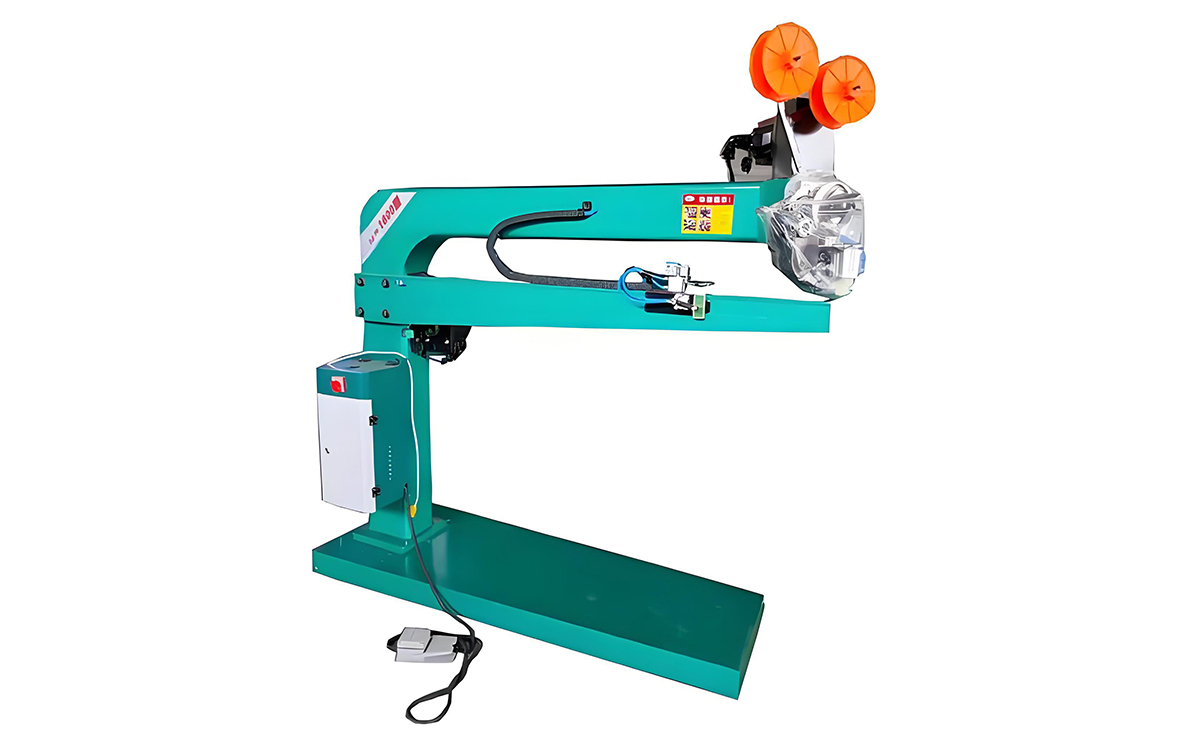
When you close a double-wall container with industrial staples, each leg of the staple penetrates both outer liners and part of the corrugated medium, then clinches on the inside panel. This creates a series of mechanical fasteners that resist peel forces on the flaps and prevent progressive opening under shock or high internal pressure. [stapleheadquarters]
On export pallets carrying building materials, machine components or concentrated point loads, stapling provides localized reinforcement around the major stress lines at the center seam and flap edges. Unlike adhesive-only systems, the joint will usually fail by fiber tear or board rupture rather than adhesive bond failure, so the effective structural limit skews closer to the inherent strength of the corrugated itself. [gbpack]
In double-wall applications, stapling is favored when:
- Payload is very heavy or dense, such as metal parts, hardware, or bulk fasteners. [stapleheadquarters]
- Transit conditions are harsh, for example mixed-modal export routes with manual handling and re-stacking. [corrugatednews]
- Box reuse is not essential, and appearance is less critical than reliability. [gbpack]
- Lines are semi-automatic, with operators using foot-pedal or pneumatic staplers on erected cartons. [stapleheadquarters]
Because each staple acts as a discrete fastener, a limited number of misfires or poorly placed staples seldom causes catastrophic closure failure, which gives stapling a forgiving process window in busy plants. [studylib]
However, stapling has its own structural limits on double-wall containers:
- If staple leg length and wire gauge are not matched to combined board caliper, staples may "ride high," failing to clinch, or may crush the flutes, weakening the board around the joint. [studylib]
- With very thick double-wall grades, front penetration can tear outer liners, creating micro-cracks that become initiation points under repeated shock. [snapon]
- Concentrated forces from staples can reduce edge crush resistance along the staple line when cartons are stacked high for long periods. [snapon]
In practice, technicians often determine the upper limit of load and stack height through package performance testing aligned with recognized corrugated closure practices, then adjust staple pitch, pattern and leg length until joint performance aligns with the board grade. [standards.iteh]
With hot-melt gluing, molten adhesive is applied as beads or dots along the flaps, then compressed while it sets, bonding the liners together over a continuous or semi-continuous area. Instead of discrete mechanical points, the joint behaves like a bonded panel, distributing loads across a larger surface and improving resistance to shear and minor peeling forces when the load is stable. [pafra]
This is particularly effective on high-speed case packers where flap alignment is tightly controlled; the result is a clean, flush finish with no protruding metal and a joint that behaves predictably in compression tests. [spackmachine]
For many double-wall shipping containers, hot-melt gluing is chosen because it offers:
- High throughput on automated lines, with precise application patterns and minimal manual handling. [cenwanpack]
- Clean appearance, which is important for branded outer packs or when containers double as in-store display shippers. [pafra]
- Fast setting and good performance across a wide temperature and humidity range when the correct adhesive is selected. [hotmelt]
- Lower per-box closure material cost at scale, once equipment is amortized, especially on long runs. [hotmelt]
In double- and triple-wall applications, industrial hot-melt or high-solid water-based adhesives are routinely recommended to support heavy and bulky items such as furniture or machinery, provided the adhesive specification matches the board and distribution environment. [pafra]
The structural limit of hot-melt gluing on double-wall containers is strongly influenced by adhesive selection and process control:
- If adhesive open time and set time are not matched to line speed, the glue may skin over before compression or be disturbed before it fully sets, creating weak sections in the joint. [hotmelt]
- In extreme heat, some hot melts can soften, leading to creep under static stacking loads; in deep freeze, very brittle adhesives may crack under shock. [pafra]
- On dusty, highly recycled or low-energy liners, bond strength can drop significantly unless a specially formulated adhesive is used. [gbpack]
From a packaging engineer's perspective, these factors define the practical ceiling for safe gross weight and allowable stack height per container, often well before the double-wall board itself reaches its compression limit. [corrugatednews]
Below is a focused comparison on the dimensions that matter most for double-wall export cartons and heavy-duty shipping containers: [stapleheadquarters]
| Dimension | Heavy-duty stapling | Hot-melt gluing |
|---|---|---|
| Primary load path | Mechanical fasteners carry peel and tension loads at flap joint (gbpack) | Bonded surface distributes shear loads across flap area (pafra) |
| Typical board grades | Medium to very heavy double-wall and some triple-wall (gbpack) | Medium to heavy single- and double-wall, some triple-wall with high-strength adhesive (pafra) |
| Failure mode at limit | Board tear, staple pull-through, or localized crushing at staple line (stapleheadquarters) | Adhesive bond failure, flap opening or creep under long-term load (pafra) |
| Performance in harsh handling | Very strong for heavy, shifting loads and long export routes (gbpack) | Strong for stable loads; more sensitive to temperature and surface condition (pafra) |
| Visual finish | Industrial, clearly mechanical, visible staples (gbpack) | Clean, flush finish with hidden adhesive (gbpack) |
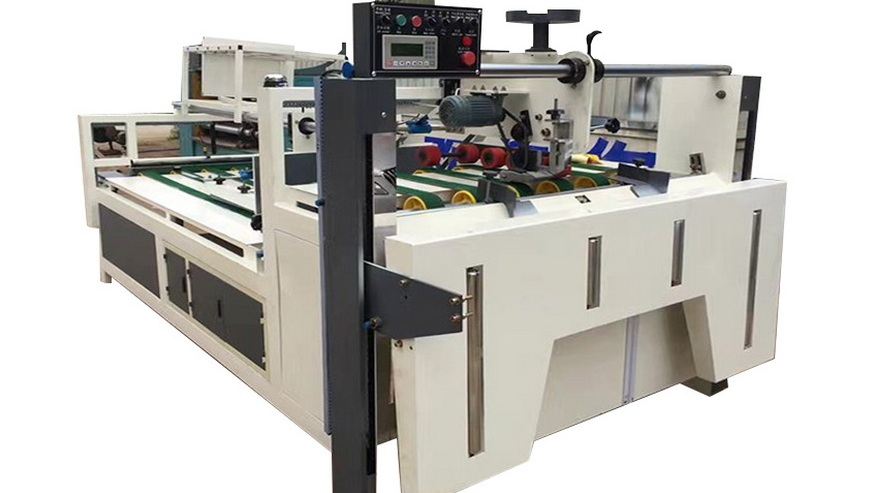
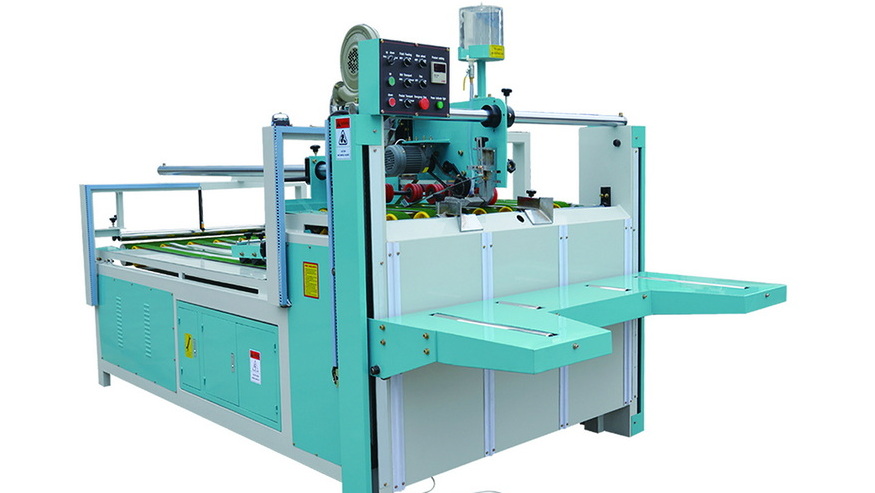
| Automation potential | Manual or semi-automatic; full automation is possible but less common (gbpack) | Highly compatible with fully automatic case packers and sealers (spackmachine) |
| Impact on recyclability | Metal removal step required in recycling stream (gbpack) | Pure fiber and adhesive, easily processed in paper recycling (gbpack) |
| Rework and inspection | Easy to visually confirm staple presence and spacing (stapleheadquarters) | Requires checking glue pattern and compression, often with sampling (pafra) |
For very heavy or high-risk shipments, many industrial users still regard stapling as the safer choice because failure is abrupt and obvious rather than progressive and hidden. Conversely, for high-volume distribution, hot-melt gluing often wins due to consistency and integration with automatic packaging lines. [spackmachine]
The structural limit of a double-wall shipping container is not determined by a single factor. In practice, three elements interact:
- Board specification: flute combination, basis weight, and edge crush resistance define theoretical compression capacity. [studylib]
- Closure method and pattern: stapling or gluing can either unlock that capacity or downgrade it dramatically. [standards.iteh]
- Distribution environment: stacking time, pallet patterns, climate and handling intensity determine how close you can run to the rated limits. [standards.iteh]
Recognized corrugated closure practices encourage performance-based validation, using laboratory tests and field data to rate closure methods for specific combinations of product, board and route. For double-wall containers, this often means compression tests on fully closed samples, drop tests and vibration profiles, followed by incremental increases in load until either the board or the closure fails. [store.astm]
Under controlled testing, heavy-duty stapling on double-wall containers generally reaches its practical limit when:
- Load per carton and stack height are high enough that fiber tearing around staple legs becomes the dominant failure mode. [studylib]
- Repeated drops or impacts cause progressive enlargement of staple holes, allowing local flap movement and eventual joint opening. [snapon]
- Board specifications are downgraded while staple pattern remains unchanged, pushing the system beyond what the corrugated can tolerate. [corrugatednews]
In other words, the limit is usually driven by board and design choices rather than the inherent strength of the staple itself, as long as staple geometry is correctly specified. [stapleheadquarters]
For hot-melt gluing, the structural ceiling often appears earlier if process control is not robust:
- High stacking loads in warm warehouses can trigger long-term creep of the adhesive, slowly opening the joint even when initial tests look acceptable. [pafra]
- Sudden shocks at low temperatures may induce brittle fracture in the bond line, particularly with the wrong adhesive family. [pafra]
- Rapid line speeds combined with narrow flaps or warped cases can cause incomplete contact, leaving sections of the flap essentially unbonded. [hotmelt]
For double-wall containers carrying concentrated heavy loads, this often means that the safe working load and stack height are set by adhesive performance and process capability, rather than by the board specification alone. [corrugatednews]
Consider a Chinese OEM exporter shipping machinery parts and heavy hardware in double-wall containers on mixed sea and land routes.
- When early pilot shipments used hot-melt glued closures on automated lines, compression tests passed, but field reports showed occasional flap opening on the top layer of pallets after long dwell times in hot ports. [hotmelt]
- After switching to heavy-duty stapling with an optimized pattern and double clinch, the same board grade achieved more consistent performance under the same stacking and handling conditions, with failures shifting from closure issues to random board damage. [gbpack]
For this type of application, the case illustrates a common pattern: gluing is structurally adequate in test conditions, but stapling provides a larger safety margin against real-world variability in climate, pallet loading and manual handling. [gbpack]
On the production floor, the decision between heavy-duty stapling and hot-melt gluing is rarely made on strength criteria alone. Packaging managers also need to balance:
- Throughput: high-speed glue application typically outperforms manual or semi-automatic stapling, especially on standardized case sizes. [cenwanpack]
- Labor intensity: stapling usually requires more operator interaction per case, although powered staplers and jigs can narrow the gap. [stapleheadquarters]
- Maintenance: glue systems demand regular nozzle cleaning, filter changes and adhesive management, while staplers require simpler mechanical maintenance. [hotmelt]
For double-wall containers in a mixed portfolio, some factories deploy hybrid lines—using hot-melt gluing for medium-weight cartons and switching to stapling stations for the heaviest SKUs or export-critical shipments. [cenwanpack]
There are also downstream factors to weigh:
- Worker safety: staples introduce cut and puncture risks during box opening if not managed with proper procedures. [gbpack]
- Customer handling: many customers prefer boxes without metal fasteners, particularly in food, pharmaceutical or clean-room environments. [gbpack]
- Recycling: recyclers must remove staples, adding a minor processing step, whereas glued boxes go directly into fiber streams. [pafra]
For export customers in heavy industry, the perceived robustness of stapled joints can be a selling point, while for retail-oriented brands, the clean aesthetic of glued closures and absence of metal may be more persuasive. [pafra]
From a practical engineering standpoint, packaging teams can use a simple framework when deciding between heavy-duty stapling and hot-melt gluing for double-wall corrugated: [corrugatednews]
1. Define the critical failure risk
If the main risk is joint opening under heavy or shifting loads, stapling often provides the higher safety margin. [stapleheadquarters]
2. Map the distribution environment
For long, hot storage and variable stacking, choose adhesives specifically engineered for creep resistance or default to mechanical stapling on the heaviest SKUs. [corrugatednews]
3. Align with the automation strategy
On highly standardized, high-volume lines, hot-melt gluing may be the most efficient option, with stapling reserved for exceptions. [spackmachine]
4. Validate with targeted testing
Use compression, drop and vibration testing on fully closed double-wall samples at the upper range of expected loads and stack heights, not just nominal conditions. [standards.iteh]
5. Monitor field performance and adjust
Establish feedback loops with warehouses and overseas customers to catch closure-related damage early and refine closure patterns or adhesive specifications. [standards.iteh]
By treating closure as an integral part of the structural design of double-wall shipping containers, rather than as an afterthought, packaging teams can reliably push performance near the true limit of their corrugated specification without drifting into over‑packaging. [studylib]
Q1. For very heavy double-wall export cartons, which closure method is generally more tolerant of real-world abuse?
Heavy-duty stapling is usually more tolerant of rough handling and load shifts, because the joint relies on mechanical fasteners instead of a continuous adhesive bond. [stapleheadquarters]
Q2. Can hot-melt gluing alone safely close double-wall cartons carrying machinery parts?
Yes, hot-melt gluing can safely close such cartons when the adhesive is correctly specified for temperature range and creep resistance and when process controls guarantee consistent bead placement and compression. However, performance should be verified through targeted testing at full load and expected stack heights. [standards.iteh]
Q3. Does stapling damage the structural performance of the corrugated board?
If staple leg length and wire gauge are poorly matched to board caliper, stapling can crush flutes or tear liners around the joint, reducing local strength. With properly engineered fasteners and patterns, the closure usually fails after the board has reached its own limit. [snapon]
Q4. How does climate affect hot-melt glued closures on double-wall boxes?
High temperatures can promote adhesive creep under stacking loads, while low temperatures may make some hot melts brittle, increasing the risk of bond-line cracking under impact. Selecting temperature-resistant adhesives and validating performance in representative conditions is essential. [hotmelt]
Q5. Is it common to combine stapling and hot-melt gluing on the same box?
Combination closures are used in high-risk applications, but more often packers combine tape or strapping with either stapling or gluing rather than using both staples and glue together. The goal is to match closure redundancy to product value and route severity without unnecessary complexity. [cenwanpack]
1. APG Packaging. "Tape vs Glue vs Staples for Heavy-Duty Box Sealing." Retrieved from: https://apgpackaging.com/2026/06/03/tape-glue-staples-sealing/
2. ASTM International. "ASTM D1974/D1974M – Standard Practice for Methods of Closing, Sealing, and Reinforcing Fiberboard Shipping Boxes." Retrieved from: https://standards.iteh.ai/catalog/standards/astm/5c164fc4-18ba-4ddd-b577-950381673c83/astm-d1974-d1974m-22
3. GB Pack. "What are the different types of carton box closures?" Retrieved from: https://www.gbpack.in/blog/what-are-the-different-types-of-carton-box-closures/
4. Staple Headquarters. "Is It Better To Glue or Staple a Box for Shipping?" Retrieved from: https://www.stapleheadquarters.com/is-it-better-to-glue-or-staple-a-box-for-shipping
5. Corrugated News. "Heavy-Duty Corrugated: Specifications for Industrial and Bulk Packaging." Retrieved from: https://www.corrugatednews.com/blog/heavy-duty-corrugated-industrial
6. Vollrath. "General Specifications, Corrugated Containers." Retrieved from: https://studylib.net/doc/8687078/general-specifications--corrugated-containers
7. Snap-on. "General Requirements for Corrugated Boxes." Retrieved from: https://www.snapon.com/Snap-on-Files/Suppliers/Packaging-and-Labeling-Guidelines/StandardforCorrugatedBoxConstruction.pdf
8. Pafra. "Choosing the Right Glue for Corrugated Board Packaging." Retrieved from: https://www.pafra.com/choosing-the-right-glue-for-corrugated-board-packaging/
9. Hotmelt.com. "Packaging and Box Closing Options with Glue Guns and Sticks." Retrieved from: https://www.hotmelt.com/blogs/blog/packaging-and-box-closing-options-with-glue-guns-and-sticks
10. Spack Machine. "Top 5 Carton Packing Machines: Boost Efficiency & ROI." Retrieved from: https://www.spackmachine.com/top-carton-packing-machines-improve-efficiency/
11. Cenwan Pack. "Automatic Packaging Line: 2026 Buyer's Guide & Costs." Retrieved from: https://cenwanpack.com/blog/automatic-packaging-line-guide/


