
Views: 223 Author: Ouye Carton Machinery Publish Time: 2026-07-03 Origin: Site


Content Menu
● What Materials Are Suitable for Die Cutting and Embossing?
● Paper and Paperboard Specifications for Die Cutting & Embossing
>> Typical Paperboard Ranges for Carton Packaging
>> Material Type vs. Thickness
● Corrugated Board Grades and Their Die Cutting Suitability
>> Typical Corrugated Flute Thickness Ranges
● Plastics, Foils, and Laminates in Die Cutting & Embossing
>> Plastics
● Matching Material to Product: Weight and Use Case
>> Product Weight vs. Paperboard Thickness
>> Use Case-Based Recommendations
● How Die Cutting and Embossing Machine Specs Limit Material Choices
● Practical Checklist: Selecting Materials for Die Cutting & Embossing
>> 1. Define Packaging Function and Product Weight
>> 2. Choose Base Substrate and GSM
>> 3. Confirm Machine Compatibility
>> 4. Evaluate Printing and Embossing Needs
>> 5. Test Samples Under Real Conditions
● Expert Insight: Where Most Material Failures Really Come From
● OEM Carton Factory Perspective: Why Material Specification Should Be Part of Your RFQ
● Call to Action: Get Material-Specific Die Cutting Advice for Your Project
● FAQs
Die cutting and embossing machines are precision converting tools that shape, crease, and texture materials used in folding cartons, corrugated boxes, and specialty packaging. In OEM carton manufacturing, they bridge the gap between material specification and final packaging performance, especially for export boxes and branded retail packaging. [gentlever]
From a production standpoint, the "right" material for die cutting and embossing is not only about whether a substrate can be cut—it must also maintain edge quality, support clean creases, and hold embossed details without cracking or deformation. This is why we always link material type, thickness (GSM/PT/mm), and flute grade to specific packaging use cases rather than treating them as generic values. [w2solo]

Modern die cutting and embossing machines can process a broad spectrum of substrates used in packaging, printing, and industrial components. For carton packaging OEM projects, we focus on materials that balance convertibility, strength, printability, and cost. [papercupmachinery]
- Paper & paperboard (SBS, FBB, kraft, CCNB, corrugated board) [gentlever]
- Plastics (PVC, PET, certain coated papers and laminates) [w2solo]
- Foils & laminates (gold/silver foil, protective laminates) [w2solo]
- Fabrics, rubber, and foam for special inserts, gaskets, and protective components. [w2solo]
For each category, two questions matter:
1. Can the material be cleanly die cut and creased at production speed?
2. Will the material hold embossed patterns without cracking, delamination, or excessive spring-back? [gentlever]
Paper and paperboard are the primary materials processed on packaging die cutting and embossing machines. They offer a predictable relationship between thickness, stiffness, and print quality, which is crucial for folding cartons and retail packaging. [gentlever]
Industry guides show that paperboard defined from 250 gsm upward is commonly used for packaging boxes. Below is a simplified view based on combined GSM/PT/mm data. [gentlever]
| Application | GSM Range | Approx. PT | Approx. Thickness (mm) |
|---|---|---|---|
| Lightweight folding cartons | 250–300 gsm | 12–16 PT | 0.33–0.40 mm gentlever |
| Standard retail cartons | 300–350 gsm | 16–18 PT | 0.40–0.48 mm gentlever |
| Rigid folding/sleeve boxes | 350–400 gsm | 18–22 PT | 0.48–0.56 mm gentlever |
These ranges strike a balance between die cutting stability, crease durability, and printing quality. When GSM is too low, panels may warp or crease poorly; when too high, feeding and embossing pressure must be carefully controlled to avoid cracking. [gentlever]
Different paperboard grades behave differently at the same GSM. [gentlever]
- SBS (Solid Bleached Sulfate):
- Typical: 250–400 gsm (about 12–22 PT / 0.30–0.56 mm). [gentlever]
- Smooth surface, excellent for high-end printing and foil embossing.
- FBB (Folding Box Board):
- Typical: 250–350 gsm (about 12–18 PT / 0.33–0.48 mm). [gentlever]
- Bulkier feel at lower GSM, good stiffness with lighter weight.
- Kraft board:
- Typical: 250–400 gsm, 12–22 PT. [gentlever]
- Strong, fiber-rich surface, suitable for natural-look packaging.
- CCNB (Clay-Coated News Back):
- Typical: 250–400 gsm, 14–24 PT / 0.36–0.60 mm. [gentlever]
- Cost-effective, recycled-based option for mid-range retail boxes.
When we design OEM carton projects, we match not only GSM but also fiber composition and coating to die cutting and embossing requirements, especially for fine logos, small text, and deep embossing effects. [gentlever]
For shipping cartons, e‑commerce mailers, and heavier products, corrugated board is essential. Die cutting and embossing on corrugated requires careful flute selection to ensure edge strength, crease performance, and print surface quality. [gentlever]
Industry data shows approximate flute calipers as follows: [gentlever]
- A‑flute: ~4.5–5.0 mm – high cushioning for fragile items. [gentlever]
- B‑flute: ~2.5–3.0 mm – strong stacking, ideal for retail and die-cut boxes. [gentlever]
- C‑flute: ~3.5–4.0 mm – balanced strength and cushioning for shipping cartons. [gentlever]
- E‑flute: ~1.2–1.8 mm – thin profile, better print quality for retail packaging. [gentlever]
- F‑flute: ~0.8–1.0 mm – extra-fine, premium graphics and compact boxes. [gentlever]
For precision die cut retail boxes, many buyers prefer E‑flute or F‑flute because they combine decent compression resistance with a smoother top liner for printing and embossing. For outer cartons in e‑commerce, B‑flute or C‑flute is common due to the higher stacking strength. [gentlever]
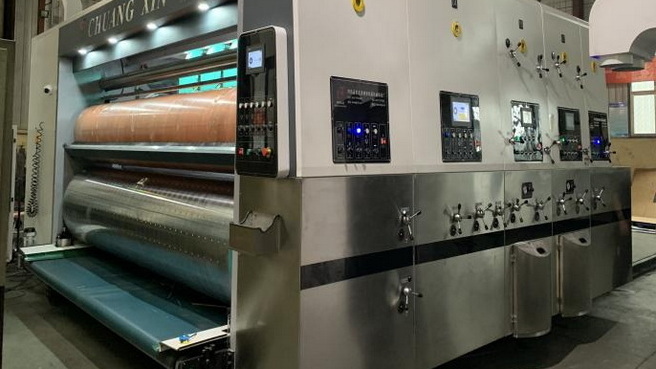
Beyond paper and board, plastics and foils are increasingly used in packaging and printing applications on die cutting and embossing machines. [papercupmachinery]
Common plastics processed include: [papercupmachinery]
- PVC: Flexible and durable; used for labels, signage, and specialty packaging components. [w2solo]
- PET: Transparent and strong; ideal for window cartons and clear packaging. [papercupmachinery]
- Acrylic sheets: Used in display stands and premium signage where clear edges and polished surfaces matter. [w2solo]
These materials demand precise pressure control. If the embossing force is too high, thin plastics may crack; if it is too low, embossed details can appear shallow or inconsistent. [papercupmachinery]
Foils and laminates are widely used in high-end carton designs: [w2solo]
- Gold and silver foil: Adds luxury branding details to cartons. [w2solo]
- Plastic laminates: Protect printing, improve scratch resistance, and enhance surface gloss. [w2solo]
These materials respond well to localized embossing and debossing, but we must calibrate plate temperature, pressure, and registration to avoid delamination or surface distortion. [w2solo]
One major information gap in many basic guides is how product weight and use case translate to material thickness choices. Combining OEM experience with published data, we can give more practical ranges. [w2solo]
Guides show the relationship between product weight and recommended board thickness: [gentlever]
- Up to 200 g: 250–300 gsm (12–16 PT / ~0.33–0.40 mm) is typically sufficient for folding cartons. [gentlever]
- 200–500 g: 300–350 gsm (16–18 PT / ~0.40–0.48 mm) improves rigidity and crease stability. [gentlever]
- 500–900 g: 350–400 gsm (18–22 PT / ~0.48–0.56 mm) helps prevent deformation under stacking. [gentlever]
- Above 900 g: Rigid greyboard or reinforced corrugated structures are recommended. [gentlever]
These ranges are not absolute rules; they serve as starting points before we adjust for structural design, distribution conditions, and branding requirements. [gentlever]
For common packaging scenarios: [gentlever]
- Cosmetics & skincare cartons:
- SBS or FBB, usually 300–350 gsm to balance print quality and rigidity. [gentlever]
- Food & beverage primary packaging:
- 300–350 gsm for dry foods, higher GSM or coated board (e.g. PE/PLA coating) for moisture-sensitive products. [gentlever]
- Jewelry & luxury boxes (rigid):
- Greyboard in the 1200–1500 gsm range for premium feel and structural stability. [gentlever]
- E‑commerce shipping boxes:
- Single-wall corrugated ~600–900 gsm; heavier or fragile goods may require double-wall ~900–1400 gsm. [gentlever]
Every die cutting and embossing machine has a defined material specification window. Typical high‑speed roll die cutting machines for paper cups and cartons accept white cardboard and PE‑coated paper in the 120–600 gsm range, with cutting precision around ±0.10 mm. [papercupmachinery]
Key machine-related constraints include: [papercupmachinery]
- Maximum sheet or roll width (e.g. 250–950 mm for certain models). [papercupmachinery]
- Maximum cutting size (e.g. 950 × 540 mm or 1200 × 640 mm). [papercupmachinery]
- Maximum pressure (often around 350 T for industrial machines). [papercupmachinery]
- Compatible material range (minimum and maximum GSM, and acceptable substrates like normal paper, PE‑coated paper, or corrugated). [papercupmachinery]
From an OEM perspective, we always verify machine specs against material specs before approving a new substrate, especially when customers want to switch to heavier board or add special laminates. [w2solo]
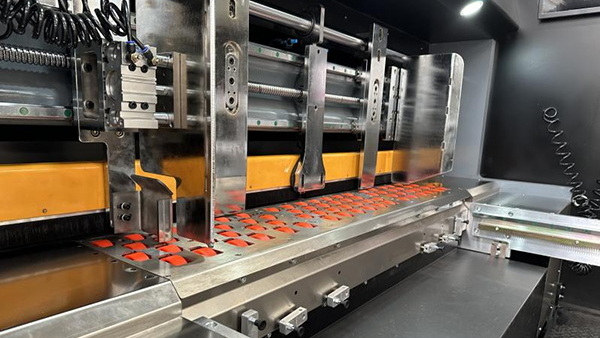
To help packaging buyers and engineers make faster, more reliable decisions, we use a simple selection checklist that integrates real production constraints. [w2solo]
- Identify whether the box is primary packaging, a retail display, or a shipping carton. [gentlever]
- Measure product weight and categorize it into <200 g, 200–500 g, 500–900 g, or >900 g. [gentlever]
- Select SBS, FBB, kraft, CCNB, corrugated, or rigid greyboard based on brand positioning and mechanical requirements. [gentlever]
- Start from the recommended GSM bands for the weight class, then adjust after prototype testing. [gentlever]
- Check your die cutting and embossing machine's material thickness and GSM limits. [papercupmachinery]
- Verify sheet size, cut precision, and available pressure range. [papercupmachinery]
- For fine graphics, foil stamping, and deep embossing, prefer smoother surfaces like SBS or well-coated FBB. [gentlever]
- For natural or eco-look, choose kraft or recycled boards but test embossing depth to avoid cracking. [gentlever]
- Run production samples at target machine speed and pressure. [papercupmachinery]
- Check:
- Edge quality and dust generation
- Crease performance (no fiber cracking)
- Embossing clarity and consistency
- Panel stability after folding and gluing [w2solo]
This systematic approach closes the gap between theoretical suitability and actual line performance, which is often missing in generic material lists. [w2solo]
In practice, most material-related die cutting and embossing problems are not caused by choosing the "wrong" substrate family, but by misaligning thickness, structure, and machine settings. [w2solo]
Typical issues we see include: [w2solo]
- Under‑specified GSM for heavy products, leading to panel bowing and crease failure.
- Over‑specified GSM without adjusting die pressure, causing edge burrs or cracking at fold lines.
- Using high-bulk board without recalibrating die height, which changes cut depth and embossing fidelity. [gentlever]
- Introducing laminates or foil layers without testing adhesion and temperature behavior under embossing pressure. [w2solo]
Addressing these issues requires close collaboration between material suppliers, OEM converters, and brand engineers, plus structured trial runs before mass production. [gentlever]
For international buyers working with Hebei-based carton machinery and packaging factories, including precise material specifications in your RFQ significantly improves project outcomes. [w2solo]
When you share:
- Target GSM range and board grade (e.g. 300–350 gsm FBB, E‑flute corrugated), [gentlever]
- Product weight and distribution scenario (e.g. e‑commerce, retail shelf), [gentlever]
- Printing and finishing requirements (e.g. foil, spot UV, deep embossing), [w2solo]
your OEM partner can quickly match these requirements with die cutting and embossing machine capabilities, recommend optimized materials, and adjust converting parameters from the beginning. [papercupmachinery]
This reduces rework, sample cycles, and hidden costs, while protecting brand experience in the final packaging. [gentlever]
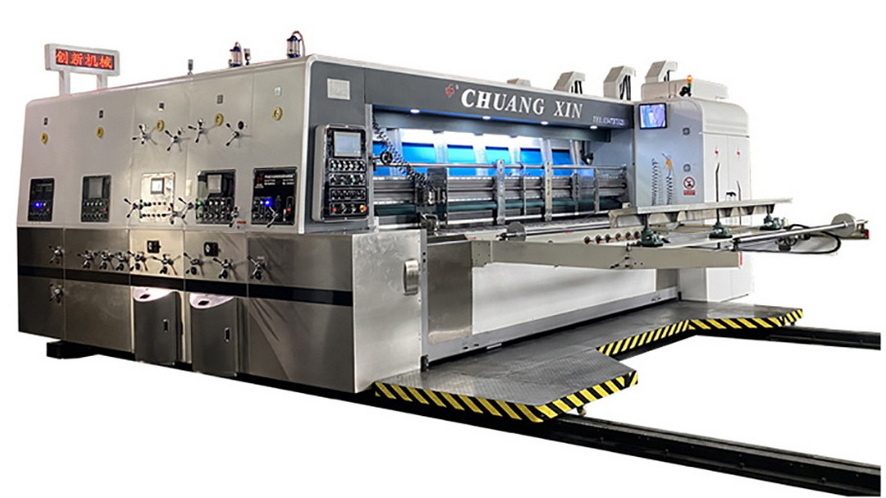
If you're planning a new carton packaging project, or upgrading your current die cutting and embossing process, it's the ideal time to integrate material specification into your design and sourcing workflow. [w2solo]
Our OEM team can help you:
- Evaluate product weight, structure, and distribution.
- Recommend paperboard GSM, flute grade, and coatings tailored to die cutting and embossing performance. [gentlever]
- Validate samples on industrial machines in the 120–600 gsm range, including PE‑coated and corrugated substrates. [papercupmachinery]
You can share your dielines, target markets, and product specs, and receive a material recommendation pack that aligns machine capabilities with packaging performance—from cutting precision to embossing quality. [papercupmachinery]
1. What GSM range is generally suitable for die cutting and embossing carton packaging?
Most folding cartons perform well between 250–350 gsm, while heavier structures may use 350–400 gsm depending on product weight and design. [gentlever]
2. Can corrugated board be cleanly die cut and embossed?
Yes. Corrugated board with suitable flute grades (such as B‑, C‑, E‑, or F‑flute) can be die cut and lightly embossed, especially for retail and e‑commerce packaging. [gentlever]
3. Are plastics like PET and PVC safe to run on carton die cutting machines?
Selected PVC, PET, and coated materials can be processed if they fall within the machine's thickness and pressure limits, but testing is essential to avoid cracking and poor embossing. [papercupmachinery]
4. How do I decide between SBS and FBB for a premium carton with embossing?
Choose SBS if you prioritize a very smooth white surface and fine emboss detail; choose FBB when you need a slightly bulkier feel and lighter weight while maintaining good rigidity. [gentlever]
5. Why does my embossed logo crack at the fold line?
Cracking usually comes from insufficient GSM, inappropriate board grade, or excessive embossing and folding pressure without adjusting tooling for the material's fiber structure. [w2solo]
1. Dongsheng Carton Machine – What Materials Are Suitable for Die Cutting and Embossing Machines?
https://www.dongshengcartonmachine.com/news/what-specifications-of-materials-are-suitable-for-processing-with-a-die-cutting-and-embossing-machine.html [w2solo]
2. Gentlever – Choose the Right Paperboard Thickness for Packaging
https://gentlever.com/paperboard-thickness-guide/ [gentlever]
3. Papercup Machinery – High Speed Roll Die Cutting & Creasing & Embossing Machine Specifications
https://www.papercupmachinery.com/roll-die-cutting-machine/py-950-high-speed-roll-die-cutting-creasing-embossing-machine [papercupmachinery]
4. Easypackmaker – Recommendations for the Manufacture of Packaging from Cardboard
https://easypackmaker.com/recommendations [easypackmaker]
5. Teal Packaging – Paper Weight Chart: Convert GSM to pt, lbs, mm
https://tealpackaging.com/paper-weight-chart/ [tealpackaging]


