
Views: 277 Author: Wynee Publish Time: 2026-11-19 Origin: Site


Content Menu
● 1. Why Transparent Communication Matters in Carton Machinery Procurement
>> Common Procurement Risks Caused by Poor Communication
● 2. Transparent Technical Communication Prevents Equipment Selection Mistakes
>> 2.1 Confirm Production Requirements Before Recommending Machinery
>> 2.2 Use Written Technical Confirmation Instead of Verbal Promises
● 3. Transparent Quotations Help Buyers Control Hidden Procurement Costs
>> What Should a Transparent Carton Machinery Quotation Include?
>> Why Incoterms® Matter in International Machinery Procurement
● 4. Production Updates Reduce Delivery and Project Scheduling Risks
>> 4.1 Establish Clear Production Milestones
>> 4.2 Report Problems Early Instead of Hiding Delays
● 5. Quality Inspection and Factory Acceptance Testing Build Procurement Confidence
>> 5.1 Agree on Quality Inspection Requirements Before Production
>> 5.2 Use FAT to Verify Agreed Performance Conditions
>> 5.3 Turn Inspection Results into Traceable Documents
● 6. International Shipping and Compliance Require Clear Cross-Border Communication
>> 6.1 Clarify Shipping Responsibilities Before Dispatch
>> 6.2 Discuss Destination-Market Safety Requirements Early
● 7. After-Sales Communication Protects Long-Term Equipment Performance
>> What Should Buyers Confirm Before Placing an Order?
● 8. A Practical Communication Checklist for Safer Carton Machinery Procurement
● 9. How Hebei Ouye Supports More Reliable Carton Machinery Procurement
● Frequently Asked Questions (FAQs)
>> 1. Why is transparent communication important in carton machinery procurement?
>> 2. What information should buyers provide when requesting a carton machinery quotation?
>> 3. How can buyers avoid hidden costs when purchasing carton packaging machinery?
>> 4. What is Factory Acceptance Testing (FAT) in carton machinery procurement?
>> 5. How can buyers monitor carton machinery production when purchasing from overseas manufacturers?
>> 6. What should be confirmed about after-sales service before purchasing carton machinery?
>> 7. How can buyers evaluate whether a carton machinery manufacturer is reliable?
>> 8. Does transparent communication guarantee that machinery procurement risks will disappear?
Purchasing carton packaging machinery is a significant investment for any corrugated box manufacturer, packaging plant, or industrial distributor. From selecting the right equipment to confirming technical specifications, arranging production, and managing international delivery, every stage involves decisions that can affect operational efficiency and long-term profitability. This is why transparent communication in carton machinery procurement is more than a customer service advantage—it is an essential risk management strategy.
For buyers working with an overseas carton machinery manufacturer, unclear specifications, delayed responses, incomplete quotations, and poorly defined after-sales responsibilities can lead to unexpected costs, production delays, and equipment that fails to meet operational expectations.
At Hebei Ouye Carton Machinery Manufacturer, integrating design, production, sales, and after-sales service provides a foundation for communication throughout the machinery purchasing process. With products supplied to more than twenty countries and regions, the company recognizes the importance of understanding different customer requirements and maintaining reliable business relationships.
But what does transparent communication actually mean in industrial machinery purchasing? More importantly, how can buyers and manufacturers use it to prevent avoidable risks?
Carton machinery procurement involves considerably more technical considerations than purchasing standard commercial products. Equipment must match the buyer's production requirements, factory layout, packaging specifications, and expected operating conditions.
A misunderstanding during the initial inquiry can affect the entire project.
For example, a buyer may request a high-speed carton production machine without specifying the required board dimensions, production volume, or material characteristics. If the supplier interprets these requirements differently, the proposed configuration may not deliver the expected performance.
Transparent communication helps both parties establish a shared understanding before financial and production commitments are made.
| Communication Problem | Potential Procurement Risk | Recommended Solution |
|---|---|---|
| Incomplete technical requirements | Unsuitable equipment configuration | Confirm specifications in writing |
| Unclear quotation details | Unexpected additional costs | Provide itemized quotations |
| Unconfirmed production schedule | Delivery delays | Establish milestone-based timelines |
| Insufficient quality updates | Unidentified manufacturing problems | Share inspection records and progress updates |
| Unclear acceptance criteria | Disputes during machine testing | Agree on FAT requirements |
| Incomplete installation information | Difficult commissioning | Provide installation and preparation documents |
| Undefined after-sales responsibilities | Longer equipment downtime | Confirm service scope and response procedures |
The key lesson is straightforward: A procurement risk is often easier and less expensive to address before production than after the machinery arrives at the buyer's facility.
Technical compatibility is one of the most important considerations when purchasing carton packaging machinery.
Different packaging manufacturers have different production requirements. Some prioritize high-volume production, while others need flexible equipment capable of handling multiple carton sizes and specifications.
A reliable carton machinery supplier should therefore understand the buyer's actual manufacturing requirements before recommending equipment.
Before preparing a technical proposal, buyers and suppliers should discuss:
- Production capacity: Required output per hour or shift.
- Material specifications: Corrugated board types, thicknesses, and dimensions.
- Product dimensions: Minimum and maximum carton sizes.
- Production requirements: Required processes and compatibility with existing equipment.
- Factory conditions: Available floor space, electrical supply, and installation environment.
- Automation expectations: Desired operating mode and level of automation.
These details help manufacturers determine whether a standard configuration is appropriate or whether customized adjustments are necessary.
For example, a carton factory planning to expand its production capacity may require machinery that integrates with existing production processes. Without discussing equipment compatibility and factory conditions, even a technically functional machine could create operational difficulties.
Technical discussions should be converted into documented specifications.
A written technical confirmation should include:
1. Equipment model and configuration.
2. Main processing capabilities.
3. Applicable material and size ranges.
4. Electrical and utility requirements.
5. Standard accessories and optional components.
6. Agreed customization requirements.
7. Testing and acceptance conditions.
Why does this matter?
Written documentation creates a common reference for the buyer, sales representative, production department, and technical team.
If a specification changes during negotiations, both parties can review the revised document instead of relying on different interpretations of earlier conversations.
An attractive initial quotation does not necessarily represent the lowest total purchasing cost.
For international carton machinery buyers, the final investment may involve equipment pricing, optional configurations, packaging, transportation, installation, training, and maintenance.
When quotation details are unclear, buyers may discover additional expenses after placing an order.
A professional quotation should clearly identify:
- Machine price: The price of the selected equipment and configuration.
- Included components: Standard accessories and supplied parts.
- Optional features: Additional functions or customized components.
- Packaging arrangements: Export packaging and protective measures.
- Delivery terms: Agreed Incoterms® rule and named location.
- Payment terms: Deposit, balance, and payment milestones.
- Production lead time: Estimated manufacturing and preparation period.
- Warranty conditions: Coverage, exclusions, and claim procedures.
- After-sales services: Installation guidance, technical support, and spare parts arrangements.
Buyers should also distinguish between the equipment price and the total landed cost.
For example, two suppliers may offer similar machine prices but different delivery arrangements. One quotation may include certain logistics services, while another may leave transportation or unloading responsibilities to the buyer.
These differences should be clarified before comparing offers.
Incoterms® 2020, published by the International Chamber of Commerce (ICC), define important responsibilities between sellers and buyers regarding delivery, transportation, costs, and transfer of risk.
However, Incoterms® do not replace the complete sales contract. Buyers should separately clarify payment arrangements, technical specifications, warranty obligations, and acceptance conditions.
Therefore, transparent quotation management should combine clear pricing with clearly defined contractual responsibilities.
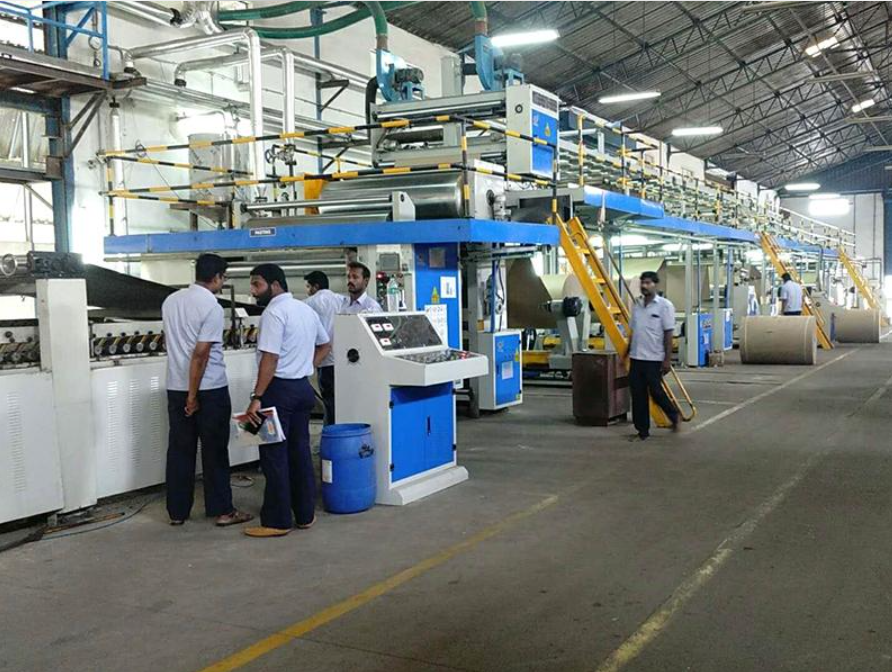
Once an order is confirmed, communication should not stop.
For a carton factory, machinery delivery is often connected to other operational activities, such as factory preparation, workforce scheduling, production line expansion, and customer order planning.
A delayed machine can affect more than the purchasing department.
Manufacturers should communicate important production stages, such as:
| Production Stage | Information Buyers Should Receive |
|---|---|
| Order Confirmation | Confirmed specifications and commercial terms |
| Design Confirmation | Approved configuration and technical drawings, where applicable |
| Material Preparation | Relevant preparation status |
| Manufacturing | Progress updates and identified schedule changes |
| Assembly | Assembly status and component checks |
| Testing | Test arrangements and available results |
| Pre-Shipment | Final inspection, packaging, and shipping preparation |
The exact milestones will depend on the machine type and order requirements.
Manufacturing schedules can be affected by component availability, customization requirements, technical adjustments, or other production factors.
A trustworthy supplier should communicate potential delays as soon as they become apparent.
An effective delay notification should explain:
- What has happened?
- Which production milestone is affected?
- What is the expected impact on delivery?
- What corrective action is being considered?
- When will the next update be provided?
This approach allows buyers to adjust factory preparation and logistics arrangements before a small delay becomes a larger operational problem.
Professional communication is not about promising that nothing will go wrong. It is about making problems visible early and managing them responsibly.
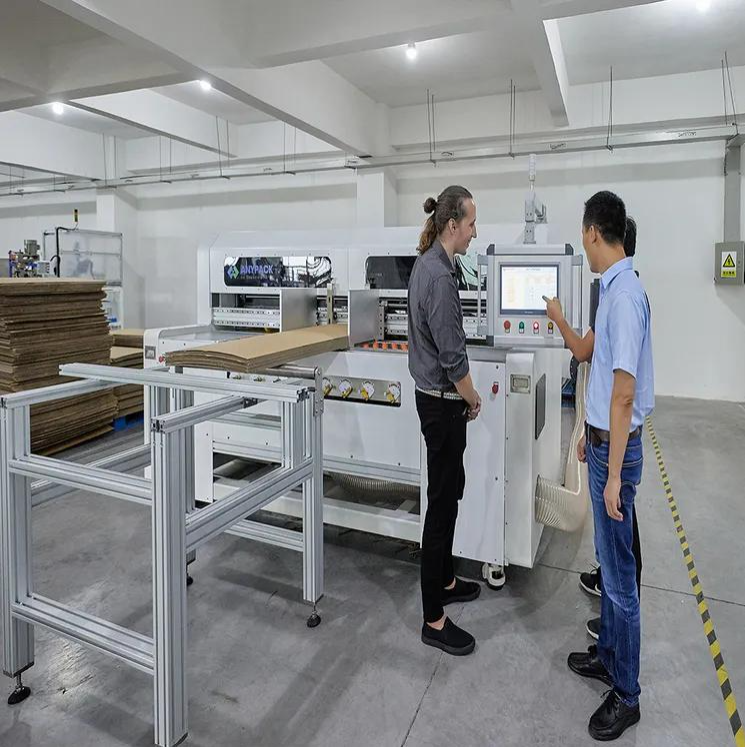
Quality assurance is another area where communication directly influences purchasing risk.
A machine may appear satisfactory in photographs or during a general demonstration, but buyers need more meaningful evidence that it meets their agreed requirements.
This is where inspection records and Factory Acceptance Testing (FAT) become important.
Buyers should discuss the inspection process before manufacturing begins.
Depending on the equipment, relevant inspection items may include:
- Main structural components and assembly condition.
- Electrical components and control systems.
- Mechanical movement and operating stability.
- Safety guards and emergency stop functions.
- Key operating parameters.
- Equipment configuration against the approved order.
- Available manuals and supporting documentation.
Not every inspection item applies to every machine. The inspection checklist should reflect the specific equipment and applicable safety requirements.
Factory Acceptance Testing is a practical opportunity to inspect and test machinery before shipment.
Rather than relying on general statements such as "the machine works well," buyers and suppliers should agree on measurable acceptance conditions.
For example, the FAT document may specify:
1. Whether the supplied machine matches the approved configuration.
2. Whether the equipment completes the agreed operating procedures.
3. Whether relevant functions operate correctly.
4. Whether the agreed test materials and operating conditions are used.
5. Whether identified issues are recorded and resolved.
6. Whether the buyer receives the agreed test documentation.
For production equipment, any output or performance target should be linked to defined materials, operating conditions, and measurement methods.
This prevents disagreements caused by comparing results obtained under different conditions.
Photographs, videos, inspection checklists, and test records can provide useful supporting evidence.
However, visual evidence should supplement rather than replace technical inspection and contractual acceptance requirements.
For buyers unable to visit the factory, remote inspection meetings can provide an additional opportunity to review equipment status and discuss outstanding issues.
A transparent quality process gives buyers something more valuable than reassurance: verifiable information about what they are purchasing.
International carton machinery procurement introduces additional challenges.
Different destination markets may have different import procedures, documentation requirements, electrical standards, and machinery safety regulations.
A supplier serving overseas markets should understand that export preparation involves more than arranging transportation.
Before shipment, buyers and manufacturers should confirm:
- Final machine dimensions and estimated shipping weight.
- Export packaging and protection arrangements.
- Loading and transportation responsibilities.
- Required commercial and shipping documents.
- Insurance arrangements, where applicable.
- Delivery destination and agreed Incoterms® rule.
- Customs clearance responsibilities.
For example, a buyer importing machinery into a new market should not assume that all customs documentation or local clearance services are automatically included in the supplier's quotation.
These responsibilities should be agreed in advance.
Machinery compliance should be considered during equipment selection rather than after manufacturing is completed.
For European buyers, Regulation (EU) 2023/1230 is particularly relevant. It establishes health and safety requirements for machinery placed on the EU market and is scheduled to apply from 20 January 2027.
The regulation also addresses conformity assessment, technical documentation, and manufacturers' obligations.
Buyers should identify the applicable requirements for their equipment and intended market, then confirm the relevant documentation and conformity arrangements with the manufacturer and, where necessary, qualified compliance specialists.
A supplier should not claim that a machine meets a particular certification or regulatory requirement without appropriate supporting evidence.
Early compliance discussions reduce the risk of expensive modifications, import delays, and market-access problems.
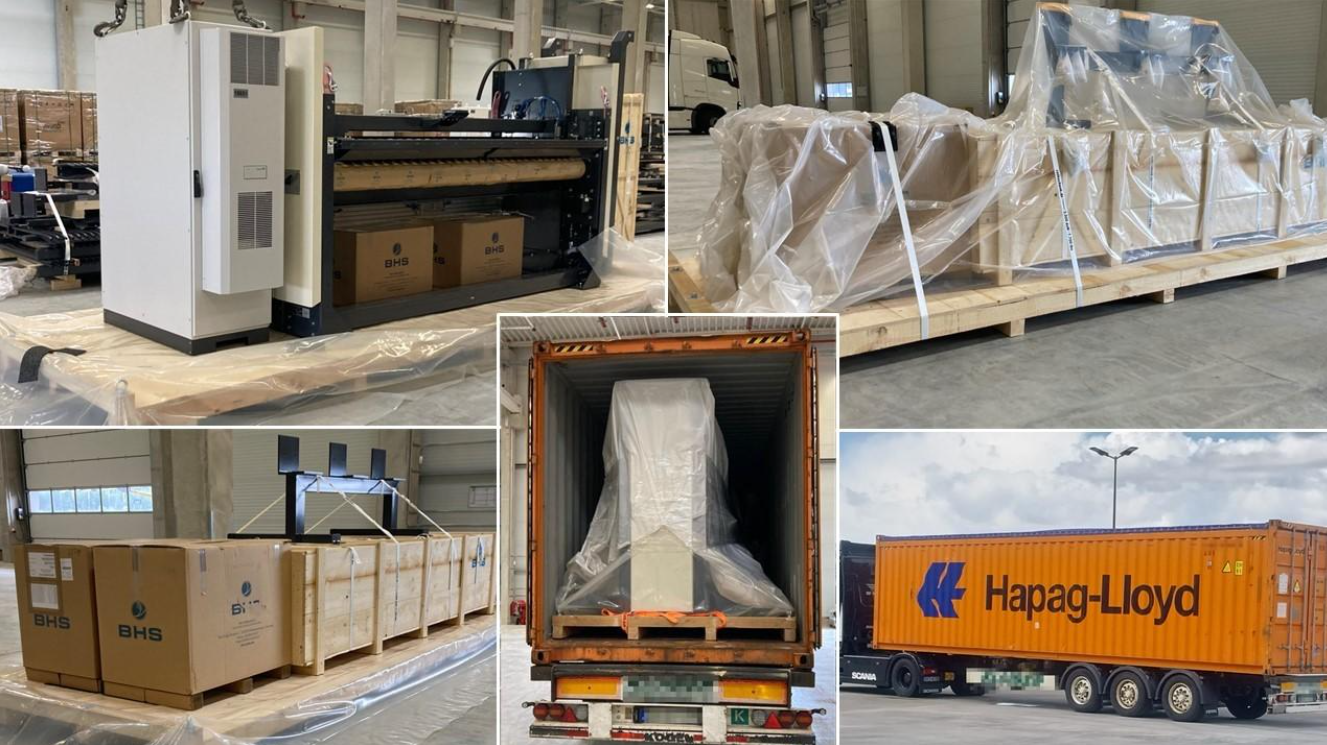
Procurement risks do not end when machinery arrives at the destination.
Installation, commissioning, operator training, maintenance, and spare parts availability can all affect the equipment's long-term value.
For overseas buyers, communication after delivery is especially important because technical assistance may need to be coordinated across different time zones and languages.
A practical after-sales checklist includes:
- Whether installation guidance is available.
- Whether remote technical assistance can be provided.
- Whether operation and maintenance manuals are supplied.
- Whether spare parts information is available.
- How warranty claims are submitted.
- What information buyers must provide when reporting faults.
- Whether additional technical services involve separate charges.
When reporting a machine problem, buyers should ideally provide the equipment model, serial number, operating conditions, error information, and relevant photographs or videos.
This helps technical personnel understand the issue and recommend more appropriate troubleshooting steps.
For Hebei Ouye Carton Machinery Manufacturer, the integration of design, manufacturing, sales, and after-sales service provides an organizational foundation for supporting customers throughout the equipment purchasing process.
The important point for buyers is to confirm the actual service scope, availability, and responsibilities for their individual orders before signing the contract.
Based on the main risk points discussed above, buyers can use the following process to evaluate a carton machinery manufacturer before making a purchasing decision.
Step 1: Evaluate the Supplier
- Review the manufacturer's product range and manufacturing capabilities.
- Understand whether the company provides design, production, sales, and after-sales services.
- Request relevant product information and supporting documentation.
- Clarify who will handle technical and commercial communication.
Step 2: Confirm Technical Requirements
- Prepare a detailed production requirement document.
- Confirm material specifications and operating conditions.
- Request written equipment configurations.
- Document customization requirements and exclusions.
Step 3: Review Commercial Terms
- Compare itemized quotations rather than headline prices alone.
- Confirm payment milestones and delivery responsibilities.
- Review warranty conditions.
- Define the agreed Incoterms® rule and named location.
Step 4: Monitor Manufacturing and Quality
- Establish production milestones.
- Request relevant progress updates.
- Agree on inspection and FAT requirements.
- Document and resolve deviations before shipment.
Step 5: Prepare for Delivery and Operation
- Confirm shipping and customs documentation.
- Review destination-market compliance requirements.
- Prepare the factory installation environment.
- Confirm training, technical support, and spare parts arrangements.
Using this checklist can make communication more structured, reduce misunderstandings, and improve purchasing decisions.
Choosing a carton machinery supplier involves evaluating more than machine specifications and purchase prices. Buyers also need to understand the manufacturer's ability to coordinate technical requirements, production, delivery, and after-sales support.
Hebei Ouye Carton Machinery Manufacturer is a modern enterprise integrating machinery design, production, sales, and after-sales service.
Its business philosophy, Quality First, Reputation Foremost,reflects its emphasis on manufacturing quality and customer satisfaction.
The company also focuses on developing intelligent, high-speed, and energy-efficient automated machinery to address limitations in existing packaging equipment.
With products supplied to more than twenty countries and regions, including the United Kingdom, Australia, Brazil, Canada, Russia, South Korea, and Malaysia, Hebei Ouye has experience serving customers across different international markets.
For buyers evaluating a potential cooperation, the following questions can help establish whether the supplier is suitable:
- Can the manufacturer understand and document our actual production requirements?
- Can the proposed equipment configuration be confirmed before production?
- Are inspection and testing arrangements clearly explained?
- Can potential production or delivery issues be communicated promptly?
- Are installation guidance and after-sales responsibilities clearly defined?
At Hebei Ouye, the goal is to build long-term customer relationships through manufacturing experience, continuous improvement, and customer-oriented service.
If you are planning to purchase carton packaging machinery, discussing your production requirements with the manufacturer at an early stage can help identify technical and commercial risks before they become costly problems.
Contact Hebei Ouye Carton Machinery Manufacturer to discuss your equipment requirements, explore suitable machinery solutions, and clarify the technical details of your next packaging machinery investment.
Transparent communication helps buyers and manufacturers establish clear expectations regarding technical specifications, pricing, production schedules, quality inspection, delivery, and after-sales service. It reduces misunderstandings and helps identify potential procurement risks before they affect the project.
Buyers should provide their required production capacity, carton or board dimensions, material specifications, expected applications, factory conditions, and automation requirements. More detailed information enables manufacturers to recommend more appropriate equipment configurations and prepare more accurate quotations.
Request an itemized quotation that identifies the machine configuration, optional components, packaging, transportation responsibilities, installation arrangements, warranty coverage, and payment terms. Buyers should also clarify the applicable Incoterms® rule and any services excluded from the quoted price.
FAT is a pre-shipment inspection and testing process conducted at the manufacturer's facility. It allows buyers to verify the machine configuration, agreed functions, operating procedures, and other specified acceptance conditions before shipment.
Buyers can establish production milestones and request periodic updates supported by relevant photographs, videos, inspection records, and technical documents. Remote meetings can also help buyers discuss progress and resolve questions without visiting the factory.
Buyers should clarify installation guidance, operator training, remote technical support, warranty coverage, spare parts availability, maintenance documentation, and procedures for reporting equipment problems. All important service commitments should be documented in the purchase agreement.
Evaluate the manufacturer's product knowledge, manufacturing capabilities, technical communication, quality inspection procedures, production management, international delivery experience, and after-sales service arrangements. Request relevant supporting documents instead of relying exclusively on promotional claims.
No. Machinery procurement always involves technical, commercial, logistical, and operational uncertainties. However, transparent communication, documented agreements, clear acceptance criteria, and timely problem reporting can significantly reduce avoidable misunderstandings and improve risk management.
The following authoritative resources support the technical, quality management, international trade, and machinery compliance discussions in this article.
1. ISO 9001 Auditing Practices Group – Guidance on Customer Communication
Explains the importance of effective customer communication, including product information, enquiries, contracts, order changes, customer feedback, and contingency requirements. https://www.iso.org/files/live/sites/tc176sc2/files/documents/ISO%209001%20Auditing%20Practices%20Group%20docs/Auditing%20to%20ISO%209001%202015/APG-CustomerCommunication2015.pdf
2. International Chamber of Commerce (ICC) – Incoterms® 2020
Provides information about international trade terms and the allocation of delivery responsibilities, costs, and risks between buyers and sellers.
https://iccwbo.org/business-solutions/incoterms-rules/incoterms-2020/
3. European Commission – Machinery
Provides official information about European machinery legislation, conformity requirements, and the Machinery Regulation.
https://single-market-economy.ec.europa.eu/sectors/mechanical-engineering/machinery_en
4. EUR-Lex – Regulation (EU) 2023/1230 on Machinery
The official legislative text covering machinery health and safety requirements, technical documentation, conformity assessment, and related manufacturer obligations.
https://eur-lex.europa.eu/eli/reg/2023/1230/en
5. EU-OSHA – Regulation 2023/1230/EU: Machinery
Explains the machinery regulation's health and safety framework and its relevance to manufacturers and other economic operators.
https://osha.europa.eu/en/legislation/directive/regulation-20231230eu-machinery


