
Views: 222 Author: Amanda Publish Time: 2025-09-22 Origin: Site


Content Menu
● Understanding the Box Strapping Machine
● Types of Box Strapping Machines
>> Automatic Strapping Machines
>> Semi-Automatic Strapping Machines
● Preparing to Use the Box Strapping Machine
● Operating the Box Strapping Machine
>> Step 1: Position Your Package
>> Step 2: Adjust Machine Settings
>> Step 4: Remove the Strapped Box
● Technical Specifications to Consider
● Advantages of Using a Box Strapping Machine
● Troubleshooting Common Issues
● FAQ
>> 1. What types of straps work best with box strapping machines?
>> 2. Can box strapping machines handle various box sizes?
>> 3. How often should strapping machines be serviced?
>> 4. Are there safety concerns while using strapping machines?
>> 5. Can strapping machines be used outdoors?
Box strapping machines play a pivotal role in today's packaging and shipping industries. These machines securely bind boxes and cartons with durable straps to ensure the safety and integrity of products during transit and storage. Whether you operate a large manufacturing plant or a warehouse handling diverse packaging demands, understanding how to properly use a box strapping machine is essential in optimizing your packaging efficiency and protection. This guide provides comprehensive instructions, technical insights, operational tips, and maintenance advice for using box strapping machines effectively.
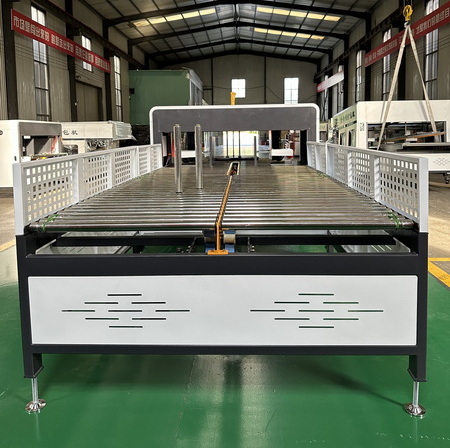
A strapping machine is designed to wrap a plastic or metal strap tightly around packages like boxes or cartons. This binding process secures the contents and improves handling safety during shipping. Strapping machines come in various models including automatic, semi-automatic, and handheld versions tailored for different volumes and packaging needs.
The straps used are typically made from polypropylene (PP) or polyester (PET). PP straps are economical and great for lightweight packages, while PET straps offer higher strength for securing heavier loads.
These machines perform the entire strapping cycle automatically once the package is positioned. They detect the box, feed the strap around it, tension, seal, and cut it without manual intervention, making them ideal for high-volume settings.
Semi-automatic models require the operator to manually position the strap around the box, after which the machine automatically tensions, seals, and cuts the strap. These machines balance automation with operator involvement, suiting medium-volume operations.
These portable tools allow manual strapping with powered tensioning and sealing, typically used for low-volume or irregular packages.
- Ensure the inner contents are securely packed and immobilized.
- Seal the box flaps with tape or adhesive.
- Add necessary cushioning such as bubble wrap or foam, especially for fragile items.
- Confirm the machine is on a stable surface and connected to power according to manufacturer specifications.
- Load the correct type and size of strap (usually 6mm to 15mm wide PP or PET strap) into the machine's strap coil holder.
- Thread the strap correctly through the feed path to avoid jams.
Place the box flat and centered on the machine's strapping table or conveyor. Stability is crucial to prevent shifting during strapping.
- Set the strapping tension appropriate to your box weight and fragility. Most machines allow tension adjustment from about 15 to 60 kilograms.
- Configure strap width and length depending on packaging requirements.
- For automatic machines, pre-set cycle parameters via the control panel.
- On automatic machines, simply trigger the start button or foot pedal. The machine will guide the strap, tension it, seal it (usually by heat welding or friction welding), and cut the strap.
- For semi-automatic machines, manually encircle the strap around the box, insert the ends into the machine, and activate the cycle to tension and seal.
Once completed, safely remove the strapped box for shipment or further packaging steps. Always inspect the strap for proper tension and a secure seal.

Typical technical parameters for semi-automatic and automatic box strapping machines include:
- Strapping Speed: Approximately 1.5 to 2.5 seconds per strap cycle.
- Strap Width Compatibility: 6 mm to 15 mm, adjustable depending on model.
- Strapping Tension Range: 15 kg to 60 kg tension settings.
- Power Supply: Commonly 220V to 240V single-phase AC; some industrial models use three-phase power.
- Machine Dimensions: Vary from compact units (around 900 x 570 x 780 mm) to larger models (up to 1400 x 638 x 1540 mm).
- Machine Weight: Semi-automatic units typically weigh 70 to 100 kg; fully automatic machines may exceed 200 kg.
These specs can influence your machine choice based on your packaging volume, box sizes, and weight handling requirements.
- Always wear protective gloves and safety glasses while operating the machine.
- Keep the strapping area clear of loose materials or obstacles.
- Clean the sealing and cutting components regularly to avoid malfunction.
- Perform routine maintenance checks on motors, sensors, and electrical components.
- Replace worn or damaged parts promptly to maintain optimal machine performance.
- Train operators thoroughly on machine functions and emergency stops.
- Enhanced Efficiency: Automates the strapping process, increasing throughput.
- Consistent Packaging Quality: Provides uniform strap tension and seal strength.
- Reduced Labor: Minimizes manual effort and operator fatigue.
- Product Protection: Straps secure packages tightly, preventing product movement and damage.
- Workplace Safety: Reduces risks associated with manual strapping methods.
- Strap Breakage: Usually caused by overly high tension settings or inferior strap quality. Solution: Adjust tension and use recommended straps.
- Incomplete Seals: Dirty or worn sealing elements can fail to join straps properly. Solution: Clean and maintain sealing jaws.
- Machine Fails to Feed Strap: Misaligned strap path or empty coil. Solution: Re-thread strap correctly and ensure coil is loaded.
- Power Issues: Check electrical connections and power source integrity.
Employing a box strapping machine significantly upgrades your packaging process by guaranteeing speed, strength, and safety in securing shipments. Selecting the right type of strapping machine—automatic, semi-automatic, or handheld—should be guided by your package volume, size diversity, and operational capacity. By following the recommended operating steps, adjusting tension and strap types precisely, and maintaining your machine regularly, you can extend its service life and maintain high packing standards consistently. Integrating strapping machines into your packaging workflow elevates efficiency and customer satisfaction alike.

Polypropylene (PP) straps are best for lightweight packages and are budget-friendly. Polyester (PET) straps provide higher tensile strength suitable for heavier and more demanding loads.
Yes, but each machine has minimum and maximum box size limits. Most semi-automatic models handle boxes starting from roughly 60 mm in height, while automatic machines can strap a wider range of sizes.
Routine cleaning should be performed weekly, while comprehensive maintenance—checking motors, belts, sensors—should be conducted every 3 to 6 months depending on usage frequency.
Yes. Operators must wear protective gear and be trained on the machine's emergency stop functions. Always keep hands clear of moving parts and ensure the strap tension is properly adjusted to prevent accidents.
While possible, it's best to use weather-resistant straps and protect machines from elements like rain and dust to prevent damage or malfunction.
[1](https://www.globalpackindia.com/products/strapping-machine/semi-automatic-strapping-machine/kh-90/)
[2](https://www.shrinkingmachine.com/box-strapping-machine.html)
[3](https://nidoworld.com/mechanization/end-of-line-packing/strapping-machines/semi-automatic-box-strapping/)
[4](https://www.sepackindia.com/strapping-machines.html)
[5](https://pack-well.com/products/box-strapping-machine-standard/)
[6](https://www.directindustry.com/industrial-manufacturer/cardboard-box-strapping-machine-102920.html)
[7](https://mkp.gem.gov.in/catalog_data/catalog_support_document/buyer_documents/12299727/54/78/703/CatalogAttrs/SpecificationDocument/2025/8/10/automatic_box_strapping_machine_specs_2025-08-10-21-49-56_a306aa6c3ce2cb46f084f60700ee3a7d.pdf)
[8](https://www.packway.com/strapping-machine)
[9](http://5.imimg.com/data5/SELLER/Doc/2025/8/538568751/FW/BJ/WA/151793542/box-strapping-machine.pdf)


