
Views: 222 Author: Ouye Carton Machinery Publish Time: 2026-04-16 Origin: Site


A corrugated box making machine is an integrated piece of packaging machinery designed to convert corrugated board into finished shipping or retail boxes through a series of automated processes such as feeding, printing, cutting, slotting, folding, and gluing.
In a modern plant, this one system replaces multiple manual steps and separate machines, providing:
- Higher throughput with consistent box quality
- Shorter setup times and faster order changeovers
- Reduced dependence on manual labor in tight labor markets [sunautomation]
From an operator's perspective, a well‑designed carton machine should feel predictable and stable: once the order is set, the line runs with minimal intervention and predictable output per hour.
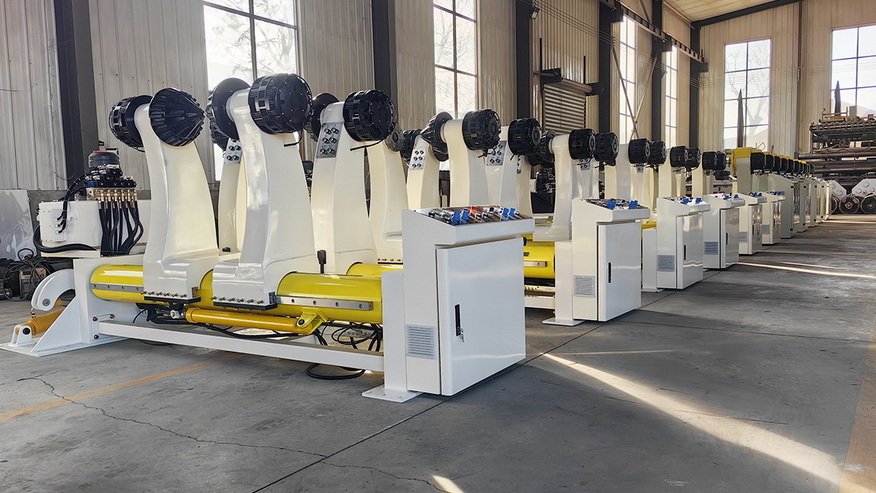
Despite new materials, corrugated boxes remain the backbone of global packaging because they combine protection, cost control, and sustainability.
Key advantages of corrugated boxes:
- High strength‑to‑weight ratio – Strong enough to protect products in transit while staying lightweight.
- Versatility – Handles everything from small e‑commerce parcels to heavy industrial components.
- Recyclability – Corrugated is widely recycled, aligning with global sustainability targets and reducing environmental impact. [intelmarketresearch]
- Printability – High‑quality graphics can be added inline, supporting branding and regulatory labeling.
For international brands and logistics providers, corrugated boxes manufactured on stable, repeatable equipment are not just a cost item—they are part of the customer experience and risk management strategy. [venveo]
Different packaging plants and production scales require different types of corrugated box machinery. Below are the core machine categories you will encounter.
A single facer is used at the front end of a corrugated board production line to bond a fluted medium to a liner, producing single‑faced board.
- Forms the corrugated flutes with heat and pressure
- Applies adhesive and bonds the liner
- Forms the base structure for later converting into boxes
In many cases, box plants either buy corrugated sheets from a dedicated corrugator or operate an in‑house 3/5/7‑ply corrugated production line before sending sheets to converting equipment. [corrugated-box-machine-china]
A flexo folder gluer combines multiple steps—printing, slotting, folding, and gluing—into one continuous process.
- Flexo printing of logos, barcodes, handling marks
- Slotting and creasing to prepare flaps and folds
- Folding and gluing to create finished RSC (Regular Slotted Carton) boxes
Modern full‑servo FFGs can run at very high speeds, improving throughput while maintaining consistent print and fold quality. [sunautomation]
When you need custom‑shape boxes or display packaging, die‑cutters are essential.
- Rotary die‑cutters – High‑speed cutting using cylindrical tooling; good for large runs. [sunautomation]
- Flatbed die‑cutters – High precision and complex shapes; ideal for more intricate packaging.
These machines prepare the sheet for final box forming:
- Slitting machines – Cut the board into required widths and add score lines for folding.
- Slotting machines – Cut slots at predefined positions to form the flaps of the box.
Accuracy at this step determines whether your boxes square up correctly and maintain stacking strength.
An integrated corrugated box making machine—often called a "box maker"—takes flat sheets and completes multiple tasks in‑line: feeding, printing, creasing, slotting, trimming, handle die‑cutting, folding, and gluing.
Manufacturers are increasingly adopting modular and right‑sized box makers that support on‑demand production, particularly for short runs and customized packaging. [intelmarketresearch]
To understand the capabilities of a corrugated box machine, look at its core sections.
The feeding section delivers corrugated sheets into the machine at a consistent speed and alignment.
- Vacuum or mechanical feeders
- Adjustable for different sheet sizes and thicknesses
- Critical to avoid mis‑feeds and jams at high speed
The printing section applies graphics, logos, and text.
- Flexographic printing units for one‑ to multi‑color jobs
- Registration control for accurate logo positioning
- Optional quick plate‑change systems to minimize downtime
These modules define the box geometry:
- Slitting – Cuts sheets into the required widths
- Scoring/creasing – Creates fold lines
- Slotting – Cuts flap openings and top/bottom slots
High‑precision tooling here ensures the box can be folded accurately without cracking or losing strength.
At the end of the line, the machine folds the pre‑slotted blank and applies adhesive to produce a fully formed carton.
- Consistent glue application for strong seams
- Folding belts or mechanical folders keep the box square
- Final compression to ensure proper bonding
For export customers, the folding and gluing performance is often the most visible sign of a machine's build quality, because it shows up in every pallet of finished boxes.
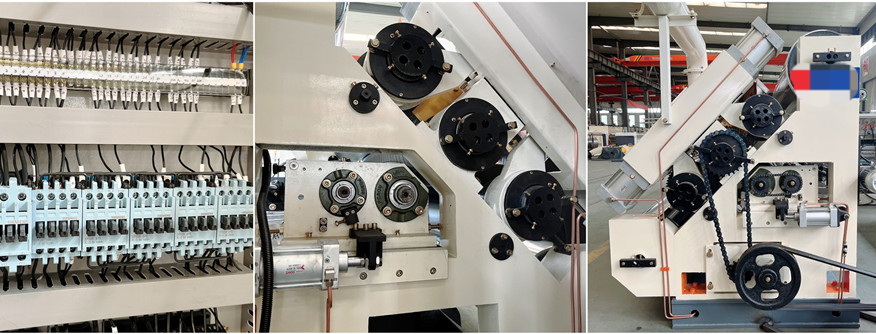
In daily operation, the journey from corrugated board to finished box follows these steps.
1. Load sheets
- Corrugated sheets are stacked on the feeding table.
2. Feed into the machine
- The feeder aligns and feeds sheets into the line at the set speed.
3. Print as needed
- Logos, handling symbols, and variable data are printed inline with flexo units.
4. Crease, slit, and slot
- The machine creates fold lines and slots for box flaps.
5. Die‑cut (optional)
- For special shapes or hand holes, a die‑cut unit creates custom cut‑outs.
6. Fold and glue
- Blanks are folded into box form and glued at the manufacturer's joint.
7. Compression and counting
- Finished boxes are pressed for bonding, counted, and stacked for bundling or strapping.
With a well‑configured line, this entire process is continuous, producing a steady flow of boxes ready for palletizing.
Based on both industry data and what we see daily in our OEM customers' plants, moving from manual or semi‑automatic processes to automated corrugated box making machines delivers several tangible benefits. [futuremarketinsights]
1. Higher Output and Consistency
- Automated lines maintain stable speed and quality over long runs.
- Servo‑driven axes and digital controls reduce variation between batches. [sunautomation]
2. Lower Labor Dependence
- Plants in Europe, North America, and parts of Asia are facing labor shortages and rising wages; automation reduces reliance on manual operators. [futuremarketinsights]
- A single trained crew can manage multiple machines in some cases. [sunautomation]
3. Reduced Waste and Better Material Utilization
- Precise cutting and slotting minimize scrap.
- On‑demand capabilities mean fewer pre‑made boxes sitting in storage and becoming obsolete. [intelmarketresearch]
4. Improved Lead Times and Flexibility
- Fast order changeovers allow converters to handle small, frequent orders instead of only large runs. [intelmarketresearch]
- This is critical for e‑commerce brands that frequently update SKUs and campaigns. [sunautomation]
Choosing the right machine is not just about "buying the fastest model." From my experience implementing equipment in export‑oriented plants, these are the questions you must answer before investing. [venveo]
- List your top 20 box sizes and styles by volume.
- Check whether a single integrated machine can cover most of them, or if you need dedicated die‑cut capacity.
For example, if you mainly produce RSC shipping cartons, a flexo folder gluer or integrated box maker may be sufficient. For display packaging, you will likely need a die‑cut unit.
- Calculate average and peak boxes per hour required.
- Consider whether you will run one or multiple shifts.
There is no point in buying a very high‑speed line if your order mix and manpower only support 30–40% of its theoretical capacity. [venveo]
If your customers are frequently asking for small batches or variable dimensions, look for machines optimized for: [intelmarketresearch]
- Fast job changeover
- Minimal setup waste
- Modular configuration for different box formats
Modular, right‑sized corrugated box machines are a growing trend exactly because they support on‑demand, short‑run manufacturing while reducing warehouse inventory of pre‑formed boxes. [intelmarketresearch]
Beyond purchase price, evaluate:
- Energy consumption and maintenance costs over the machine's life
- Availability of spare parts and remote support
- Training and documentation provided by the OEM
Strong partnerships with trusted OEMs are highlighted in industry research as a key factor in long‑term performance and uptime. [futuremarketinsights]
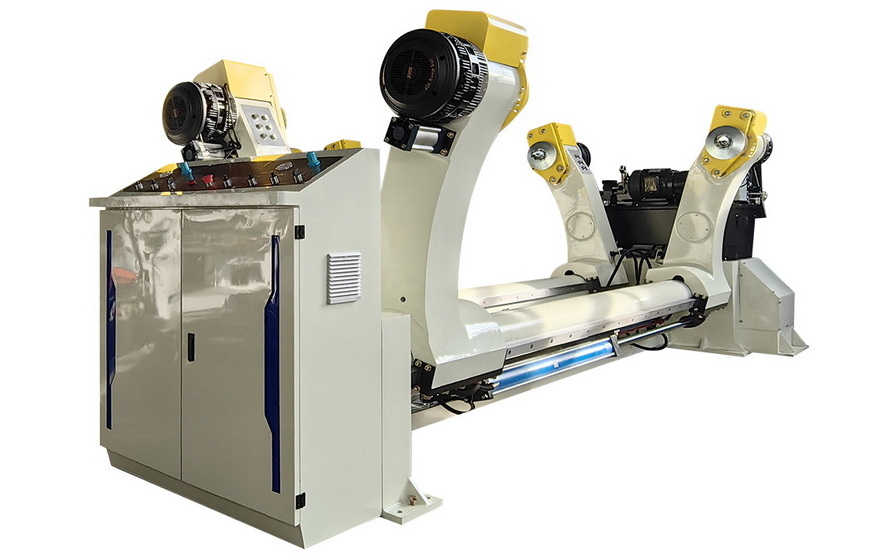
From a user's standpoint, the best machine is the one that stays stable and predictable over years of production. That only happens with consistent maintenance, training, and safety practices.
- Implement a scheduled inspection plan (daily, weekly, monthly tasks).
- Monitor wear parts (belts, knives, anilox rolls, bearings) and replace them before failure.
- Track downtime and root causes to identify recurring issues.
Plants that adopt data‑driven maintenance strategies report fewer unexpected stoppages and better overall equipment effectiveness. [futuremarketinsights]
- Provide structured onboarding and refresher training for operators and mechanics.
- Standardize operating procedures (SOPs) for job setup, changeover, and shutdown.
- Use visual aids and checklists at the machine for critical steps and safety points.
A well‑trained operator can often improve output by optimizing settings, timing, and sequence—even on the same machine. [venveo]
- Make sure guards, emergency stops, and safety interlocks are always functional.
- Provide PPE and enforce safety protocols around nip points, cutting areas, and moving belts.
Safety is not only a legal requirement—it protects your workforce and reduces unplanned downtime.
According to recent industry outlooks, several macro trends are shaping the next generation of corrugated box equipment. [futuremarketinsights]
Corrugated box machines are incorporating more sensors and connectivity: [futuremarketinsights]
- Real‑time monitoring of vacuum levels, temperatures, and drive loads
- Remote diagnostics and predictive maintenance based on machine data
- Dashboards that help supervisors manage uptime and plan maintenance windows
Plants that adopt data‑driven tools earlier tend to gain an advantage in uptime, staffing efficiency, and long‑term asset performance. [sunautomation]
Market research shows growing adoption of modular and right‑sized corrugated box machines that support short‑run and on‑demand production. [intelmarketresearch]
- Reduces material waste and over‑production
- Matches e‑commerce and omni‑channel retail demand patterns
- Helps brands cut warehouse costs by producing boxes when needed
Sustainability is now a core driver of investment decisions: [futuremarketinsights]
- Equipment is optimized to reduce power consumption and trim waste.
- On‑demand production helps prevent obsolete packaging inventory.
For global brands, partnering with converters that use efficient, low‑waste machinery is increasingly part of their ESG story. [venveo]
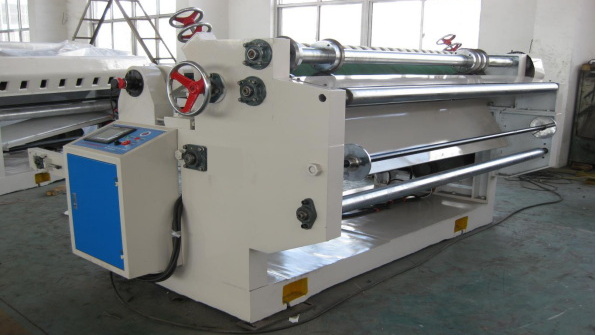
One question we hear repeatedly from overseas buyers—just like the user comment on the original article—is:
> "What is the speed this machine produces corrugated cardboard box mat?"
From an engineering and operations perspective, speed should never be viewed as a single number. Instead, consider:
- Maximum mechanical speed (theoretical top speed on a simple box)
- Sustainable production speed for your typical box mix and operators
- Speed during changeovers—how quickly you can move from Job A to Job B
When comparing machines, request real application case data from the OEM: for example, "RSC boxes, 3‑ply board, 600 × 400 × 300 mm, running at X boxes/minute over an 8‑hour shift." This gives a more realistic picture than a headline "up to XXX boxes/hour" claim. [venveo]
| Machine Type | Typical Use Case | Strengths | Considerations |
|---|---|---|---|
| Single Facer / Corrugation Line | In‑house sheet production | Controls board quality, supports high volume | Higher capex, requires more space (corrugated-box-machine-china) |
| Flexo Folder Gluer | Medium‑to‑large RSC runs | High speed, integrated print‑slot‑fold‑glue | Less ideal for complex die‑cut shapes (sunautomation) |
| Rotary/Flatbed Die‑Cutter | Custom, shelf‑ready, or display packaging | Complex shapes, high print/display impact | Tooling cost, slower changeover |
| Integrated Digital Box Maker | Short‑run, on‑demand, variable sizes | Fast changeover, reduced inventory, modular | May have lower top speed, higher unit cost (intelmarketresearch) |
If you are planning to upgrade your carton packaging equipment or add corrugated box making capacity for export markets, working with an experienced OEM partner is critical. [sunautomation]
As a Chinese factory specialized in carton packaging equipment design and manufacturing, Hebei Ou Ye Carton Machinery Co., Ltd. provides:
- OEM and customized solutions for brands, wholesalers, and converters
- Machine configurations tailored to your target box sizes and order mix
- Engineering support, operator training, and long‑term spare parts service
Tell us about your box sizes, annual volume, and current challenges, and we'll recommend a right‑sized corrugated box making solution for your plant.
1. What is a corrugated box making machine?
A corrugated box making machine is industrial equipment that converts corrugated board into finished boxes by feeding, printing, cutting, slotting, folding, and gluing in an integrated process.
2. Which machine is best for short‑run, customized orders?
Plants focused on short runs and frequent size changes benefit from modular, right‑sized box makers and digital setups that allow quick job changeovers with minimal waste. [intelmarketresearch]
3. How fast can a corrugated box making machine run?
Top mechanical speeds are high, but real performance depends on box style, board quality, operator skill, and changeover time; always request application‑specific speed data from the OEM. [venveo]
4. How do automated box makers reduce costs?
Automation increases throughput, reduces labor dependence, minimizes scrap through precise cutting and slotting, and speeds up changeovers, all of which lower long‑term cost per box. [futuremarketinsights]
5. What trends will shape corrugated box machinery in the next few years?
Key trends include Industry 4.0 connectivity, predictive maintenance, modular on‑demand box production, and equipment designs that reduce energy use and material waste. [sunautomation]
1. Aopack – *What is a corrugated box making machine?*
<https://www.aopackmachine.com/what-is-a-corrugated-box-making-machine/>
2. SUN Automation Group – *2026 Corrugated Manufacturing Outlook: The Trends Reshaping Box Plants Worldwide*
<https://sunautomation.com/2026-trends-in-corrugated-manufacturing/> [sunautomation]
3. Intel Market Research – *Corrugated Paper Box Machine Market Outlook 2026–2034*
<https://www.intelmarketresearch.com/corrugated-paper-box-machine-market-38802> [intelmarketresearch]
4. Future Market Insights – *Corrugated Box Machine Market (2026–2036)*
<https://www.futuremarketinsights.com/reports/corrugated-box-machines-market> [futuremarketinsights]
5. Made‑in‑China – *Corrugated Box Making Machine Products*
<https://www.made-in-china.com/products-search/hot-china-products/Corrugated_Box_Making_Machine.html> [made-in-china]
6. Hebei corrugated machinery example site – *Corrugated Cardboard/Paperboard Production Line*
<https://www.corrugated-box-machine-china.top> [corrugated-box-machine-china]
7. MarketVeep – *4 Best Practices for Your Content SEO Strategy in Manufacturing*
<https://www.marketveep.com/blog/4-best-practices-for-your-content-seo-strategy-in-manufacturing> [marketveep]
8. Venveo – *SEO for Manufacturing Companies*
<https://www.venveo.com/blog/content-marketing/seo-for-manufacturing-companies> [venveo]
9. Momentic Marketing – *EEAT & SEO: How to Make Your Content More Helpful*
<https://momenticmarketing.com/blog/seo-for-eat-guidelines> [momenticmarketing]
10. Gushwork – *How SEO Helps Packaging Manufacturers Generate More Leads*
<https://www.gushwork.ai/blog/seo-packaging-manufacturers> [gushwork]
11. Marketing Aid – *Ultimate E‑E‑A‑T Guide for 2024*
<https://www.marketingaid.io/ultimate-eeat-guide/> [marketingaid]


