
Views: 222 Author: Ouye Carton Machinery Publish Time: 2026-06-01 Origin: Site


Content Menu
● Why Correct Strapping Tension Really Matters
● How Semi‑Automatic Strapping Machines Apply Tension
● Step‑by‑Step: How to Adjust Strapping Tension Correctly
>> Step 1 – Identify the Tension Control
>> Step 2 – Power Down Before Major Adjustments
>> Step 3 – Choose a Starting Tension by Carton Type
>> Step 4 – Test on a Sample Carton
>> Step 5 – Fine‑Tune in Small Increments
>> Step 6 – Recheck Tension Regularly
● Common Strapping Tension Problems and How to Fix Them
>> Strap Breakage During Tensioning
>> Tension Feels Inconsistent Between Cycles
● How Tension Settings Interact With Strap Type and Carton Design
>> PP vs PET Strap and Tension
>> Carton Strength, Fluting, and Edge Protection
● Maintenance and Safety Practices That Keep Tension Stable
● OEM Expert Tips for Overseas Brands, Wholesalers, and Plants
● Call to Action – Get OEM‑Level Support on Strapping Tension
● FAQ: Semi‑Automatic Strapping Machine Tension
In my work helping packaging plants optimize carton strapping machines, I've seen the same pattern over and over: either the straps are so loose that cartons shift in transit, or the tension is so aggressive that corners crush and straps snap. Both problems usually come down to one thing—no one ever gave operators a simple, practical, and manufacturer‑backed guide to tension adjustment. [cazbah]
This article brings that guide together. It is written from the perspective of a Chinese OEM factory supplying carton packaging equipment worldwide, combining hands‑on shop‑floor experience, end‑user feedback, and best practices from the strapping machine industry. [packway]

Correct strapping tension is the difference between a stable load that arrives intact and a damaged shipment that triggers claims, returns, and brand complaints. When tension is set correctly, the strap holds the carton firmly without crushing the board, deforming the product, or cutting into corners. [cazbah]
From both OEM and user feedback, four key outcomes depend on proper tension: [cazbah]
- Product protection during handling, stacking, and long‑distance transport.
- Stable pallet loads and reduced shifting in containers or trucks.
- Longer machine life due to less mechanical stress on motors, gears, and tension assemblies.
- Lower strap consumption and fewer strap breaks, especially with low‑quality or thin straps.
A semi‑automatic strapping machine is designed to apply repeatable, controlled tension; your job is to tune that tension for your cartons, strap material, and logistics conditions. [packway]
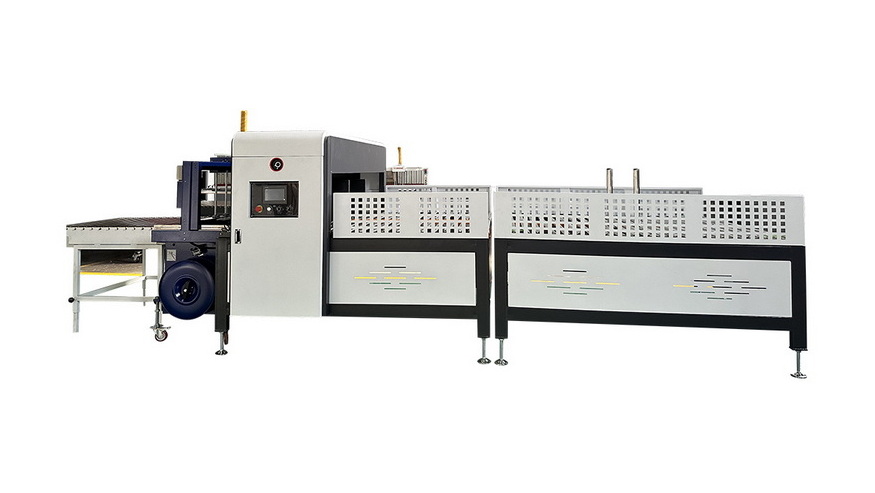
To adjust tension properly, operators should first understand how the machine works inside. In a typical semi‑automatic carton strapping machine, the operator manually wraps the strap around the carton, overlaps the strap at the feed slot, and then the machine automatically tensions, seals, and cuts the strap. [cazbah]
Most machines include: [packway]
- A strap dispenser feeding PP or PET strap from a coil.
- A motor‑driven tensioning mechanism that pulls the strap tight.
- A sealing unit using heat or friction welding.
- A cutting blade that trims excess strap automatically.
Semi‑automatic units usually offer an adjustable tension range (for example 5–50 kg) through a dial, knob, or digital setting, allowing one machine to handle everything from light e‑commerce cartons to heavy industrial boxes. [packway]
Below is a practical, operator‑friendly workflow you can standardize in your plant or share with your end customers. [cazbah]
Most semi‑automatic strapping machines use a tension dial or knob on the front or side panel, close to the strap feed area. Some newer models offer a small digital panel or push‑buttons for fine control. [packway]
For new installations or OEM shipments, always: [cazbah]
- Mark "Low" and "High" tension clearly on the panel.
- Include a laminated quick‑reference label with recommended starting ranges by carton type.

Before you make any significant change to tension or internal adjustments, turn off the main switch and disconnect power. This reduces the risk of sudden strap movement, snapping, or unexpected cycling while hands are near the strap path. [cazbah]
For small incremental changes via the external knob, plants often adjust with power on; however, your safety training should still keep hands clear of moving parts. [cazbah]
A practical way to avoid guesswork is to define starting levels by carton and strap type. [packway]
Example starting points for typical corrugated cartons (using PP strap):
| Carton Type | Typical Weight Range | Recommended Initial Tension | Notes |
|---|---|---|---|
| Light, single‑wall shipping cartons | 5–10 kg | Low–medium | Protect fragile contents and weak corners. cazbah |
| Standard e‑commerce / warehouse cartons | 10–25 kg | Medium | Most 2‑strap applications. cazbah |
| Heavy double‑wall industrial cartons | 25–40 kg | Medium–high | Use good‑quality PP strap. cazbah |
| Very heavy or dense loads | 40 kg+ | High | Consider PET strap or more straps. cazbah |
Start in the middle of the recommended band, not at the extremes. [cazbah]
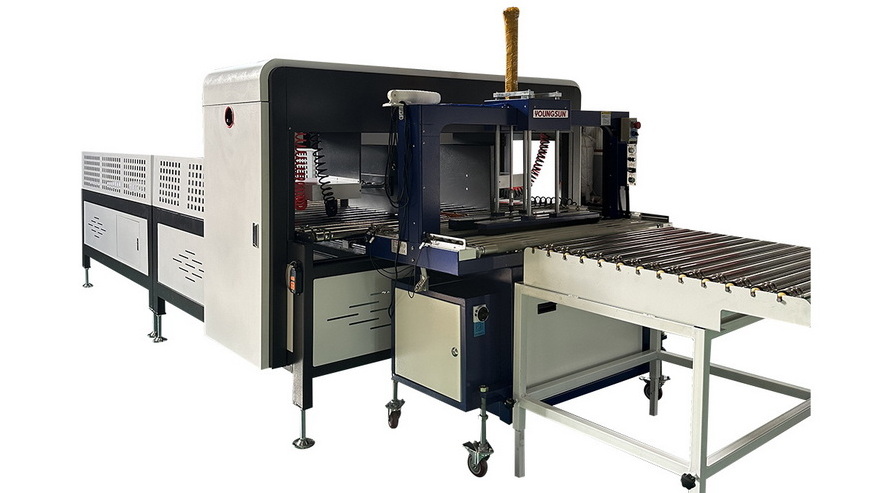
With tension set to your starting point, run several test straps on a sample carton: [cazbah]
1. Load and thread the strap according to the machine manual.
2. Place a carton of the same size and weight as real production.
3. Wrap the strap around the carton and feed it into the slot.
4. Activate the strapping cycle via button or foot pedal.
After strapping, perform two quick checks: [cazbah]
- Press the strap with your thumb: it should deflect slightly but not feel slack.
- Inspect carton edges and corners for crushing, deformation, or strap cutting into the board.
Tension adjustment is not a one‑time action; it is a loop of test and refine. Based on the sample results: [cazbah]
- If straps are loose: turn the dial slightly towards higher tension and test again.
- If cartons show crushing or warping: lower the tension and re‑test.
- If straps snap during tensioning: reduce tension and verify strap quality and threading. [packway]
Document final tension values for each product family so operators do not have to start from zero each shift. [gushwork]
Over time, components in the tension system can wear, and operators can unintentionally bump knobs or change settings. Make tension verification part of your daily start‑up checklist: [cazbah]
- Run at least one test strap at the beginning of each shift.
- Re‑test after coil changes, maintenance, or machine relocation.
- Log any adjustments and note which products are affected.
This simple routine keeps tension stable and reduces packaging defects and rework across long production runs. [gushwork]
Even with a clear procedure, operators will occasionally experience tension‑related issues. Turning these incidents into standard troubleshooting steps greatly improves UX and reduces downtime. [cazbah]
Symptom: Crushed corners, deformed cartons, strap marks cutting into the board, or damaged products.
Likely causes: [cazbah]
- Tension dial set too high for carton strength or strap width.
- Using narrow or thin strap on heavy loads.
Fixes: [cazbah]
- Reduce the tension gradually and retest on sample cartons.
- Consider wider or thicker strap or upgrading to PET for very heavy applications.
Symptom: Cartons feel unstable, straps slide off corners, or loads shift on pallets during transport. [cazbah]
Likely causes: [cazbah]
- Tension set too low.
- Strap path partially blocked or dirty rollers reducing friction.
- Insufficient number of straps per carton or per pallet layer.
Fixes: [packway]
- Increase tension in small steps and test again.
- Clean strap feed rollers and guides as part of routine maintenance.
- Add more straps or adjust strapping pattern for tall or unstable loads.
Symptom: Strap snaps while the machine is pulling tension, sometimes near the seal or at a sharp carton edge. [cazbah]
Likely causes: [packway]
- Tension set too high for the strap's tensile strength.
- Low‑quality strap with inconsistent thickness.
- Sharp metal or board edges on the carton or product.
Fixes:
- Reduce tension and verify that breakage stops.
- Switch to higher‑quality PP or PET strap from a reputable supplier. [reisopack]
- Use corner protectors or edge guards on aggressive products or pallets.
Symptom: Some cartons feel tight while others feel loose, even at the same settings. [cazbah]
Likely causes:
- Worn tension belts, springs, or clutch components.
- Contamination in strap path (dust, paper fibers, oil). [cazbah]
- Operators changing tension between product types without logging.
Fixes: [cazbah]
- Schedule inspection and part replacement according to the OEM maintenance plan.
- Clean strap path and rollers regularly.
- Standardize presets by product and limit who can change tension settings.
From an OEM point of view, tension is not isolated—it interacts with strap material and carton structure. Helping your customers choose the right combination makes your machine perform better in real‑world logistics. [gushwork]
- Polypropylene (PP) strap is common for light‑ to medium‑weight cartons; it is flexible, economical, and suitable for lower tension ranges. [packway]
- Polyester (PET) strap offers higher tensile strength and better elongation recovery, making it ideal for heavy or compressed loads that require higher tension without permanent deformation. [reisopack]
For heavy export cartons, using PET strap with a properly set high tension is often safer than pushing PP strap close to its breaking limit. [packway]
Double‑wall or high‑burst‑strength corrugated cartons can handle higher tension, while single‑wall or recycled board needs more conservative settings. For fragile corners (such as printed gift boxes or lightweight e‑commerce packaging), combining lower tension with plastic corner protectors is often the best compromise between protection and appearance. [reisopack]

Strapping tension is only as reliable as the condition of your machine and the safety culture in your plant. [cazbah]
Key maintenance practices for stable tension: [cazbah]
- Clean strap guides, rollers, and tension wheels regularly to remove dust and carton fibers. [cazbah]
- Lubricate moving parts following the OEM maintenance schedule. [cazbah]
- Inspect belts, springs, and clutches in the tension system for wear and replace proactively. [cazbah]
- Schedule professional servicing every 6–12 months for high‑duty lines. [cazbah]
Core safety precautions when working near tension controls and strap paths: [cazbah]
- Wear gloves and eye protection to avoid injuries from snapping straps.
- Keep hands away from sealing and cutting units while the machine is running.
- Disconnect power before internal maintenance or troubleshooting.
- Never bypass safety switches or guards.
As a Chinese OEM factory supplying carton packaging machinery and private‑label equipment to international markets, you can add additional value by standardizing tension‑related UX across your exports. [gushwork]
Practical OEM best practices include: [blog.saleslayer]
- Deliver machines with pre‑configured tension presets for common carton weight ranges.
- Provide bilingual quick‑start guides with clear photos of the tension dial and step‑by‑step instructions.
- Include a basic tension troubleshooting table in every manual and on your website.
- Record demo videos showing how to adjust tension for different carton types, and embed them in product pages and QR codes on the machine nameplate.
- Train distributors and local service partners to audit and optimize strapping tension on customer sites.
If your team is still struggling with broken straps, crushed cartons, or unstable pallets, you do not have to solve those problems alone. As an experienced OEM manufacturer of carton packaging machines in Hebei, we help overseas brands, wholesalers, and converters configure semi‑automatic and automatic strapping machines for their specific products, export routes, and packaging standards. [ouyecartonmachine]
Whether you need private‑label carton strapping machines, full carton production lines, or on‑site tension optimization support, our engineering team can recommend the right machine type, strap specification, and tension settings for your application. [ouyecartonmachine]
Contact us today to discuss your project, request a technical consultation, or get a customized quotation for carton packaging and strapping solutions tailored to your market. [ouyecartonmachine]
1. How do I know if my strapping tension is correct?
Your strapping tension is generally correct when the strap feels firm with slight thumb deflection, cartons show no crushed corners, and loads remain stable during typical handling and transport tests. [cazbah]
2. How often should I readjust or check tension settings?
At minimum, check tension at the start of each shift, after strap coil changes, and after any maintenance on the tension or feed system, and re‑test whenever you change carton types or strap material. [cazbah]
3. Can one tension setting work for all my cartons?
In most plants, a single tension setting is not ideal because different carton strengths, weights, and strap types behave differently, so you should maintain 2–3 standard presets and switch depending on the product. [packway]
4. What is the safest way to increase tension for heavy export cartons?
For heavy export cartons, increase tension gradually, upgrade to stronger PP or PET straps when needed, and add corner protection to prevent board damage while achieving the higher holding force you need. [reisopack]
5. Does machine maintenance really affect strapping tension?
Yes, worn belts, dirty rollers, and misaligned guides can all cause inconsistent or weak tension even if the dial is unchanged, so regular cleaning, lubrication, and scheduled replacement of wear parts are essential. [cazbah]
1. Dongguang Dongsheng Carton Machinery Co., Ltd. "How do you adjust the strapping tension on a semi‑automatic strapping machine?" (original article used as baseline content and structure). [Link]
2. Hebei Ou Ye Carton Machinery Co., Ltd. "How to Use Carton Strapping Machine?" (operational procedures, specifications, FAQs, and citations on carton strapping machines). [Link] [cazbah]
3. Packway Inc. "Understanding Strapping Machines: How They Work" (general operating principles and tension‑related machine parameters). [Link] [packway]
4. Sales Layer. "SEO for Manufacturing Companies: A Guide to Industrial Rankings" (guidance on FAQ sections, spec tables, and technical B2B content). [Link] [blog.saleslayer]
5. Gushwork. "SEO for Manufacturers: A Comprehensive Guide" (best practices on header structure, image optimization, and manufacturing SEO foundations). [Link] [gushwork]
6. Stellar Content. "The Complete Guide to Google E‑E‑A‑T" (conceptual framework for experience, expertise, authority, and trust in web content). [Link] [stellarcontent]
7. LinkedIn – Hafiza Tayyba Saddiq. "How I Write Articles That Meet Google's EEAT Standards" (practical approach to combining deep research with personal experience). [Link] [linkedin]
8. Global packaging and machinery directories and product listings cited in the Ouye article for typical technical specifications and use cases of carton strapping machines. [Links via citations 1–10 within Ouye content] [cazbah]


