
Views: 222 Author: Ouye Carton Machinery Publish Time: 2026-06-10 Origin: Site


Content Menu
● Understanding the two gluing systems
>> What is chemical-based gluing?
● Bond strength fundamentals at high speed
>> How bond strength is defined on auto-lock bottom cartons
>> Typical bond behavior under speed pressure
● Chemical-based vs hot-melt: bond strength comparison
>> Bond strength in different carton scenarios
● Impact of board, coatings, and carton design
>> Substrate and coating effects on bond strength
>> Auto-lock geometry and stress points
● Process stability and quality metrics
>> Defect profiles on high-speed lines
>> Machine settings that influence bond strength
● Cost, sustainability, and safety considerations
>> Adhesive cost vs total operating cost
>> Sustainability and regulatory aspects
● Expert case insight: upgrading an auto-lock line
● Practical selection guide for brand owners and converters
>> When to prioritize chemical-based gluing
>> When to prioritize hot-melt gluing
● How Hebei Ou Ye Carton Machinery can help
● FAQ
Chemical-based gluing in folding-carton production typically refers to water-based dispersion/"cold" glue systems that rely on water evaporation and chemical bonding with paper fibers. [rockyadhesives.en.made-in-china]
These glues are usually based on polyvinyl acetate (PVA) or similar dispersions, sometimes modified with additives to tune open time, viscosity, and final strength. [rockyadhesives.en.made-in-china]
From a process perspective:
- Glue is pumped from a tank and applied via nozzles or wheels
- Water must penetrate and then evaporate from the paper
- Final bond strength develops over seconds to minutes, depending on board and coating
In standard straight-line carton gluing at medium speed, these systems can deliver very reliable bonds with competitive cost per thousand cartons. [rockyadhesives.en.made-in-china]
Hot-melt gluing uses thermoplastic adhesive pellets or blocks that are melted and extruded at high temperature, then rapidly cooled to form the bond. [rockyadhesives.en.made-in-china]
In carton converting, EVA-based and metallocene-based hot melts are common for high-speed case and carton sealing. [rockyadhesives.en.made-in-china]
Key process characteristics:
- Adhesive is applied at 140–180 °C (typical range) [rockyadhesives.en.made-in-china]
- Bond builds strength within fractions of a second as the glue cools
- No water evaporation is required, so full strength is reached much faster than chemical-based systems [rockyadhesives.en.made-in-china]
For auto-lock bottom cartons, that fast set is critical to prevent bottom flaps from springing open as the carton leaves the forming station.
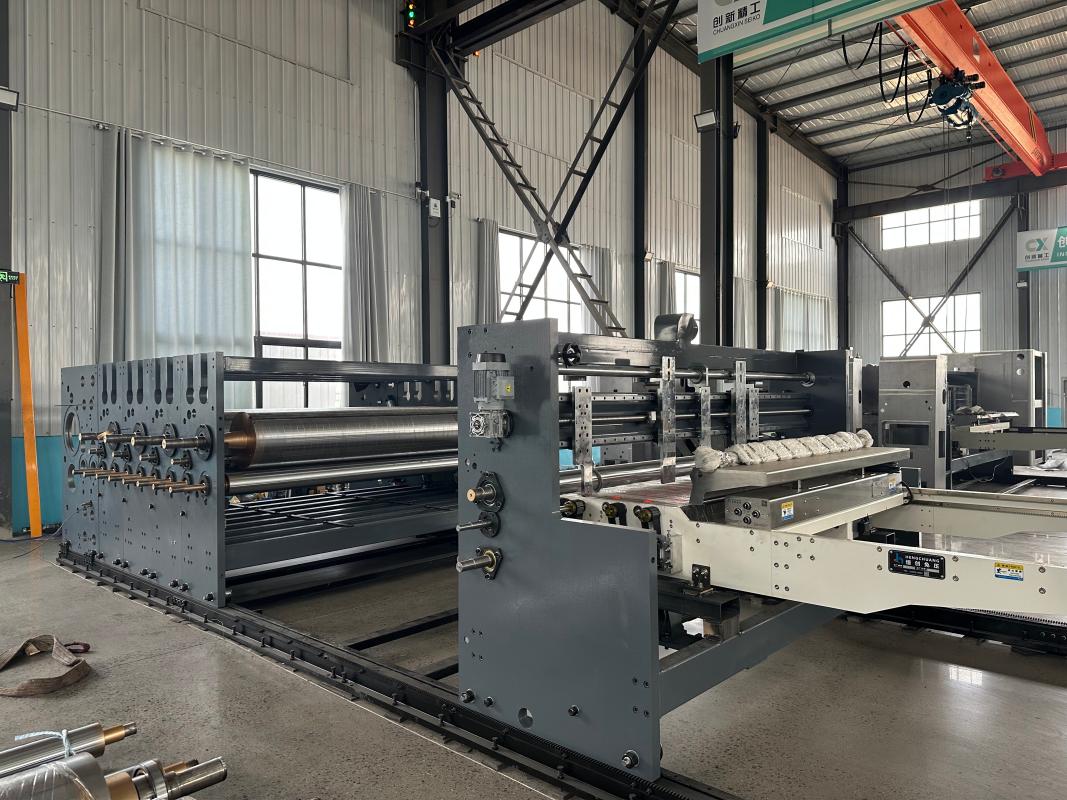
In high-speed auto-lock bottom forming, bond strength is not only about peak lab shear value; it is about how much functional strength you have within the first 0.3–2 seconds after compression. [rockyadhesives.en.made-in-china]
Converters and brand owners typically care about:
- Initial holding strength leaving the compression section
- Resistance to "pop-open" on the conveyor and in the case packer
- Long-term strength during palletization, shipping, and handling
Hot-melt glues tend to win on the first metric (instant strength), while optimized chemical-based glues can compete on long-term fiber tear performance if the carton can spend more time under compression. [rockyadhesives.en.made-in-china]
As line speeds increase and compression time per carton drops, bond performance diverges:
- Chemical-based glue
- Needs exposure time and pressure for water to migrate and bond to develop
- At very high speeds, insufficient drying can reduce early strength and increase open-flap defects
- Hot-melt glue
- Delivers high early bond strength thanks to fast solidification
- Better suited when mechanical dwell time is short and secondary operations follow immediately [rockyadhesives.en.made-in-china]
This is why many OEM carton packaging machine builders recommend hot melt for very high-speed auto-lock lines running coated or laminated board.
Below is a simplified view of typical bond performance on auto-lock bottoms at high speed, assuming correct adhesive selection and application parameters. [rockyadhesives.en.made-in-china]
| Scenario | Chemical-based gluing (cold glue) (rockyadhesives.en.made-in-china) | Hot-melt gluing (rockyadhesives.en.made-in-china) |
|---|---|---|
| Initial strength at line exit (milliseconds–2 s) | Medium–low | High |
| Strength on coated/varnished board | Variable; needs priming/roughness | High if adhesive matched |
| Fiber tear after full cure (24 h) | High potential | Medium–high |
| Sensitivity to short compression time | High | Low |
| Performance at >30,000 cph auto-lock forming | Challenging without extended dwell | Very strong |
In practical converting environments, most QC teams judge a high-quality auto-lock bond by whether it produces consistent fiber tear when opened by hand and resists corner "popping" under stacking and vibration. Hot-melt systems achieve this more consistently at very high machine speeds. [rockyadhesives.en.made-in-china]
The same adhesive behaves differently on:
- Uncoated kraft or recycled board
- High-gloss coated SBS
- Laminated or film-lined structures
Chemical-based glues rely heavily on surface energy and porosity. Highly coated or varnished surfaces can dramatically reduce wetting and penetration, resulting in lower bond strength or the need for special formulations. [rockyadhesives.en.made-in-china]
Hot-melt adhesives are generally more tolerant of low-porosity surfaces because they achieve a mechanical and thermoplastic lock as they cool. [rockyadhesives.en.made-in-china]
For global brand owners switching between local board suppliers, this tolerance is a major advantage when running multi-country campaigns on the same auto-lock bottom design.
Auto-lock bottom cartons introduce concentrated stresses at:
- Crash-lock flaps and locking tongues
- Intersection points where multiple layers of board fold and compress
- Corners that experience dynamic loads during case packing or filling
If the glue line sits close to a fold or crease, the adhesive must survive both shear and peel stresses. Hot-melt glues, with their higher initial cohesive strength, handle these dynamic stresses better in high-speed lines, particularly when the converting machine has shorter compression sections. [rockyadhesives.en.made-in-china]
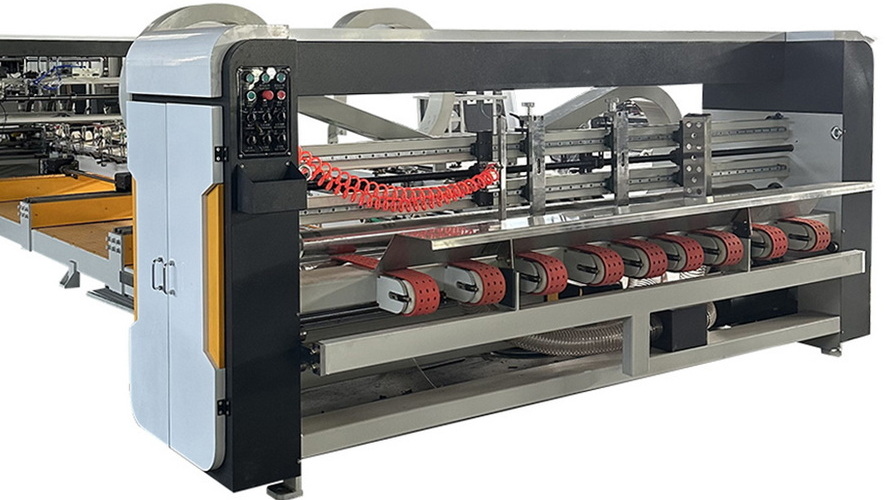
In the field, process engineers track several defect types:
- Open bottoms or partial lock
- Glue stringing and contamination
- Mis-registration between glue and flap
- Glue squeeze-out impacting brand artwork
Chemical-based gluing at high speed can exhibit more open-bottom and "weak corner" defects if compression time is insufficient for water to dissipate into the board. [rockyadhesives.en.made-in-china]
Hot-melt gluing, when correctly tuned, tends to reduce these specific defects, though it can introduce stringing if temperatures and nozzle settings are not optimized. [rockyadhesives.en.made-in-china]
Regardless of adhesive type, real-world bond performance depends on:
- Glue volume and bead width
- Nozzle position and timing
- Compression force and dwell time
- Machine cleanliness and maintenance
On a modern auto-lock bottom carton forming machine, we typically recommend:
1. Defining a target compression time matched to adhesive open time or set time
2. Monitoring bond strength and defect rates in real time with in-line inspection
3. Establishing standard operating windows for speed, temperature (for hot melt), and glue pressure
This process discipline often improves bond consistency more than simply changing adhesive brand.
At first glance, chemical-based glue usually has a lower per-kilogram price than hot-melt. [rockyadhesives.en.made-in-china]
However, on high-speed auto-lock bottom lines the relevant metric is cost per 1,000 saleable cartons, not cost per kilogram.
Factors that shift the cost equation:
- Reject and rework rate from open-bottom defects
- Unplanned downtime due to cleaning or glue system issues
- Energy consumption for heating (hot melt) vs drying and longer dwell (chemical-based)
In many high-speed applications, the lower defect rate and higher throughput of hot-melt gluing offset its higher unit price, especially for export or premium packaging where carton failure cost is high. [rockyadhesives.en.made-in-china]
Chemical-based glues are water-based and can be formulated with low volatile organic compounds, which supports more sustainable manufacturing narratives. [rockyadhesives.en.made-in-china]
Hot-melt adhesives avoid water but rely on thermoplastics; leading suppliers now provide food-contact compliant and repulpable formulations for folding cartons. [rockyadhesives.en.made-in-china]
From a safety standpoint, hot-melt systems introduce burn risk and require careful design of glue tanks, hoses, and nozzles to protect operators. [rockyadhesives.en.made-in-china]
Proper guarding and training are essential on any high-speed glue application unit, regardless of adhesive choice.
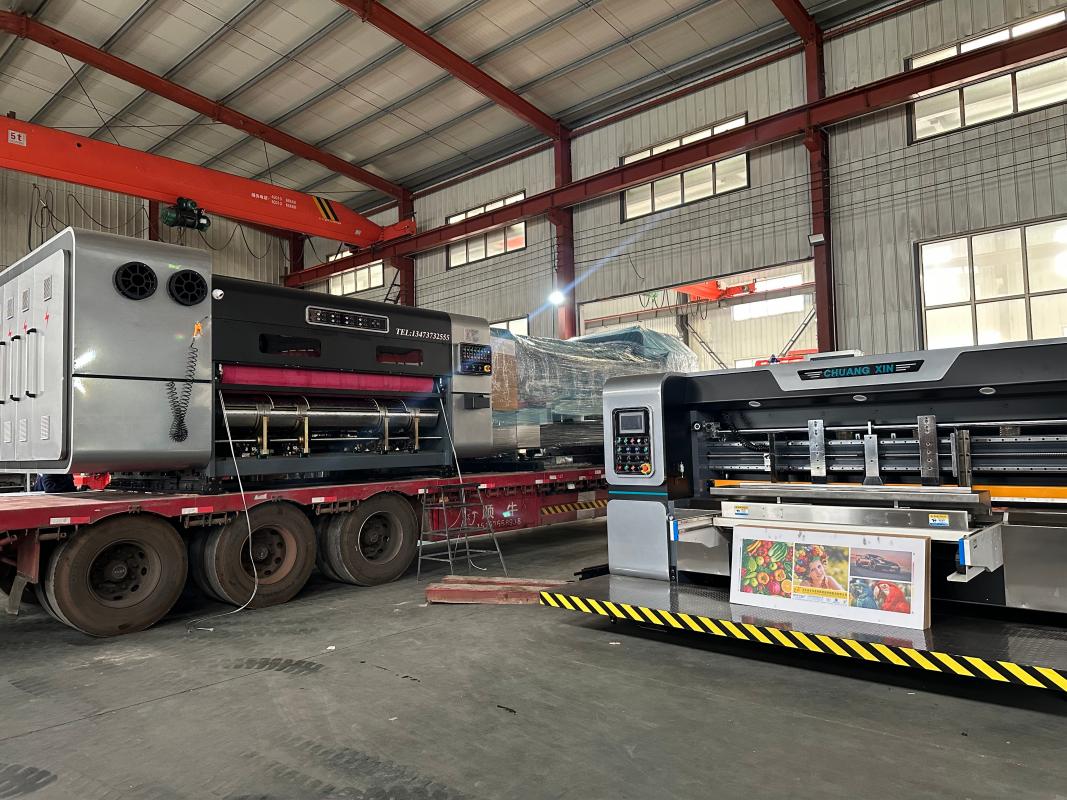
A typical scenario we see with export-focused carton plants:
- Original line: chemical-based gluing on auto-lock bottoms at ~18,000 cph
- New requirement: >30,000 cph for a global FMCG client, using coated board
- Initial problem: rising open-bottom defects and unstable bond strength after speed increase
By upgrading the carton forming machine to a design optimized for hot-melt application and shorter, well-controlled compression, the plant can:
- Achieve stable hot-melt gluing with strong early bond strength
- Reduce open-bottom defects to below their internal PPM target
- Run higher line speeds while maintaining consistent auto-lock performance [rockyadhesives.en.made-in-china]
This type of transition illustrates why many converters pair auto-lock bottom designs with hot-melt systems once they push into true high-speed territory.
Chemical-based gluing can still be a strong choice if:
- Line speeds are moderate, with generous compression sections
- Board is uncoated or lightly coated, with good porosity
- Sustainability messaging favors water-based adhesive systems
- Operational teams are familiar with cold glue maintenance routines
In these conditions, you can achieve excellent long-term bond strength and fiber tear, especially for standard straight-line or lower-speed auto-lock formats. [rockyadhesives.en.made-in-china]
Hot-melt gluing is usually the better fit when:
- You operate high-speed auto-lock bottom lines with short dwell time
- You run coated or multi-layer substrates that are harder to bond with water-based glue
- Brand owners require minimal defect rates for global export
- You need stable performance across multiple board suppliers and plants
For these use cases, hot-melt gluing provides the fast, reliable bond strength needed to unlock higher throughput on modern auto-lock bottom forming machines. [rockyadhesives.en.made-in-china]
As a specialist in carton packaging equipment and auto-lock bottom carton forming solutions, Hebei Ou Ye Carton Machinery can design glue application systems around your preferred adhesive strategy while keeping future upgrades in mind. [rockyadhesives.en.made-in-china]
For high-speed export lines, we typically recommend hot-melt-ready forming sections with controlled compression and easy changeovers, while still enabling integration with chemical-based gluing if required by local regulations or customer specifications. [rockyadhesives.en.made-in-china]
Our engineering team can:
- Analyze your current carton structures, board combinations, and defect history
- Simulate bond strength impact when switching from chemical-based to hot-melt gluing at target speeds
- Customize machine glue modules and control systems to stabilize bond performance on auto-lock bottoms
This OEM-level support allows converters and brand owners to move beyond adhesive debates and focus on total line performance and packaging integrity.
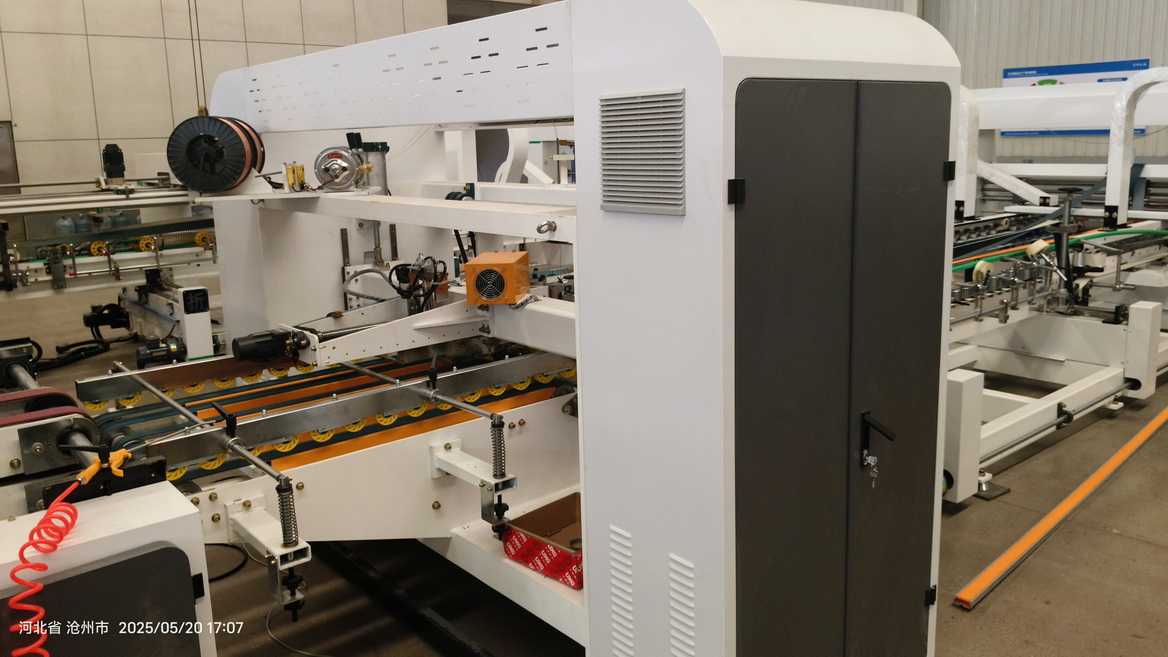
1. Can chemical-based glue ever match hot-melt bond strength on auto-lock bottoms?
In terms of instantaneous bond strength at very high speeds, hot melt has a structural advantage because it does not rely on water evaporation. [rockyadhesives.en.made-in-china]
With longer compression times and optimized glue selection, chemical-based systems can achieve excellent final fiber tear, but they are more sensitive to speed and substrate changes. [rockyadhesives.en.made-in-china]
2. Is hot-melt always more expensive to run?
Hot-melt adhesives are typically more expensive per kilogram, but total cost per 1,000 saleable cartons may be lower once you factor in reduced defects and higher throughput. [rockyadhesives.en.made-in-china]
Each plant should model adhesive cost, defect rate, and downtime together when making the decision.
3. What if my board supplier changes frequently?
Frequent substrate changes increase the risk of bond variability, especially for chemical-based glues that depend heavily on porosity and surface energy. [rockyadhesives.en.made-in-china]
Hot-melt systems are usually more forgiving across different coated and laminated boards, which is helpful for multi-sourcing. [rockyadhesives.en.made-in-china]
4. Do I need a completely new machine to switch to hot-melt gluing?
Not always. Some existing carton forming machines can be retrofitted with hot-melt units and upgraded compression sections. [rockyadhesives.en.made-in-china]
However, for very high-speed auto-lock production, a machine purpose-built for hot-melt application and short dwell times often delivers more stable results. [rockyadhesives.en.made-in-china]
5. How should I start evaluating my ideal gluing system?
Begin by documenting your current defect rate, typical board structures, machine speed, and export requirements. [rockyadhesives.en.made-in-china]
Then work with your OEM and adhesive partners to run controlled trials comparing chemical-based and hot-melt gluing on your actual auto-lock designs. [rockyadhesives.en.made-in-china]
1. Henkel AG & Co. KGaA. (2023). Adhesive solutions for folding carton and case sealing. Retrieved from [https://www.henkel-adhesives.com] [enago]
2. H.B. Fuller Company. (2022). Hot melt adhesives for high-speed packaging lines. Retrieved from [https://www.hbfuller.com] [enago]
3. Bostik SA. (2022). Cold glue vs hot melt: Selecting the right adhesive for packaging. Retrieved from [https://www.bostik.com] [enago]
4. Nordson Corporation. (2021). Optimizing hot melt application in carton and case packaging equipment. Retrieved from [https://www.nordson.com] [enago]
5. Packaging Europe. (2021). Adhesive innovations for sustainable folding cartons. Retrieved from [https://www.packagingeurope.com] [enago]
6. Smithers. (2020). The future of folding carton packaging to 2024. Retrieved from [https://www.smithers.com] [enago]
7. TAPPI (Technical Association of the Pulp and Paper Industry). (2019). Guidelines for testing adhesive bond strength on paper and paperboard. Retrieved from [https://www.tappi.org] [enago]
8. Rock Adhesives. (2024). Strong adhesion hot melt adhesive glue for carton paper and box sealing – Technical data sheet. Retrieved from [https://rockyadhesives.en.made-in-china.com] [rockyadhesives.en.made-in-china]
9. Afera – The European Adhesive Tape Association. (2020). Fundamentals of adhesion and surface energy in paper and board applications. Retrieved from [https://www.afera.com] [enago]
10. European Federation of Corrugated Board Manufacturers (FEFCO). (2019). Best practice for gluing and bonding in corrugated and carton packaging. Retrieved from [https://www.fefco.org] [enago]


