
Views: 222 Author: Ouye Carton Machinery Publish Time: 2026-05-28 Origin: Site


Content Menu
● Core SEO focus and target keywords
● What is a carton packaging cutting machine?
● Main materials a cutting machine can cut
>> Metals
>> Plastics
>> Textiles and flexible materials
>> Rubber and composite materials
● Focus: paperboard, corrugated board, and packaging‑grade materials
>> Common packaging paper and board grades
>> How material choice impacts cutting quality
● Types of cutting machines and best‑fit materials
>> Cutting technology vs. material suitability
● How to match your materials with the right cutting machine
>> Step‑by‑step selection checklist
● Real‑world use cases from the packaging industry
>> 1. E‑commerce fulfillment warehouses
>> 2. Premium cosmetics and personal care brands
>> 3. Automotive and industrial component packaging
● OEM carton packaging cutting machines from Hebei Ou Ye
● Key selection factors buyers often overlook
>> 1. Material data documentation
>> 2. Quality control expectations
>> 3. Integration with upstream and downstream equipment
● Safety, sustainability, and cost considerations
>> Safety
● Call to action: discuss your materials and packaging line
● FAQs about cutting machines and carton packaging
As a manufacturer of carton packaging equipment, I work every day with buyers who need cutting machines that can handle not only paperboard and corrugated board, but also plastics, composites, and even textiles for multi‑material packaging lines. In this guide, I will walk you through what materials modern cutting machines can process, how that affects your packaging quality and cost, and how to choose the right solution for your factory. [pulpandpaper-technology]

From a search and buyer‑intent perspective, this article targets:
- Primary keyword: carton packaging cutting machine
- Secondary keywords:
- cardboard cutting machine
- paper cutting machine for packaging
- industrial cutting machine materials
- what materials can a cutting machine cut
- corrugated carton cutting machine OEM
These keywords are integrated naturally in headings and body text so Google can clearly understand the topic while keeping the article easy to read for packaging engineers and purchasing managers. [desygner]
In the context of carton packaging equipment, a cutting machine is designed to trim, slit, slot, or die‑cut paperboard and corrugated board into precise shapes for boxes, inserts, and display packaging. Compared with general industrial cutting machines used for metal or textiles, carton cutting machines focus on sheet‑fed or roll‑fed paper materials, high repeatability, and integration with upstream printing and downstream folding–gluing systems. [dongshengcartonmachine]
Modern carton cutting machines may use mechanical die cutting, rotary slotting, CNC knives, or laser systems, depending on the production volume and level of customization required. In many factories, they sit as a core part of a corrugated carton production line, working alongside flexo printers, slitter‑scorers, and folder‑gluers. [pulpandpaper-technology]
Cutting machines can process a wide range of materials, but for packaging manufacturers the most critical categories are metals, plastics, wood‑based panels, textiles, glass/stone/ceramics, and rubber/composites. Below is a structured overview based on the original Dongsheng article, enhanced with practical factory perspective. [pulpandpaper-technology]
Industrial laser, water jet, plasma, and CNC cutting machines can handle many metals used for machine parts, packaging tooling, or metal components inside premium packaging. [pulpandpaper-technology]
- Steel (including stainless and carbon steel) – Used for machine frames, die‑cutting tools, and occasionally metal packaging parts; laser and plasma cutters are preferred for speed and accuracy. [pulpandpaper-technology]
- Aluminum – Common in lightweight components and fixtures, often cut by laser or water jet for clean edges and minimal distortion. [pulpandpaper-technology]
- Copper and brass – Used in electrical components or decorative packaging details; water jet and laser machines handle these effectively.
For carton equipment buyers, these metals are usually part of the machine itself rather than the packaging substrate, but understanding metal‑cutting capability matters when you order customized tooling, frames, or OEM‑branded parts. [pulpandpaper-technology]
Plastics appear in windows, inner trays, blister packs, and protective inserts in packaging. Cutting machines can handle: [pulpandpaper-technology]
- Acrylic (PMMA) – Common for transparent displays and signage; laser cutting gives a polished edge which is ideal for high‑end retail packaging displays.
- Polycarbonate – Used in durable housings and protective covers; laser cutting offers precise contours.
- PVC – Applied in signage, labels, and some protective sleeves; cut with CNC routers or lasers depending on thickness.
For packaging factories, it is increasingly common to run paperboard plus plastic films in the same facility, so verifying whether your carton cutting machine can work with thin plastics or laminated substrates is important during equipment selection. [pulpandpaper-technology]
Although the final packaging is usually board, wood and wood‑based panels are crucial for tooling, pallets, and specialty displays.
- Solid wood – CNC routers cut components for fixtures, POS displays, and die‑boards.
- Plywood and MDF – Extensively used for die‑boards and display structures, cut by CNC routers or lasers for complex shapes. [pulpandpaper-technology]
From an OEM factory standpoint, being able to cut MDF and plywood in‑house allows faster die‑making and sample development for new carton designs.
In e‑commerce and protective packaging, brands increasingly use textiles, felt, and non‑wovens as cushioning or premium in‑box materials. Cutting machines—especially CNC fabric cutters and lasers—can process: [pulpandpaper-technology]
- Cotton and polyester for dust bags, inner linings, and wraps.
- Leather for premium packaging straps or cases.
- Nylon and other technical fabrics used in reusable packaging or protective sleeves.
If your packaging line includes value‑added inserts (bags, pouches, textile wraps), integrating or partnering with textile cutting capacity can shorten lead times for boxed sets. [pulpandpaper-technology]
These materials are less common in packaging itself, but more common in homeware, cosmetics, and premium gift products that sit inside the carton. Water jet cutting machines are used for: [pulpandpaper-technology]
- Glass – Windows, panels, and product components with clean, non‑heat‑affected edges.
- Stone and granite – Countertops and architectural elements; relevant if you supply packaging to construction or interior brands that also own fabrication shops.
- Ceramics – Household items and components that require delicate, chip‑free cutting.
For packaging machinery buyers, knowing your machine supplier understands how these materials are cut helps when designing custom inserts and protective packaging for fragile items.
Rubber and composites appear both in industrial parts and in some high‑performance packaging applications.
- Rubber – Gaskets, anti‑slip pads, seals; cut by laser or water jet.
- Composites (e.g., carbon or glass fiber in resin) – Used for lightweight yet strong parts in automotive and aerospace packaging or handling systems. [pulpandpaper-technology]
In a carton plant, rubber is also important for anvil covers and feeding components in rotary die cutters and slotters; precise cutting ensures consistent pressure and longer service life.
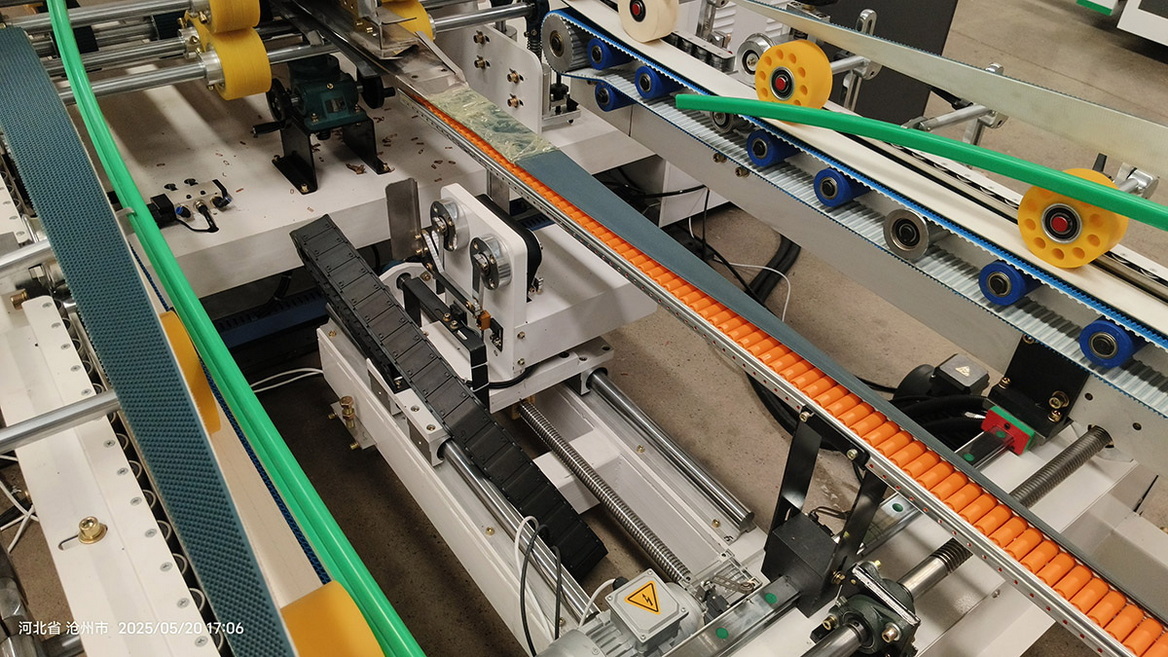
For carton packaging manufacturers, the most critical materials are paper‑based. Although the original article touches broadly on metals, plastics, and textiles, it does not go deep on the specific grades of paper and board that matter on a packaging line.
Industrial carton cutting machines typically handle:
- Corrugated board – Single wall, double wall, and heavy‑duty triple wall used for shipping cartons and e‑commerce boxes.
- Folding boxboard (FBB) – For retail cartons in food, cosmetics, and pharmaceuticals.
- Coated white‑top liner – For high‑graphic corrugated packaging.
- Kraft liner and test liner – For brown shipping cartons and industrial packaging.
These materials differ in caliper (thickness), burst strength, and stiffness, all of which influence cutting force, die design, and line speed. [pulpandpaper-technology]
From a process engineering perspective:
- Heavier corrugated board requires stronger pressure and robust die‑cutting tools to avoid uncut flaps or crushed edges.
- High‑coated and laminated boards need precise pressure control to prevent cracking of the coating at the crease line.
- Recycled‑content boards can be more variable in density, so stable feeding and consistent cutting pressure are essential to keep scrap rates low.
When we configure a carton packaging cutting machine for a client, we always start by reviewing their detailed material specification: flute types, GSM, board suppliers, and typical product sizes. This is the foundation for choosing the right cutting technology and tooling.
Different cutting technologies excel with different materials. The source article lists laser, water jet, plasma, and CNC cutting machines but does not connect them clearly to real packaging use cases. The table below offers a practical view for buyers.
| Cutting technology | Best for materials (packaging context) | Key advantages | Key limitations |
|---|---|---|---|
| Rotary die cutting | Corrugated board, high‑volume cartons | Very high speed, ideal for large runs | Less flexible for frequent design changes |
| Flatbed die cutting | Corrugated and solid board, complex shapes | Excellent accuracy, good for multi‑up layouts | Slower than rotary at very high volumes |
| Laser cutting | Paperboard prototypes, acrylic, thin plastics | No physical tooling, perfect for short runs and samples | Slower for thick corrugated, higher CAPEX |
| CNC knife cutting | Cartons, foam, textiles, rubber gaskets | Versatile, good for sampling and customized inserts | Not as fast as rotary for mass production |
| Water jet cutting | Metals, composites, glass, stone | No heat‑affected zone, very clean edges | High operating cost, over‑spec for pure carton use |
| Plasma cutting | Thick metals for frames and tooling | Economical for structural parts | Not suitable for paper‑based packaging |
For a carton packaging OEM line, rotary and flatbed die cutters typically do the heavy lifting, while CNC or laser systems support sampling, small batches, or specialty materials. [pulpandpaper-technology]
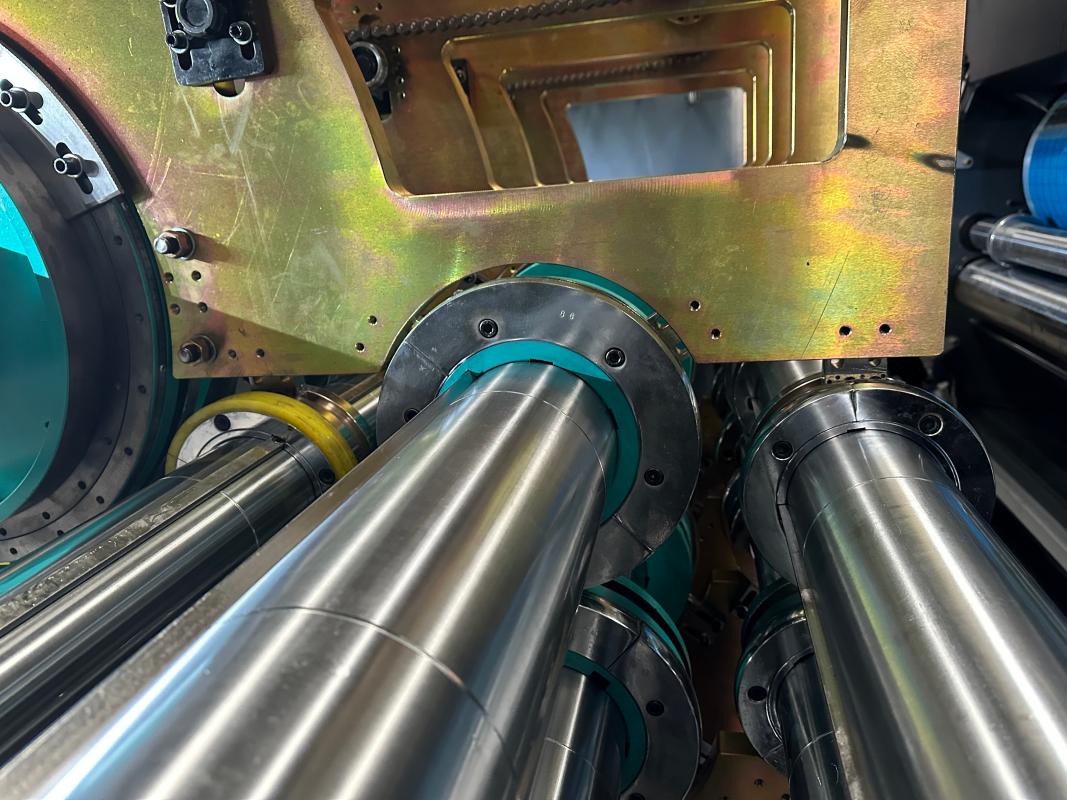
Over the last years working with overseas brand owners and wholesalers, I've seen many buyers underestimate how strongly material variety impacts machine choice and long‑term operating cost.
1. List all materials you cut today and plan to cut in 3–5 years.
Include all board grades, any laminated or plastic‑coated boards, foam inserts, textiles, or rubber parts.
2. Map each material to the most efficient cutting technology.
- High‑volume shipping cartons → rotary die cutting.
- Mixed sizes and frequent design changes → flatbed die cutting.
- Short‑run custom packaging, samples, and displays → laser or CNC knife.
3. Define your required accuracy and edge quality.
Premium cosmetic or electronics packaging requires tighter tolerances and cleaner edges than simple shipping cartons.
4. Calculate realistic production volumes.
Buyers often over‑specify for peak demand instead of average load, which leads to unnecessary cost.
5. Check machine compatibility with your heaviest and most fragile materials.
Always test‑cut your thickest corrugated board and your most delicate coated board before finalizing the purchase.
6. Ask for OEM customization options.
For brand owners and distributors, an OEM carton packaging cutting machine with your logo, control interface language, and local safety standards simplifies resale and servicing.
While the original article explains materials in a generic way, buyers benefit more from concrete industry use cases. Here are three typical scenarios we see with overseas customers:
These facilities mainly handle single‑wall and double‑wall corrugated cartons in a wide range of sizes.
- Priority: line speed, automated changeovers, and integration with printing and strapping.
- Recommended: high‑efficiency rotary die cutting and slotting machines with quick‑set capability.
These customers run high‑graphic folding cartons, often with embossing, foil, and window film.
- Priority: cutting and creasing accuracy, protection of coatings, and fast prototype turnaround.
- Recommended: flatbed die cutters for production, plus a CNC or laser sample cutter in the design studio.
Here, cartons must protect heavy or oily parts, sometimes with foam or rubber inserts and composite supports.
- Priority: strong corrugated board, durable inserts, and reliable cutting of non‑paper materials.
- Recommended: robust carton die cutting machines plus CNC knife systems for foam and rubber gaskets.
These scenarios illustrate how material choices directly shape the cutting solution you should invest in.
As a China‑based manufacturer of carton packaging equipment, we focus on OEM and ODM services for global brand owners, wholesalers, and production plants. Located in Hebei's carton machinery industrial cluster, we design and build: [cxcartonmachinery]
- Carton box production lines (including slitter‑scorers, slotters, and stackers)
- Die cutting machines for corrugated and paperboard
- Flexo printing machines, gluing and nailing machines, and related equipment [dongshengcartonmachine]
For overseas partners, OEM cooperation typically includes:
- Customized machine colors, logos, and panels to match your local brand.
- Localized documentation and user interface (English, Spanish, etc.).
- Adaptation to local standards (voltage, safety guards, compliance requirements).
This OEM approach lets you offer a full line of carton packaging cutting machines under your own brand, with our factory providing design, manufacturing, and technical support. [carton-machine]
In user conversations and project reviews, we consistently see a few critical factors that are underestimated. Addressing them early helps you avoid downtime and costly retrofits.
Many factories buy machines based on box size and speed only, without supplying detailed material data. To optimize cutting performance you should document:
- Typical board combinations (e.g., B‑flute 3‑ply, BC‑flute 5‑ply)
- Grammage (GSM) and suppliers
- Percentage of recycled content
- Surface treatments (coatings, laminations)
With this information, your OEM machine partner can fine‑tune pressure, anvil hardness, feeding system design, and die specifications before production.
Define, in measurable terms:
- Maximum acceptable waste percentage
- Tolerances for panel size, slot position, and crease depth
- Edge quality standards (e.g., no visible fiber pulling on printed surfaces)
Clear standards allow your machine supplier to design for the right combination of cutting precision and economic tooling.
A cutting machine rarely works alone. For best ROI, consider:
- Sheet infeed compatibility with your printing machine and slitter‑scorer.
- Stacker and bundler capacity required downstream.
- Availability of space for future automation (palletizers, AGVs).
Thinking in terms of complete carton packaging lines—rather than a single machine—helps you reduce bottlenecks and labor cost.
In modern factories, buyers are not only asking *"what materials can this machine cut?"* but also *"how safely and sustainably can it cut them?"*
- Ensure guards, emergency stops, and interlocks comply with your local regulations.
- Train operators on safe handling of sharp tools, rotating parts, and high‑pressure systems.
For laser and plasma systems, special attention must be given to fume extraction and eye protection.
Many brand owners now specify FSC‑certified or recycled board, and expect the equipment to handle it efficiently. While recycled boards can be more variable, proper anvil selection, creasing design, and process settings keep waste under control.
Furthermore, precise cutting reduces over‑packaging, lowering both board consumption and freight emissions.
Beyond initial price, consider:
- Tooling life and cost (dies, anvils, blades).
- Energy consumption and air requirements.
- Availability and price of spare parts in your region.
An experienced OEM partner should provide detailed lifecycle cost estimates, not just machine quotations.
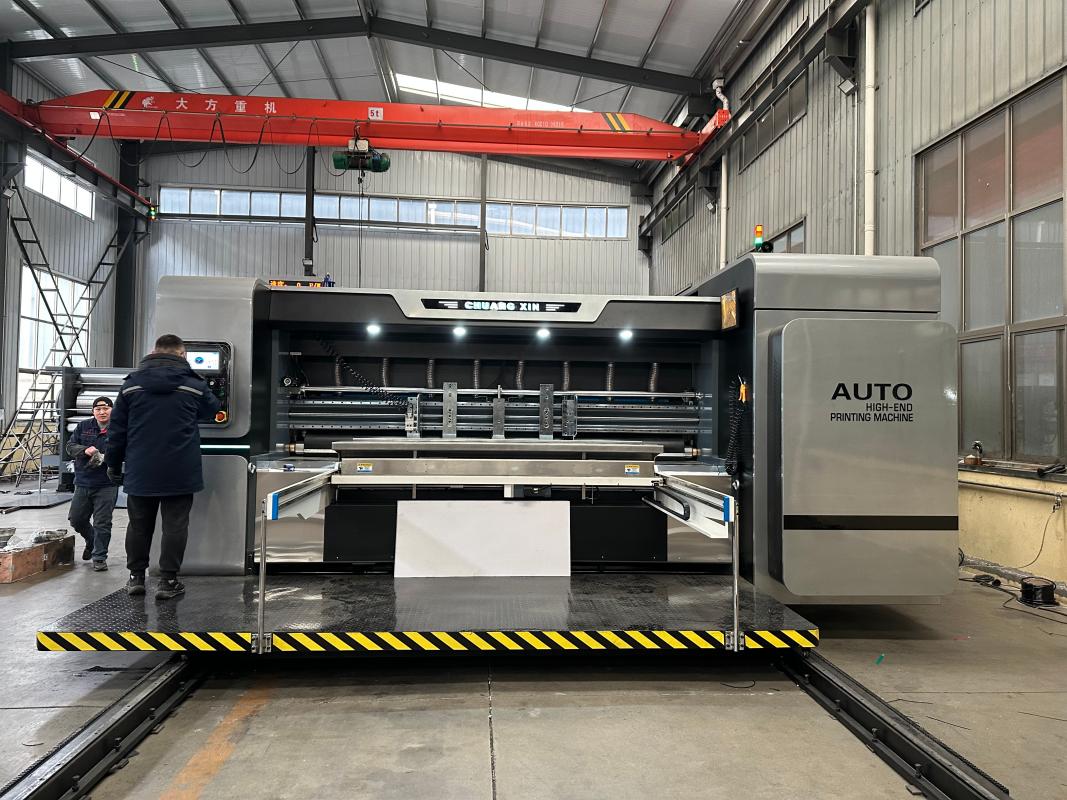
If you are planning a new carton packaging cutting machine or upgrading an existing line, the most effective first step is a detailed material and product review.
Share with us:
- Your current and planned board grades and packaging styles.
- Typical order sizes and SKU counts.
- Regional standards and OEM branding requirements.
Based on this, our engineering team in Hebei can propose a tailored cutting solution, recommend matching machines (printing, slotting, folding, gluing), and configure OEM options to support your local brand and after‑sales strategy.
1. Can one cutting machine handle both corrugated board and plastic film?
Many carton cutting machines can handle corrugated board and thin plastic films or laminated boards, but performance depends on cutter design, tool type, and tension control, so testing your exact materials is essential.
2. What is the best cutting technology for e‑commerce shipping cartons?
For high‑volume e‑commerce corrugated cartons, rotary die cutting combined with efficient slotting and stacking is usually the best choice due to its speed and durability.
3. How do I know if my board is too thick for a given cutting machine?
Check the maximum caliper and flute combinations in the machine specification, then send sample sheets to the manufacturer for test runs to verify cutting and creasing quality.
4. Do I need a laser cutter for carton packaging?
Laser cutters are excellent for prototypes and very short runs with complex shapes, but for most mass‑production corrugated cartons, rotary or flatbed die cutters are more cost‑effective.
5. What information should I send to an OEM supplier when inquiring about a carton cutting line?
Provide board types and GSM, typical box dimensions, daily or monthly output targets, space layout, and any special materials such as laminated boards, foam, or rubber inserts.
1. Dongsheng Carton Machine – "What materials can the cutting machine cut?" (2025).
https://www.dongshengcartonmachine.com/news/what-materials-can-the-cutting-machine-cut.html
2. Dongsheng Carton Machine – Product categories and company profile.
https://www.dongshengcartonmachine.com [dongshengcartonmachine]
3. Pulp and Paper Technology – "Industrial Paper Cutting Machines & Finishing Tools Guide."
https://www.pulpandpaper-technology.com/articles/industrial-paper-cutting-machines-and-finishing-tools [pulpandpaper-technology]
4. Scube Marketing – SEO for print and packaging industries.
https://www.scubemarketing.com/industries/print-branding-packaging [scubemarketing]
5. Hebei Dongguang County ChuangXin / Hebei carton machinery cluster information.
https://www.cxcartonmachinery.com/Contact-Us.html [cxcartonmachinery]
6. Best cardboard cutting machine reviews and buying considerations.
https://www.czxypack.com/blog/best-cardboard-cutting-machine-reviews-buying-guide-2026/ [czxypack]


