
Views: 222 Author: Ouye Carton Machinery Publish Time: 2026-05-24 Origin: Site


Content Menu
● Why understanding packaging machine classification matters
● Core principles of packaging machine classification
● Vertical packaging machines (VFFS and variants)
>> How vertical packaging machines work
>> Key subtypes under vertical packaging
● Horizontal / cross‑flow packaging machines
>> How horizontal flow packaging works
>> Premade bag packaging machines
● Carton packaging machines (cartoners)
>> What a cartoning machine does
>> Types of carton packaging machines
● Tea, coffee, and specialized pouch‑type machines
>> Tea and coffee packing machines
● How to choose the right packaging machine for carton packaging
>> 4. Automation level and budget
● How carton packaging machines integrate into real packaging lines
>> Typical carton packaging line segments
● Practical tips for buyers sourcing carton packaging equipment from China
● When to work with an OEM versus a trader
● Optimized action call (OEM‑style CTA)
● FAQ: Packaging Machine Classification (Carton‑Focused)
If you run a carton packaging equipment factory or source carton packaging machines for your brand, one of the first questions you'll ask is: "Which type of packaging machine actually fits my line?" [foshansoontrue]
In this guide, I'll break down packaging machine classification from the perspective of an industry‑experienced carton machinery designer (Hebei Ou Ye Carton Machinery Co., Ltd.), so you can match the right machine type to your product, volume, and line layout—not just follow generic vendor lists. [czxypack]

Packaging machinery does much more than put boxes together. It directly affects throughput, labor cost, packaging style, and even your ability to ship internationally. [afasystemsinc]
By classifying packaging machines correctly, you can:
- Reduce downtime by choosing the right automation level (semi‑automatic vs fully automatic).
- Optimize space in your factory by matching machine footprint to your line layout.
- Improve brand presentation by selecting the right carton style (e.g., auto‑erect cartons, box tuck‑in styles, or printed cartons). [zonesuntech]
Modern packaging machines are usually grouped by function, motion direction, and automation level rather than just by brand or price. [pallasmt]
From a carton machinery OEM's perspective, we normally classify packaging machines along three dimensions:
1. By function
- Forming machines
- Filling machines
‑ Sealing/closing machines
- Cartoning machines
- Wrapping/strapping machines [soontruemachinery]
2. By motion direction and layout
- Vertical packaging machines (e.g., VFFS)
- Horizontal / cross‑flow packaging machines
- Cartoners (horizontal vs vertical cartoners) [foshansoontrue]
3. By automation level
- Manual
- Semi‑automatic
- Fully automatic / inline systems [impack]
These three axes help us design carton packaging equipment that fits your real production reality, not just what looks good on a brochure. [czxypack]
Vertical packaging machines—often called vertical form‑fill‑seal (VFFS) systems—are among the most common workhorses for powder, granules, liquids, and small snacks. [pallasmt]
1. A roll of film is unwound and formed into a tube.
2. The product is filled vertically into the tube.
3. The tube is sealed and cut into individual pouches. [foshansoontrue]
Speeds can reach up to 100 bags per minute or more, which is ideal for high‑volume food and chemical products. [pallasmt]
- Single‑lane vertical packaging machine
Best for medium‑volume food and pharmaceutical products like milk powder, oatmeal, sugar, and condiments. [soontruemachinery]
- Multi‑column vertical packaging machine
Produces multiple small pouches in parallel, drastically increasing capacity while saving floor space. [foshansoontrue]
- Multi‑head weigher vertical packaging machine
Integrates multi‑head weighers for precise portion control of powders and granules, commonly used in coffee, snacks, and dried foods. [pallasmt]
If your line runs powders, small snacks, or liquid sticks, vertical packaging machines are often the first place to start. [foshansoontrue]
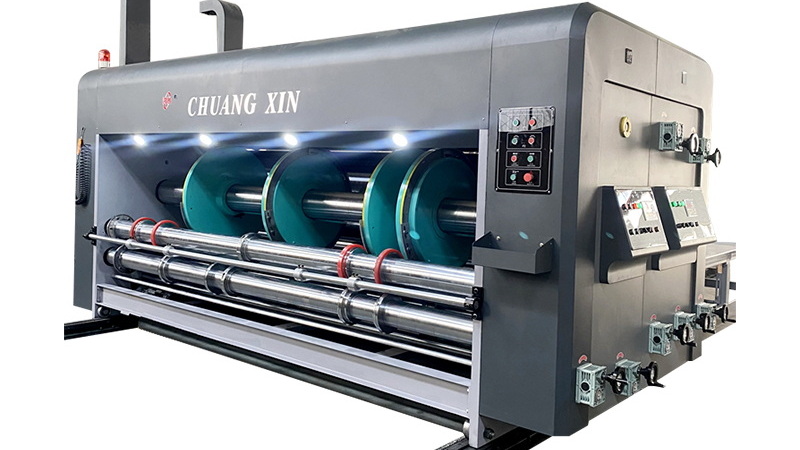
Horizontal or cross‑flow packaging machines are ideal for solid, stable products like candies, chocolate bars, cards, and small boxes. [pallasmt]
1. Products travel on a horizontal conveyor into the forming area.
2. Film is wrapped around the product and formed into a sleeve.
3. The sleeve is heat‑sealed and cut into individual packs. [foshansoontrue]
Because the machine keeps the product moving horizontally, it's excellent for fast, continuous lines with minimal manual handling. [afasystemsinc]
Premade bag packers are a subset of horizontal packaging machines. They handle pre‑formed bags like stand‑up pouches, gusset bags, and zip‑lock bags. [soontruemachinery]
Key advantages:
- Better branding (more design space on the bag).
- Flexible pouch shapes (lap‑seal, quad‑seal, spout pouches, etc.).
- High speeds when combined with feeding and conveyor systems. [pallasmt]
If your focus is premium pouch packaging rather than cartons, this is the right category. [cartomac]
As a carton packaging equipment manufacturer, this is where our core expertise lies: carton packaging machines that form, load, and seal corrugated or folding cartons. [czxypack]
A cartoning machine typically performs three main operations:
1. Carton forming – flat carton blanks are erected into boxes.
2. Product loading – products are placed into the carton (horizontally or vertically).
3. Carton sealing – the box is closed with tape, glue, or tuck‑in flaps. [en.wikipedia]
These machines are widely used for bottles, jars, pouches, and consumer goods that need secondary carton packaging. [cartomac]
| Type | Best for | Typical orientation |
|---|---|---|
| Horizontal cartoners | Light to medium‑weight products, bottles | Product loaded horizontally |
| Vertical cartoners | Heavier products, stacked pouches, bricks | Product loaded vertically |
| Semi‑automatic cartoners | Lower volumes, multiple SKUs, small factories | Manual carton loading |
| Fully automatic cartoners | High‑volume lines, bottling plants, factories | Fully inline, minimal manual input |
(https://www.soontruemachinery.com/article/different-types-of-cartoning-machines.html)
A horizontal cartoner is usually easier to integrate into existing lines, while a vertical cartoner is better for compact, high‑density packaging. [impack]
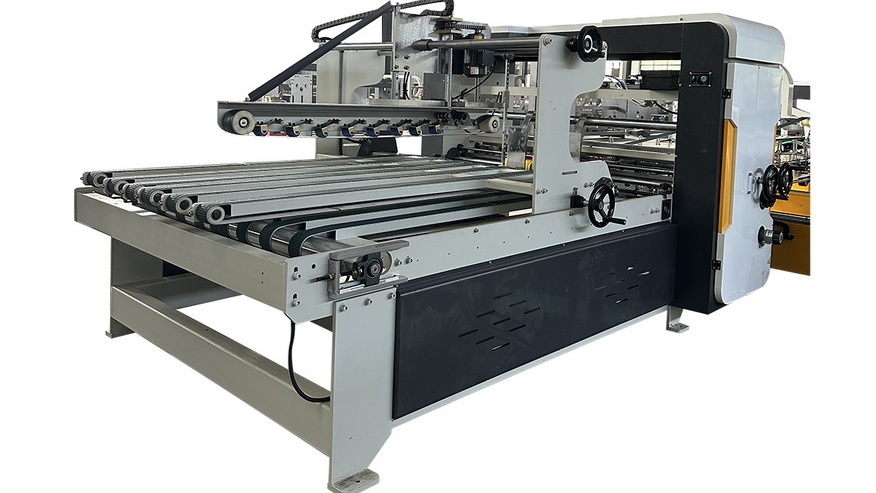
Beyond standard VFFS and cartoners, there are specialized packaging machines for products like tea and coffee. [foshansoontrue]
These machines are designed for small‑format pouches and tea bags, where product delicacy and brand image matter. [pallasmt]
Common variants:
- Drip coffee bag packing machine – for single‑serve pour‑over coffee bags.
- Pyramid teabag packaging machine – for triangle or pyramid‑shape tea bags.
- Filter bag tea packaging machine – for small herbal or tea filter bags with outer pouches. [foshansoontrue]
If you are packaging coffee, tea, or herbal products, investing in a dedicated tea/coffee packing machine often beats forcing a generic VFFS to handle delicate leaves or powders. [pallasmt]
As a carton packaging equipment OEM, we help overseas brands and wholesalers choose machines based on four practical criteria. [czxypack]
- Powders and granules → vertical packaging machines with multi‑head weighers.
- Liquid sticks → multi‑lane vertical stick‑pack machines.
- Bottles and small cartons → horizontal cartoning machines.
- Heavy or stacked products → vertical cartoning machines. [en.wikipedia]
| Volume level | Recommended machine type |
|---|---|
| Low volume, many SKUs | Semi‑automatic cartoners or VFFS |
| Medium volume | Automatic cartoners or multi‑lane VFFS |
| High volume | Fully automatic inline carton lines |
- Long, straight lines are ideal for horizontal cartoners and flow‑wrap machines.
- Compact, vertical‑oriented factories often benefit from vertical cartoners and multi‑lane vertical machines. [weldmaster]
- Semi‑automatic machines reduce investment risk and are great for startups and small factories.
- Fully automatic systems offer higher throughput but require careful integration planning. [impack]
Many guides stop at "types of machines," but in practice, how your carton packaging machine connects to upstream and downstream equipment is just as important. [en.wikipedia]
1. Upstream:
- Filling machines (for bottles, pouches, or jars).
- Check‑weighers or reject‑conveyors for quality control. [cartomac]
2. Cartoning station:
- Carton forming (flat blanks → boxes).
- Product loading (robots, pushers, or vibratory lanes).
- Sealing (tape, glue, or tuck‑in flaps). [soontruemachinery]
3. Downstream:
- Labeling and coding machines.
- Strapping or shrink‑wrapping for pallet‑ready cartons. [en.wikipedia]
When you design a carton packaging line, it's smarter to think in modules than in single machines. This makes upgrades, line changes, and SKU‑switching much easier over time. [cartomac]
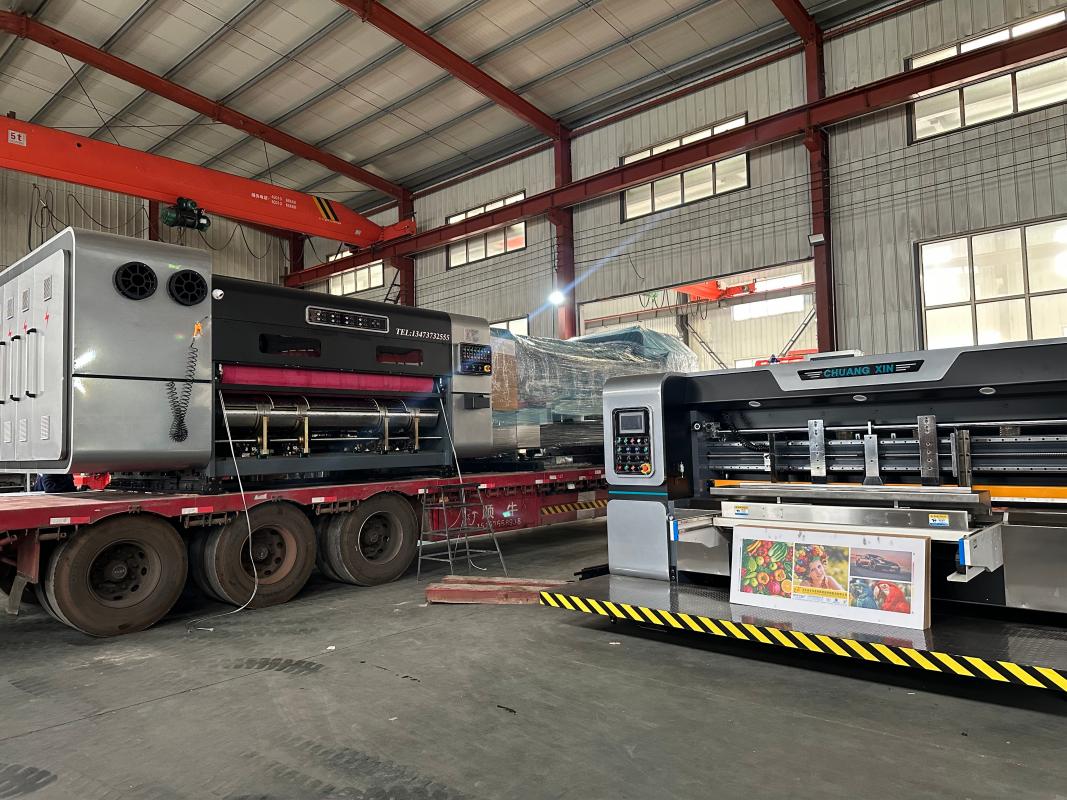
As a Chinese carton packaging machine OEM, here are five reality‑check tips for international brands and wholesalers:
1. Ask for video‑based validation
- Request live‑line videos of your exact product being packed, not generic demo‑videos. [czxypack]
2. Clarify carton size ranges upfront
- Define minimum and maximum carton dimensions early so the OEM can select the right cartoner model. [zonesuntech]
3. Confirm spare parts and service
- Ask about local dealers or service partners in your country and typical lead times for critical parts. [impack]
4. Test change‑over time
- Change‑over between SKUs is a major bottleneck; ask how long it takes to swap product sizes and formats. [soontruemachinery]
5. Prioritize safety and ease of maintenance
- Look for standard safety guards, clear access points, and good documentation—not just big specs. [en.wikipedia]
These checkpoints turn a nice‑looking machine into a reliable asset on your floor. [czxypack]
One of the most common questions we get from overseas buyers is:
*"Should I buy from a Chinese OEM like you, or from a trading company?"*
From an industry‑expert perspective, here are the main differences:
- OEM manufacturers (like Hebei Ou Ye)
- Design and assemble carton packaging equipment in‑house.
- Offer customization, technical support, and deeper understanding of machine tolerances and integration. [soontruemachinery]
- Trading companies
- Focus on price and logistics.
- May not control engineering or after‑sales support directly. [chlbgroup]
If your project is custom, high‑volume, or complex, an OEM is usually the safer choice. For very small orders or simple standard machines, a trader can still work. [chlbgroup]
If you are an international brand, wholesaler, or production factory looking for carton packaging machinery or OEM packaging machine solutions, here's what you can do next:
- Send your product specs (dimensions, weight, packaging style) so we can recommend the right carton packaging machine type.
- Share your target output (units per hour) to understand whether you need semi‑automatic or fully automatic cartoners.
- Request a free line‑layout concept showing how your carton packaging machine integrates with filling, labeling, and palletizing equipment. [czxypack]
By starting with a clear classification‑based machine selection, you avoid costly mismatches and build a scalable, efficient carton packaging line from day one. [futuremarketinsights]
1. What is the difference between a cartoner and a vertical packaging machine?
A cartoner forms, loads, and seals rigid cartons (corrugated or folding), while a vertical packaging machine (VFFS) forms and seals flexible pouches from film. [en.wikipedia]
2. When should I choose a vertical cartoner instead of a horizontal one?
Use vertical cartoners for heavier or stacked products and when you have limited floor space; choose horizontal cartoners for lighter, bottle‑style products and easier integration with existing conveyors. [impack]
3. Are semi‑automatic cartoners worth it for small factories?
Yes; semi‑automatic cartoners reduce labor costs while keeping investment low, making them ideal for small factories with multiple SKUs or fluctuating volumes. [impack]
4. How do tea and coffee packing machines differ from standard VFFS machines?
Tea and coffee packing machines are optimized for delicate powders, leaves, and small‑format pouches, often with specialized feeding, sealing, and bag‑handling systems not found in generic VFFS. [foshansoontrue]
5. How often should I review my packaging machine classification when scaling up?
Review your packaging machine classification and layout every 2–3 years (or after a 30–50% increase in volume) to ensure your carton packaging equipment matches your current product mix and throughput. [weldmaster]
- Future Market Insights – Packaging Machinery Market Size & Trends 2026–2036
[https://www.futuremarketinsights.com/reports/packaging-machinery-market] [futuremarketinsights]
- Soontrue Machinery – Different Types of Cartoning Machines
[https://www.soontruemachinery.com/article/different-types-of-cartoning-machines.html] [soontruemachinery]
- Aligned – Main Types of Modern Packaging Machinery: A Comprehensive Guide for 2026
[https://www.aligned-tec.com/news/main-types-of-modern-packaging-machinery-a-comprehensive-guide-for-2026/] [aligned-tec]
- CartoMach – Categories of Packaging Machinery
[https://www.cartomac.com/categories] [cartomac]
- IMPACK – Semi‑Automatic vs Fully‑Automatic Packers
[https://impack.ca/learning-center/semi-automatic-vs-fully-automatic-packers-comparison] [impack]
- AOPACK – Packaging Machine Classification Guide (original article)
[https://www.aopackmachine.com/packaging-machine-classification-guide/] [siteimprove]


