
Views: 222 Author: Ouye Carton Machinery Publish Time: 2026-06-03 Origin: Site


Content Menu
● What Are Traditional Cardboard Boxes (RSC Cartons)?
● Key Differences: Die-Cut Boxes vs Traditional Cartons
>> Structural and Design Flexibility
>> Material Efficiency and Sustainability
>> Cost Structure and MOQ Considerations
>> At-a-Glance Comparison: Die-Cut vs Traditional Cartons
● How Die-Cut Boxes Are Manufactured
● When Should You Choose Die-Cut Boxes?
● Practical Design Tips from an Industry Perspective
● OEM Advantages When Sourcing From Chinese Carton Machinery Factories
● Call to Action: Talk to a Die-Cut Packaging Engineer
● FAQ: Die-Cut Boxes and Traditional Cartons
As someone who has spent years working with international brands on corrugated packaging projects, I can say that die-cut boxes are no longer a "premium-only" option—they are quickly becoming the default choice whenever brands want better protection, a cleaner unboxing experience, and more efficient use of material compared with standard RSC cartons. In this guide, I will walk you through what die-cut boxes are, how they differ from traditional cardboard boxes, where each style fits best, and what to consider when sourcing from OEM factories in China like Hebei Ou Ye Carton Machinery Co., Ltd. or Dongguang-based manufacturers. [altitudemarketing]
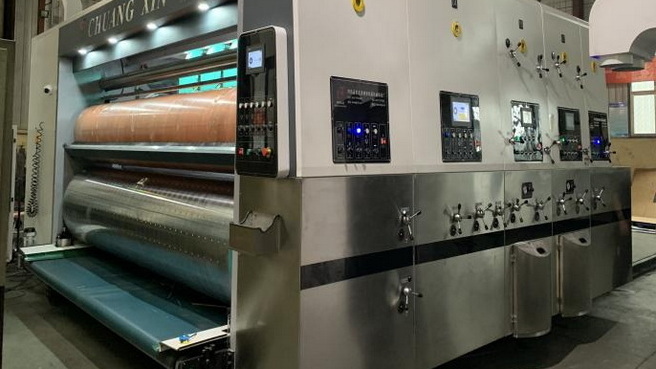
From an engineer's and buyer's perspective, die-cut boxes are packaging structures produced on a die-cutting machine using a steel cutting die that matches your product's exact size and shape. Instead of relying on a limited catalog of standard sizes, your packaging is designed around your product and your production line requirements, not the other way around. [pakfactory]
Die-cut boxes are usually made from corrugated cardboard or paperboard and are cut, creased, and sometimes perforated in a single pass, so every box comes off the line with consistent dimensions, slots, and locking features. This consistency is critical when you are running automated packing, taping, or strapping lines in high-volume operations. [macraes]
Typical applications include retail packaging, subscription boxes, e‑commerce shipping boxes, electronics, cosmetics, and value-added gift packaging where design and structural performance both matter. [midatlanticpackaging]
Traditional cartons—most commonly RSC (Regular Slotted Carton) boxes—are standardized corrugated boxes where all flaps meet in the middle when closed. They are designed for versatility and cost efficiency rather than custom fit or complex structures. [midatlanticpackaging]
These boxes are typically produced in bulk using standard dimensions; you then select the closest size that fits your product and fill any voids with cushioning material. For many bulk shipments and low-margin products, this is still the most economical approach. [midatlanticpackaging]
Traditional cartons are best suited for:
- Bulk shipping of uniform products
- Low-complexity SKUs with low individual value
- Situations where branding and unboxing are less critical
As a packaging buyer or production manager, you rarely choose based on terminology—you choose based on cost, performance, and branding goals. Below is a practical comparison based on actual project scenarios.
Die-cut boxes offer far greater structural freedom than standard RSC cartons. With die-cutting, you can integrate features like tuck-in flaps, self-locking bottoms, tear strips, viewing windows, or internal partitions directly into the design. [altitudemarketing]
Traditional cartons, by contrast, prioritize a simple rectangular structure with four main flaps and usually require tape for assembly and closure. If you need partitions or inserts, you add them as separate components, which increases handling steps and material usage. [midatlanticpackaging]
With die-cut boxes, branding starts at the structure level. You can use unique opening mechanisms, shaped windows, or special closures to create a memorable unboxing experience that supports your brand story. This is particularly powerful for DTC brands and high-value B2B shipments where the box doubles as a presentation tool. [pakfactory]
Traditional cartons are more limited in this regard; most branding work happens via printing only, with the same basic box shape underneath. For some industrial applications that is enough, but for retail and e‑commerce packaging it often feels generic. [midatlanticpackaging]
A well-engineered die-cut box often uses material more efficiently, because the die is designed around the product footprint and stack pattern. The precise die-cutting process minimizes offcuts and allows you to remove unnecessary flaps, tape, and void fill. [documents.gs1us]
Traditional RSC boxes can end up oversized for the product, which leads to more void fill, higher shipping volumes, and greater material consumption over time. As packaging regulations and sustainability KPIs tighten globally, this extra volume can become a measurable disadvantage. [safetyculture]
Die-cut boxes are engineered for a snug, product-specific fit, which reduces movement inside the box and improves shock resistance during transport. Integrating custom inserts or locking tabs in the same structure further stabilizes fragile items such as electronics, glass, or precision components. [rtadv]
Standard cartons provide basic protection, but the fit is rarely perfect, and protection relies heavily on additional cushioning. This is acceptable for robust products but less ideal for high-value or fragile items where damage risk translates directly into warranty cost and brand damage. [altitudemarketing]
From the factory side, die-cut packaging involves upfront tooling (die) costs, but the per-unit cost becomes attractive at medium to large volumes because of material savings and streamlined packing. For brands scaling into thousands or tens of thousands of units per SKU, the ROI is often clear when you factor in reduced damage and better shipping density. [magetop]
Traditional cartons require no custom tooling, so they are cheaper for very small runs or highly volatile SKUs where you are not ready to commit to a specific structure. However, over time, oversizing, extra tape, and higher freight volume can offset those initial savings. [midatlanticpackaging]
| Aspect | Die-cut boxes | Traditional cartons (RSC) |
|---|---|---|
| Structure | Custom-cut with integrated features and precise creases altitudemarketing | Standard slotted design with four main flaps midatlanticpackaging |
| Customization level | High – shape, openings, inserts, windows, locking tabs altitudemarketing | Low–medium – mainly size and print changes midatlanticpackaging |
| Tooling requirement | Requires a custom cutting die altitudemarketing | Usually no tooling for standard sizes midatlanticpackaging |
| Branding potential | Strong unboxing and structural branding options altitudemarketing | Primarily print-based branding midatlanticpackaging |
| Material efficiency | Optimized layout and minimal waste altitudemarketing | Often more waste and void fill usage altitudemarketing |
| Product protection | Snug fit and integrated protection features altitudemarketing | Relies more on fillers and padding altitudemarketing |
| Best for | Retail, e‑commerce, fragile and high-value items altitudemarketing | Bulk shipping, low-complexity items midatlanticpackaging |
| Typical MOQ economics | Best at medium to high volume runs altitudemarketing | Favored for small or mixed‑SKU orders midatlanticpackaging |
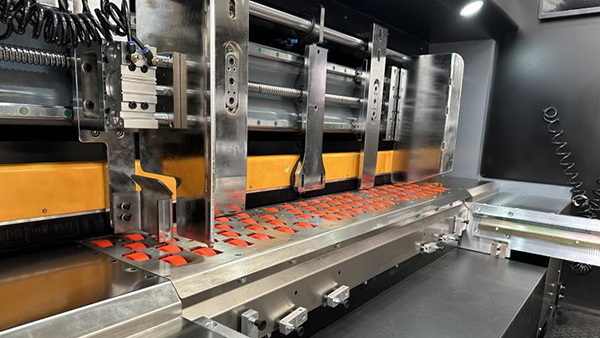
From a factory perspective, the die-cutting process is a blend of engineering and precision tooling. Understanding this helps buyers evaluate suppliers more confidently.
1. Structural design and sampling – Packaging engineers design the box in CAD based on product dimensions, stacking requirements, and machine constraints, then produce white samples for testing.
2. Die creation – A steel rule die is built according to the approved design, with cutting and creasing rules fixed into a wooden or composite base. [altitudemarketing]
3. Die-cutting and stripping – Sheets of corrugated board pass through a die-cutting machine, which cuts, creases, and sometimes strips waste in a single step. [altitudemarketing]
4. Folding and gluing – Depending on the structure, boxes may be pre-glued or supplied flat for final assembly at the customer's site.
OEM factories like those in Hebei and Dongguang typically integrate flexo printing, slotting, die-cutting, folding–gluing, and automatic bundling, so international buyers can manage the entire corrugated line with one partner rather than multiple vendors. [dongshengcartonmachine]
Based on real projects with exporters, wholesalers, and brand owners, die-cut boxes make the most sense when:
- Branding and shelf impact matter (e.g., retail POS, e‑commerce unboxing, influencer kits)
- Your product has a non-standard shape or requires integrated compartments
- Damage rate is a concern and your current cartons rely on heavy filler
- You run automated packaging lines and need accurate, repeatable dimensions
- You are targeting sustainability goals, such as reduced material, less tape, and better cube utilization [specright]
If you are shipping low-value products in bulk with minimal branding, a standard RSC carton may still be the most economical choice. Many factories will recommend a hybrid approach: die-cut retail or inner boxes combined with traditional master cartons.
When we support overseas buyers on new die-cut packaging projects, several recurring best practices consistently improve results:
- Define your primary objective first: protection, branding, or cost optimization.
- Share accurate product dimensional data and stacking requirements; avoid "approximate" measurements.
- Consider packing speed on your line—self-locking structures may remove taping, but must fit your operators or machines.
- Ask your OEM partner for at least two structural options: one optimized for cost, one for branding.
- Validate with transport tests (drop tests, vibration, stacking) before confirming large orders.
Aligning your internal packaging, marketing, and supply chain teams around these goals early makes the final structure far more successful in real-world use. [marketveep]
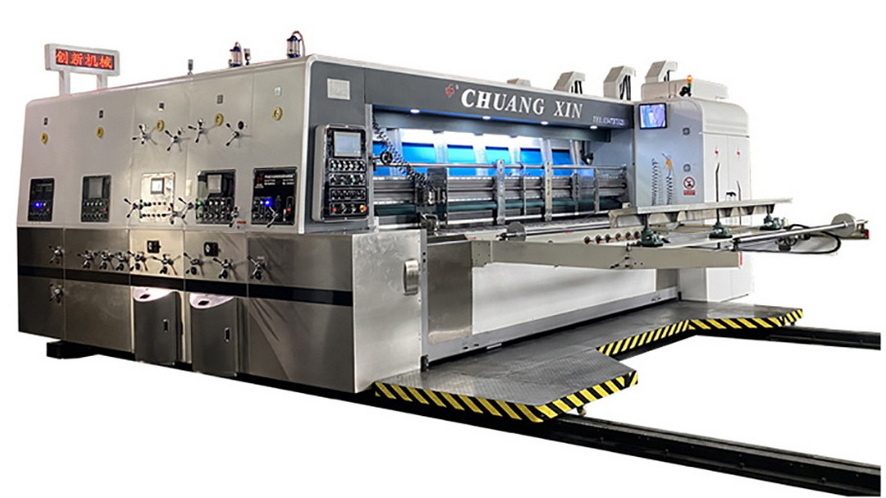
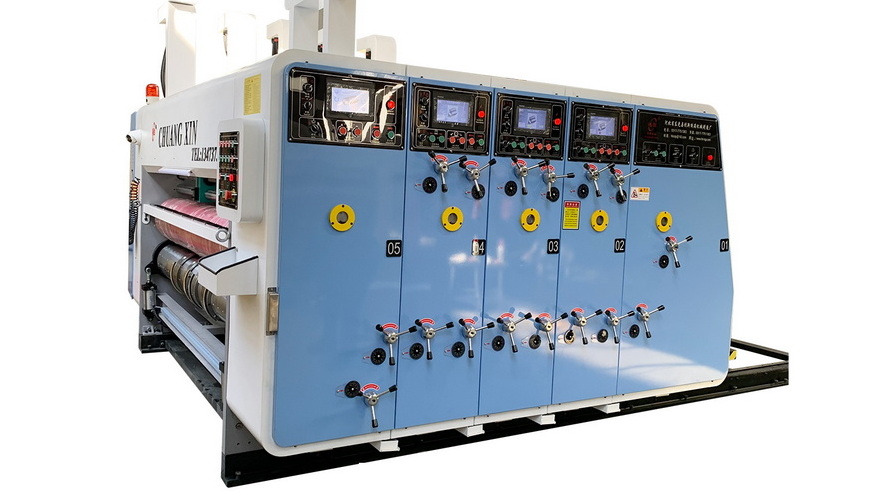
A factory that both designs carton machinery and understands box structures brings specific advantages to overseas buyers of die-cut packaging. Manufacturers in Hebei and Dongguang, for example, often supply complete corrugated lines: flexo printers, slotters, die-cutters, folder–gluers, and strapping systems. [dongshengcartonmachine]
From a buyer's standpoint, this means:
- Better understanding of machine limits, so designs run smoothly at scale
- More accurate advice on board grade, flute selection, and tolerances
- Stronger integration between structural design and mass production
- Easier scaling from pilot runs to full automation
For OEM customers (brand owners, importers, distributors), working directly with such factories helps reduce intermediaries, improve technical communication, and shorten development cycles.
If you are evaluating die-cut packaging for your brand or need to upgrade from traditional cartons to a more efficient structure, it helps to speak directly with a factory that understands both machinery and box design.
You can share your product dimensions, current packaging photos, and shipping scenario, and an engineer can propose 2–3 structural options along with board grade suggestions and estimated unit costs. For OEM and ODM projects, it is usually possible to start with smaller pilot runs and scale up once the design and performance are validated. [dongshengcartonmachine]
Ready to optimize your packaging? Contact our engineering team to request a free structural proposal and sample pack for your next die-cut box project.
1. Are die-cut boxes always more expensive than traditional cartons?
Not always. While there is an initial tooling cost, die-cut boxes can reduce material waste, void fill, and damage rates, which often makes total cost per shipped unit competitive or even lower at medium to high volumes. [pakfactory]
2. Can die-cut boxes run on automatic case packers and tapers?
Yes, as long as the structure is designed with your machinery in mind. Factories that build or supply carton packaging equipment can align the box specifications with machine tolerances and speed. [macraes]
3. Are die-cut boxes suitable for heavy industrial products?
They can be. By choosing the correct board grade, flute type, and structural design, die-cut boxes can safely handle industrial components while optimizing stacking strength and load distribution. [altitudemarketing]
4. How do die-cut boxes support sustainability goals?
They enable tighter product fit, reduced void fill, fewer tapes and staples, and often better pallet utilization, which lowers material consumption and transportation impact over the product's life cycle. [safetyculture]
5. What information should I provide to get an accurate die-cut box quotation?
Share product dimensions and weight, board grade preference (if any), target market, printing requirements, expected order quantity, and whether you will pack manually or on automated lines. This allows engineers to propose optimized structures and realistic pricing. [magetop]
1. Dongsheng Carton Machine – "What are die-cut boxes? How do they differ from traditional cardboard boxes?" (2025). [Link] [altitudemarketing]
2. PakFactory – "RSC vs Die Cut: Which Box Style is Right for You?" (2024). [Link] [pakfactory]
3. Mid-Atlantic Packaging – "The Differences Between RSC Boxes and Die-Cut Boxes" (2022). [Link] [midatlanticpackaging]
4. SafetyCulture – "Global Packaging Regulations Explained" (2026). [Link] [safetyculture]
5. Specright – "The Journey to Sustainable Packaging Compliance" (2024). [Link] [specright]
6. GS1 US – "Best Practice Guideline for Sustainability in Packaging Materials" (2020). [Link] [documents.gs1us]
7. Altitude Marketing – "SEO Strategies for Packaging Brands." [Link] [altitudemarketing]
8. Magetop – "How SEO Can Transform the Packaging Industry: A Guide for Manufacturers." [Link] [magetop]
9. Market Veep – "10 Essential Manufacturing SEO Strategies for Success." [Link] [marketveep]
10. Dongsheng Carton Machine – Product and company information pages. [Link] [dongshengcartonmachine]
11. LinkedIn – "Digital Marketing Strategy for Packaging Industry." [Link] [linkedin]
12. Gushwork – "Top Manufacturing SEO Companies 2026." [Link] [gushwork]


