
Views: 222 Author: Amanda Publish Time: 2025-10-24 Origin: Site


Content Menu
● Overview of the Japanese Strapping Machine Industry
● Leading Manufacturers and Their Strengths
>> Kohan Kogyo
>> SPOT / ICHINEN AXESS CO., LTD
>> Other Notable Manufacturers
● Market Challenges and Opportunities
● Applications and Industry Impact
● FAQ
>> 1. What distinguishes Japanese strapping machine manufacturers from others worldwide?
>> 2. Which industries benefit most from Japanese strapping machines?
>> 3. Are Japanese strapping machines environmentally friendly?
>> 4. How does automation influence the Japanese strapping machine market?
>> 5. Can Japanese manufacturers provide OEM services?
Japan is renowned worldwide for its precision engineering and high-quality manufacturing in a variety of industries, and the strapping machinesector is no exception. Known for commitment to innovation, efficiency, and reliability, Japanese strapping machine manufacturers and suppliers serve a critical role in industries such as packaging, logistics, food processing, and manufacturing around the globe. This article aims to provide an in-depth overview of the topstrapping machine manufacturers and suppliers in Japan, highlighting their legacy, key products, and competitive advantages.

Japan's strapping machinery industry boasts a rich history of technological advancement and market leadership, driven by companies that have consistently emphasized quality and innovation. Since the 1960s, Japanese manufacturers have pioneered development in automatic strapping machines, continuously improving the efficiency of packaging processes worldwide. Among the prominent applications of these machines are bundling heavy materials like steel and lumber, securing pallets for shipping, and packaging products in the food and industrial sectors.
Japanese manufacturers focus not only on machine performance but also on incorporating environmental consciousness—producing equipment that conserves energy and uses resources responsibly. With strict compliance to international safety and quality standards such as ISO9001 and ISO14001, the industry exemplifies reliability and sustainability.
StraPack stands out as the leading independent manufacturer in Japan and globally, with a history dating back to 1933. Their machines are known for precision, durability, and innovative design, making StraPack a trusted name in industries from cardboard packaging to seafood processing. StraPack proudly controls the entire manufacturing process in-house, ensuring exceptional quality control and after-sales support.
Many of StraPack's machines, such as the SQ-800 and iQ-400 models, demonstrate their capacity for high-performance automatic and semi-automatic strapping solutions. Environmental initiatives, like the StraPack EcoTech product line, highlight the company's dedication to developing energy-efficient machinery that supports conservation efforts.
With origins dating back to the early 1960s, Kohan Kogyo has long held a dominant position in Japan's domestic market for strapping machines, especially favored in the steel industry. It offers a broad range of models catering to various strapping needs, emphasizing automation and enhanced safety features. Their products are exported worldwide, reflecting a robust global footprint.
Located in Osaka, SPOT is a notable manufacturer specializing in fully automatic film banding machines. Their products contribute to streamlining packaging operations by integrating advanced automation technology, which reduces labor costs and increases throughput in packaging lines.
- Newlong Industrial Co. Ltd. specializes in packaging technologies and automatic bag closure systems.
- APIC YAMADA CORPORATION produces high-precision bonding and packaging machines relevant to electronic component manufacturing.
- Seiko Sangyo Co., Ltd. is known for advanced packaging machinery such as stretch wrapping machines.
- Rukava Esteiras Transportadoras manufactures conveyor belts and related equipment that complements strapping machine setups.
- IHI Group offers a wide range of industrial machinery, supporting various manufacturing and packaging processes.
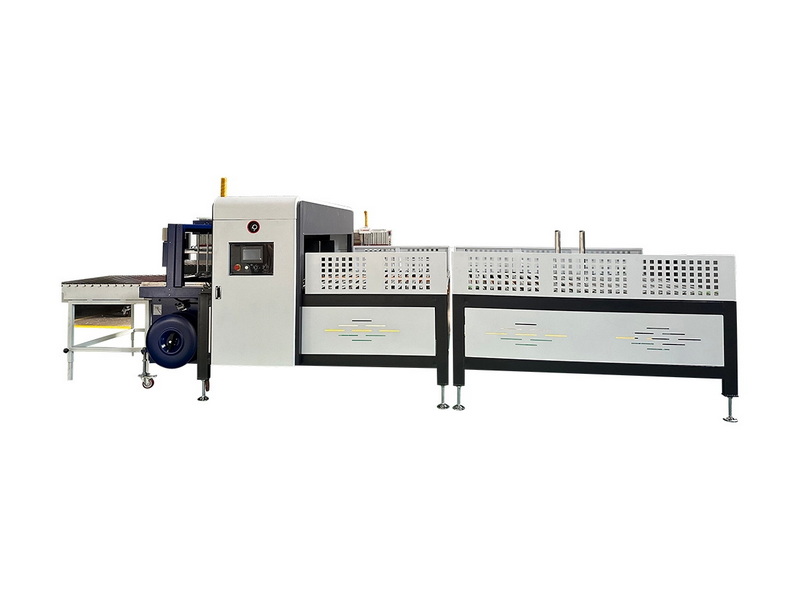
The Japanese strapping machinery sector faces intense competition both domestically and internationally. Manufacturers strive to distinguish themselves through technological innovation, automation, and custom solutions that address diverse industry needs. Key challenges include adapting to labor shortages, reducing environmental impact, and meeting stringent regulatory standards.
On the opportunity front, expanding e-commerce and logistics industries create increasing demand for efficient, reliable packaging equipment. Moreover, the global shift toward sustainability encourages manufacturers to develop machines compatible with eco-friendly strapping materials and energy-saving features.
Strapping machines manufactured in Japan serve multiple industries including:
- Steel and metal fabrication
- Lumber and construction materials
- Food processing and packaging
- Agriculture and automotive sectors
- Newspaper, print, and publishing industries
The reliability and quality of Japanese strapping machines contribute substantially to minimizing product damage during transport, reducing packaging waste, and improving operational efficiency.
Japanese strapping machine manufacturers and suppliers, led by pioneers like StraPack and Kohan Kogyo, exemplify the pinnacle of quality, innovation, and reliability in packaging machinery. Their dedication to advanced technology, environmental sustainability, and customization ensures that Japan remains at the forefront of the strapping machine industry worldwide. Businesses seeking top-tier strapping solutions will find in Japan a rich reservoir of expertise and robust manufacturing capabilities, backed by decades of experience and a strong commitment to excellence.
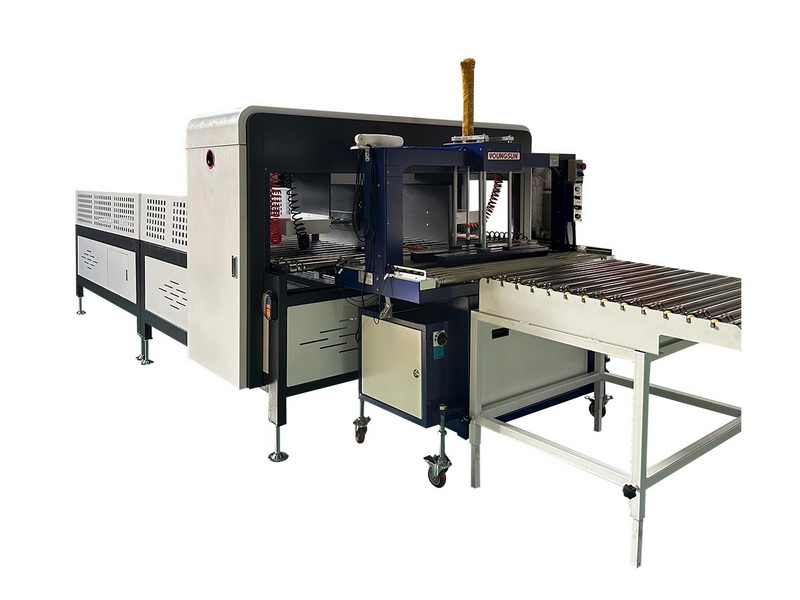
Japanese manufacturers emphasize precision engineering, stringent quality controls, and continuous innovation. Their commitment to sustainability and compliance with international standards also sets them apart.
Industries such as steel manufacturing, food packaging, logistics, agriculture, and construction benefit greatly due to the machines' versatility and reliability.
Yes, many manufacturers incorporate energy-saving technologies and design machines to use eco-friendly materials, aligning with global sustainability goals.
Automation is a key trend helping manufacturers improve packaging speed, reduce labor costs, and increase safety, making Japanese machines highly competitive globally.
Yes, companies like StraPack offer OEM manufacturing, supplying strapping machines and materials customized for global brands and producers.
[1](https://www.eng.i-koko.jp/strapping-system)
[2](https://www.axes-s.com/en/product/packinglist/c3_fp_30n.php)
[3](https://www.eng.i-koko.jp/full-automatic-strapping-machines)
[4](https://ensun.io/search/strapping-machinery/japan)
[5](https://www.trademo.com/japan/manufacturers/strapping-machine)
[6](https://strapack.com)
[7](https://www.transpakcorp.com/about03.php?lang=jp)
[8](https://mkpackagingindustries.com/japan-packaging-machines-equipment/)
[9](https://strapack.com/why-strapack/)
[10](https://www.tom-yamada.com/about/feature/)


