
Views: 222 Author: Ouye Carton Machinery Publish Time: 2026-06-18 Origin: Site


Content Menu
● What Is an Automatic Carton Strapping Machine?
● Why Automatic Strapping Matters for Modern Packaging Operations
● How an Automatic Strapping Machine Works (Step‑by‑Step)
● Key Types of Strapping Machines Used with Carton Packaging
● Where Automatic Strapping Fits in a Carton Packaging Line
● Practical Benefits: What Our Customers Actually Notice
● How to Choose the Right Automatic Strapping Machine
>> 1. Carton size range and product mix
>> 2. Strap material and width
>> 4. Integration and automation level
>> 5. Service, spare parts and OEM support
● Safety and Maintenance: Lessons from the Factory Floor
>> Operator safety best practices
>> Daily and periodic maintenance
>> Common troubleshooting issues
● Real‑World Use Cases Across Industries
● Expert Tips Before You Invest in an Automatic Strapping Machine
● Enhancing User Experience and SEO on Your Strapping Machine Page
● Call to Action: Partner with a Carton Machinery OEM You Can Trust
● FAQs: Automatic Carton Strapping Machines
>> References
As a manufacturer of carton packaging equipment in Hebei, I have seen automatic strapping machines evolve from simple helpers into the backbone of high‑speed packaging lines in logistics, e‑commerce and industrial production. From my experience working with overseas OEM customers, the plants that get strapping right enjoy fewer damages, more stable pallets, and much leaner labor costs. In this guide, I will explain what an automatic strapping machine is, how it really works in a carton packaging line, which specifications matter, and how to choose and operate one safely from a professional, hands‑on perspective. [linkedin]

An automatic strapping machine is packaging equipment that automatically applies, tensions, seals and cuts plastic straps (usually PP or PET) around cartons, bundles or pallets to keep them stable during handling, transport and storage. Unlike handheld tools or semi‑automatic units, automatic machines detect the package, feed the strap, and complete the full cycle with minimal operator intervention, making them ideal for high‑throughput carton lines. [cnzdpacking]
In a typical corrugated packaging plant, automatic strapping machines sit at the end of the line, after carton forming, printing or sealing, and before palletizing or outbound logistics. For overseas brand owners, distributors and OEM partners, integrating these machines correctly is one of the fastest ways to stabilize export shipments and reduce transit claims. [packaging-journal]
From an engineering and operations standpoint, automatic strapping is no longer a "nice to have" but a core part of a lean packaging system. Over the last few years, we have consistently seen three strategic benefits in our customers' factories: [bandmainfo]
- Higher throughput: Automatic machines strap far more cartons per hour than manual or semi‑automatic methods while keeping tension consistent. [ysstrapping]
- Lower labor dependence: In markets facing logistics labor shortages, one operator can monitor several automatic units instead of manually strapping each bundle. [csfpack]
- Better transport quality: Consistent strap tension reduces product movement, carton deformation and damage, especially in long‑distance or container shipping. [packaging-journal]
In e‑commerce fulfillment centers, automatic strapping is increasingly paired with automatic carton sealers and conveyors to create continuous, unmanned packing cells that can run multiple shifts with very little downtime. [apg-go]
From a technical perspective, most automatic carton strapping machines follow a similar working principle. Understanding this cycle helps you diagnose issues and specify the right machine for your line. [cnzdpacking]
Core components include: [npack.com]
- Strap coil and feed mechanism – holds the PP/PET strap roll and feeds it through guides and the arch.
- Arch or strap track – forms the path the strap travels around the carton or bundle.
- Tensioning unit – pulls the strap tight to a preset tension value.
- Sealing head – welds (heat or friction) and cuts the strap ends.
- Control system (PLC/HMI) – manages sensors, timings, strap length, tension and safety interlocks.
Typical working cycle: [ysstrapping]
1. Package positioning
The carton or bundle arrives on the infeed conveyor and stops in the strapping position, usually detected by photoelectric sensors.
2. Strap feeding around the package
The machine drives the strap from the coil through the arch and around the package, returning it to the sealing head area.
3. Tensioning
The tensioning unit clamps the strap and pulls it to the preset tension, ensuring the carton is secure but not crushed.
4. Sealing and cutting
The sealing head uses friction welding or heat to fuse the strap ends, then automatically cuts the excess strap.
5. Reset and discharge
The strap tail is pre‑fed back into the arch, and the conveyor moves the strapped package out, ready for the next cycle.
Well‑engineered machines complete this full cycle in just a few seconds, which is critical for high‑speed carton lines running multiple SKUs and batch sizes. [packaging-journal]
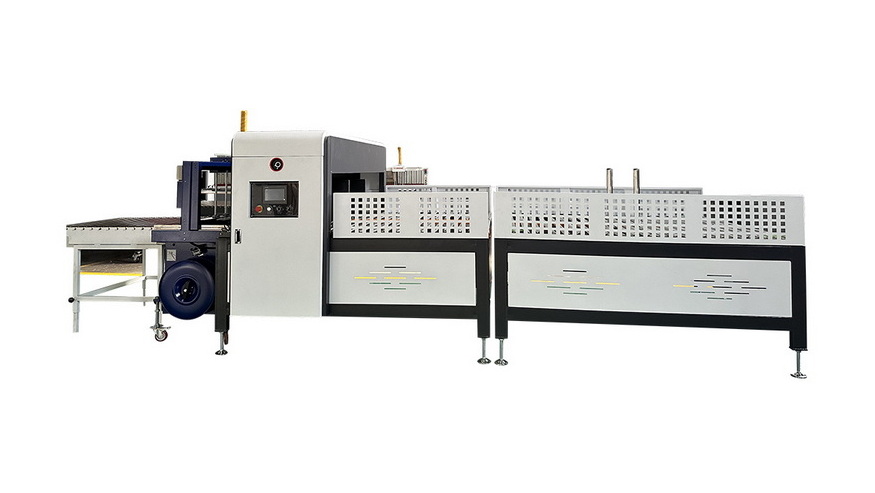
Different production environments call for different levels of automation. When we support OEM customers, we usually start by clarifying which of the following machine types they really need: [packway]
| Machine type | Typical use case | Automation level | Best for cartons? |
|---|---|---|---|
| Semi‑automatic tabletop | Low‑volume packing, mixed sizes | Manual loading, automatic tension/seal | Small workshops and backup use (strappingmachines.com) |
| Automatic arch machine | Inline carton strapping on conveyor | Automatic cycle, operator places or monitors | Standard cartons and bundles (ysstrapping) |
| Fully automatic inline system | Integrated with carton sealer, labeler, palletizer | No operator at the strapping station | High‑speed packaging lines (effe3ti) |
| Pallet strapping system | Palletized cartons or bulk loads | Automatic strap cycles around pallets | Warehouse and shipping areas (bandmainfo) |
For most export‑oriented carton factories and overseas distributors, automatic arch machines and fully automatic inline systems deliver the best balance of cost, speed and reliability. [effe3ti]
In a modern corrugated packaging plant, an automatic strapping machine is usually positioned after carton forming and sealing, and before palletizing or stretch wrapping. A typical layout looks like this: [manuals]
1. Carton forming / case erector
2. Printing / die‑cutting / folding
3. Carton sealing (top/bottom tape)
4. Automatic carton strapping machine
5. Checkweigher or labeling (optional)
6. Palletizer and stretch wrapper
From field feedback and user comments we have collected, the benefits that matter most to engineers and production managers are not abstract—they are measurable on the shop floor. [linkedin]
- Cycle time and throughput
Well‑configured automatic machines can strap hundreds of cartons per hour, directly supporting higher OEE (Overall Equipment Effectiveness) for the line. [ysstrapping]
- Consistency and reduced rework
Because tension and sealing parameters are controlled by the machine, operators no longer "guess" strap tightness, which reduces rework and packaging failures during transit. [packaging-journal]
- Lower damage and claims
In logistics and export shipping, consistent strapping significantly cuts carton collapse, load shifting and transit damage, which in turn reduces customer complaints and claim costs. [csfpack]
One of our carton export customers, for example, reported that after upgrading from semi‑automatic to fully automatic inline strapping, their outbound damage rates on overseas shipments dropped while line staffing was reduced by one full shift equivalent. While this is a single case, it matches broader industry trends toward automation to offset labor and quality pressures. [linkedin]
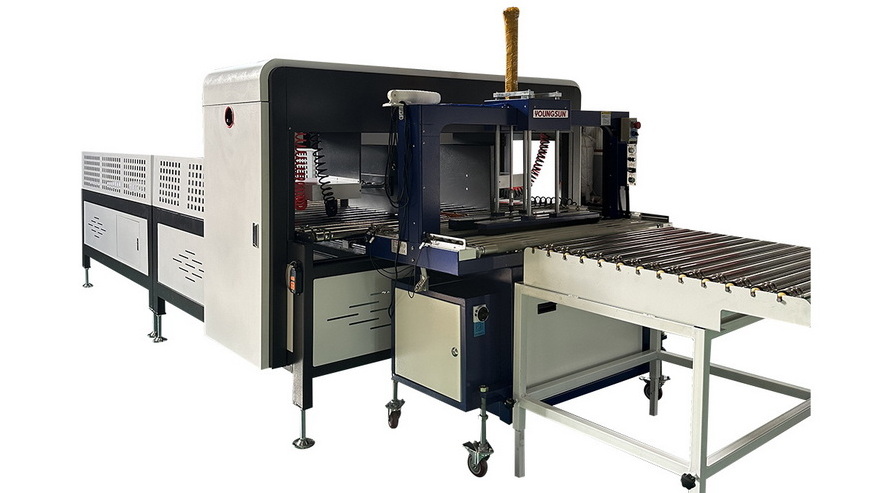
Choosing a strapping machine is not just about price or catalog specifications. In my experience, the best projects start with a clear discussion of the following five factors:
Different machines support different arch sizes and package heights. If you run everything from small e‑commerce boxes to large bulk cartons, you need either:
- A machine with a generous arch and adjustable guides, or
- Multiple lines optimized for different size ranges
Always confirm the minimum and maximum carton dimensions and weight the machine can handle reliably at speed. [apg-go]
Most automatic carton strapping machines use:
- PP (polypropylene) straps for standard cartons,
- PET (polyester) straps when higher strength is needed. [npack.com]
Verify that the machine is compatible with your strap width and material, and that your local strap supply matches those specifications to avoid feeding and sealing issues. [qualisengineers]
Suppliers usually specify strapping speed as "straps per minute" or "seconds per strap". To avoid bottlenecks: [npack.com]
- Match machine throughput to your peak line speed, not your average
- Consider how many straps per package you need (e.g., 1, 2 or more)
If you are designing a full end‑of‑line solution, check how the machine integrates with:
- Existing conveyors and carton sealers
- PLCs and plant control systems
- Safety devices (light curtains, emergency stops)
Recent integration guides emphasize aligning machine controls and data (e.g., strap count, fault signals) with the rest of the packaging line so maintenance and monitoring stay simple. [effe3ti]
For overseas OEM and private‑label customers, availability of remote support, spare parts kits and clear manuals is as important as hardware quality. Some manufacturers also offer remote diagnostics or video support to speed up troubleshooting on site. [strappingmachines.com]
Even though automatic strapping reduces manual handling, it introduces new safety and maintenance requirements that you cannot ignore. Based on established safety guidelines and our own commissioning experience, I recommend focusing on three areas: [frommpackaging]
Authoritative safety manuals and industry guides consistently highlight similar rules for strapping equipment. In practice, we emphasize: [images.thdstatic]
- Provide formal safety training for every operator before they use the machine.
- Require PPE such as safety glasses and appropriate hand protection, especially when working near tensioned straps.
- Keep hands and loose clothing out of the strap arch and moving parts during operation.
- Never bypass safety interlocks or run the machine with covers removed.
- Shut off power and follow lock‑out procedures before maintenance.
These recommendations align with published safety instructions for both automatic and semi‑automatic strapping machines and tools. [file.ussolid]
To keep automatic strapping machines stable over time, routine maintenance is essential. Industry manuals and our own checklists usually include: [frommpackaging]
- Daily: Clean dust and strap debris, visually check for wear, ensure strap loading and threading are correct.
- Weekly: Inspect tensioning and sealing components, check belt/roller wear, verify strap track alignment.
- Monthly/quarterly: Calibrate tension and sealing temperature/time, replace worn consumables, review logs of misfeeds or alarms.
Regular maintenance not only reduces downtime but also maintains consistent strap quality and machine lifespan. [frommpackaging]
Most production issues fall into a few repeatable categories: [cnzdpacking]
- Strap misfeeds due to debris in the track or incorrect strap threading
- Inconsistent tension caused by worn rollers or incorrect settings
- Weak seals due to contaminated strap, worn sealing head or incorrect temperature/time
Engineers should keep a concise troubleshooting guide near the machine, based on the OEM manual and real incidents from their own line.
Automatic strapping machines are used far beyond traditional carton factories. In our work with overseas clients and based on current industry coverage, some common application scenarios include: [linkedin]
- Folding carton and corrugated plants: Bundling stacks of printed cartons at high speed while keeping formats aligned and stackable. [packaging-journal]
- E‑commerce fulfillment centers: Securing sealed cartons that contain mixed SKUs, often with variable carton heights. [apg-go]
- Logistics and 3PL warehouses: Reinforcing heavy or unstable loads to reduce risk during cross‑docking and long‑haul transport. [csfpack]
- Manufacturing plants: Strapping bundles of board, components or packed goods before palletization for internal or outbound logistics. [packaging-journal]
Recent articles also highlight automation as a response to labor shortages, with strapping machines playing a central role in maintaining throughput when staffing is tight. [csfpack]
Drawing on both industry guidance and our OEM project experience, here are practical tips I share with serious buyers:
1. Start from your line, not the catalog. Map current and future line speeds, carton mix, and upstream/downstream equipment before choosing a model. [hashmeta]
2. Define clear performance metrics. Target numbers for straps per minute, uptime, and acceptable defect rate make technical discussions with suppliers more concrete. [cazbah]
3. Plan for operator training and documentation. Build training into the project scope and request complete manuals, safety instructions and maintenance schedules from your OEM partner. [slideshare]
4. Consider total cost of ownership. Include strap consumption, spare parts, maintenance, and potential labor savings—not just the purchase price. [cazbah]
5. Think ahead for integration. If you will later add carton sealers, labelers or palletizers, choose a machine and OEM partner familiar with complete end‑of‑line solutions. [hashmeta]
From an SEO and user‑experience perspective, pages about automatic carton strapping machines perform best when they combine clear technical detail with scannable formatting and trustworthy signals. [mtsoln]
Based on updated E‑E‑A‑T and industrial SEO best practices: [stellarcontent]
- Use a descriptive H1 such as "Automatic Carton Strapping Machine: Working Principle, Benefits and OEM Options" with related long‑tail keywords naturally integrated in H2/H3 headings.
- Break down the article into logical sections: working principle, types, applications, selection guide, safety, maintenance, and FAQs. [wellows]
- Add tables and bullet lists for technical specs, comparison of machine types and safety checklists to improve readability. [mtsoln]
- Include author and company credentials, emphasizing real manufacturing experience and export projects to build authority. [blog.hubspot]
- Cite reputable external sources for general safety guidelines, market trends or general principles while providing your own factory‑specific experience and photos. [blog.hubspot]
This combination of expert narrative and structured, scannable content supports both human readers and search engines evaluating expertise and trustworthiness.
If you are a brand owner, wholesaler or manufacturer looking to upgrade your packaging line, working directly with an experienced carton machinery OEM gives you more control over customization, integration and long‑term support. Instead of buying a standalone machine in isolation, consider your entire end‑of‑line strategy—from die‑cutting and printing to sealing, strapping and palletizing—and involve your OEM partner early in the design. [ouyecartonmachine]
Our own engineering teams, for example, typically review your carton specifications, target throughput, available floor space and existing equipment before recommending an automatic strapping solution and matching conveyors or accessories. If you are planning a new line or upgrading an existing one, now is the right time to define your requirements and discuss an OEM configuration that can grow with your business. [cazbah]
1. What is the difference between semi‑automatic and automatic strapping machines?
Semi‑automatic machines require the operator to manually position the strap, while automatic models detect the package, feed, tension, seal and cut the strap in one cycle. Automatic machines are faster and better suited to integrated carton packaging lines. [strappingmachines.com]
2. Which strap material should I use for carton packaging, PP or PET?
For most standard cartons, PP strap is sufficient and cost‑effective, while PET strap is recommended for heavier loads or when higher tension and durability are required. Your OEM supplier can help match strap specifications to your product weight and transport conditions. [qualisengineers]
3. How often should an automatic strapping machine be maintained?
Daily cleaning and visual checks, weekly inspections of tensioning and sealing components, and periodic calibration or parts replacement are widely recommended to keep machines operating reliably. Always follow the specific maintenance schedule provided in your machine's manual. [images.thdstatic]
4. Is it safe for new workers to operate automatic strapping machines?
Yes, but only after proper training and with appropriate safety measures in place. Operators should understand PPE requirements, safe operating distances, emergency stops and lock‑out procedures before working alone with the equipment. [file.ussolid]
5. Can automatic strapping machines be customized for OEM branding and special line layouts?
Many manufacturers, especially OEM‑focused carton machinery factories, offer custom colors, branding panels, arch sizes and conveyor configurations to fit specific layouts and private‑label requirements. Discuss your branding, integration and technical needs with the OEM early in the project to ensure a clean solution. [ouyecartonmachine]
1. Dongsheng Carton Machine – What is an Automatic Strapping Machine and How Does It Work? (2025). [Link]
2. NPACK – Automatic Strapping Machine – Product and Principle Overview (2026). [Link] [npack.com]
3. YS Strapping – How an Automatic Strapping Machine Works (2025). [Link] [ysstrapping]
4. CNZD Packing – Working Principle of Fully Automatic Strapping Machine (2024). [Link] [cnzdpacking]
5. APG – How to Choose an Automatic Strapping Machine for E‑commerce Fulfillment (2026). [Link] [apg-go]
6. Packaging Journal – Fully Automatic Bundling and Strapping in Folding Carton Processing (2021). [Link] [packaging-journal]
7. Fromm Packaging – 5 Tips to Use an Automated Strapping Machine Safely (n.d.). [Link] [frommpackaging]
8. Strapping Machines AU – Safety Instructions – Semi‑Automatic Strapping Machine (n.d.). [PDF] [strappingmachines.com]
9. THD – Strapping Machine Safety and Operation Manual (n.d.). [PDF] [images.thdstatic]
10. U.S. Solid – Electric Strapping Machine Manual (n.d.). [PDF] [file.ussolid]
11. Effe3Ti – Automatic Strapping Machines: How to Integrate Them into Industrial Production Processes (2026). [Link] [effe3ti]
12. APG Video – Automatic Carton Sealing and Strapping Machine Demonstration (2022). [Link] [manuals]
13. CSF Pack – Can Strapping Machine Automation Solve Logistics Labor Shortages? (2026). [Link] [csfpack]
14. Bandma – Packaging Perfected: The Benefits of Fully Automatic Squaring & Strapping Machines (2024). [Link] [bandmainfo]
15. OUYE Carton Machine – Top 10 Strapping Machine Manufacturers in China (2025). [Link] [ouyecartonmachine]
16. DONGSHENG – Company Profile – Carton Packaging Machines (n.d.). [Link] [dongshengcartonmachine]
17. HubSpot – Using the New "E" in E‑E‑A‑T to Generate Interest in Your Brand (2023). [Link] [blog.hubspot]
18. Stellar Content – The Complete Guide to Google E‑E‑A‑T (2019). [Link] [stellarcontent]
19. MT Soln – How to Write an E‑E‑A‑T Optimized Blog Post (2025). [Link] [mtsoln]
20. Hashmeta – SEO for Manufacturing Companies: Complete Industrial Marketing Guide (2026). [Link] [hashmeta]


