
Views: 222 Author: Ouye Carton Machinery Publish Time: 2026-05-20 Origin: Site


When you print lightweight, coated paperboard on high‑speed carton printing machines, registration accuracy becomes one of the most critical quality metrics. Mis‑registration of even 0.3–0.5 mm can cause color fringing, blurred barcodes, and rejected retail packaging. The feeding and conveying system—vacuum suction vs feed roller system printing—is usually the hidden root cause behind good or bad registration, especially on thin, slippery, or slightly warped board. [chaoqiancartonmachine]
From my perspective as a carton machinery OEM working with global converters, I see a clear shift: brands and box plants producing high‑graphics packaging on GC1/GC2, SBS, or coated recycled board are moving towards full‑vacuum transfer systems for their main production lines, while still using roller‑feed flexo lines for standard corrugated jobs. In this article, I will compare the two feeding philosophies in depth and share practical decision criteria you can use for your next investment. [huayucartonmachine]

A vacuum suction (vacuum transfer) system uses a series of perforated belts or drums connected to a vacuum chamber to hold each sheet or board flat and stable during feeding and printing. [patents.google]
Key characteristics
- Contact area: Continuous belt/drum contact with distributed suction holes. [chaoqiancartonmachine]
- Holding force: Airflow through perforations creates a negative pressure that clamps the sheet against the belt surface. [patents.google]
- Motion: Servo‑controlled belts/drums synchronize with the print cylinders to keep the sheet in registration. [huayucartonmachine]
Because the sheet is held by air pressure rather than high mechanical nip pressure, vacuum systems are especially effective for thin, coated, or slightly warped board where traditional rollers may slip or leave marks. Modern high‑definition flexo carton presses and top‑printing slotter–die cutters increasingly adopt full‑vacuum transfer from infeed to delivery for this reason. [huayucartonmachine]
A feed roller system uses pairs of rubber or polyurethane rollers to grip and transport the sheet through the machine. Friction between the roller and substrate provides the driving force. [pcbshop]
Key characteristics
- Contact area: Line or narrow strip contact at each roller nip. [patents.google]
- Holding force: Generated by mechanical pressure combined with surface friction; depends on roller material and sheet surface. [patents.google]
- Motion: Mechanical or servo synchronization between feed rollers and print cylinders; registration depends heavily on nip control and roller condition. [pcbshop]
Feed roller systems are simple, proven and widely used on traditional corrugated flexo printer–slotters and semi‑automatic lines, especially for heavier flutes where sheet stiffness helps maintain registration. However, on lightweight, smooth, coated paperboard, friction may drop significantly, increasing the risk of micro‑slip and skew at each nip. [jiufeng.en.made-in-china]
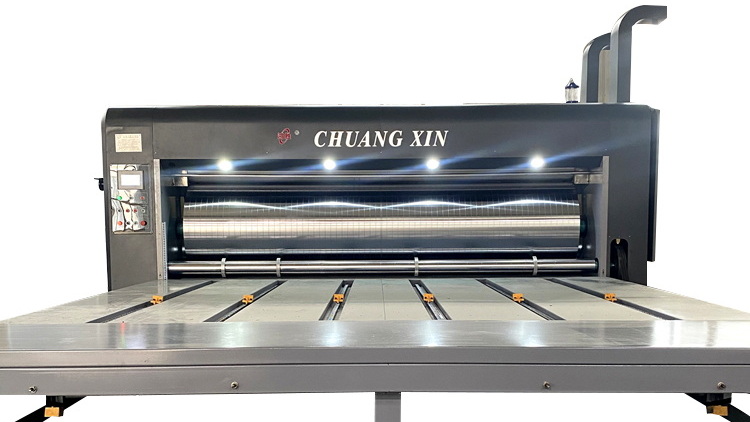
On lightweight, coated paperboard (e.g. 200–400 g/m² GC1/GC2 or SBS), the challenge is to keep every sheet in exactly the same position under the print plate or cylinder, even at 150–300 m/min.
- Low surface friction: Coated or varnished surfaces are slippery, reducing roller grip. [patents.google]
- Low bending stiffness: Thin board is easier to warp, cockle, or flutter at high speed. [chaoqiancartonmachine]
- High graphics: Tight color registration tolerances for halftones, fine text, and barcodes. [chaoqiancartonmachine]
Vacuum suction systems
- Provide continuous support and clamping of the sheet across a large area, minimizing flutter and edge lifting. [huayucartonmachine]
- Reduce dependence on surface friction; even slippery coated board is held by pressure differential, not just rubber contact. [chaoqiancartonmachine]
- Allow finer speed and position control with servo drives, improving sheet‑to‑sheet repeatability. [huayucartonmachine]
Feed roller systems
- Concentrate holding force at discrete nips; between nips the sheet is relatively free and can flutter or skew. [patents.google]
- Rely heavily on roller condition (hardness, cleanliness, surface finish) and stable friction; coated board reduces this safety margin. [patents.google]
- Can still achieve good registration on light board, but only when nip pressure, sheet quality, and speed window are carefully optimized. [pcbshop]
In practice, most high‑graphics vacuum transfer machines highlight better registration accuracy on thin or warped board in their marketing and CE‑certified performance specs, while roller‑feed corrugated lines emphasize robustness and versatility over ultra‑fine registration. [huayucartonmachine]
Registration is not the only factor; converters must also consider board integrity and visible defects.
- Lower mechanical pressure: The sheet is pressed gently against a smooth belt or drum, reducing creasing and crush on caliper‑sensitive substrates. [huayucartonmachine]
- Fewer streaks or roller marks: No localized high‑pressure nip that can emboss or gloss the coating. [chaoqiancartonmachine]
- Especially valuable for cosmetics, pharmaceutical, and premium food packaging where micro‑defects are unacceptable. [chaoqiancartonmachine]
- Higher localized pressure at roller nips can generate gloss bands, micro‑cracks in coating, or slight caliper reduction on very light board. [patents.google]
- If roller hardness or pressure is wrong, you may see banding, smearing, or crush lines aligned with roller positions. [pcbshop]
For standard brown corrugated boxes, these issues are minor, but for white‑top or fully coated retail cartons, they can directly affect print quality and brand perception. [chaoqiancartonmachine]
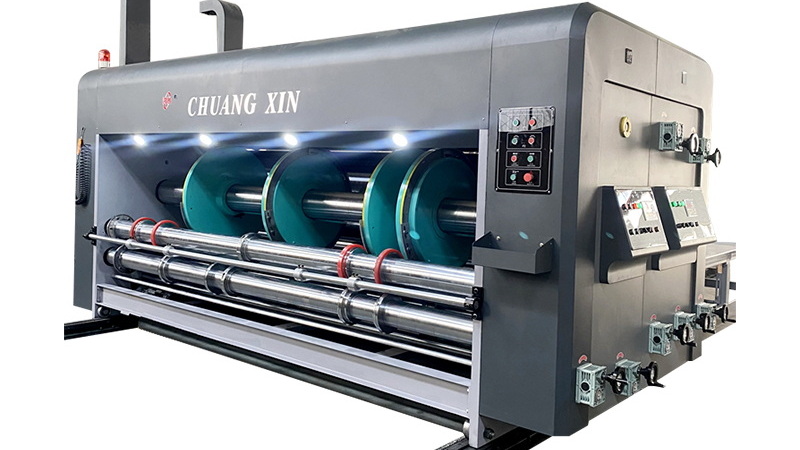
From an operations perspective, sustainable speed and waste rate define real‑world capacity.
- Many modern full‑vacuum transfer carton printers advertise high‑speed operation with thin or warped board while maintaining tight registration. [huayucartonmachine]
- Video demonstrations and technical brochures show vacuum systems running mixed‑quality board with lower jam rate and fewer feed doubles, which directly reduces waste. [youtube]
Feed roller systems can reach similar mechanical speeds on heavier substrates, but operators often reduce speed for lightweight or dusty coated board to maintain stability, impacting daily output. As a result, plants running a lot of high‑graphics, thin coated board tend to achieve higher net throughput on vacuum transfer lines, even if the nominal max speed is similar. [jiufeng.en.made-in-china]
A fair comparison must include maintenance and lifecycle costs.
- Require vacuum pumps or blowers, filters, and periodic cleaning of vacuum chambers and perforated belts. [chaoqiancartonmachine]
- Energy consumption for suction is a real cost, but modern systems optimize airflow and recover some efficiency with better sheet control and reduced waste. [huayucartonmachine]
- Belts and seals are consumables but typically have predictable replacement cycles.
- Simpler mechanically, with fewer air components; initial investment is usually lower. [jiufeng.en.made-in-china]
- However, roller resurfacing, replacement, and cleaning are ongoing; contamination from coatings, dust, or inks directly reduces grip. [patents.google]
- Registration issues often show up as hidden costs: extra setup sheets, manual adjustments, and unplanned downtime.
Over 5–10 years, plants focused on high‑value coated cartons often find that the productivity gains and reduced waste of vacuum systems justify the higher initial cost, especially on flagship lines. [huayucartonmachine]
From an operator's point of view, the best feeding system is the one that "just runs" with minimal fiddling.
- Wider process window: Handles a broader range of board flatness and coating slip without constant pressure tweaking. [oceancartonmachinery]
- Easier to maintain registration after stops/starts because sheets are clamped consistently by vacuum rather than depending on nip friction. [chaoqiancartonmachine]
- Operators report fewer complaints about "mystery registration drift" when board quality varies between pallets. [huayucartonmachine]
- Very familiar; most plants already understand how to adjust nip and clean rollers. [jiufeng.en.made-in-china]
- However, operators may need to slow down or re‑tune settings when switching between uncoated corrugated and lightweight coated board, increasing setup time. [pcbshop]
For a plant standardizing on lightweight, coated board for branded packaging, reducing operator dependency and setup time is a major argument in favor of vacuum transfer.
- High‑graphics folding cartons and micro‑flute retail packs with tight color registration.
- Lightweight, coated paperboard (200–400 g/m²) that tends to warp or slip.
- Lines where brand owners demand consistent quality and traceable performance.
- Standard corrugated boxes with lower registration demands.
- Plants prioritizing lower capex and running mainly heavier flutes or uncoated substrates.
- Auxiliary or semi‑automatic lines where ultimate registration is less critical. [jiufeng.en.made-in-china]
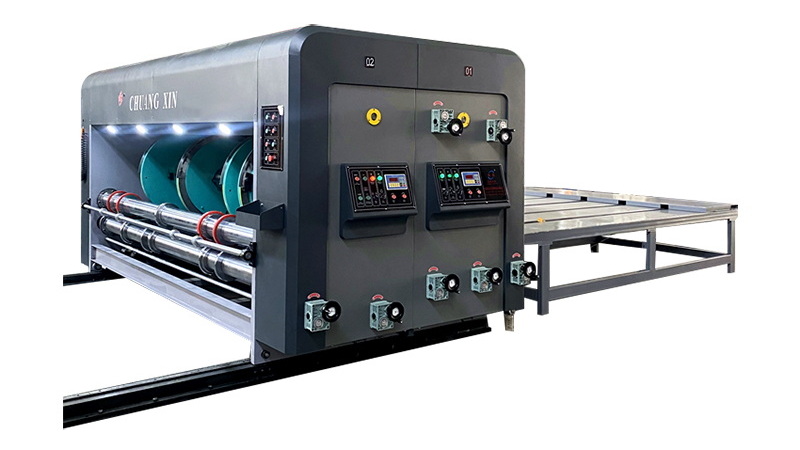
Below is a practical checklist you can use in technical and purchasing meetings.
1. Substrate profile
- Percentage of lightweight coated board vs heavy corrugated.
- Expected variations in moisture, warp, and coating slip.
2. Graphic requirements
- Presence of fine text, barcodes, and tight color overlaps.
- Brand tolerance for visible registration drift.
3. Speed and capacity targets
- Required net output (not just mechanical speed).
- Acceptable waste percentage at target speeds.
4. Budget and ROI horizon
- Willingness to invest more upfront for lower waste, fewer complaints, and better brand relationships.
- Planned machine lifetime (e.g. 8–12 years).
5. Operator skill and turnover
- Dependence on a few "star operators" vs desire for a repeatable, stable process window.
| Aspect | Vacuum suction system | Feed roller system |
|---|---|---|
| Holding principle | Negative pressure through perforated belt/drum. (patents.google) | Mechanical nip pressure and friction. (patents.google) |
| Performance on lightweight coated board | High stability, good flattening, less slip at speed. (chaoqiancartonmachine) | More sensitive to slip and warp, narrower stable speed window. (patents.google) |
| Risk of marking/coating damage | Low; distributed pressure, smooth contact. (chaoqiancartonmachine) | Higher; localized nip can cause gloss bands or crush. (patents.google) |
| Setup and changeover | Consistent across board qualities, less nip tuning. (chaoqiancartonmachine) | More manual adjustment for different substrates. (pcbshop) |
| Typical use cases | High‑definition carton printing, premium packaging. (chaoqiancartonmachine) | Standard corrugated box production, semi‑auto lines. (pcbshop) |
| Capex and complexity | Higher initial cost, more air components. (chaoqiancartonmachine) | Lower cost, mechanically simpler. (pcbshop) |
| Long‑term registration stability | Strong, especially under board variability. (chaoqiancartonmachine) | Acceptable with strict maintenance and controlled substrates. (patents.google) |
For overseas brands, wholesalers, and manufacturers, the choice between vacuum suction vs feed roller system printing is not purely theoretical. You need an OEM partner who can:
- Customize feeding configuration (front‑edge vacuum feeding, full‑vacuum transfer, or enhanced roller feeding) to match your substrate mix and quality standards, similar to other high‑definition vacuum transfer corrugated and carton presses on the market. [huayucartonmachine]
- Provide OEM/ODM services so your branded machine line reflects the right balance of cost, registration performance, and automation level for your geography and customer segment. [alibaba]
By leveraging experience from the Chinese carton machinery cluster in Hebei and surrounding provinces, an OEM factory can integrate mature vacuum transfer technologies, CE‑level safety concepts, and servo registration control into solutions designed specifically for lightweight coated board applications. [oceancartonmachinery]
To turn this comparison into action, you can follow a simple evaluation process:
1. Audit your jobs
- Calculate the share of coated paperboard vs corrugated, and what percentage requires tight registration (e.g. retail packaging, pharma, cosmetics).
2. Benchmark current waste and speed
- Document your average and peak speeds on these jobs and your waste rate caused by registration and feeding issues.
3. Define your target spec
- For your next machine, set numeric targets (e.g. "<1 mm registration deviation at 200 m/min on 250–350 g/m² coated board").
4. Request technical demos
- Ask OEMs for live or video demos of vacuum and roller systems running your real substrates at target speeds, and compare the data.
5. Calculate 5–10 year ROI
- Include not only capex but also waste reduction, labor time, and brand‑driven quality requirements.
If you want support running this analysis or specifying a vacuum suction vs feed roller system tailored to your coated board applications, you can reach out to our engineering team with your typical substrate list, current machine data, and quality targets.
If you are currently struggling with registration drift, marks, or speed limitations on lightweight, coated paperboard, now is the time to benchmark vacuum suction vs feed roller system printing for your next carton line. Share your key substrates, daily volumes, and quality standards with an OEM partner so they can design a tailored vacuum or hybrid solution that aligns with your ROI and brand expectations.
Would you like this article adapted into a downloadable PDF buyer's checklist for your sales or purchasing team?
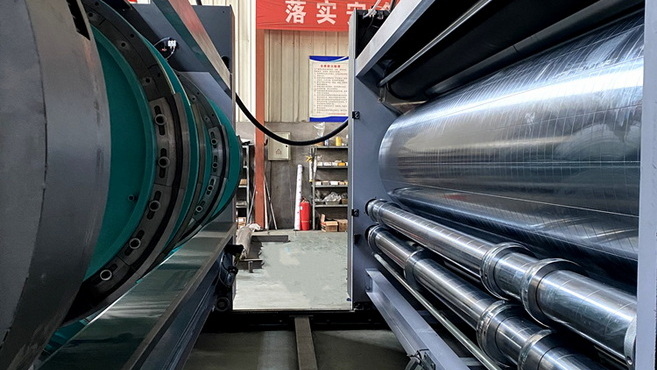
Q1: Is a vacuum suction system always better than feed rollers?
Not always. Vacuum systems offer clear advantages on lightweight, coated, and warped boards, but feed rollers can be cost‑effective and reliable for standard corrugated with moderate registration requirements. [pcbshop]
Q2: Can I upgrade an existing roller‑feed machine to vacuum transfer?
Some OEMs provide retrofit kits such as vacuum transfer feeders or top‑printing sections, but feasibility depends on the frame, drive system, and space constraints; a full factory assessment is required. [oceancartonmachinery]
Q3: How much maintenance does a vacuum suction system need?
You must keep filters, vacuum pumps, and perforated belts clean to maintain suction efficiency, but with regular preventive maintenance schedules, uptime can be very high. [huayucartonmachine]
Q4: Will vacuum suction damage very thin board?
On the contrary, vacuum systems typically apply less localized mechanical pressure than roller nips and are often recommended to avoid creasing or gloss bands on thin, coated substrates. [huayucartonmachine]
Q5: What data should I ask the OEM to provide?
Request registration accuracy data vs speed, substrate range, minimum/maximum caliper, and typical waste rates on reference installations processing similar coated board. [huayucartonmachine]
1. Vacuum paper sucking and feeding mechanism for offset printing press – Google Patents.
https://patents.google.com/patent/CN203651177U/en [patents.google]
2. Full‑vacuum suction water‑based printing slotter die‑cutting machine – Chaoqian Carton Machine.
https://www.chaoqiancartonmachine.com/Products_details/42.html [chaoqiancartonmachine]
3. HS Series fully vacuum transfer high‑definition printing slotting die‑cutting machine – Huayu Carton Machine.
https://www.huayucartonmachine.com/Products_details/6.html [huayucartonmachine]
4. HX Series fully vacuum transfer high‑definition printing slotting die‑cutting machine – Huayu Carton Machine.
https://www.huayucartonmachine.com/Products_details/8.html [huayucartonmachine]
5. Feeding unit for flexo printing and die‑cutting – PCB Shop.
https://www.pcbshop.org/cn/supplier/product_details.asp?ProID=3017&SupID=3977 [pcbshop]
6. Semi‑automatic flexographic printing machine vertical paper feed – Jiufeng.
https://jiufeng.en.made-in-china.com/product/TFZfUYDlbWVH [jiufeng.en.made-in-china]
7. High‑speed vacuum transfer flexo printer slotter carton machine video – PinLong.
https://www.youtube.com/watch?v=k46Q3fVkItI [youtube]
8. Carton printing machine product list – Cangzhou Ocean Carton Machinery.
https://www.oceancartonmachinery.com/product_list/3.html [oceancartonmachinery]
9. Vacuum absorption feeding printing machine – Alibaba.
https://www.alibaba.com/product-detail/Vacuum-Absorption-Feeding-Printing-Machine-Automatic_1600613583122.html [alibaba]


