
Views: 222 Author: Ouye Carton Machinery Publish Time: 2026-05-13 Origin: Site


When I first walked through a corrugated box plant more than a decade ago, what struck me was not just the noise—it was how every machine played a precise role in turning plain paper into high-value packaging. Today, as a manufacturer of carton packaging equipment working with OEM partners worldwide, I often get the same practical question from new buyers:"Exactly what machines do I need to start or upgrade a cardboard box production line?"
In this guide, I'll walk you through the essential and optional machines for making corrugated cardboard boxes, explain how they work together as a system, share real-world configuration tips, and show you where you can save cost without risking quality. [linkedin]

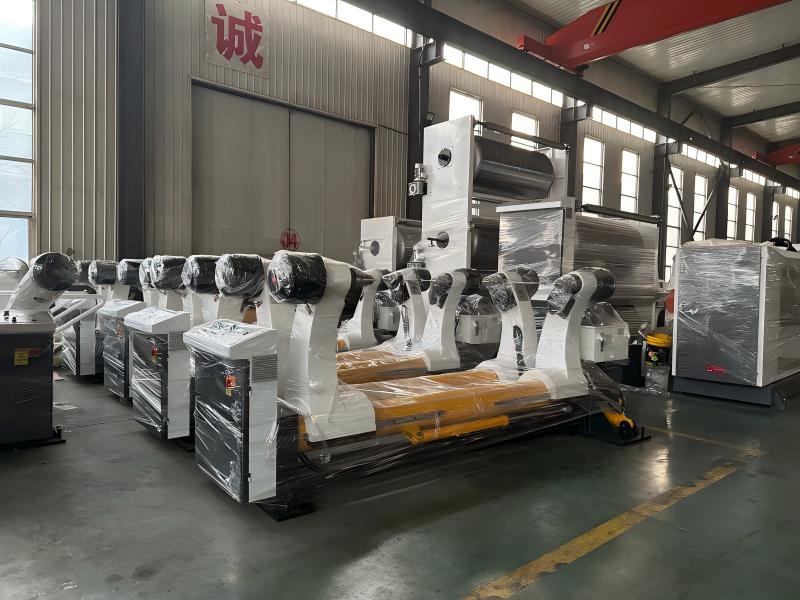
The heart of any carton plant is the corrugated cardboard production line, which turns base paper into three, five, or seven-layer corrugated board. This line is usually divided into two main sections: the wet end and the dry end.
- Wet end equipment:
- Base paper stand / mill roll stand
- Preheater and pre-conditioner
- Single facer
- Glue machine
- Double facer
- Bridge and paper feeder
The wet end combines liner and medium into corrugated board using heat, pressure, and adhesive to form stable flutes.
- Dry end (cadre) equipment:
- Rotary shear
- Slitter scorer
- Cross-cutter
- Stacker
The dry end slits and cuts the web into sheets according to order specifications, stacks them, and prepares them for converting.
Modern production lines need a high level of automation and an integrated production management system so you can handle short runs, multiple flute types, and fast changeovers—exactly what today's small-batch packaging buyers demand. [linkedin]
Once you have corrugated sheets, you need converting machines to print, cut, crease, and form the blank into a finished box.
A paper (sheet) separator helps separate and feed sheets accurately into downstream equipment. It stabilizes sheet transport, protects surface quality, and reduces double-feeding and misalignment, especially at higher speeds.
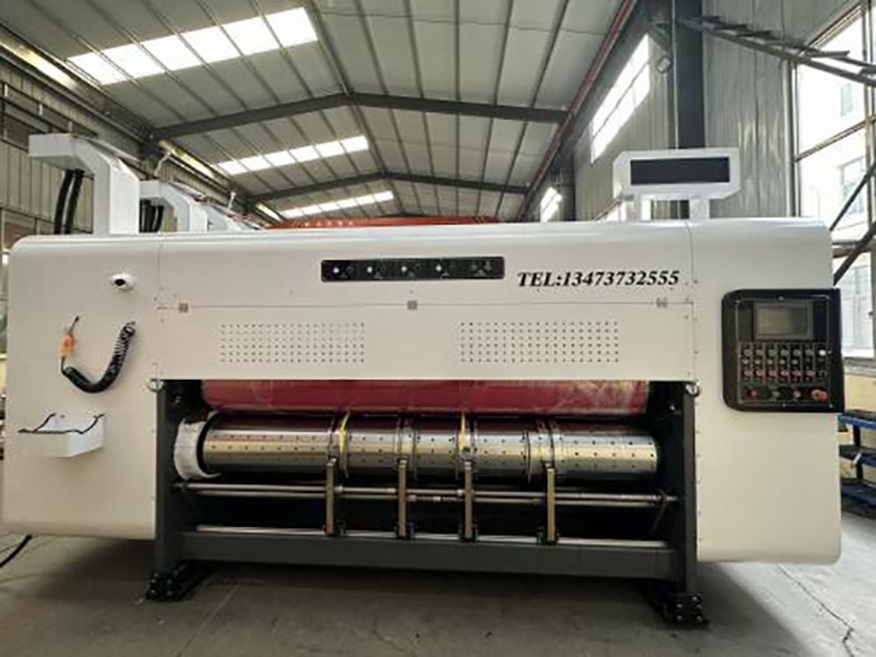
To put logos, handling symbols, barcodes, or full-color graphics on the box, you need a carton printing machine. There are several typical configurations:
- Flexo printing slotter: For one to four colors, high-speed mass production, widely used in shipping cartons.
- High-definition flexo or pre-print: For better graphics where brand image matters. [linkedin]
- Offset printing (via laminating): For premium retail packaging, you can print on coated paper first and laminate it to the corrugated board.
If your product portfolio includes both simple shipping cartons and high-end printed boxes, you may combine flexo printing slotter and laminating + offset solutions.
The slotting machine cuts the flaps and slots of the box and adds creases at the correct folding positions. In many modern lines, slotting is combined with printing (printing slotter), taking the sheet through:
- Feeding
- Printing
- Slotting and creasing
in one pass. This integration improves registration, reduces handling, and increases speed.
When you produce special shapes, display boxes, or die-cut hand-holes, a die cutting machine is essential.
Common types include:
- Rotary die cutter: For high-speed, continuous production, especially with flexo printing lines.
- Flatbed die cutter: For complex shapes, thicker materials, and precise edges.
Die cutting lets you offer more value-added packaging designs to customers, which is often a key differentiator in competitive export markets. [macraes]
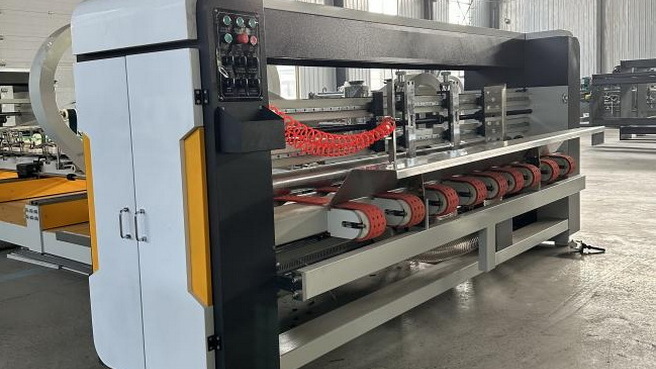
Although many machines integrate creasing, a dedicated line hitting (creasing) machine can be used when you need to reinforce fold lines or process blank sheets for specific box styles. This ensures boxes fold cleanly and stack well on pallets.
The final step of box forming is closing the manufacturer's joint using glue or metal staples.
- Folder gluer / sticking machine: Applies adhesive and folds the blank into a finished box, ideal for high-speed production and lighter boxes.
- Nail box (stitching) machine: Uses wire staples, often preferred for heavy-duty cartons and export packaging.
Many factories use both, depending on box size, loading weight, and customer requirements.
Besides the core machines, several auxiliary devices can significantly improve efficiency and quality.
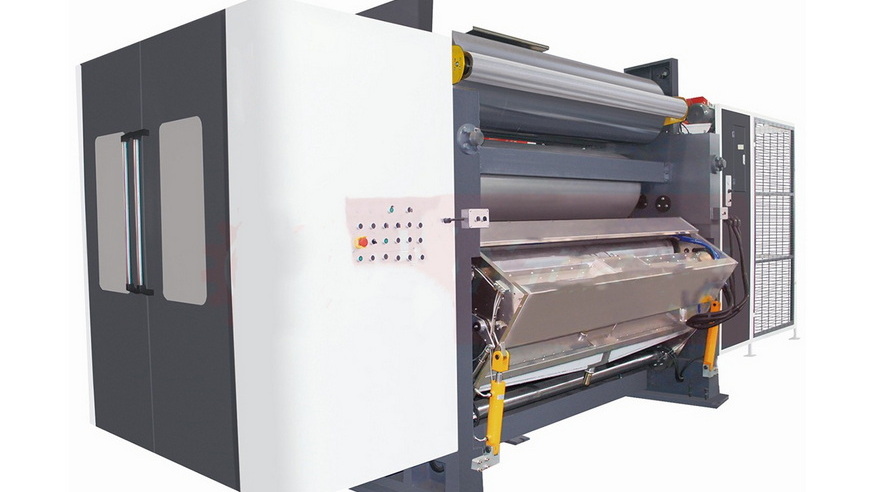
A laminating machine bonds printed paper or other substrates (like coated or metallized paper) to corrugated board. This is crucial when producing high-end printed boxes for cosmetics, electronics, or gift packaging. [linkedin]
Before running a full production batch, a carton proofing machine allows you to test design, print, and fit. This reduces waste, speeds up customer approval, and is especially helpful for OEM projects where brand owners request samples.
If you handle plate-making in-house, you may use:
- Laser engraving machine for flexible plates or embossing.
- Plate printer / CTP device for offset plates.
- Film-making machine for traditional workflows.
For many new plants, outsourcing plate-making is still a cost-effective option during the initial stage.
To support consistent quality and efficient workflow, consider:
- Conveyors and stackers
- Inspection tables or camera systems
- Strapping and palletizing equipment
These elements don't usually appear in the initial investment list, but they can dramatically improve throughput and labor productivity once your order volume grows. [macraes]
As a machinery manufacturer and OEM partner, we see three common buyer profiles, each requiring a different machine mix. [opalinfotech]
- Focus: Basic shipping cartons for local industries.
- Typical volume: Short to medium runs.
- Priority: Lower investment, flexibility.
Recommended minimum configuration:
- Entry-level corrugated line (single or double wall, manual splicer)
- 2–4 color flexo printing slotter
- Manual or semi-automatic slotter
- Semi-automatic folder gluer or stitching machine
Many startups initially outsource corrugated board and only invest in printing + slotting + gluing/stitching, then add a corrugator later once demand stabilizes. [macraes]
- Focus: Mix of standard cartons and customized packaging.
- Typical volume: Medium to high, more SKUs.
- Priority: Automation, changeover speed, consistent quality.
Recommended configuration:
- Automated corrugated line with integrated production management system
- Flexo folder gluer line with rotary die cutting capability
- Laminator for pre-printed or high-graphic jobs
- Dedicated quality control and stacking / strapping systems
This setup allows you to serve both industrial customers and brand owners while meeting fast delivery and shorter runs, which are now common in export markets. [linkedin]
- Focus: Branded packaging, retail-ready boxes, display units.
- Typical volume: High, but with frequent design changes.
- Priority: High print quality, complex structures, digital integration.
Recommended configuration:
- High-speed corrugator with quick flute change
- Combination of flexo lines and offset + laminating
- Rotary and flatbed die cutting
- Automated folder gluers with inline inspection
- Integrated MIS / ERP for order tracking and traceability
This is the type of line that many large OEM box plants use to support international brands in FMCG, electronics, and e‑commerce. [opalinfotech]
After years of helping customers select and install carton machinery, we've identified a few practical rules that protect margins and uptime.
- Avoid over-specifying your first corrugator: Choose a speed and working width that match realistic demand instead of theoretical maximums. [macraes]
- Invest in automation where labor is costly or unstable: Automatic stackers, order change systems, and glue kitchen automation often pay back faster than "extra speed" on the main line. [macraes]
- Standardize spare parts and control systems across machines to simplify maintenance and reduce downtime.
- Train operators systematically: Even the best equipment will perform poorly without skilled operators; documented procedures and continuous training are critical. [lsdigital]
- Use data: Modern lines can track waste, changeover time, and speed losses. Regular production audits directly align with Google's advice for continuous optimization and quality in digital content—but here, you apply it to physical production. [innovationvisual]
You can insert a concise table like this to help users quickly compare options and improve UX and SEO. [adroll]
| Plant type | Core machines | Typical add-ons |
|---|---|---|
| Startup converter | Flexo printing slotter, slotter, folder gluer / stitcher | Basic stacker, manual QC table |
| Regional plant | Corrugated line, flexo folder gluer, rotary die cutter | Laminator, automatic stacker, strapping |
| High-end OEM exporter | High-speed corrugator, flexo + offset, flatbed die cutter | Advanced QC, ERP/MIS, auto palletizing |
This table also gives you rich internal linking opportunities to your individual product pages. [adroll]
If you are planning to start or upgrade a carton box production line, choosing the right combination of machines is more important than buying the "biggest" or "fastest" model. A short engineering-led consultation can help you avoid over-investment, balance capacity, and design a line that matches your real order structure. [macraes]
You can contact our engineering team to:
- Get a customized machine list based on your current and projected order mix
- Compare full line options (startup, regional, OEM) with investment and ROI estimates
- Schedule a virtual or on-site factory tour to see running equipment
Ready to design your cardboard box production line? Contact our carton packaging equipment experts for a tailored configuration and quotation today.
Q1: What is the minimum set of machines I need to start making cardboard boxes?
A1: If you outsource corrugated sheets, the basic set includes a printing slotter, a slotting or die cutting machine, and a folder gluer or stitching machine to finish the box.
Q2: Do I need my own corrugated line, or can I buy sheets?
A2: Many new plants begin by buying corrugated sheets from established suppliers and only invest in a full corrugated line after orders become stable and large enough to justify the capital cost. [macraes]
Q3: What is the difference between a folder gluer and a nail box (stitching) machine?
A3: A folder gluer uses glue to close the joint and is ideal for high-speed production and lighter boxes, while a stitching machine uses metal staples and is preferred for heavy-duty export cartons.
Q4: When do I need a laminating machine?
A4: You need a laminating machine if you produce high-graphic or retail packaging, where offset-printed paper or special substrates must be bonded to corrugated board for premium appearance. [linkedin]
Q5: How can I make my carton plant more efficient without buying all-new machines?
A5: Improving automation (stackers, order change), operator training, and production management systems often delivers faster payback than replacing major machines, while also reducing waste and downtime. [innovationvisual]
1. Google Search Central – Search Engine Optimization (SEO) Starter Guide.
[https://developers.google.com/search/docs/fundamentals/seo-starter-guide]
2. Innovation Visual – Google's EEAT Guidelines – How To Remain Compliant.
3. LS Digital – E‑E‑A‑T Guidelines 2025: How to Build Google-Friendly Content.
[https://www.lsdigital.com/blog/e-e-a-t-guidelines-2025/]
4. AdRoll – Product Page SEO: How to Boost Rankings for Your Product Content.
[https://www.adroll.com/blog/product-page-seo-how-to-boost-rankings-for-your-product-content]
5. All About AI / LinkedIn – SEO for Packaging Businesses.
[https://www.linkedin.com/pulse/seo-packaging-businesses-allaboutai-com-nqubf]
6. MACRAES – SEO for Packaging Manufacturing Companies.
[https://macraes.com/seo-for-packaging-manufacturers/]
7. Opal Infotech – Digital Marketing for Packaging Machinery Manufacturers.
8. Samuel A. (LinkedIn) – Creating EEAT-Compliant Content: A Writer's Journey to Building Trust.
9. Giant Carton Machine – What Machines Are Needed to Make A Cardboard Box?
[https://www.giantcartonmachine.com/what-machines-are-needed-to-make-a-cardboard-box.html]
10. Hebei Ou Ye Carton Machinery – Carton Box Production (Contact & company info).
[https://www.ouyecartonmachine.com/products/Carton-Box-Production.html]


