
Views: 222 Author: Ouye Carton Machinery Publish Time: 2026-05-08 Origin: Site


Single facer modular upgrades give boutique box plants a flexible, lower‑risk way to scale capacity, while a complete corrugated production line delivers maximum integration for high‑volume, standardized production when investment and floor space allow. [bhs-world]

Boutique corrugated box plants today face a strategic choice: invest step‑by‑step in single facer–based modular upgrades or commit to a fully integrated complete production line from the start. As an OEM carton machinery manufacturer working with small and mid‑size converters, I see this decision shape margins, customer mix, and automation roadmaps for at least 5–10 years. In this article, I will walk through the technical, financial, and operational trade‑offs, using real‑world patterns we see in Chinese export‑oriented factories supplying global brands. The goal is to help plant owners, production managers, and investors choose a configuration that matches their volume, SKU variety, and risk tolerance—not just follow a generic "bigger is better" trend. [packleaderusa]
A single facer is the core corrugating unit that bonds one liner to a fluted medium to produce single‑faced board, which is then combined downstream into single‑wall or multi‑wall corrugated board. The machine handles unwinding, preheating, corrugating, gluing, and bonding of the flute to a liner in one continuous process. Because it directly determines flute geometry and bonding quality, single facer performance has a disproportionate impact on overall board strength, printability, and waste rates. [aopackmachine]
For boutique box plants, a stand‑alone or cassette‑type single facer offers several advantages:
- Lower initial investment compared with a full corrugator line. [autoboxup]
- Easier integration into existing semi‑automatic or mixed‑brand lines. [bhs-world]
- Faster installation due to modular skids and reduced foundation work. [packagingeurope]
- Flexible changeover via cassette systems for different flute profiles. [bhs-world]
In our OEM projects, we often see single facers used as the "first serious upgrade" when a plant moves from outsourcing board to producing in‑house for better lead times and quality control. [ouyecartonmachine]
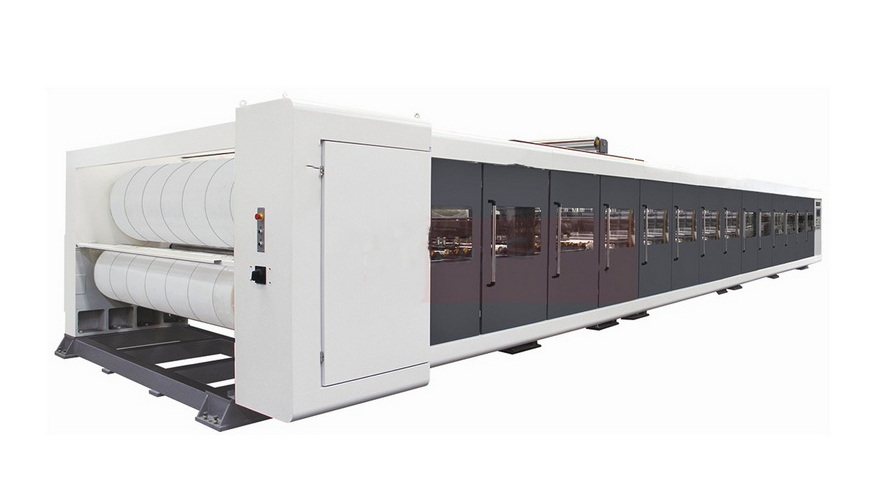
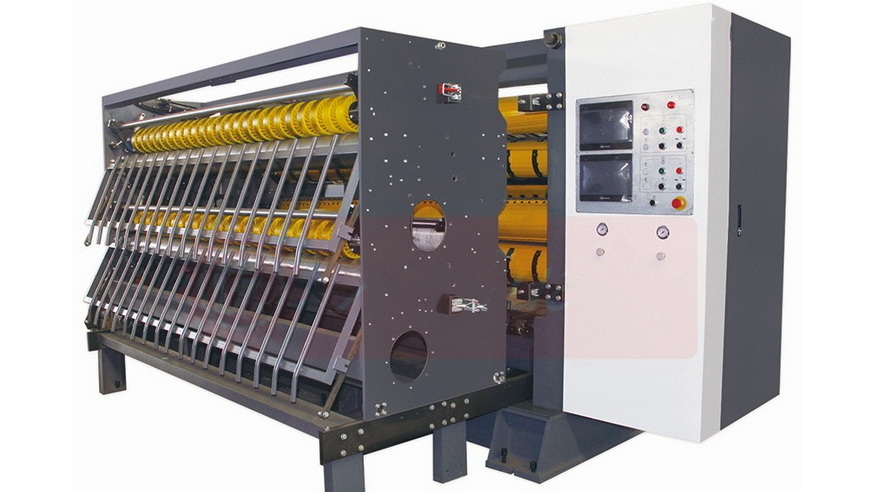
A complete corrugated production line links multiple modules—preheaters, splicers, single facer, bridge, double backer, slitter‑scorer, cut‑off, stacker, and often inline inspection—under a unified control and drive system. This full‑scale integration is designed to transform multiple paper rolls into stacked sheets of corrugated board in one seamless process, with centralized recipe management and synchronized speed control. [blogs.blueprintautomation]
Typical benefits for higher‑volume plants include:
- Higher running speeds and throughput per shift, especially in standardized SKUs. [alibaba]
- Better synchronization between units, reducing bottlenecks and mis‑timed cuts. [linkedin]
- More consistent board quality across long runs through closed‑loop process control. [blogs.blueprintautomation]
- Lower labor per ton and stronger OEE (overall equipment effectiveness) once stabilized. [packleaderusa]
However, this level of integration comes with a steeper learning curve, longer commissioning time, and a significant one‑time capital commitment that not every boutique plant can justify. [packleaderusa]
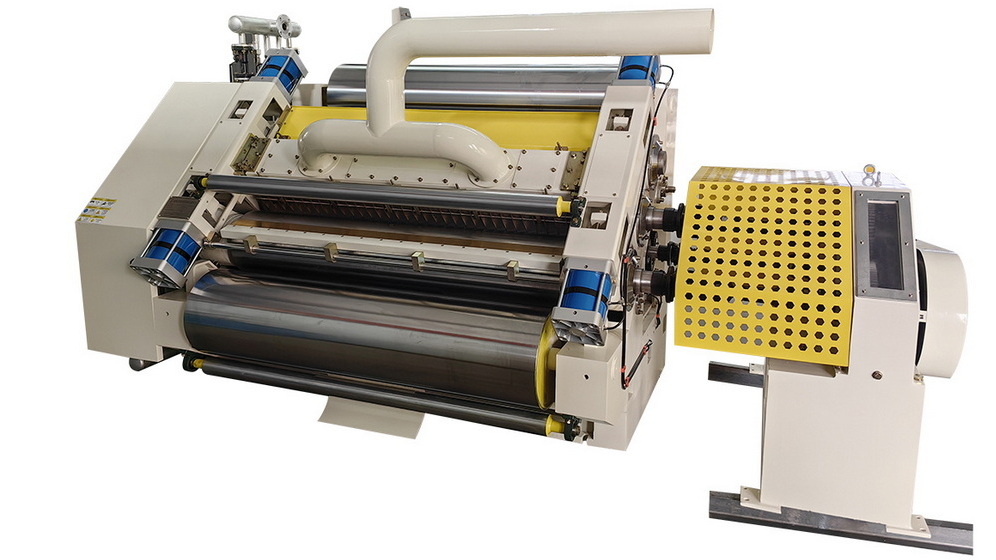
From my experience working with small and mid‑size box makers, a modular upgrade path usually follows 4 steps:
1. Add or replace a high‑performance single facer to secure board quality and basic capacity. [aopackmachine]
2. Upgrade downstream slitter‑scorer and cut‑off units for better size accuracy and less trim waste. [packagingeurope]
3. Integrate semi‑automatic or automatic stackers and material handling for labor reduction. [blogs.blueprintautomation]
4. Introduce data collection and light automation (sensors, simple MES) before jumping to a full line. [packagingeurope]
This incremental approach lets owners validate demand and product mix before committing to a monolithic, high‑speed corrugator. [packleaderusa]
Modular systems built around a single facer allow you to invest incrementally, adding components as growth proves itself. Compared with a complete line, this spreads risk and keeps debt loads more manageable, which is crucial for family‑owned plants and startups serving niche or seasonal products. [blogs.blueprintautomation]
Key financial plus points:
- Lower upfront CapEx and easier financing approvals for each step. [packleaderusa]
- Ability to match additional modules to specific customer contracts or product launches. [packagingeurope]
- Reduced risk of under‑utilized equipment if the market slows or shifts to new formats. [blogs.blueprintautomation]
From a personal standpoint as a supplier, I see more long‑term relationships with customers that grow modularly; they return for compatible upgrades instead of delaying a single massive decision for years. [ouyecartonmachine]
A fully integrated corrugated production line becomes attractive once your plant consistently runs multi‑shift operations, has relatively stable box formats, and targets regional or national brand customers demanding tight delivery windows. At that point, the per‑unit cost reduction and throughput gains often outweigh the initial investment. [bhs-world]
A complete line is usually justified when:
- Average monthly tonnage is high and growing steadily.
- You need synchronized speed above typical modular setups to keep up with orders. [bhs-world]
- Product mix is predictable enough to run long or medium runs with limited changeovers. [blogs.blueprintautomation]
- The plant has the floor space, power infrastructure, and skilled technicians to support it. [packagingeurope]
Our industry peers providing full corrugators highlight that integrated lines also simplify central data collection and advanced automation (recipe management, automatic splicing, tension control), which can further improve board consistency and energy usage. [bhs-world]
Modular lines with stand‑alone units often win on layout flexibility, allowing components to be re‑arranged or swapped as new machines are added. In contrast, integrated lines are optimized for a specific flow and may be less forgiving if SKU variety or plant layout needs change. [packleaderusa]
In practice:
- Boutique plants with many short runs and specialty boxes often favor modular setups around a strong single facer. [autoboxup]
- Plants focusing on large retailers, e‑commerce giants, or FMCG brands usually lean toward fully integrated corrugators to secure predictable, high‑volume output. [alibaba]
Below is a practical comparison that we often use in strategy workshops with boutique box plant owners.
| Aspect | Single facer modular upgrading | Complete production line full‑scale integration |
|---|---|---|
| Initial investment | Lower, stepwise CapEx, easier to finance for small plants autoboxup | High one‑time CapEx, requires strong financial backing packleaderusa |
| Scalability | Add modules gradually as orders grow packleaderusa | High capacity from day one; harder to "scale down" bhs-world |
| Layout flexibility | High; modules can be rearranged to fit existing space blogs.blueprintautomation | Lower; line typically designed for a fixed flow bhs-world |
| Product mix handling | Strong for varied SKUs and short runs autoboxup | Optimized for medium‑long runs of standardized boxes bhs-world |
| Automation level | Medium; can be upgraded module by module blogs.blueprintautomation | High; centralized controls and synchronized drives bhs-world |
| Integration risk | Lower; issues confined to individual machines packleaderusa | Higher; a fault can impact the whole line linkedin |
| Commissioning time | Shorter; modules can go online in phases bhs-world | Longer; full system tuning required bhs-world |
| Operator skill requirement | Moderate; easier cross‑training by module aopackmachine | High; requires experienced technicians and process engineers bhs-world |
| Best fit plant profile | Boutique, niche, or growing regional converters autoboxup | Large regional or national corrugated plants bhs-world |
From a user‑experience point of view, operators and maintenance teams will feel the difference between the two approaches every day. A modular line built around a single facer usually offers more straightforward local controls and easier isolation of problems to a specific unit. Troubleshooting and planned maintenance can be scheduled machine by machine, often without shutting down the entire plant. [packagingeurope]
On a complete line, centralized HMIs, recipe management, and visualization dashboards provide excellent visibility, but the complexity of drives and interlocks can be intimidating for smaller teams. Plants that succeed with this model typically invest in extensive training, clear SOPs, and strong partnerships with the OEM for remote diagnostics and regular service visits. [huayucartonmachinery]
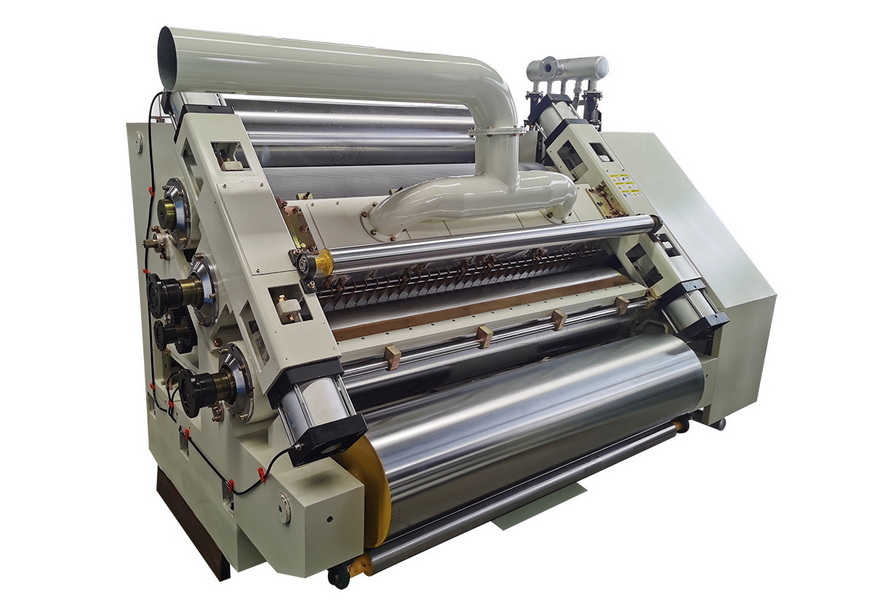
Imagine a 5,000–8,000 m² plant focused on boutique rigid boxes, gift packaging, and short‑run promotional cartons for regional brands. They manage dozens of SKUs with frequent design changes and occasional seasonal spikes. For this profile, we typically recommend a high‑quality single facer combined with modular downstream units such as slitter‑scorers, stackers, and digital or flexo printing units chosen to match SKU mix. [autoboxup]
The benefits this type of customer usually reports:
- More control over board quality compared with buying all board externally. [adamsbox.com]
- Ability to run short orders without over‑committing to long corrugator runs. [autoboxup]
- Faster payback because the investment is closely aligned with specific customer programs. [packleaderusa]
Now consider a plant that already runs strong volumes for e‑commerce, food and beverage, and logistics packaging and wants to become a regional corrugator hub. Once their average daily tonnage and customer base reach a certain threshold, it becomes more cost‑effective to migrate from a modular configuration to a fully integrated line with higher speed and automation. [alibaba]
In such cases, many owners choose a hybrid path: they start with a single facer–based modular line and, once demand stabilizes, invest in a complete line while keeping key modular units as backup or for specialty runs. This staged strategy reduces risk while still capturing the long‑term benefits of full‑scale integration. [blogs.blueprintautomation]
As a Chinese OEM specializing in carton packaging equipment, Hebei Ou Ye Carton Machinery Co., Ltd. supplies single facers, carton printing machines, and related modules on an OEM and private‑label basis to global converters. Our engineering teams configure machines for different markets, adjusting feeding sizes, flute combinations, automation level, and control interfaces to align with each customer's strategy. [ouyecartonmachine]
For customers choosing a modular route, we emphasize:
- Compatibility of each module to reduce future integration headaches. [linkedin]
- Upgrade‑ready electrical and control architectures so new units can be added cleanly later. [packagingeurope]
- OEM branding, color schemes, and labeling to support distributors and local system integrators. [yctdpack]
For plants targeting complete lines, we coordinate with partners for upstream and downstream equipment, aiming for consistent communication protocols, safety concepts, and service standards. [yctdpack]
Before choosing between single facer modular upgrades and a complete line, use a structured checklist:
1. Quantify current and projected monthly board tonnage for the next 3–5 years.
2. Analyze SKU profile: average run length, number of flute types, and seasonal peaks. [alibaba]
3. Map available floor space, power, and logistics flows in your existing plant. [packagingeurope]
4. Assess your team's technical capability and willingness to adopt higher automation. [bhs-world]
5. Evaluate financing options and acceptable payback period for each investment scenario. [packleaderusa]
From experience, when plants complete this exercise honestly, the "right" choice between modular and fully integrated often becomes obvious, especially when viewed in light of risk tolerance and growth strategy. [blogs.blueprintautomation]
To strengthen UX and engagement:
- Process flow diagram: Show the journey from paper rolls to finished board for both modular and integrated setups side by side.
- Short explainer video: A 60–90 second animation comparing a single facer module and a full corrugator line, focusing on how board flows and where automation differs.
- ROI chart: Simple bar or line chart illustrating payback periods for typical boutique vs. regional plant scenarios based on investment size and utilization assumptions. [packleaderusa]
For boutique box plants, a single facer–centered modular upgrade path offers controllable steps, high flexibility, and lower risk, especially when product variety is high and long‑term demand is still maturing. A complete production line becomes compelling once volumes are stable, layouts are fixed, and the organization is ready to manage an integrated, high‑speed corrugator with the required technical depth. [autoboxup]
If you are evaluating your next investment cycle, consider sharing your current production data, plant layout, and growth goals with an OEM partner that understands both approaches. Hebei Ou Ye Carton Machinery can help you blueprint a phased roadmap—from the first single facer module to a future full‑scale line—so each step supports the next rather than locking you into a dead‑end configuration. [ouyecartonmachine]
Q1: Is a single facer enough for a small boutique box plant starting in corrugation?
A single facer plus basic downstream modules is often sufficient for boutique plants moving from outsourced board to controlled in‑house production, especially when order volumes are moderate and SKU variety is high. [aopackmachine]
Q2: When should I consider upgrading from a modular single facer line to a complete production line?
Consider a complete line when your tonnage, run lengths, and customer commitments require higher speeds, centralized control, and lower per‑unit costs than a modular setup can economically deliver. [alibaba]
Q3: Are modular single facer lines harder to integrate than full corrugators?
When designed thoughtfully, modular lines can integrate smoothly, but neglecting mechanical and control compatibility across vendors is a common mistake that leads to bottlenecks and downtime. [linkedin]
Q4: How does operator training differ between modular and integrated lines?
Modular setups usually involve simpler, local controls that are easier to master unit by unit, while integrated lines demand deeper understanding of system‑wide synchronization, recipes, and diagnostics. [huayucartonmachinery]
Q5: Can an OEM provide both modular components and support for complete lines?
Yes, many OEMs—especially those with broad corrugation portfolios—supply single facers, printing machines, and related modules while also partnering on complete line projects with consistent controls and service standards. [yctdpack]
BHS Corrugated – Single Facer product information and benefits. https://www.bhs-world.com/en/corrugators/individual-machines/single-facer
AOPACK – Single Facer Machine FAQ Guide, process and cost impact. https://www.aopackmachine.com/single-facer-machine-faq-guide/
Autoboxup – Advantages of single‑facer corrugated machines. https://www.autoboxup.com/single-facer-corrugated-machine/
Pack Leader USA – Modular vs. integrated packaging machinery cost and flexibility. https://www.packleaderusa.com/blog/modular-vs-integrated-packaging-machinery-which-fits-your-line-best
Blueprint Automation – Comparing all‑in‑one and modular packaging systems. https://blogs.blueprintautomation.com/comparing-all-in-one-and-modular-packaging-systems
Packaging Europe – Modularity and digitalisation in packing machines. https://packagingeurope.com/packing-machines-modularity-and-digitalisation-are-the-key-to-more-flexibility/4321.article
Alibaba Product Insights – Overview of single‑face corrugated box production line. https://www.alibaba.com/product-insights/single-face-corrugated-box-production-line.html
Industry paper – General issues and recommended standards for corrugated board. https://adamsbox.com.pl/wp-content/uploads/2024/07/general-issues-and-the-recommended-standards-for-corrugated-board.pdf
LinkedIn article – Mistakes to avoid when choosing corrugated box equipment. https://www.linkedin.com/pulse/5-mistakes-avoid-when-choosing-corrugated-zsotc
Hebei Ou Ye Carton Machinery – OEM carton machinery and printing solutions. https://www.ouyecartonmachine.com/products/Carton-Box-Production.html https://www.ouyecartonmachine.com/carton-printing-machine.html
Y.C.T.D. and Huayu – Examples of Chinese OEMs offering complete packaging lines. https://www.yctdpack.com https://www.huayucartonmachinery.com


