
Views: 222 Author: Amanda Publish Time: 2025-08-08 Origin: Site


Content Menu
● What Is a Printing Slotting Die Cutting Machine?
● Why Japan? The Advantages of Japanese Machinery
>> Precision Engineering and Reliability
● Leading Printing Slotting Die Cutting Machine Manufacturers and Suppliers in Japan
>> Iijima Manufacturing Co., Ltd.
● Technology and Features of Japanese Slotting Die Cutting Machines
● How Automatic Flexo Printer Slotter Carton Machines Work
● Market Segments and Applications
● Selecting the Right Manufacturer or Supplier
● Emerging Trends in Printing Slotting Die Cutting Technology
● Frequently Asked Questions (FAQ)
>> 1. What are the main differences between slotting and die-cutting in carton box production?
>> 2. Why choose Japanese Printing Slotting Die Cutting Machine Manufacturers and Suppliers?
>> 3. Can these machines handle both small-batch and high-volume orders?
>> 4. How do I maintain and service these machines?
>> 5. Are machines compatible with international standards for export?
In the world of modern packaging, Printing Slotting Die Cutting Machine Manufacturers and Suppliers play a pivotal role in ensuring efficient, high-quality, and customizable solutions for carton box production. Japan, renowned for its industrial technology and precision engineering, is home to several leading manufacturers specializing in the design and production of advanced flexo printers, slotters, and die cutters. This article offers a comprehensive look into the Japanese market and highlights key manufacturers, technology trends, industry applications, and how to select the right supplier for your business.
A Printing Slotting Die Cutting Machine is an essential piece of packaging machinery that automates the processes of printing, slotting, and die-cutting corrugated carton boards. The machine transforms raw sheets into ready-to-use boxes by:
- Flexographic Printing: Applying accurate designs and branding onto cardboard.
- Slotting: Cutting grooves or slots into sheets for folding and assembly.
- Die Cutting: Cutting special shapes (such as windows or handles) or producing complex box designs efficiently.
This integrated operation increases productivity, reduces labor, and ensures outstanding reproducibility and precision throughout the manufacturing cycle.
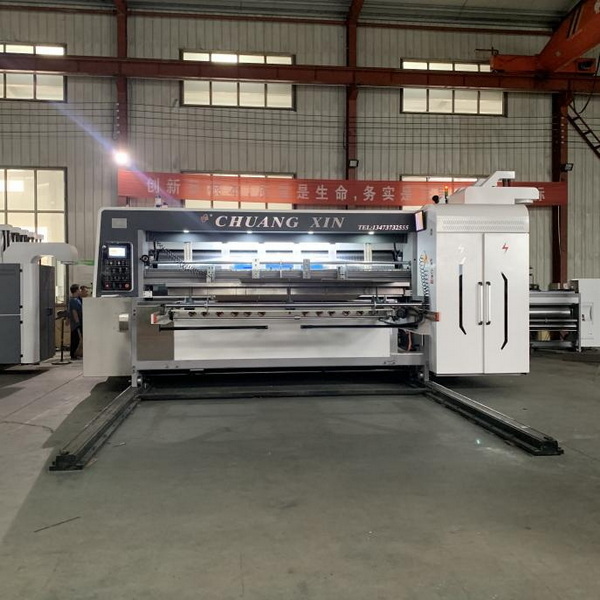
Japanese Printing Slotting Die Cutting Machine Manufacturers and Suppliers are recognized for:
- High-precision machining standards.
- Utilization of durable alloys and advanced components such as NSK bearings and Shimpo reducers.
- Automated systems optimized for speed, accuracy, and safety.
Continuous R&D investment keeps Japanese firms at the forefront of automation, digital control, and energy efficiency. Firms frequently release new models with improved memory, servo-driven systems, and enhanced safety protocols.
Established in 1951 in Osaka, Sakamoto Zoki is renowned for custom-designed die cutting machines that utilize in-house developed servo controls and ball screw systems. Their machines feature a 10mm thick, precision-polished steel table for unmatched flatness, coupled with high-performance positioning via camera systems. The brand supports foreign language displays catering to a global clientele and offers memory storage for up to 10,000 products, enabling rapid job changeovers. Ideal for industries including automotive, office automation equipment, packaging, and precision components, Sakamoto Zoki is a reliable choice for high-precision needs.
Founded in 1947, Shinko Machine has decades of experience in manufacturing corrugated box making machines, flexo printers, folder gluers, and FFG systems. Shinko is noted for pioneering the integration of computerized controls in box production, particularly via technical cooperation with Marumatsu Corporation. Their "SHINKONUC" brand is synonymous with strength and precision, making them a preferred option for automated and high-efficiency production lines.
Starting operations in 1947, Sanki Machinery specializes in sticker and label printing machines, as well as packaging equipment. Their product range caters to diverse industries and emphasizes reliability and customization based on client needs. While focused on labels and packaging, their expertise ensures efficient and precise slotting and die-cutting machinery designs.
Operating for over 40 years, Iijima Manufacturing has built a reputation for durable and innovative automatic die-cutters and creasers. Their machines cover a broad spectrum, ranging from simple automatic die-cutting devices to sophisticated systems optimized for various packaging applications. Known for flexible and customizable solutions, Iijima's offerings suit a wide array of production environments.
As part of a growing trend, many Japanese firms collaborate closely with Chinese manufacturers to develop cost-effective yet high-precision machinery. These Sino-Japanese ventures combine Japanese technological sophistication with Chinese manufacturing efficiencies, delivering machines that balance quality, affordability, and performance. This hybrid approach supports companies seeking the advantages of advanced technology with improved return on investment.

Japanese slotting die-cutting machines are characterized by their integration of cutting-edge technologies designed to enhance productivity, accuracy, and user experience:
- Servo Motor Drives: These ensure highly accurate positioning and adjustment, reduce noise, minimize wear and tear, and improve energy efficiency.
- User-Friendly Controls: Machines often come equipped with responsive touchscreens, extensive memory storage capabilities, and support for multiple languages to accommodate international operators.
- Safety Systems: Emergency stops, sensor-based guarding, and automated die change features enhance operator safety and maintenance efficiency.
- High-Speed Performance: Some advanced models reach production rates exceeding 15,000 pieces per hour, meeting the needs of high-volume manufacturers.
- Remote Monitoring and Integration: Modern machinery often includes ERP connectivity, remote diagnostics, and easy setup changes, enabling seamless integration into Industry 4.0 and smart factory environments.
These advanced machines integrate multiple stages into a seamless workflow to optimize carton production:
1. Flexo Printing: This stage applies logos, graphics, and product-specific details onto the cardboard substrate using flexographic techniques.
2. Slotting: The process cuts slots or grooves along precise lines to facilitate folding and assembly.
3. Die Cutting: Customized shapes and designs are produced using specialized dies, enabling complex box configurations including handles, windows, and artistic cutouts.
4. Folding and Gluing: Automated folding mechanisms and glue dispensers form the structural integrity of the carton box.
5. Ejecting: Finished cartons are discharged from the machine for downstream packing or shipping operations.
This combination delivers consistent product quality, minimizes material waste, and significantly reduces manual labor requirements.
Japanese printing slotting die cutting machines serve a variety of market sectors:
- OEM/ODM Manufacturing: These machines are favored by OEM partners producing packaging solutions for international brands due to their precision, durability, and adaptability.
- Local Box Plants and Wholesalers: User-friendly operation and robust construction provide excellent ROI for domestic packaging operations and wholesalers.
- Export Packaging: High-speed and versatile machines support export-oriented producers requiring both quality and volume flexibility.
When choosing a supplier for printing slotting die cutting machines, consider critical factors that impact long-term success:
- Product Range and Customization: Ensure the manufacturer offers machines configurable to your specific production needs, including size ranges, speed, and automation levels.
- After-Sales Service and Support: Global or regional service networks with timely responsiveness are essential to reduce downtime.
- Spare Parts Availability: Suppliers that maintain local inventories and quick shipping options bolster operational continuity.
- Technology Validation: Preference should be given to manufacturers using reputable components and compliant with international safety and quality standards.
- Integration Capabilities: Machines capable of ERP or MES system integration support smart factory initiatives and enable better production management.
- Digitalization: Increasing adoption of digital pre-setting, recipe management systems, and the Internet of Things (IoT) positions manufacturers for greater efficiency and traceability.
- Sustainability: Focus on energy-saving motors, environmentally friendly inks, and low-waste processes responds to global environmental directives.
- Higher Production Speeds: Innovations in servo control and material handling enable output of greater volume without compromising quality.
- Smart Factory Connectivity: Integration of real-time monitoring, predictive maintenance, and remote diagnostics enhances operational reliability and reduces unplanned stoppages.
- Customization and Flexibility: Machines are increasingly design to switch between multiple job types quickly, helping manufacturers handle diverse product runs and shorter lead times.
Japan's Printing Slotting Die Cutting Machine Manufacturers and Suppliers embody the pinnacle of quality, innovation, and precision in the global packaging machinery industry. Whether you are running a local packaging plant or a multinational OEM operation, investing in Japanese technology ensures you receive highly efficient, durable, and flexible machinery tailored to meet stringent market demands. By selecting the right supplier, your business can benefit from seamless workflow integration, future-proof automation capabilities, and world-class after-sales service—key factors to maintaining a competitive edge in today's fast-evolving packaging sector.

Slotting refers to cutting grooves or slits into cardboard sheets to create fold lines, essential for box folding and assembly. It is generally suitable for straightforward box designs. Die-cutting, however, uses custom-made molds (dies) to cut complex shapes, such as windows, handles, or decorative patterns, enabling more intricate and specialty packaging designs.
Japanese manufacturers are renowned for their precision engineering, reliability, and integration of advanced automated controls. Their machines tend to have reduced downtime, superior build quality, and extended service life, which is especially important for companies with high-volume or specialized packaging production needs.
Yes, many Japanese printing slotting die cutting machines feature memory storage for quick job setups and changeovers, making them suitable for diverse production scales—from small custom batches to large-scale mass production.
It is best to choose suppliers who provide comprehensive after-sales support, including training, readily available spare parts, and remote monitoring services. Many manufacturers now also offer online diagnostics and global on-site service capabilities.
Leading Japanese manufacturers design their machines to comply with international safety and quality standards such as CE certification. They also often provide multilingual interfaces and adapt to varying electrical standards to cater to global markets.


