
Views: 222 Author: Amanda Publish Time: 2025-09-22 Origin: Site


Content Menu
● Overview of a Manual Strapping Machine
● Step-by-Step Operation of a Manual Strapping Machine
>> 1. Measure and Cut the Strap
>> 2. Wrap the Strap Around the Package
>> 3. Thread the Strap Through the Tensioner
>> 5. Place the Metal Seal and Seal the Strap
>> 6. Cut Off the Excess Strap
● Important Tips for Safe and Efficient Use
● Common Applications of Manual Strapping Machines
● Advantages of Manual Strapping Machines
● Maintenance and Troubleshooting
● Frequently Asked Questions (FAQ)
>> 1. How do I choose the right strap for my manual strapping machine?
>> 2. Can manual strapping machines handle different package sizes?
>> 3. How often should I maintain my manual strapping machine?
>> 4. What safety precautions should I take while operating the machine?
>> 5. What should I do if the strap slips or the seal doesn't hold?
● Overview of a Manual Strapping Machine
● Step-by-Step Operation of a Manual Strapping Machine
>> 1. Measure and Cut the Strap
>> 2. Wrap the Strap Around the Package
>> 3. Thread the Strap Through the Tensioner
>> 5. Place the Metal Seal and Seal the Strap
>> 6. Cut Off the Excess Strap
● Important Tips for Safe and Efficient Use
● Common Applications of Manual Strapping Machines
● Advantages of Manual Strapping Machines
● Maintenance and Troubleshooting
● Frequently Asked Questions (FAQ)
>> 1. How do I choose the right strap for my manual strapping machine?
>> 2. Can manual strapping machines handle different package sizes?
>> 3. How often should I maintain my manual strapping machine?
>> 4. What safety precautions should I take while operating the machine?
>> 5. What should I do if the strap slips or the seal doesn't hold?
Using a manual strapping machine is a fundamental skill for securing packages effectively and safely in various industries that rely on carton packaging. Hebei Ouye Carton Machinery Co., LTD., as an intelligent factory specializing in carton packaging machinery design and manufacturing, provides OEM solutions tailored to the global market. This comprehensive guide covers everything you need to know about operating a manual strapping machine, from understanding its components to step-by-step operation, safety tips, and practical maintenance advice.
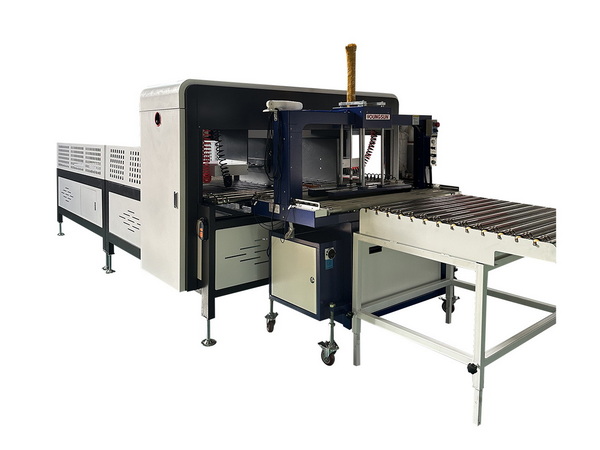
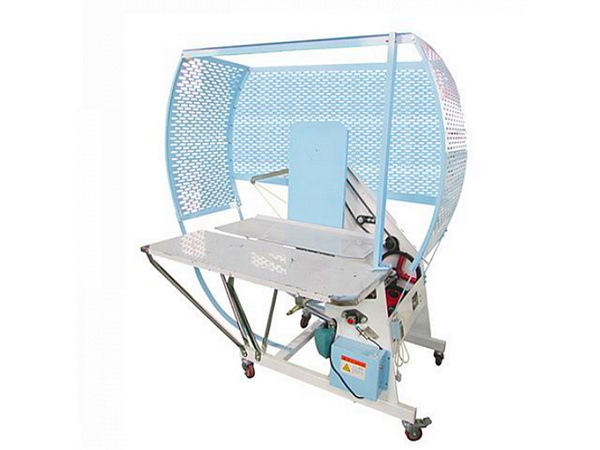
A manual strapping machine is a tool that allows operators to tension, seal, and cut strapping tape around packages or pallets manually. It is simpler and more cost-effective than automatic or semi-automatic strapping machines, making it ideal for businesses that need flexibility or have lower packaging volumes. The strapping usually consists of durable polypropylene (PP), polyester (PET), or steel tapes designed to withstand transportation stresses.
To operate a manual strapping machine efficiently, familiarity with its key parts is crucial:
- Tensioner: Tightens the strap securely around the package.
- Sealer: Uses metal seals to join the overlapping strap ends.
- Cutter: Trims excess strap after sealing.
- Strap Guides: Direct the strap's path through the machine.
- Metal Seals: Clips that lock the strap after tensioning.
- Strap Coil: The roll of strapping tape.
Before using the manual strapping machine, make sure the following are in place:
- Use only approved straps that match your machine's specifications—typically PP or PET straps of recommended thickness and width.
- Have a sufficient quantity of metal seals available.
- Ensure the work area is clean, well-lit, and free of obstacles.
- Wear protective gloves and safety glasses to prevent injuries.
Measure a length of strap approximately 15–20 cm longer than the package's perimeter to allow for tensioning and sealing. Cut the strap cleanly to avoid fraying.
Position the strap around the package, ensuring it lies flat and is not twisted. Align the strap to cover the area that requires securing, usually horizontally or vertically across cartons or pallets.
Insert the strap's loose end into the tensioner component of the machine, threading it according to the manufacturer's instructions. Make sure the strap passes correctly under rollers and guides so it can be pulled tight.
Use the tensioner handle to tighten the strap by repeatedly pumping the handle. This mechanism pulls the strap tight around the package, applying even pressure to secure the load. Continue until the strap is firmly snug but not so tight as to damage the packaging.
Slide a metal seal over the overlapping strap ends. Using the sealer tool, crimp the seal firmly until it locks the strap securely. The seal prevents the strap from loosening or coming undone during handling and transport.
Activate the cutter mechanism, usually integrated into the tensioner or sealer, to trim off excess strap close to the seal. Ensure the cut is clean and the strap end is flush to avoid sharp edges.
- Always inspect straps for tears or damage; defective straps can lead to failure during transport.
- Keep fingers and hands clear of moving parts and sealing areas.
- Regularly lubricate the machine's moving components as per manufacturer guidelines to avoid rust and wear.
- Train all operators thoroughly to minimize errors and accidents.
- Store metal seals in a dry place to prevent rusting.
Manual strapping machines are widely used in:
- Securing cartons in warehousing and shipping.
- Bundling textile and clothing items.
- Stabilizing machinery parts for shipment.
- Palletizing heavy loads for logistics.
- Agricultural packaging and industrial production lines.
- Cost-effective and requires no electricity, making it highly portable.
- Versatile for different strap sizes and package types.
- Simple design ensures less maintenance and easy repairs.
- Ideal for small to medium packaging operations.
- Enables precise tension control by operator.
Regular maintenance is essential for optimal performance:
- Clean the machine daily to remove dust and debris.
- Check for worn or broken parts like cutters, tensioners, and sealers.
- Replace damaged components promptly.
- Perform monthly lubrication of moving parts.
- If the strap jams, unload the coil and carefully re-thread the strap through the machine.
- For sealing problems, inspect metal seals for correct size and crimping force.
Mastering the use of a manual strapping machine is vital for anyone involved in packaging and shipping. Proper handling, tensioning, sealing, and cutting ensure products are securely bound, minimizing damage and loss during transit. Hebei Ouye Carton Machinery Co., LTD offers advanced yet user-friendly packaging machinery tailored for multiple industries, combining robust design with precision engineering. By following the guidelines above, users can maximize machine efficiency, safety, and product security in their operations.
Select the strap type (PP, PET, or steel) according to your packaging needs. PP is suitable for light loads, PET provides higher tensile strength for heavier loads, and steel straps are for industrial heavy-duty use. Make sure the strap width and thickness match your machine specifications.
Yes, manual strapping machines are flexible and can strap packages of varying sizes by adjusting the strap length and tension accordingly.
Clean and inspect the machine daily, lubricate moving parts monthly, and replace worn-out components as needed to prolong machine life and maintain performance.
Always wear protective gear such as gloves and safety glasses, keep hands clear of the tensioner and sealing area, and ensure proper operator training to prevent accidents.
Check if the strap is properly threaded and tensioned. Ensure metal seals are correctly sized and the sealer tool is functioning properly. Replace any worn or damaged parts and retighten the strap.


