
Views: 222 Author: Ouye Carton Machinery Publish Time: 2026-04-15 Origin: Site


As someone who has spent years inside real carton plants, I can tell you that "box on demand" machines are quietly transforming how packaging is designed, produced, and delivered. Instead of buying and stocking hundreds of fixed-size boxes, more factories now make exactly the box they need, exactly when they need it. [aopackmachine]
In this guide, I'll explain in plain language what a Box On Demand machine is, how it works, who it's for, and how it compares with traditional carton equipment—combining hands-on factory insights with the latest market data. I'll also show you where a specialized OEM factory like Hebei Ou Ye Carton Machinery Co., Ltd. fits into this fast‑growing segment of the corrugated packaging industry. [360researchreports]
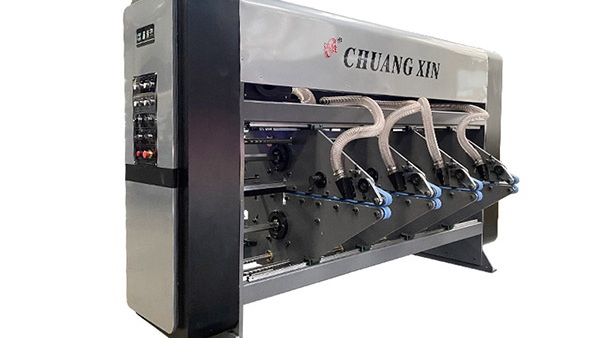
A Box On Demand (BOD) machine is an automated system that produces custom corrugated boxes in real time, based on the dimensions and style you input for each order. [weldmaster]
Instead of running large batches of standard cartons, you:
- Enter length, width, height, and box style on a touchscreen
- Feed corrugated sheets or fanfold material
- Let the machine slot, slit, crease, cut, and sometimes glue automatically
- Receive a right-sized box for that specific product or shipment [aopackmachine]
In other words, a Box On Demand machine is like a "digital printer" for corrugated boxes—you push a button, and the box you need comes out, one job after another. [manufacturing-today]
From an engineer's perspective, modern BOD machines are built around fully digital, servo-driven modules controlled by software. A typical workflow looks like this: [aopackmachine]
1. Input Order Data
- The operator enters the box size and style (e.g., RSC, FOL, die‑cut style) on a user-friendly touchscreen HMI. [aopackmachine]
- Orders can also be pulled from ERP/WMS for high-volume facilities. [packsize]
2. Automatic Machine Setup (1–6 seconds)
- Servo motors position the slotting, slitting, creasing, and cutting units to the exact coordinates in about 1–6 seconds, without manual adjustment. [aopackmachine]
- This near‑instant changeover is critical for short runs and multi‑SKU environments. [weldmaster]
3. Corrugated Feeding
- Operators load 1–50 sheets of corrugated board, or continuous fanfold, into the infeed. [weldmaster]
- The feeding section then automatically pulls sheets through, minimizing operator fatigue and handling time. [aopackmachine]
4. All‑in‑One Processing
Depending on machine configuration, the line can include:
- Slotting and scoring
- Creasing and slitting
- Vibrating knife or rotary cutting
- Inline gluing and folding
- Optional single‑color or multi‑color printing [weldmaster]
5. Finished Custom Box
- The output can be flat blanks ready for gluing or pre‑glued cartons ready for packing, depending on your layout and automation level. [weldmaster]
For packaging teams, this means you no longer design production around the machine; instead, the machine follows your order mix in real time.
From both a production and financial standpoint, Box On Demand machines offer several critical benefits.
Because boxes are right-sized around the product, you dramatically reduce empty space in the carton and the amount of void fill required. This leads to: [packsize]
- Fewer dimensional weight (DIM) surcharges from carriers
- More cartons per pallet and per truck
- Less damage due to product movement inside the box [packsize]
Some industry reports show 28–50% lower shipping costs and 20–90% less packaging waste when switching to on‑demand right-sized packaging. [weldmaster]
Traditional box programs require large inventories of standard sizes, many of which are under‑utilized. With on‑demand boxes: [manufacturing-today]
- You cut corrugated to exact dimensions, reducing trim and scrap
- You reduce the number of SKUs in warehouse stock
- You free up warehousing space previously used to store bulky premade containers
Market data indicates factories using on‑demand packaging can reduce corrugated material usage by around 20–30% on average. [360researchreports]
Because set‑up is digital, changeover time drops from minutes to seconds. Operators no longer constantly adjust knives, wheels, and guides. Results include: [aopackmachine]
- Production changeovers 2–3× faster, especially for short runs
- Reduction in repetitive tasks and manual handling
- Simpler cross‑training—operators learn recipes and interface rather than tooling [weldmaster]
In a multi‑SKU e‑commerce warehouse, this can be the difference between chasing orders all day and running a stable, predictable packaging line.
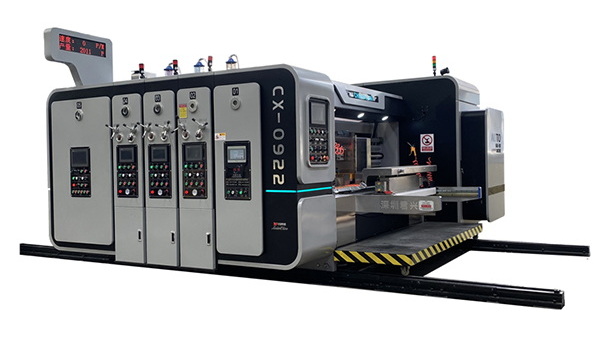
In our experience, the companies that benefit most from Box On Demand technology share one or more of these traits: [360researchreports]
- High SKU diversity with unpredictable order volumes
- Frequent short runs and custom box requirements
- Pressure from carriers on DIM weight and package size
- Strategic goals around sustainability, waste reduction, and automation
Typical application scenarios include:
- E‑commerce fulfillment centers shipping thousands of mixed orders daily
- 3PLs and logistics providers packaging for multiple brands
- Furniture, appliances, and industrial components with highly variable product sizes
- Custom printing and packaging houses that need flexible, short-run box production
For more traditional high‑volume, low‑mix production, conventional corrugated lines plus selective Box On Demand capacity often deliver the best ROI.
From a factory‑level perspective, Box On Demand is not a replacement for all corrugated equipment—it is a complementary technology. Here is a simple comparison:
| Aspect | Box On Demand Machine | Traditional Carton Line |
|---|---|---|
| Batch Size | Optimized for small to medium, multi‑SKU batches aopackmachine | Optimized for long, repeat runs |
| Changeover Time | 1–6 seconds digital setup aopackmachine | Manual set‑up; changeovers often measured in minutes |
| Box Variety | Highly flexible; hundreds of sizes per shift aopackmachine | Best suited to a limited set of standard sizes |
| Inventory | Minimal finished box inventory; more corrugated stock weldmaster | Large finished box inventory, more SKUs |
| Labor | Less manual intervention, higher automation aopackmachine | More operators for setup, stacking, and changeovers |
| DIM & Waste | Right‑sized boxes, 20–30% less material weldmaster | More void fill and unused space |
For many manufacturers and exporters, the ideal layout is a mix: high-speed traditional lines for your top, stable SKUs, supported by one or more Box On Demand machines for special sizes, short runs, and OEM customization.
Industry research shows that around 37% of factories have already adopted some form of on‑demand packaging system, achieving about 22% material waste reduction and better supply chain flexibility. At the same time, smart manufacturing with IoT-enabled machines is gaining 31% penetration, helping reduce downtime by roughly 19%. [360researchreports]
From an OEM manufacturer's view, several macro trends drive Box On Demand adoption:
1. E‑commerce Growth & Personalization
Online sellers need packaging that adapts to constantly changing product mixes and promotion cycles. [packsize]
2. Sustainability & Corporate ESG Targets
Brands are under pressure to cut packaging waste, reduce CO₂ from transportation, and optimize energy use. [360researchreports]
3. Rising Labor Costs and Shortages
Automation that minimizes manual adjustments and handling is increasingly essential for competitive cost structures. [packsize]
4. OEM Collaboration and Customization
International brands expect custom machine configurations, remote support, and continuous upgrades from their equipment suppliers. [ouyecartonmachine]
Hebei Ou Ye Carton Machinery has positioned itself exactly at this intersection—combining intelligent carton machinery design, robust mechanical engineering, and OEM customization for overseas partners. [ouyecartonmachine]
As a Chinese carton machinery factory focused on design and manufacturing, Hebei Ou Ye offers OEM and ODM services tailored to overseas brands, wholesalers, and production plants. This typically includes: [ouyecartonmachine]
- Customized machine layout, dimensions, and configuration (e.g., printing units, gluing modules, stacking systems)
- Brand labeling and color schemes to match the client's product portfolio
- Integration with the client's existing automation lines and conveying systems
Instead of buying a generic machine, OEM customers receive a factory‑engineered solution that fits their space, product range, and future growth plans. [ouyecartonmachine]
Modern Ou Ye machines adopt intelligent control systems that closely align with the Box On Demand philosophy—fast changeover, stable performance, and easy operation. For overseas buyers, this translates into: [ouyecartonmachine]
- Friendly HMIs with multi‑language support
- Diagnostics and parameter logs to reduce downtime
- Options for remote guidance and technical support, improving service efficiency [ouyecartonmachine]
Combined with robust mechanical design, it allows carton producers to maintain consistent quality and uptime, even when running a high‑mix order structure.
Hebei Ou Ye works with global clients as OEM suppliers, technical partners, and long‑term equipment providers. For Box On Demand style applications, cooperation can include: [ouyecartonmachine]
- Turnkey carton box production lines plus on‑demand modules
- Joint development of market‑specific features (e.g., North American FEFCO styles, EU safety standards)
- Long‑term spare parts and technical follow‑up, essential for end‑users seeking a stable supply base
For international brands, this type of cooperation offers factory‑direct cost advantages while still delivering customized, branded solutions.
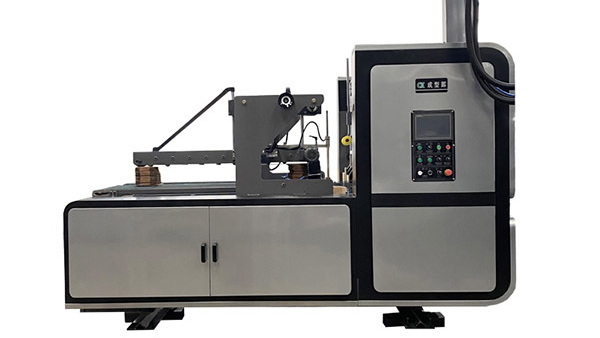
If you're considering investment in Box On Demand technology, here is a simple step‑by‑step evaluation framework:
1. Analyze Order Structure
- What percentage of your orders require non‑standard box sizes?
- How many changeovers per shift are caused by box size changes?
2. Quantify DIM and Freight Penalties
- Review carrier invoices to estimate the extra cost from oversize boxes and void fill.
3. Map Your Current Packaging Flow
- From flat corrugated to finished packed carton, list each manual step.
- Identify bottlenecks and high‑labor activities.
4. Estimate Savings from Right-Sized Packaging
- Work with your OEM supplier to simulate material savings, labor reduction, and throughput gains.
5. Choose the Right Machine Configuration
- Do you need simple slitting/slotting/creasing, or also inline gluing and printing?
- What board grades and max dimensions must the machine handle?
6. Plan Integration with Existing Lines
- Decide whether the Box On Demand machine runs as a standalone cell (for special orders) or connects directly to your existing conveyors and packing stations.
By working through these steps, you build a data‑driven business case instead of treating Box On Demand as a buzzword.
If your business is facing rising shipping costs, growing SKU complexity, and sustainability pressures, upgrading to on‑demand, right‑sized packaging may be one of the fastest ways to improve efficiency and reduce cost per shipment. [packsize]
As a China-based carton packaging equipment manufacturer, Hebei Ou Ye Carton Machinery Co., Ltd. offers:
- OEM/ODM design for Box On Demand style carton machines
- Intelligent control, flexible configuration, and global support
- Long‑term cooperation models for brands, wholesalers, and production plants worldwide [ouyecartonmachine]
If you'd like to explore a tailored Box On Demand solution or a full carton box production line, you can contact Hebei Ou Ye's engineering team to discuss your project, order structure, and ROI expectations. [ouyecartonmachine]
1. Is a Box On Demand machine only for e-commerce?
No. While e‑commerce and 3PLs are major users, manufacturers of furniture, appliances, electronics, and industrial components also benefit from custom, right‑sized cartons. [packsize]
2. Do I still need traditional carton lines if I invest in Box On Demand?
In many cases, yes. Traditional high‑speed lines remain the best option for large, repeat orders, while Box On Demand machines handle short runs and special sizes. [manufacturing-today]
3. How long does it take to switch from one box size to another?
With fully digital systems, changeovers typically take around 1–6 seconds, because servo units reposition automatically without manual adjustment. [aopackmachine]
4. Can Box On Demand machines print logos or barcodes?
Many solutions offer integrated printing options, enabling you to add logos, handling marks, or barcodes during the same pass, depending on configuration. [weldmaster]
5. What support can an OEM factory like Hebei Ou Ye provide after installation?
A specialized OEM can offer remote guidance, spare parts supply, training, and long‑term technical support, helping you maintain stable performance and adapt as your product mix changes. [ouyecartonmachine]
1. AOPACK. "What is a Box On Demand Machine?" (accessed 2026).
<https://www.aopackmachine.com/what-is-a-box-on-demand-machine/> [aopackmachine]
2. Miller Weldmaster. "On-Demand Box Making Machines | Right-Sized Box Solutions." (accessed 2026).
<https://www.weldmaster.com/blog/on-demand-box-making-machines> [weldmaster]
3. Packsize. "Packaging Automation | Right-Sized Boxes On Demand." (accessed 2026).
<https://www.packsize.com/solutions/packaging-automation> [packsize]
4. 360 Research Reports. "Box Making Machines Market Size & Trend." (accessed 2026).
<https://www.360researchreports.com/market-reports/box-making-machines-market-206195> [360researchreports]
5. Manufacturing Today. "Box On Demand." (accessed 2026).
<https://manufacturing-today.com/news/box-on-demand/> [manufacturing-today]
6. Hebei Ouye Carton Machinery Co., Ltd. Official Site – About & Products. (accessed 2026).
<https://www.ouyecartonmachine.com/aboutus.html> [ouyecartonmachine]
<https://www.ouyecartonmachine.com/products/Carton-Box-Production.html> [ouyecartonmachine]
<https://www.ouyecartonmachine.com/top-10-carton-box-printing-machine-manufacturers-in-china.html> [ouyecartonmachine]
<https://www.ouyecartonmachine.com> [ouyecartonmachine]


