
Views: 222 Author: Ouye Carton Machinery Publish Time: 2026-04-13 Origin: Site


If you are considering setting up a corrugated box manufacturing plant, you are entering a market that is still expanding steadily, driven by e‑commerce, food & beverage, and the global shift toward sustainable packaging. Having worked with carton plants across Asia and overseas markets for years, I've seen both highly profitable factories and costly failures—and the difference usually comes down to planning, equipment choices, and process control, not just budget. [aopackmachine]
In this guide, I'll walk you through the real-world steps to set up a corrugated box plant—from market validation and layout planning to machinery selection, automation levels, and startup costs—so you avoid the common mistakes that new investors make. [vocal]
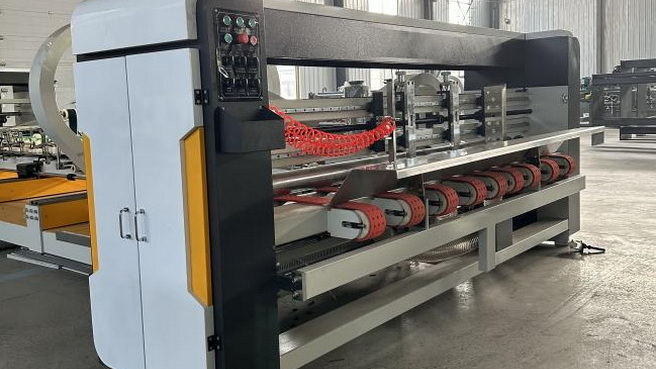
Global demand for corrugated packaging continues to grow because corrugated boxes are recyclable, cost‑effective, and versatile across industries. [futuremarketinsights]
- The global corrugated box market is projected to grow from about USD 179.8 billion in 2025 to around USD 297 billion by 2035, at a CAGR of roughly 5.1%. [futuremarketinsights]
- The broader corrugated packaging market is estimated around USD 233.8 billion in 2024, expected to reach roughly USD 380+ billion by 2034, growing at around 5% CAGR. [gminsights]
- Other analyses forecast the corrugated packaging market rising from about USD 275–276 billion in 2025 to over USD 400 billion by 2035. [marketresearchfuture]
What this means for new plants:
If you position your factory correctly (right product mix, right level of automation), there is still room for profitable, export‑oriented or regional plants, especially if you focus on short‑run custom boxes, e‑commerce packaging, and high‑graphic printing instead of generic low‑margin cartons. [aopackmachine]
Before buying any machine, clarify who you will serve and what type of boxes you will produce. [aopackmachine]
Common positioning options:
- Local SMEs & agriculture: standard RSC (regular slotted cartons), low graphics, moderate volumes.
- E‑commerce brands & 3PLs: frequent small orders, many SKUs, custom sizes, quick changeover.
- Food & beverage / FMCG: higher demand for print quality, consistency, and hygiene compliance.
- Export buyers / OEM brands: stricter quality, documentation, and stable lead time requirements. [theglobeandmail]
Decide your main box categories early:
- Single‑wall / double‑wall cartons
- Die‑cut boxes (e.g., mailer boxes)
- High‑graphic printed boxes (flexo or digital) [aopackmachine]
Your decision will directly influence your machine list, budget, layout, and staffing. [aopackmachine]
A typical medium‑sized corrugated box plant usually requires around 10,000–15,000 ft⊃2; to accommodate production, storage, and administration. You should plan space for: [arcomurray]
- Corrugator and converting machines
- Raw paper roll storage
- Finished goods warehouse
- Die and plate storage
- Office, QC lab, and staff facilities
- Loading/unloading and truck access
For higher levels of automation or large corrugators, total space may need to be significantly larger, especially to allow for optimized material flow and safety zones. [arcomurray]
Industry best practice is to design the layout around the corrugator and then plan all converting lines and material flow from there. [arcomurray]
A typical workflow:
1. Paper roll storage → corrugator
2. Corrugated board → slitting / scoring / cutting
3. Printing → slotting / die‑cutting → folding & gluing or stitching
4. Bundling → strapping → finished goods storage → dispatch [aopackmachine]
Key layout principles:
- Minimize backtracking and cross‑traffic between raw materials and finished goods. [arcomurray]
- Ensure wide aisles for forklifts and pallet trucks. [arcomurray]
- Reserve dedicated areas for waste handling and recycling of trimmings. [vocal]
- Plan utilities (power, compressed air, steam, water) based on the location of heavy machinery. [theglobeandmail]
Your machinery selection should align with your production volume, complexity, and budget. [aopackmachine]
Typical equipment list:
1. Corrugation Machine (Corrugator)
- Produces corrugated board from kraft paper rolls.
- Options: single‑wall, double‑wall, triple‑wall models. [aopackmachine]
- Machine cost can range roughly from USD 20,000 to 100,000+, depending on size, speed, and automation level. [vocal]
2. Sheet Cutter / Slitter‑Scorer
- Cuts corrugated board to specified lengths and widths. [aopackmachine]
- Required for accurate blank sizes and board utilization.
3. Flexo Printing Machine / Printer‑Slotter
- Prints logos, barcodes, and product information. [aopackmachine]
- Choose the number of colors and register accuracy based on your customer requirements.
4. Slotting and Creasing Machine
- Creates slots and crease lines for folding. [aopackmachine]
- Often combined in printer‑slotter units in more automated lines. [aopackmachine]
5. Die‑Cutting Machine (Optional but strategic)
- Produces die‑cut boxes, mailer boxes, and custom shapes. [aopackmachine]
- Essential if you target e‑commerce and higher‑value packaging.
6. Folder‑Gluer and Stitching Machine
- Folder‑gluer: for glued joints, higher aesthetics, and automated folding. [aopackmachine]
- Stitching machine: for heavy‑duty boxes or export cartons requiring extra strength. [aopackmachine]
7. Strapping & Bundling Equipment
- Bundles finished boxes, improving handling and transport efficiency. [theglobeandmail]
From practical experience, it's often safer to phase your investment: [aopackmachine]
- Phase 1 – Bare Minimum:
- Single‑wall corrugator / board supplier + slitter‑scorer, basic flexo printer, slotter, stitching/gluing. [aopackmachine]
- Focus on local customers and simple RSC cartons.
- Phase 2 – Scaling Up:
- Add multi‑color printer‑slotter, automatic folder‑gluer, and semi‑automatic die‑cutter. [aopackmachine]
- Expand capacity and product range.
- Phase 3 – High‑Volume / Export:
- Larger corrugator, fully automatic converting lines, inline digital print, palletizing, and advanced QC systems. [aopackmachine]
Pro tip:
Talk to multiple machine suppliers, check real user reviews, and evaluate after‑sales support and spare parts availability before finalizing any machine purchase. [aopackmachine]
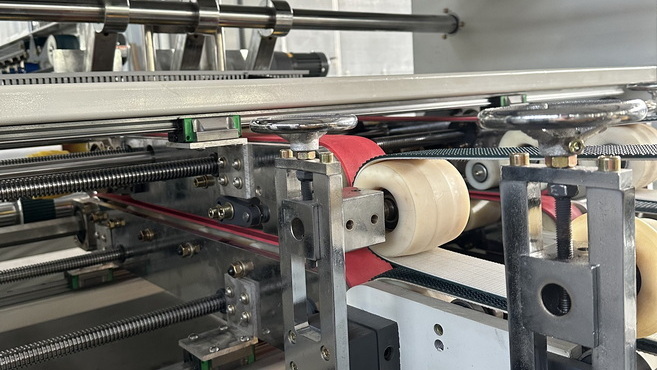
A clear understanding of the process helps you plan operators, QC, and maintenance. [vocal]
1. Raw Material Preparation
- Kraft paper rolls are inspected for GSM, moisture, and strength. [theglobeandmail]
2. Corrugation and Board Formation
- Paper passes through corrugating rolls to form flutes, then bonded to liners with adhesive to make single‑wall or multi‑wall board. [aopackmachine]
3. Cutting, Slitting, and Scoring
- The board is cut to size and scored according to the box design. [aopackmachine]
4. Printing and Branding
- Flexo or digital printing adds logos, product information, and handling marks. [aopackmachine]
5. Slotting / Die‑Cutting
- Slots for flaps are created; die‑cut machines produce special styles such as mailer boxes. [aopackmachine]
6. Folding, Gluing, or Stitching
- Sheets are folded into box shape and jointed via glue, staples, or tape. [aopackmachine]
7. Bundling, Strapping, and Storage
- Finished cartons are bundled, strapped, and stored on pallets for dispatch. [vocal]
Setting up a plant involves both fixed (capital) costs and variable (operating) costs. [openpr]
Typical capital cost items:
- Land purchase or long‑term lease, leveling, and site development [openpr]
- Factory building, flooring, and roofing
- Machinery and installation (corrugator, printers, slotters, etc.) [aopackmachine]
- Electrical systems, compressed air, boiler/steam, and water supply [theglobeandmail]
- Office, furniture, IT, and QC equipment [vocal]
Operating cost items:
- Paper (medium and liner), inks, adhesives, stitching wire, and packaging materials [theglobeandmail]
- Electricity, fuel (for boiler or dryer), water, and maintenance
- Labor (operators, helpers, QC, supervisors, admin, sales) [aopackmachine]
- Logistics, marketing, and finance costs [vocal]
Industry project reports show that total project cost varies widely based on plant capacity, automation level, and local construction costs, but the structure of investment is similar across regions. [openpr]
To improve profitability:
- Optimize paper utilization and waste reduction. [aopackmachine]
- Plan efficient batch sizes and reduce changeover time. [aopackmachine]
- Focus on value‑added boxes (die‑cut, printed) rather than only commodity cartons. [aopackmachine]
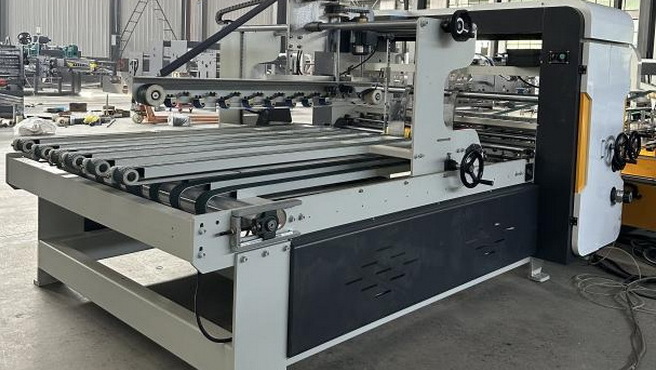
Strong plants don't just produce volume; they maintain consistent strength and print quality. [openpr]
Typical QC checks include:
- Bursting strength / ECT (Edge Crush Test) of boards [theglobeandmail]
- Box compression test for stacking performance
- Dimensions, squareness, and crease quality [aopackmachine]
- Print registration and color matching [aopackmachine]
- Glue/stitch strength and visual inspection [aopackmachine]
Depending on your customer base, you may also need:
- Basic QMS such as ISO 9001
- Food contact or hygiene standards for food and pharma boxes
- Sustainability documentation (recyclability, FSC‑certified paper, etc.) [marketresearchfuture]
A medium corrugated plant typically employs operators for corrugator, printing, die‑cutting, folder‑glu er, maintenance technicians, helpers, forklift drivers, QC staff, and admin/sales personnel. [aopackmachine]
Based on real projects, new plants often underestimate training and cross‑training needs:
- Train corrugator operators on temperature, speed, and paper combinations. [aopackmachine]
- Educate printing operators on ink viscosity, anilox selection, and plate care. [aopackmachine]
- Implement standard operating procedures (SOPs) for each machine. [arcomurray]
From an operator's perspective, the safest plants share common traits: [arcomurray]
- Clear walkways and marked forklift routes
- Guarding on moving parts and emergency stop buttons
- Proper handling and storage of inks and chemicals
- Dust extraction and good ventilation near corrugator and converting lines
- Organized waste management and recycling of board trimmings [vocal]
As an equipment supplier and industry observer, I've seen that smart automation, not just adding more machines, is what separates efficient plants from average ones. [aopackmachine]
- Quick‑setup, servo‑driven flexo printers and slotters to reduce changeover time between orders. [aopackmachine]
- Automatic stackers and bundle strappers to stabilize output and reduce manual handling. [aopackmachine]
- Inline inspection systems (for print defects or board defects). [arcomurray]
- Production planning software / MES for real‑time monitoring of orders and machine loads. [theglobeandmail]
Invest where automation directly saves labor, reduces waste, or cuts lead times—not simply where it looks impressive in a brochure. [aopackmachine]
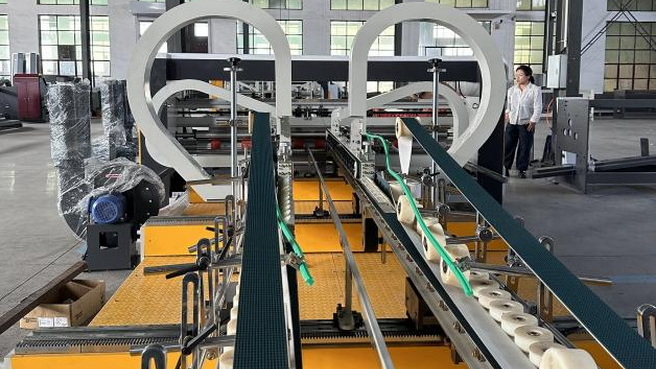
From feedback we hear repeatedly from buyers, the most valued attributes are: [aopackmachine]
- Reliable lead time and on‑time delivery
- Stable quality, not just "good when the owner is watching"
- Technical support (box design, compression strength, pallet optimization)
- Flexibility for small runs and urgent orders, especially for e‑commerce and seasonal products
Effective plants also:
- Offer design support for right‑sized boxes that reduce clients' shipping and storage costs. [youtube]
- Use sample machines or digital proofing to speed up development of new SKUs. [aopackmachine]
- Highlight sustainability (recyclability, optimized use of paper, reduced waste). [futuremarketinsights]
Setting up a corrugated box manufacturing plant in 2026 is still a compelling opportunity if you approach it with a clear market focus, carefully chosen equipment, robust quality systems, and a realistic cost plan. The most successful factories I have seen do not try to be "everything for everyone"; instead, they specialize, invest in the right level of automation, and build long‑term relationships with customers. [gminsights]
If you are planning your own corrugated box plant and need help evaluating equipment, layout, or automation options, it's worth speaking with a manufacturer that understands both machine engineering and real‑world plant operations. [aopackmachine]
If you are:
- Comparing corrugated box machinery specifications
- Designing or upgrading a carton packaging plant layout
- Or planning to add new converting lines or short‑run box capabilities
you should prepare a simple project brief (target customers, box types, expected daily output, available space, and budget range) and share it with a trusted machinery partner for a tailored solution. [aopackmachine]
A well‑designed plant can save you years of trial‑and‑error and position your business to capture a share of the growing global demand for corrugated packaging. [marketresearchfuture]

A medium‑sized corrugated plant usually needs 10,000–15,000 ft⊃2;, including production, storage, and office areas, but larger plants or high‑capacity corrugators may require more space. [aopackmachine]
At minimum, you need access to corrugated board (own corrugator or external supply), plus a slitter‑scorer, printing machine, slotter/creaser, and folder‑gluer or stitching machine. [aopackmachine]
The corrugated packaging market is valued in the hundreds of billions of dollars and is expected to grow at around 3.8–5% CAGR over the next decade, driven by e‑commerce and sustainable packaging demand. There is still room for new plants that offer reliable quality, flexible order handling, and value‑added box designs. [futuremarketinsights]
Start with a clear product and customer focus, phase your investment (basic line first, automation later), and select machinery suppliers with proven references, local service, and transparent performance data. [vocal]
Common tests include bursting strength or ECT, box compression tests, dimensional checks, crease quality, print registration, and glue/stitch integrity, often documented within a basic quality management system. [openpr]
1. Aopack. "How to Set Up a Corrugated Box Manufacturing Plant – A Detailed Guide."
<https://www.aopackmachine.com/how-to-set-up-a-corrugated-box-manufacturing-plant-a-detailed-guide/> [aopackmachine]
2. Aopack. "Corrugated Box Manufacturing Process: Step‑by‑Step Guide for Packaging Factories."
<https://www.aopackmachine.com/corrugated-box-manufacturing-process-step-by-step-guide-for-packaging-factories/> [aopackmachine]
3. Aopack. "Corrugation Plant FAQ Guide."
<https://www.aopackmachine.com/corrugation-plant-guide/> [aopackmachine]
4. Aopack. "8 Steps to Starting a Corrugated Box Manufacturing Business."
<https://www.aopackmachine.com/corrugated-box-manufacturing-business/> [aopackmachine]
5. Aopack. "Equipping Your Corrugated Carton Startup: A Guide to Essential Machinery."
<https://www.aopackmachine.com/equipping-your-corrugated-carton-startup-a-guide-to-essential-machinery/> [aopackmachine]
6. Vocal Media. "Corrugated Box Manufacturing Plant Setup Cost, Machinery, and Business Plan 2025."
<https://vocal.media/journal/corrugated-box-manufacturing-plant-setup-cost-machinery-and-business-plan-2025> [vocal]
7. Future Market Insights. "Corrugated Box Market Size and Share Forecast Outlook 2025 to 2035."
<https://www.futuremarketinsights.com/reports/corrugated-boxes-market> [futuremarketinsights]
8. Global Market Insights. "Corrugated Packaging Market Size, Share & Forecast, 2025–2034."
<https://www.gminsights.com/industry-analysis/corrugated-packaging-market> [gminsights]
9. Market Research Future. "Corrugated Packaging Market Size, Share & Growth Report 2035."
<https://www.marketresearchfuture.com/reports/corrugated-packaging-market-1205> [marketresearchfuture]
10. ARCO/Murray. "Step‑by‑Step Guide to Building a Corrugated Packaging Facility."
<https://www.arcomurray.com/step-by-step-guide-to-building-a-corrugated-facility/> [arcomurray]
11. IMARC Group. "Corrugated Box Manufacturing Plant Project Report 2024."
<https://www.theglobeandmail.com/investing/markets/markets-news/IMARC%20Group/22180921/corrugated-box-manufacturing-plant-project-report-2024> [theglobeandmail]
12. OpenPR. "Corrugated Box Manufacturing Plant Project Report 2024: Raw Material, Utilities & Costs."
<https://www.openpr.com/news/3411300/corrugated-box-manufacturing-plant-project-report-2024-raw> [openpr]
13. Aopack. "Packaging Manufacturing Guide Category."
<https://www.aopackmachine.com/category/packaging-manufacturing-guide/> [aopackmachine]
14. Aopack. "Corrugated Box Machine – Single Pass and Fully Auto (Video)."
<https://www.youtube.com/watch?v=TJOlxkhd9p8> [youtube]
15. YouTube. "How to Setup a Corrugated Box Manufacturing Plant."
<https://www.youtube.com/watch?v=2nQKJV5jbRQ> [youtube]


