
Views: 222 Author: Ouye Carton Machinery Publish Time: 2026-04-12 Origin: Site


When I first walked through a pizza box production line as a packaging engineer, I realized something most restaurant owners miss: your custom pizza box is often the first "taste" of your brand your customer experiences. Done right, it protects your food, speeds up operations, and quietly converts first‑time buyers into loyal fans. [aopackmachine]
In this guide, I'll walk you through the complete process of making custom pizza boxes—from design and material choices to industrial production with professional carton machinery—so you can talk to your supplier like an expert and avoid expensive mistakes. [fusenpack]

Custom pizza boxes are made by combining smart graphic design with precise carton converting processes such as feeding, printing, slotting, creasing, cutting, folding, and gluing on professional equipment. When you understand each step, you can specify what you want, control quality, and reduce waste in your packaging budget. [insights.made-in-china]
A printed pizza box is not just a container; it is a low‑cost, high‑visibility branding asset that every customer touches. Strong visuals and clear messaging on the box help: [strategicpackaginginsights]
- Reinforce your brand logo, colors, and story at every order. [fusenpack]
- Make your pizza more "shareable" on social media when customers post unboxing photos. [fusenpack]
- Communicate offers, QR codes, and loyalty programs that drive repeat purchases. [strategicpackaginginsights]
Across the industry, printed boxes now hold the largest share of the pizza box market because chains understand how powerful on‑box branding is. [fortunebusinessinsights]
The pizza box packaging market was valued at around 2–2.5 billion USD in recent years and is projected to pass 4 billion USD by 2033, with steady annual growth driven by delivery, take‑out, and online ordering. This growth is especially strong for customizable and eco‑friendly packaging, where independent pizzerias can compete with big brands by upgrading their boxes. [wiseguyreports]
> If your boxes are still plain and generic, you are literally leaving branding space unused while the market moves toward more personalized packaging. [fortunebusinessinsights]
Before thinking about printing or machinery, you need a clear specification for what your box must do. [pcboxmachinery]
Most pizzerias work with a core set of sizes so operations stay simple and inventory is manageable. Common full‑pizza sizes include: [pcboxmachinery]
- 8–10 inch mini or personal pizza boxes
- 12 inch medium pizza boxes
- 14 inch large pizza boxes
- 16–18 inch extra‑large pizza boxes [pcboxmachinery]
For each size, you will specify length × width × height in either inches or millimeters, plus any special tolerances your oven or delivery bags require. [fusenpack]
Depending on your menu and service model, choose from structures such as:
- Classic square corrugated box with hinged lid and front locking tabs. [pcboxmachinery]
- Slice boxes for single pieces, ideal for street or kiosk sales. [youtube]
- Ventilated boxes with holes or micro‑vents to reduce condensation and keep crust crisp. [insights.made-in-china]
From a machinery perspective, these are all different "box styles" defined by the cutting and creasing pattern fed into the carton machine. [aopackmachine]
Material choice affects food safety, strength, printing quality, and environmental impact. [insights.made-in-china]
For most delivery and take‑out scenarios, corrugated board (typically E‑flute or B‑flute) is the standard because it balances strength, insulation, and cost. [caspijet]
- E‑flute: Finer, thinner flute, good print surface and decent insulation; ideal for branded boxes with detailed graphics. [caspijet]
- B‑flute: Thicker and stronger, better cushioning, used for heavier pizzas or where stacking strength is critical. [caspijet]
Some brands use kraft or coated boards for a premium look or better grease resistance, but you must ensure they meet local food‑contact and recyclability requirements. [strategicpackaginginsights]
The strongest market trend is toward eco‑friendly pizza boxes—either recycled, recyclable, or made from responsibly sourced fiber. Many manufacturers now offer: [wiseguyreports]
- FSC‑certified corrugated cardboard from sustainably managed forests. [strategicpackaginginsights]
- Options with biodegradable or compostable linings instead of plastic films. [fusenpack]
- Lightweight flute profiles that reduce material use without losing performance. [wiseguyreports]
Mentioning sustainable materials directly on your box can enhance your brand perception, especially with younger, eco‑conscious customers. [wiseguyreports]
Once the structure is defined, your designer or supplier will work with a die‑line—a flat layout that shows cut lines, fold lines, and print areas. [youtube]
In my experience working with food brands, the most effective pizza box artwork usually includes:
- A strong, central logo readable from a distance. [strategicpackaginginsights]
- Brand colors with high contrast for quick recognition on shelves or in delivery racks. [fusenpack]
- Clear brand promise or tagline (e.g., "Stone‑baked since 1998"). [fusenpack]
- Contact info and QR codes linking to online ordering, reviews, or loyalty programs. [caspijet]
- Practical info such as size, allergen note, "best enjoyed hot", and recycling icon. [strategicpackaginginsights]
Ensure your designer respects the non‑print zones where glue is applied or flaps tuck in, so critical graphics are not cut off. [youtube]
Professional packaging workflows usually require:
- Vector artwork files (AI, PDF, EPS) with fonts outlined. [youtube]
- A separate die‑cut file (often DXF or similar) for cutting and creasing. [youtube]
- Registration marks and color bars to help with alignment and quality control. [insights.made-in-china]
On modern carton machinery and digital workflows, the print file and cutting file are synchronized in the control system so the printed image aligns exactly with creases and folds. [aopackmachine]
Printing is where your brand comes to life, and your choice of technology affects cost, lead time, and flexibility. [fortunebusinessinsights]
Industry data shows that flexographic printing remains the most widely used technology for pizza boxes because it is fast and cost‑effective at medium to high volumes. However, other methods are also common: [fortunebusinessinsights]
- Flexographic printing: Uses flexible plates, ideal for 1–4 colors, large runs, and repeat orders. [fortunebusinessinsights]
- Offset printing: Offers higher image quality, used for premium boxes or when printing on a liner that is later laminated to corrugated board. [fortunebusinessinsights]
- Digital printing: No plates required, perfect for short runs, seasonal designs, or highly personalized campaigns. [strategicpackaginginsights]
For many growing pizza brands, digital or hybrid solutions are attractive because they reduce plate costs and make small test batches affordable. [aopackmachine]
Advanced box making solutions, like on‑demand corrugated box machines equipped with integrated printing, allow you to produce small and mixed orders quickly. These systems typically integrate: [aopackmachine]
- Board feeding and automatic size change. [aopackmachine]
- Slotting, scoring, creasing, slitting, and trimming in one pass. [aopackmachine]
- Optional inkjet or flexo printing units for logos and text. [aopackmachine]
Changeover between different box sizes or designs can be as fast as a few seconds on such equipment, which is ideal for pizza brands managing multiple SKUs or frequent promotions. [aopackmachine]
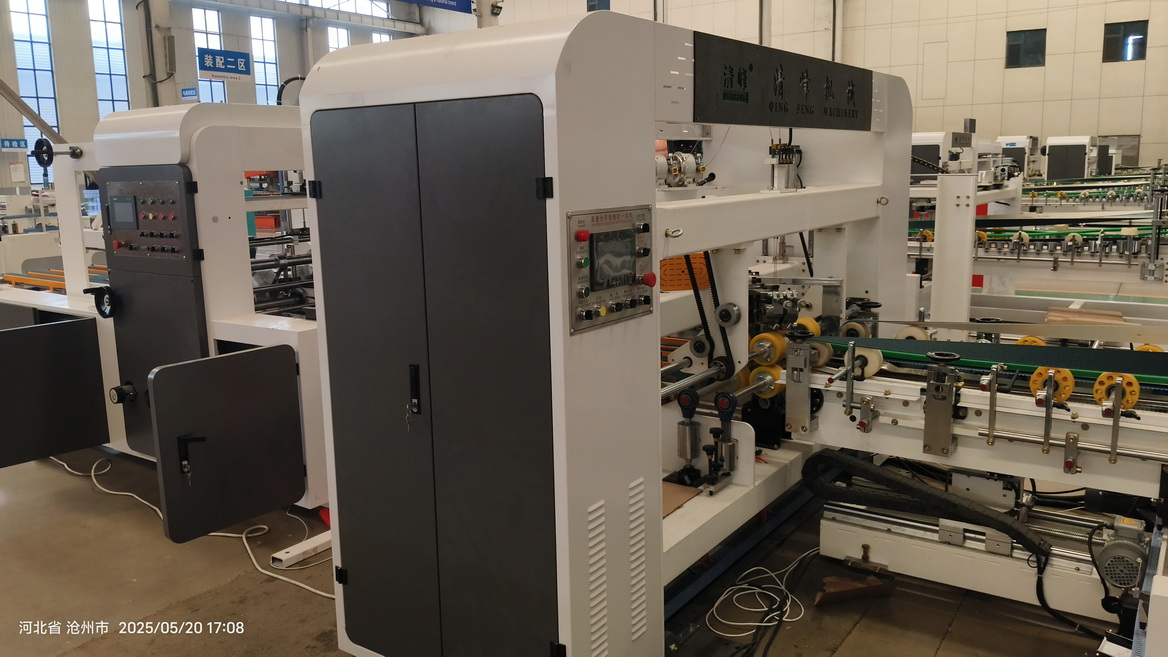
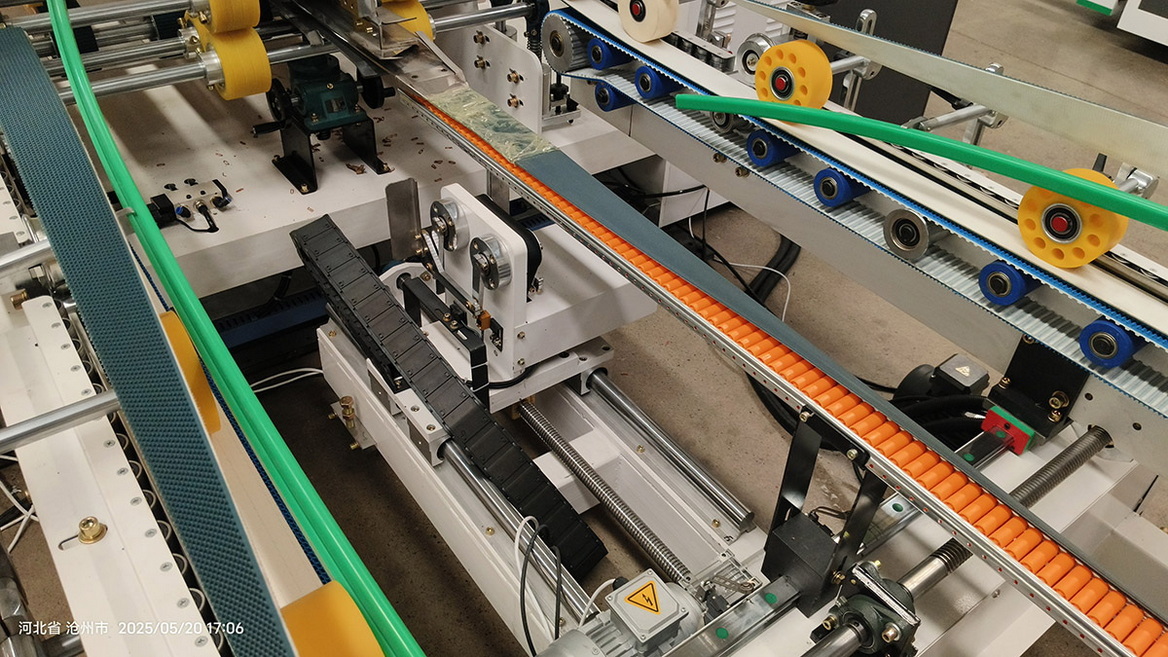
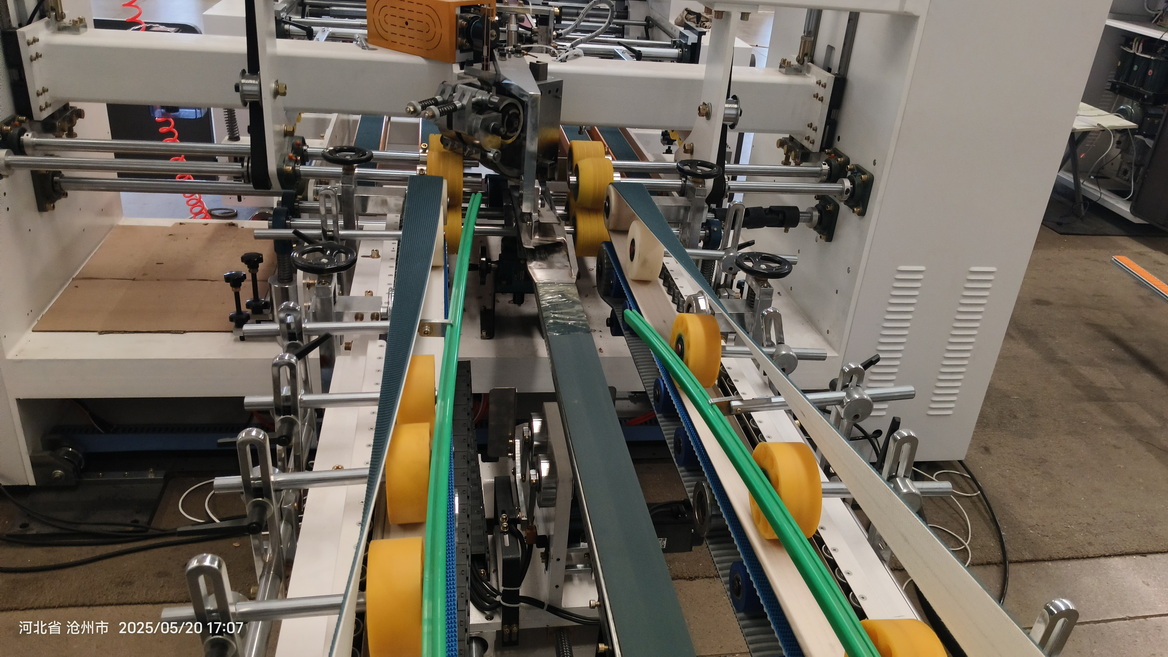
From a manufacturing standpoint, a pizza box making machine is a specialized corrugated converting line that turns flat board into finished blanks ready for folding. [aopackmachine]
A typical industrial process includes:
1. Material feeding – Large sheets or rolls of corrugated cardboard enter the machine through an automatic feeder that keeps the line running smoothly. [insights.made-in-china]
2. Printing – If inline printing is configured, the graphics are applied to the board surface at this stage. [aopackmachine]
3. Die cutting or knife cutting – The box shape is cut out using either a die or a CNC‑controlled knife system. [insights.made-in-china]
4. Slotting and creasing – Precise slots and fold lines are formed for flaps, lids, and side walls. [aopackmachine]
5. Trimming and slitting – Excess board is removed, and sheets may be separated into individual blanks. [insights.made-in-china]
6. Folding and gluing – In some lines, boxes are pre‑folded and glued; in others, they ship as flat blanks for manual or semi‑automatic folding at the pizzeria. [pcboxmachinery]
Each stage is synchronized by the control system, so your printed artwork aligns with the physical structure of the box. [aopackmachine]
Traditional pizza boxes use die‑cut tools that must be fabricated for each new size or shape, adding upfront cost and time. In contrast, newer box machines can use vibrating knife technology to cut round, rectangular, diagonal, and other irregular shapes directly from digital files, with no physical die. [youtube]
For brand owners and OEM clients, this has three important advantages:
- No mold cost for each new box design. [aopackmachine]
- Faster prototyping and shorter development cycles. [aopackmachine]
- The ability to run small test batches for new pizza formats, combo offers, or limited‑edition campaigns. [aopackmachine]
Whether you receive pre‑glued boxes or flat blanks, assembly should be fast and intuitive for staff. [pcboxmachinery]
A standard manual assembly process looks like this:
1. Lay the blank flat with the printed side down. [pcboxmachinery]
2. Fold up the side flaps along the pre‑creased lines to form a shallow tray. [pcboxmachinery]
3. Secure the corners using pre‑glued tabs, tape, or lock‑in slots. [pcboxmachinery]
4. Fold the lid panel over the base and tuck in the front and side locking tabs. [pcboxmachinery]
Well‑designed blanks with accurate creasing from a good carton machine will fold cleanly and repeatably, saving time on the shop floor and reducing staff frustration. [insights.made-in-china]
Even a beautiful box fails if it collapses in transit or soaks through with oil. [strategicpackaginginsights]
Good manufacturers will routinely check:
- Dimensional accuracy vs. your spec. [insights.made-in-china]
- Compression strength and stacking performance. [strategicpackaginginsights]
- Score depth and fold quality to avoid cracking or tearing. [insights.made-in-china]
- Printing registration, color consistency, and smudge resistance. [fortunebusinessinsights]
From the pizza shop side, you should also test:
- Box behavior in hot, humid delivery conditions. [strategicpackaginginsights]
- Grease resistance and lid stiffness when heavily topped pizzas are loaded. [fusenpack]
- Ease of stacking in ovens, shelves, and delivery bags. [fusenpack]
As a packaging OEM and machinery specialist, I see two common pain points: over‑ordering generic boxes to get better prices, and under‑estimating the cost of design changes. [wiseguyreports]
For traditional long‑run production, you need large minimum order quantities to achieve attractive per‑box pricing, but this ties up cash and warehouse space. On‑demand box making machines and short‑run printing allow you to: [wiseguyreports]
- Produce only what you need for the next weeks or months. [aopackmachine]
- React quickly to new menu items and promotions without scrapping old inventory. [aopackmachine]
- Reduce the risk of outdated branding or regulatory text. [wiseguyreports]
If you are a distributor or brand owner working with an OEM carton factory, ask what kind of equipment they use and whether they can support small pilot runs before you commit to a full year's volume. [aopackmachine]
Beyond price, look for a partner that:
- Specializes in carton printing and pizza box structures for food. [fusenpack]
- Has modern corrugated box making lines with integrated printing and quick changeover. [aopackmachine]
- Offers clear technical support on material specs, artwork setup, and sampling. [aopackmachine]
Long term, this relationship will save more money than chasing the lowest unit cost on every order. [wiseguyreports]
The next wave of pizza box innovation combines sustainability, digital printing, and smart packaging concepts. [fortunebusinessinsights]
Trends emerging in the market include:
- Wider use of recycled fibers and plant‑based coatings to replace plastic liners. [wiseguyreports]
- High‑impact digital printing with variable data (unique codes, localized artwork, or co‑branding with events). [fortunebusinessinsights]
- QR‑driven experiences—customers scan the box to access menus, cooking tips, or limited‑time offers. [caspijet]
For pizzerias and food brands, this is a chance to turn a simple box into a marketing channel you control at every delivery. [fortunebusinessinsights]
If you are planning your next generation of custom pizza boxes, this is the right moment to re‑think both design and production. [wiseguyreports]
- Define your sizes, materials, and branding goals. [pcboxmachinery]
- Ask your packaging partner what machinery and printing technologies they use. [aopackmachine]
- Start with a small, fully branded batch and test it in real delivery conditions before scaling up. [fusenpack]
Work with a specialized carton machinery factory and OEM supplier in China that can support you from structural design to printed, production‑ready boxes, and you will turn your pizza packaging from a cost center into a brand growth tool. [aopackmachine]
Q1: What is the best material for custom pizza boxes?
A1: Most brands use corrugated board (E‑flute or B‑flute) because it offers good insulation, strength, and cost efficiency, with options for FSC‑certified and recyclable grades. [caspijet]
Q2: How many colors should I use on my pizza box design?
A2: For cost‑effective flexographic printing, 1–4 colors are common, but digital or offset printing can support more complex artwork when you need high‑impact graphics. [fortunebusinessinsights]
Q3: Do I need a cutting die for every new pizza box size?
A3: Traditional production uses a separate die for each structure, but modern machines with vibrating knife cutting can handle new sizes and shapes directly from digital files without physical molds. [aopackmachine]
Q4: What is the typical lead time for custom pizza box orders?
A4: Lead time depends on order size and complexity; with conventional production it can be several weeks, while short‑run and on‑demand box making systems can turn around small batches much faster. [aopackmachine]
Q5: How can I make my pizza boxes more eco‑friendly?
A5: Choose recycled or FSC‑certified corrugated board, avoid unnecessary plastic coatings, and clearly communicate recycling instructions and sustainability claims on the box. [wiseguyreports]
1. AOPACK – "How To Make Custom Pizza Box?"
<https://www.aopackmachine.com/how-to-make-custom-pizza-box/> [aopackmachine]
2. AOPACK – "How to Produce Customized Size and Shape Boxes in Small Quantities"
<https://www.aopackmachine.com/how-to-produce-customized-size-and-shape-boxes-in-small-quantities/> [aopackmachine]
3. Fusenpack – "How to Make Custom Pizza Boxes: From Design to Delivery"
<https://www.fusenpack.com/blog/how-to-make-custom-takeout-pizza-boxes/> [fusenpack]
4. Made‑in‑China Insights – "Pizza Box Making Machine Guide: What It Is, How It Works, and Key Benefits"
<https://insights.made-in-china.com/Pizza-Box-Making-Machine-Guide-What-It-Is-How-It-Works-and-Key-Benefits_sfiAUcLyaxlk.html> [insights.made-in-china]
5. Strategic Packaging Insights – "Pizza Box Packaging Market Size, Future Growth and Forecast 2034"
<https://www.strategicpackaginginsights.com/report/pizza-box-packaging-market> [strategicpackaginginsights]
6. Wiseguy Reports – "Pizza Box Market Size, Revenue & Growth Trends 2035"
<https://www.wiseguyreports.com/reports/pizza-box-market> [wiseguyreports]
7. Fortune Business Insights – "Pizza Box Market Size, Share, Growth, Analysis, 2034"
<https://www.fortunebusinessinsights.com/pizza-box-market-110201> [fortunebusinessinsights]
8. PC Box Machinery – "How to Make a Pizza Box: A Step-by-Step DIY Guide for Beginners"
<https://www.pcboxmachinery.com/how-to-make-a-pizza-box-a-step-by-step-diy-guide-for-beginners.html> [pcboxmachinery]
9. YouTube – "Use aopack box making machine to make a pizza box or …"
<https://www.youtube.com/watch?v=KLczk6TO-LU> [youtube]
10. Caspijet – "How to Start a Profitable Pizza Box Printing Business in 2025"
<https://caspijet.com/how-to-start-a-profitable-pizza-box-printing-business-in-2025-the-ultimate-guide/> [caspijet]


