
Views: 222 Author: Amanda Publish Time: 2025-09-29 Origin: Site


Content Menu
● What is a Carton Strapping Machine?
● Types of Carton Strapping Machines
>> Automatic Strapping Machine
>> Semi-Automatic Strapping Machine
● How to Use an Automatic Carton Strapping Machine
>> Step 2: Position the Carton on the Machine
>> Step 3: Adjust Machine Settings
>> Step 4: Start the Strapping Cycle
>> Step 5: Remove the Strapped Carton
● How to Use a Semi-Automatic Carton Strapping Machine
>> Step 1: Machine Setup and Strap Loading
>> Step 3: Manual Strap Feeding
>> Step 4: Adjust Tension and Activate
>> Step 5: Retrieve the Carton
● How to Use Manual Carton Strapping Tools
>> Step 1: Wrap the Strap Around the Carton
>> Step 3: Apply the Metal Seal
>> Step 5: Cut the Excess Strap
● Technical Specifications of Typical Carton Strapping Machines
● Best Practices for Using Carton Strapping Machines
● Safety Precautions When Operating Strapping Machines
● FAQ
>> 1. What types of straps are compatible with carton strapping machines?
>> 2. How do I set the correct tension on the machine?
>> 3. Can one machine handle multiple carton sizes?
>> 4. What is the maintenance routine for strapping machines?
>> 5. What safety measures should operators follow with manual strapping tools?
Carton strapping machines have become vital in packaging operations worldwide. As a technology-driven solution, these machines effectively bind cartons, boxes, and bundles with plastic straps, offering secure transport and enhanced product protection. Whether in manufacturing, warehousing, or logistics, the proper use of a strapping machine ensures packages withstand handling stresses during shipment and storage. This article offers a complete guide on how to use different types of carton strapping machines, including automatic, semi-automatic, and manual variants, with rich operational details, technical insights, and practical recommendations.
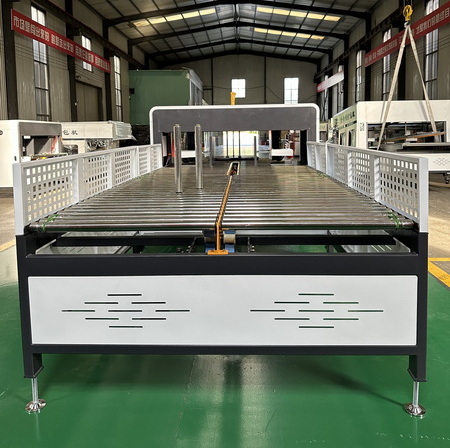
A carton strapping machine is specialized equipment designed to apply plastic straps (often polypropylene or polyester) tightly around cartons or product bundles. It automates the process of tensioning, sealing, and cutting the strap to create a firm and reliable seal that prevents the contents from shifting or being damaged during transport.
The machine typically features a strap dispenser, tensioning mechanism, sealing unit (heat sealing or friction welding), and a cutting blade. By automating these processes, strapping machines boost packaging speed and reduce manual labor, enhancing overall efficiency.
This machine automates the complete strapping process. The operator positions the carton, and the machine detects the package, feeds and tightens the strap, seals it, and trims the excess strap automatically. These machines are suited for high-volume packaging lines where speed and consistency are crucial.
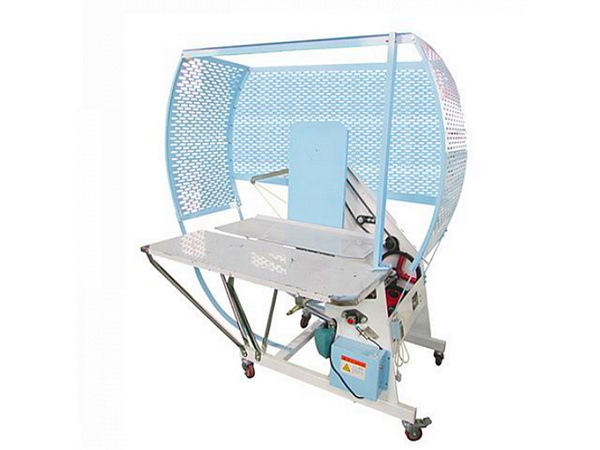
Semi-automatic machines require manual feeding of the strap around the package. The operator manually places the strap and then activates the machine to tension, seal, and cut the strap. These machines balance manual control with operational speed and are ideal for medium volume applications.
Manual strapping involves hand-held tools such as tensioners, sealers, and metal seals. Operators physically wrap the strap, tighten it with a tensioner, seal it using a crimper, and cut the excess strap with a cutter. This method suits low volume or sporadic packaging needs.
Ensure the products are securely packed inside the carton. Close or seal the carton properly with tape or glue, and stack items evenly to avoid bulging.
Place the carton in the center of the table or conveyor belt of the strapping machine, aligned with the strap guide rails.
Set the tension appropriate for the package weight and strap material. Most machines allow tension adjustment via knobs or digital touch screens.
Press the start button or use the foot pedal to initiate the strapping cycle. The machine automatically feeds the strap, tightens it to the set tension, seals it by heat or friction welding, then cuts off the excess.
Once fired, remove the securely strapped carton from the machine and repeat as needed.
Automatic machines can produce a strapped package every 2 to 3 seconds, depending on model and package size, significantly increasing throughput.
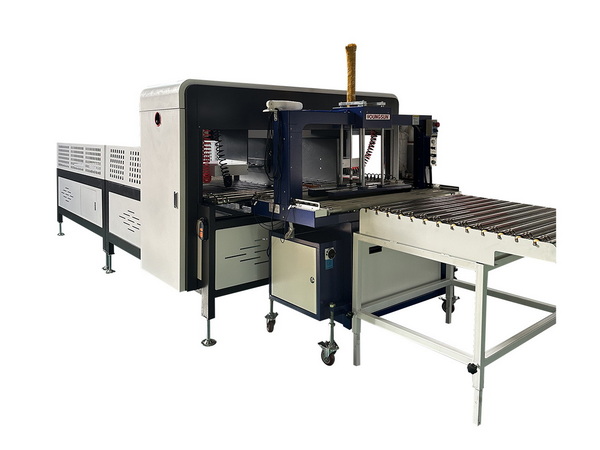
Plug in and power on the machine. Load the plastic strapping spool onto the strap dispenser and thread the strap as per the user manual through feed rollers and guides.
Position the carton on the machine's table or conveyor area, ensuring it is stable and centered.
Manually pull the strap around the carton. Overlap the strap ends on the machine's feeding slot to allow the machine to grip them.
Set the desired strapping tension according to carton weight and strap type. Activate the machine via button or foot pedal to start the tightening, sealing, and cutting process.
Lift the strapped carton from the machine and prepare for the next one.
Semi-automatic strapping machines are characterized by easy operation, adjustable tension (e.g., 5-50 kg), and fast cycle times—usually 2 to 3 seconds per strap.
- Strap dispenser or coil
- Manual tensioner
- Crimper or sealer
- Metal seals (clips)
- Cutter
Pull out enough strap to wrap fully around the carton with an overlapping end to allow sealing.
Insert the strap ends into the tensioner tool. Use the tensioner handle to tighten the strap firmly but not enough to damage the carton.
Position a metal seal around the overlapping strap ends.
Use the crimper to clamp the metal seal securely onto the strap, locking the tension.
Cut off the extra strap using a cutter, then check the seal tightness for security.
Manual strapping requires skill and careful handling to ensure uniform tightness and avoiding strap damage.
- Power Supply: Single-phase 110-230V or Three-phase 380V
- Strap Width: Adjustable between 6-15mm
- Tension Range: 5-90 kg adjustable depending on model
- Strapping Speed: 1.5 to 3 seconds per operation
- Machine Weight: Varies from 90 kg (semi-automatic) to 250 kg (automatic heavy-duty)
- Dimensions: Range from compact tabletop machines to large floor models for pallets
Advanced machines feature PLC control, touch panels, auto stop sensors, and maintenance alerts, ensuring high precision and ease of use. Many models are designed with stainless steel bodies for durability and corrosion resistance.
- Choose straps with appropriate strength and material based on shipment weight and handling.
- Ensure the carton is sealed properly before strapping.
- Adjust tension carefully; excess tension can crush the carton or damage contents.
- Perform regular maintenance, cleaning rollers, sensors, and lubricating moving parts.
- Train operators on safety and correct procedures to prevent injuries and equipment damage.
- Use safety guards and sensors built into the machine to avoid accidents.
- Keep spare parts, such as belts, blades, and seals, readily available for quick repairs.
- Always wear appropriate personal protective equipment such as gloves and safety glasses.
- Keep hands clear of the strap feeding, sealing, and cutting components while the machine is running.
- Disconnect power before performing maintenance or troubleshooting.
- Do not attempt to disable or bypass safety features.
- Ensure the working area is clean and free of obstacles.
Using a carton strapping machine correctly is fundamental for secure, efficient packaging operations. Whether opting for automated, semi-automated, or manual strapping methods, understanding each step—from preparation and tensioning to sealing and cutting—is critical to improving packaging speed and safeguarding goods. Incorporating proper machine maintenance, following safety protocols, and selecting the right straps tailored to product needs ensures long-term productivity and minimizes package damage during transit. By mastering these practices, businesses can optimize their packaging line and elevate overall operational standards.
Polypropylene (PP) straps are suitable for light to medium weight packages, offering excellent flexibility and cost-effectiveness. Polyester (PET) straps provide higher tensile strength for heavier loads requiring robust securing.
The machine typically has an adjustable tension knob or digital control. Choose a tension level that firmly secures the carton without deforming it. Testing on sample packages is recommended before full production.
Yes, most strapping machines accommodate a wide range of carton sizes through adjustable strap lengths and tension settings. However, very large or irregular packages may require specialized machines.
Regularly clean strapping paths, rollers, and tension wheels to remove dust and debris. Lubricate moving parts as per manufacturer instructions and perform electrical checks monthly. Schedule professional servicing every 6–12 months.
Always wear gloves and eye protection. Avoid placing fingers near tension grips and sealing clamps. Ensure straps are properly aligned to prevent snap-back injuries. Follow step-by-step training and work methodically.
[1](https://www.globalpackindia.com/products/strapping-machine/semi-automatic-strapping-machine/kh-90/)
[2](https://www.nuponcorpphils.com/showproducts/productid/4386824/carton-box-strapping-machine/)
[3](https://www.shrinkingmachine.com/box-strapping-machine.html)
[4](https://www.directindustry.com/industrial-manufacturer/cardboard-box-strapping-machine-102920.html)
[5](https://nidoworld.com/mechanization/end-of-line-packing/strapping-machines/semi-automatic-box-strapping/)
[6](https://vnatech.com.vn/carton-strapping-machine/)
[7](https://www.packway.com/strapping-machine)
[8](https://amarpackaging.com/product/fully-automatic-carton-box-strapping-machine/)
[9](https://www.kbwmachinery.com/Strapping-Machine-Manual-p.html)
[10](https://www.isg-pack.com/product/combined-strapping-and-taping-machine-combi-packer-50-sbr/?lang=en)


