
Views: 222 Author: Ouye Carton Machinery Publish Time: 2026-06-17 Origin: Site


Content Menu
● What Is an Automatic Carton Box Making Machine?
● Why Automatic Carton Box Machines Matter for Global Brands
● How an Automatic Box Making Machine Works (Step by Step)
>> 2. Printing and Creasing (Optional but Common)
>> 3. Die Cutting and Punching
>> 5. Gluing, Taping, and Bottom Sealing
>> 6. Output, Counting, and Stacking
● Main Types of Automatic Carton Box Machines
>> Semi‑Automatic Box Making Machines
>> Fully Automatic Box Making Machines
>> High‑Speed and Specialty Machines
● Typical Applications Across Industries
● Key Advantages for OEM Buyers and Importers
● Future Trends: Intelligent, High‑Speed, and Eco‑Friendly
● Why Hebei Ou Ye Carton Machinery Is a Strong OEM Partner
● Practical Checklist: How to Choose the Right Automatic Box Machine
● UX and Content Tips for Buyers Researching Carton Machinery
● When to Upgrade from Semi‑Automatic to Fully Automatic
● Call to Action: Discuss Your Carton Box Production Requirements
● FAQs About Automatic Carton Box Making Machines
An automatic carton box making machine is a fully or semi-automated system that feeds, prints, creases, cuts, folds, and seals corrugated board into ready‑to‑use boxes with minimal human intervention. For international OEM buyers, choosing the right automatic box machine can significantly reduce packaging costs, stabilize quality, and support long‑term brand growth. [quickcreator]
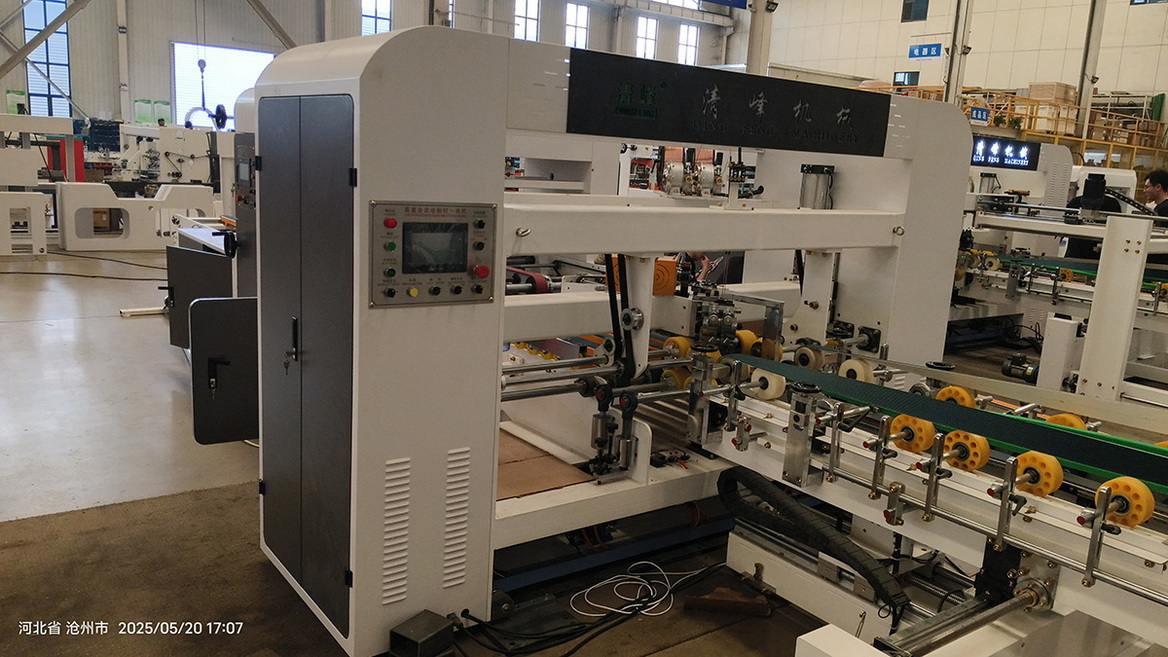
An automatic box making machine is industrial equipment that converts corrugated cardboard sheets or rolls into finished carton boxes through a series of automated steps such as feeding, printing, creasing, die cutting, folding, and gluing. It is widely used in logistics, e‑commerce, food, electronics, and FMCG sectors, where high‑volume and consistent packaging is essential. [quickcreator]
Compared with manual or semi‑manual processes, automatic machines deliver higher speed, better accuracy, and lower unit cost per box, especially for repetitive production of standard and custom sizes. For overseas brands working with Chinese OEM factories, these machines are the backbone that ensures stable supply and on‑time delivery of packaging materials. [quickcreator]
From my perspective as a packaging equipment specialist working with overseas buyers, the decision to invest in or source from a factory with advanced automatic machines is directly linked to supply chain reliability and brand reputation. [quickcreator]
When your OEM partner runs a modern automatic box line, you gain several advantages:
- Consistent box dimensions and strength, reducing product damage and returns. [quickcreator]
- Predictable lead times even during peak seasons, thanks to high‑speed, continuous production. [quickcreator]
- Lower total cost of ownership, as automation reduces labor dependency and material waste. [magetop]
In markets like Europe and North America, where customers expect high‑quality unboxing experiences and sustainable packaging, stable carton quality becomes a competitive edge rather than a simple cost item. [magetop]
The working principle of an automatic carton box machine can be broken down into several core stages. Understanding these steps helps buyers evaluate machine configurations and OEM capabilities more accurately. [formulawritesolutions]
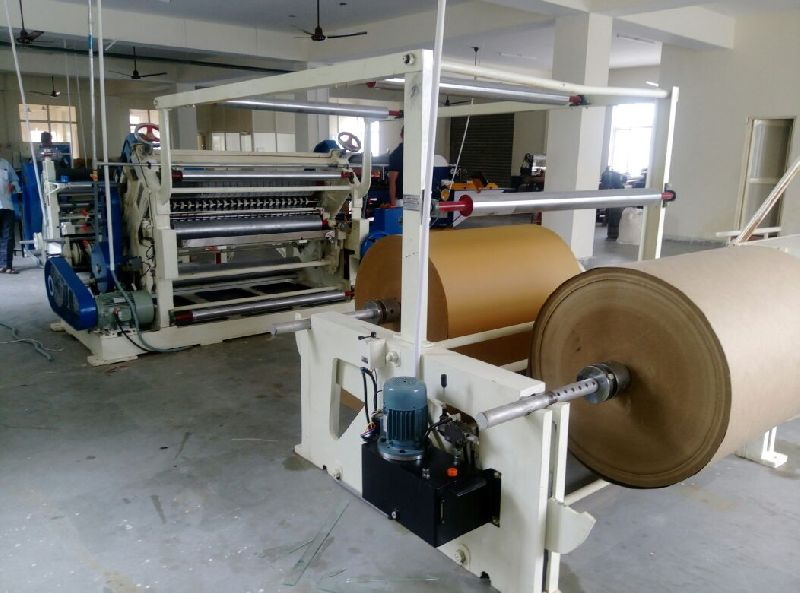
The process starts with automatic feeding of corrugated board, either from rolls or stacked sheets. A feeding system keeps the board flat and aligned, preventing warping, skewing, or double‑sheet feeding that can cause jams or inaccurate boxes. [quickcreator]
- Roll or sheet feeders are selected based on production volume and box specifications. [quickcreator]
- Sensors and mechanical guides ensure stable feeding even at high speeds. [quickcreator]
If your box requires logos, handling symbols, barcodes, or product information, flexo printing or similar printing modules can be integrated before folding. At the same time, creasing creates fold lines that determine how cleanly and accurately the box will form. [quickcreator]
- Creasing depth and position directly affect box aesthetics and stacking strength. [quickcreator]
- Poor creasing can lead to cracking at fold lines or asymmetric boxes. [quickcreator]
Next, the board passes through die cutting and punching units that shape the carton and add functional openings. [quickcreator]
- Die cutting defines the outer profile of the box and any flaps or locking structures. [quickcreator]
- Punching creates handle holes, ventilation holes, cable exits, or locking slots as required by the product. [quickcreator]
Modern machines typically use servo motors for accurate positioning, which is essential for complex or branded packaging where tolerances are tight. [formulawritesolutions]
In the folding section, mechanical arms, belts, or vacuum systems fold the board along pre‑creased lines to form the box shape. [quickcreator]
- Bottom, side, and top flaps are folded in sequence to avoid collisions and deformation. [quickcreator]
- Vacuum suction or pneumatic pushers help hold the board in place at high speed. [quickcreator]
From a practical point of view, this is where you see the difference between "acceptable" and "premium" boxes—the stability of corners, squareness of the box, and the way flaps meet. [quickcreator]
Once folded, the machine applies cold glue, hot‑melt adhesive, or tape to seal the bottom and, if needed, the sides of the box. [quickcreator]
- High‑end systems use precise glue dispensing heads to minimize waste and avoid glue overflow. [quickcreator]
- Automatic tape applicators are often used for e‑commerce or fulfillment boxes that require quick opening. [quickcreator]
Correct sealing is critical to prevent opening during transport, particularly in food, beverage, and electronics packaging. [formulawritesolutions]
Finally, finished boxes are transported out by conveyor, counted, and often automatically stacked or bundled. [quickcreator]
- Stacking units can group boxes in configurable bundles for easier palletizing and warehousing. [quickcreator]
- Operators mainly supervise, replenish materials, and perform quality checks, while the line runs continuously. [quickcreator]
Different production scenarios require different levels of automation and machine configurations. As an OEM‑focused factory, we usually guide overseas buyers through these major types: [quickcreator]
Semi‑automatic machines require manual feeding or partial manual operations, while the machine performs folding and bottom sealing. [quickcreator]
- Suitable for small to medium factories with limited budgets or changing order structures. [quickcreator]
- Ideal when volumes are moderate, but stable quality and lower labor intensity are still required. [quickcreator]
Fully automatic lines integrate feeding, printing, die cutting, folding, sealing, and stacking into one continuous process. [quickcreator]
- Designed for high production efficiency and consistent quality in large‑scale operations. [quickcreator]
- Often equipped with servo drives, PLC control, and user‑friendly touch panels for recipe management. [formulawritesolutions]
For large‑volume orders, high‑speed machines can produce dozens to hundreds of boxes per minute. Specialty machines handle irregular shapes, airplane boxes, or highly decorated packaging. [quickcreator]
- High‑speed lines are common in express logistics, e‑commerce fulfillment, and beverage sectors. [quickcreator]
- Specialty options may combine advanced printing, die cutting, window patching, or unique folding functions. [quickcreator]
Automatic carton box making machines are used wherever products need protective, stackable, and brandable packaging. [quickcreator]
Common application areas include:
- Logistics and e‑commerce: on‑demand boxes for diverse SKUs, optimized for courier sizes and volumetric weight. [quickcreator]
- Food and beverage: stable, hygienic packaging that withstands moisture and cold‑chain conditions. [magetop]
- Consumer electronics: shock‑resistant cartons for laptops, phones, and home appliances. [quickcreator]
- Cosmetics and FMCG: high‑quality printing and precise dimensions for retail shelves and display boxes. [quickcreator]
For OEM buyers, specifying the correct board grade and box style together with the machine capability is essential to avoid over‑engineering or under‑protecting your products. [formulawritesolutions]
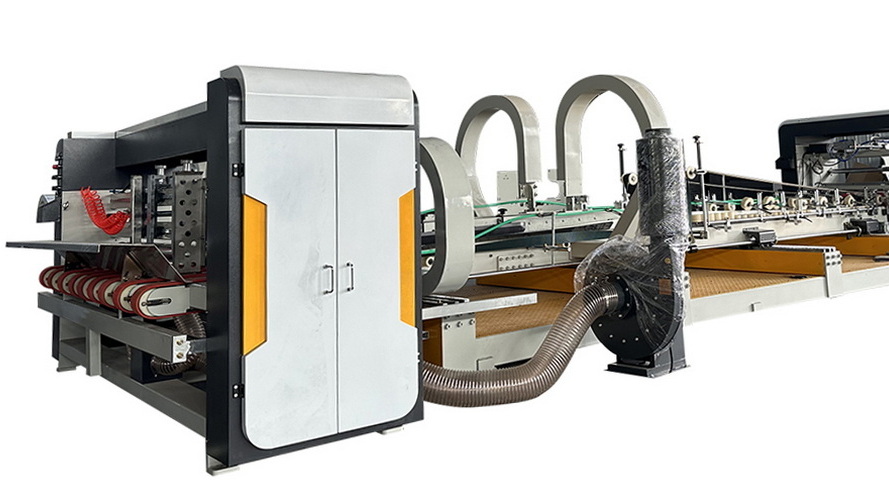
From the viewpoint of overseas purchasing managers and brand owners, the value of an automatic box making partner goes far beyond the machine itself. [ossisto]
Major advantages include:
- Higher production efficiency: automatic lines can produce far more boxes per shift than manual operations, without sacrificing precision. [quickcreator]
- Lower labor and training costs: fewer operators are needed, and changeovers are faster with programmable settings. [quickcreator]
- Consistent quality and fewer defects: accurate die cutting, creasing, and gluing reduce rejects and complaints. [quickcreator]
- Flexible customization: box size, printing, and materials can be adjusted to match different markets and product lines. [quickcreator]
- Improved sustainability: optimized use of board reduces waste, and machines can handle eco‑friendly cardboard and adhesives. [quickcreator]
For long‑term OEM relationships, this stability translates into predictable quality, scalable capacity, and stronger trust between brand and supplier. [ossisto]
Packaging machinery is rapidly moving toward intelligent manufacturing and digital connectivity. [quickcreator]
- IoT‑enabled monitoring: machines connect to MES/ERP systems for remote diagnostics, predictive maintenance, and real‑time production data. [quickcreator]
- Higher speed with precision: servo control and advanced sensors keep tight tolerances even at very high throughput. [quickcreator]
Environmental requirements are also driving design changes:
- Machines increasingly support recycled and biodegradable board, as well as solvent‑free, eco‑friendly adhesives. [magetop]
- Energy‑efficient drives and optimized motion reduce power consumption per box. [quickcreator]
For OEM buyers, working with a factory that invests in these trends ensures your packaging remains compliant with evolving global regulations and retailer standards. [magetop]
Hebei Ou Ye Carton Machinery Co., Ltd. is a specialized Chinese factory focused on carton packaging equipment, integrating design, production, sales, and after‑sales service. Our team continuously improves existing designs to overcome common weaknesses in both domestic and international packaging machinery. [quickcreator]
Key strengths from an OEM buyer's standpoint include:
- End‑to‑end capability: we design and manufacture carton printing, gluing and stitching machines, corrugated lines, and linkage production lines under one roof. [quickcreator]
- Intelligent factory setup: our focus on automation, high‑speed, and energy‑efficient solutions aligns with global manufacturers' needs for stable, scalable production. [quickcreator]
- Custom and private‑label service: we support custom specifications and private‑label branding for overseas manufacturers, wholesalers, and machinery distributors. [quickcreator]
Our experienced technical team provides guidance from initial consultation through after‑sales support, helping overseas clients select the right configuration for their specific product mix and growth plans. [ossisto]
Based on years of working with global customers, I recommend evaluating automatic carton box machines using a practical checklist rather than only comparing prices. [formulawritesolutions]
1. Clarify your box and product requirements
- Box types: standard shipping cartons, display boxes, heavy‑duty industrial boxes, etc.
- Board grades: single‑wall, double‑wall, or special composites based on product weight and protection needs. [quickcreator]
2. Define your production volume and flexibility needs
- Average and peak monthly order quantities.
- How often you change box sizes or designs, and how quickly you need changeovers. [ossisto]
3. Evaluate automation level and integration
- Whether you need semi‑automatic, fully automatic, or high‑speed turnkey lines.
- Ability to integrate with upstream corrugated lines and downstream packing or strapping equipment. [quickcreator]
4. Assess OEM partner capabilities
- Experience serving your target markets and industries.
- Availability of remote support, spare parts, and on‑site commissioning. [zerogravitymarketing]
If you are evaluating multiple suppliers online, a few practical UX‑driven tips can help you make faster, better decisions. [formulawritesolutions]
- Look for clear process explanations with diagrams or photos rather than vague marketing claims.
- Check whether the supplier shows real machines, videos, and sample boxes, not only stock images. [formulawritesolutions]
- Prefer sites that provide detailed specifications, configuration options, and application cases, as this usually reflects a more mature engineering team. [ossisto]
For complex OEM projects, prioritize factories that are comfortable discussing board grades, print requirements, and logistics constraints—not just quoting a price based on a model number. [ossisto]
A common question from growing manufacturers and brand owners is: "When should we move from semi‑automatic equipment to a fully automatic line?" [ossisto]
From experience, it is usually time to consider upgrading when:
1. Labor becomes a bottleneck: you struggle to hire and retain skilled operators, or overtime costs keep rising. [ossisto]
2. Rejection and rework levels are high due to inconsistent manual operations. [quickcreator]
3. Order volumes and SKU complexity increase, requiring shorter lead times and more frequent size changes. [formulawritesolutions]
In such cases, a well‑configured automatic line often pays back through labor savings, lower scrap rates, and improved customer satisfaction within a relatively short period. [ossisto]
If you are a brand owner, wholesaler, or manufacturer looking to optimize your carton box production or upgrade your OEM packaging supply, partnering with a specialized factory is the fastest way to reduce risk and cost. [ossisto]
Hebei Ou Ye Carton Machinery's engineering team can help you:
- Analyze your current packaging process and identify automation opportunities.
- Recommend suitable carton box production lines tailored to your products, volumes, and regional requirements.
- Provide OEM and private‑label solutions if you distribute machinery in your local market. [quickcreator]
Contact our team today to discuss your project and get a customized proposal for your carton box production or machinery requirements. [quickcreator]
1. What is the difference between a semi‑automatic and a fully automatic box making machine?
A semi‑automatic machine requires manual feeding or partial manual operations, while a fully automatic line handles feeding, cutting, folding, sealing, and stacking in one continuous process. Fully automatic lines are more suitable for high‑volume, standardized production where labor efficiency and consistency are critical. [quickcreator]
2. Can one machine handle multiple box sizes and designs?
Most modern automatic box machines can be configured for different box sizes and styles, but the range depends on the machine's design and tooling. Changeovers may require mechanical adjustments or program changes, so it is important to match machine flexibility with your SKU complexity. [formulawritesolutions]
3. What kind of cardboard can automatic box machines process?
Automatic box machines can typically handle single‑wall, double‑wall, and sometimes special composite boards, as long as they are within the machine's thickness and strength range. For eco‑friendly projects, many lines are compatible with recycled and biodegradable board and adhesives. [magetop]
4. How do I estimate the production capacity I need?
Start from your average and peak monthly carton consumption and work backwards to required boxes per hour, considering working shifts and downtime. A supplier with engineering experience can help simulate scenarios and recommend the right speed and automation level for your business. [formulawritesolutions]
5. What support should I expect from a Chinese OEM machinery supplier?
You should expect pre‑sales consulting, detailed technical documentation, installation and commissioning support, operator training, and long‑term spare parts and remote service. Established factories like Hebei Ou Ye Carton Machinery provide continuous optimization suggestions based on your real production feedback. [zerogravitymarketing]
1. Dongguang Dongsheng Carton Machinery Co., Ltd. "What is an automatic box making machine, and how does it work?"
<https://www.dongshengcartonmachine.com/news/what-is-an-automatic-box-and-how-does-it-work.html> [quickcreator]
2. Hebei Ouye Carton Machinery Co., Ltd. "Carton Box Production."
<https://www.ouyecartonmachine.com/products/Carton-Box-Production.html> [quickcreator]
3. QuickCreator. "SEO for Packaging Manufacturers: 2025 Best Practices."
<https://quickcreator.io/blog/seo-for-packaging-manufacturers-2025-best-practices/> [quickcreator]
4. Formula Write Solutions. "Industrial Equipment Content: Exciting 101 Guide!"
<https://formulawritesolutions.com/industrial-equipment-content-writing/> [formulawritesolutions]
5. Magetop. "How SEO Can Transform the Packaging Industry: A Guide for Manufacturers."
<https://www.magetop.com/blog/how-seo-can-transform-the-packaging-industry-a-guide-for-manufacturers/> [magetop]
6. Ossisto. "Proven Industrial Content Marketing Strategies."
<https://ossisto.com/blog/industrial-content-marketing/> [ossisto]
7. Zero Gravity Marketing. "Content Lead Gen Tips for Manufacturing."
<https://zerogravitymarketing.com/blog/content-strategies-for-manufacturers-to-gain-leads/> [zerogravitymarketing]


