
Views: 222 Author: Ouye Carton Machinery Publish Time: 2026-06-13 Origin: Site


Content Menu
● What Ink Consumption Really Means in Carton Printing
● Why Ink Consumption Matters for Your Bottom Line
● Key Factors That Drive Ink Consumption
>> 2. Printing Technology and Configuration
>> 3. Paperboard and Surface Characteristics
>> 4. Artwork Design and Ink Coverage
● Practical Ways to Measure Ink Consumption on Your Line
>> 1. Tracking Ink Use per Job or Per 1,000 Sheets
>> 2. Using Machine‑Integrated Monitoring Systems
>> 3. Analyzing Waste Ink and Setup Losses
● Expert Strategies to Reduce Ink Consumption and Cut Costs
>> 1. Optimize Design Before It Hits the Press
>> 2. Select Proper Inks and Anilox Rolls
>> 3. Improve Ink Management and Calibration
>> 4. Maintain and Calibrate the Carton Printing Machine
>> 5. Control Printing Speed and Drying Conditions
>> 6. Use Data to Benchmark and Continuously Improve
● Case‑Style Examples from the Industry
>> Example 1: Reducing Solid Coverage for a Global Export Carton
>> Example 2: Upgrading to Smarter Ink Monitoring
● How Hebei Ou Ye Supports OEM Customers on Ink Efficiency
● Call to Action for Overseas Brand Owners and Converters
● Frequently Asked Questions (FAQ)
A well-calibrated carton printing machine can cut ink usage by 10–20% without sacrificing print quality, especially when you combine precise ink metering, smarter artwork design, and disciplined maintenance routines. From a factory perspective, optimizing ink consumption is not just a cost lever but a strategic advantage in corrugated packaging production and OEM cooperation. [ouyecartonmachine]
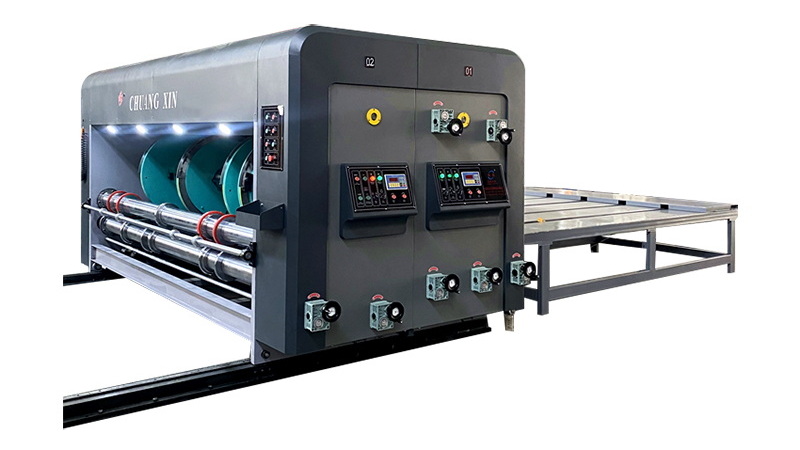
In carton box production, ink consumption is the amount of ink used to print a specific area or batch of corrugated board, usually tracked per 1,000 sheets, per square meter, or per job. It is driven by ink type, graphic coverage, board surface, printing technology, and machine condition, and directly affects your cost per box and overall plant profitability. [persistencemarketresearch]
From my experience working with OEM carton machinery projects, ink is one of the most visible ongoing costs for overseas converters; many plant managers report that small improvements in ink efficiency often deliver faster ROI than upgrading substrates or die-cut tooling. This is why smart ink management is now a standard topic in technical audits and new-machine commissioning visits for international customers. [staging-blog.pakfactory]
For corrugated converters, ink spend typically sits alongside paperboard, labor, and energy as a top cost category. With the packaging sector consuming over a million tons of printing inks globally each year, even a 5% reduction in ink usage translates into significant savings for medium and large plants. [gitnux]
Beyond raw material costs, excessive ink usage creates hidden losses: more wash-ups, longer setup times, higher defect rates, and more scrap. On the other hand, well-controlled ink consumption supports stable color, fewer reprints, and consistent quality that brand owners and wholesalers expect from OEM suppliers. [ouyecartonmachine]
The type and grade of ink have a direct impact on coverage and laydown. High-quality water‑based flexo inks typically achieve target density and opacity with a thinner ink film, while low-grade inks often need heavier application, increasing consumption and risk of drying issues. [drupa]
For export-oriented carton plants, using stable, higher-solids inks often reduces total cost per printed square meter, even if the unit price per kilogram looks higher on paper. This is especially true for long runs and repeat orders where color consistency and reduced waste matter more than ink's sticker price. [aopackmachine]
Different printing processes transfer ink differently and therefore consume different amounts. [ouyecartonmachine]
- Flexographic printing on corrugated generally uses a higher ink film thickness to achieve strong color on absorbent liners, which can increase consumption if not controlled. [drupa]
- Offset or pre‑print systems tend to use ink more efficiently on smoother substrates, but require different equipment and workflows and are not suitable for every plant. [ouyecartonmachine]
Within a flexo line, ink consumption is also influenced by:
- Anilox line count and volume
- Doctor blade condition and pressure
- Registration and impression settings
Well‑matched anilox–ink–substrate combinations are one of the fastest levers to optimize ink volume without sacrificing visual impact. [aopackmachine]
Your board choice can change ink demand dramatically. Uncoated or rough kraft liners absorb more ink and require a heavier laydown to reach the same density compared with coated or smoother liners. [drupa]
For many export cartons, converters strike a balance by using:
- Smoother liners or micro‑flute for display-quality graphics
- Standard kraft or recycled liners for transport packaging where ultra‑high graphics are not critical
Optimizing flute type and liner quality can reduce ink volume while maintaining printability and strength. [winpackprinting]
From a UX and prepress viewpoint, graphic design is often the most underestimated driver of ink usage. Large solid areas, heavy backgrounds, and full‑coverage flood coats can double or triple ink consumption on a job. [aopackmachine]
Design tactics that help reduce ink usage include:
- Replacing full solid backgrounds with tints, gradients, or patterns
- Using negative space and simpler icon systems instead of heavy blocks
- Adjusting brand colors slightly for better coverage on specific liners
- Applying halftone techniques to simulate solids with less ink laydown [ouyecartonmachine]
For OEM customers, it is valuable to give design guidelines early, so their artwork is "machine‑friendly" and cost‑efficient without compromising brand identity. [winpackprinting]
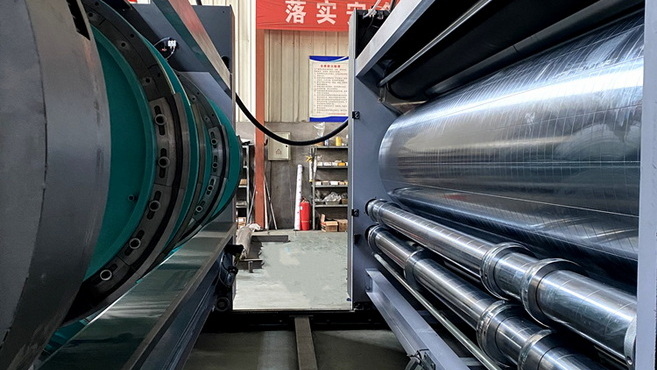
The simplest approach is to measure how much ink is consumed for a defined production batch. You can: [ouyecartonmachine]
1. Record the ink weight before and after a job or shift.
2. Divide by the number of printed sheets or square meters.
3. Log the result by machine, ink series, and board type.
Over time, this creates a baseline KPI per product family and allows you to spot abnormal increases tied to certain operators, substrates, or designs. [aopackmachine]
Newer carton printing machines increasingly integrate ink consumption monitoring or allow inline metering integration. These systems: [drupa]
- Track live ink flow and total usage during a run
- Highlight sudden spikes caused by mis‑settings or mechanical issues
- Support data‑driven decisions on optimal running conditions
For overseas OEM customers, such data also strengthens internal business cases for machinery upgrades and supports more accurate quotation models. [ouyecartonmachine]
A surprising portion of total ink usage is lost during setup, wash‑ups, and color matching. By measuring the volume of recovered or discarded ink, you can calculate a waste ratio versus productive ink consumption. [aopackmachine]
Typical waste sources include:
- Over‑inking during startup
- Frequent color changes with small lots
- Poor scheduling that causes repeated wash‑ups
Reducing color changeovers and grouping orders with similar designs or inks can significantly lower waste ink, especially in high‑mix production environments. [winpackprinting]
The cheapest ink is the ink you never have to buy. Before plates or cylinders are made, a prepress review should be part of every OEM project. Focus on: [drupa]
- Reducing full coverage backgrounds, especially dark or saturated colors
- Simplifying graphics for shipping cartons that aren't used for shelf display
- Standardizing color libraries and line weights across SKUs
Many brand owners are open to small adjustments when you explain that these changes can lower their printing cost per box while maintaining brand recognition. [staging-blog.pakfactory]
Match ink and anilox carefully to your application. For typical corrugated flexo work: [ouyecartonmachine]
- Choose water‑based inks designed for corrugated liners with good wetting and fast drying. [drupa]
- Use anilox volumes that provide sufficient density without over‑inking; overly high anilox volume creates waste and drying issues. [drupa]
- Standardize anilox specifications for families of jobs to simplify settings and training.
In many technical audits, simply stepping down one level in anilox volume and re‑dialing impression has cut ink usage by double‑digit percentages while improving detail in fine text. [aopackmachine]
A disciplined ink management system is essential for consistent consumption. Best practices include: [ouyecartonmachine]
- Precise batch‑wise ink mixing with digital scales
- Standard operating procedures for viscosity and pH control
- Regular calibration of pumps, flow meters, and ink fountains
Closed‑loop ink supply systems reduce open‑tray evaporation and contamination, which can otherwise drive operators to add more ink to compensate for thickening. [ouyecartonmachine]
Even the best ink can't compensate for a poorly maintained machine. Routine maintenance on your carton printing line helps keep ink usage stable and predictable. Key points: [ouyecartonmachine]
- Maintain even impression pressure; excessive pressure presses more ink into the board and shortens anilox/plate life.
- Keep doctor blades, seals, and ink chambers in good condition to avoid leakage and foaming.
- Ensure registration and web handling are stable to prevent reprints and over‑inking attempts to hide defects.
For OEM lines supplied to overseas plants, offering preventive maintenance schedules and remote diagnostics is now a major differentiator that international customers look for. [ouyecartonmachine]
Running significantly above the machine's optimal speed often forces operators to increase ink laydown to keep colors dense. Instead, define a sweet spot where ink transfer, drying, and registration are stable. [ouyecartonmachine]
Similarly, drying temperature and air flow should be tuned to the ink's characteristics and board type, avoiding the need for heavier ink films to compensate for poor drying. This is particularly important for water‑based systems on high‑coverage designs. [drupa]
Leading converters treat ink consumption as a continuous improvement metric alongside waste rate and OEE. To reach that level: [aopackmachine]
- Track ink consumption by job, customer, and design type
- Compare different shifts and operators with clear, visual dashboards
- Run controlled trials when changing ink suppliers, anilox configurations, or artwork standards
Over time, you can build house standards for acceptable grams of ink per square meter per design category, which becomes a powerful tool when negotiating with both customers and ink suppliers. [winpackprinting]
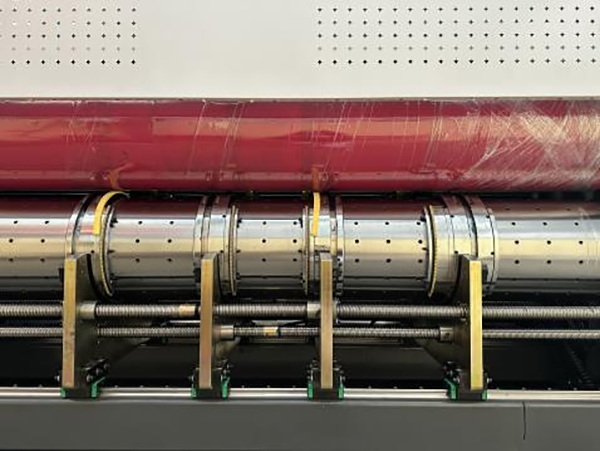
A mid‑size exporter supplying printed cartons to an overseas electronics brand changed a heavy full‑bleed blue background to a lighter tint combined with kraft negative space. With the same carton printing machine and ink, they reduced ink consumption per box by around 15% and improved drying, while the brand reported no negative impact on shelf perception. [staging-blog.pakfactory]
The converter then rolled similar design rules out to other customers, creating a design‑for‑manufacturing guideline that simplified future OEM projects. [aopackmachine]
A factory upgrading to a new flexo printer‑slotter with integrated ink metering started tracking consumption by job and shift. Within three months, they identified one specific grade of recycled liner and one legacy ink series that consistently drove higher ink usage and higher waste. [drupa]
By switching to a better‑matched ink and updating the anilox for those jobs, they reduced total ink consumption on that product family by more than 10% and lowered defect rates at the same time. [aopackmachine]
As a carton machinery factory focused on OEM solutions, Hebei Ou Ye Carton Machinery Co., Ltd. designs equipment and service packages that help overseas partners control ink consumption from day one. Our intelligent lines combine flexible configuration with user‑friendly controls, making it easier to run ink‑efficient settings even in busy, high‑mix environments. [ouyecartonmachine]
For brand owners, wholesalers, and local converters, working with an OEM partner that understands ink dynamics means faster start‑up curves, fewer costly surprises, and machines that are tuned for your preferred inks and substrates. We regularly support customers with remote optimization suggestions and training tailored to their actual products and artwork. [ouyecartonmachine]
If you are a brand owner, wholesaler, or carton converter looking to reduce printing costs without taking risks on print quality, the most effective step is to review both your machine configuration and artwork strategy together. [ouyecartonmachine]
Hebei Ou Ye Carton Machinery Co., Ltd. can help you:
- Evaluate your current ink consumption on existing lines
- Recommend suitable machine configurations and automation options
- Support OEM customization to match your inks, boards, and export standards
You can reach our engineering team to discuss your specific products and get a tailored ink‑efficiency and machinery proposal.
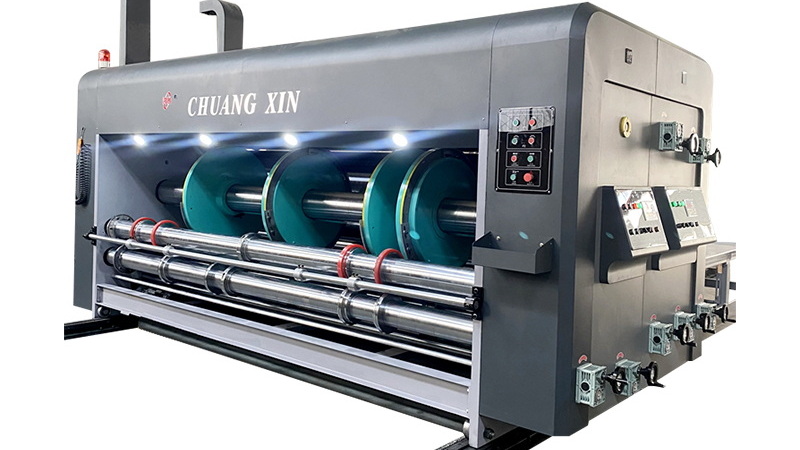
1. How can I quickly estimate the ink consumption of my current carton printing job?
You can weigh the ink before and after a defined run, then divide by the number of printed sheets or square meters; this gives you a practical consumption figure you can compare across jobs. [ouyecartonmachine]
2. Does switching to higher‑quality ink really reduce my costs?
In many cases yes, because better‑covering inks reach target density with a thinner film, lowering consumption, drying issues, and reprints, which often offsets the higher price per kilogram. [drupa]
3. What is the most common cause of excessive ink usage on corrugated?
The most common causes are heavy solid coverage in artwork, incorrect anilox volume, and excessive impression pressure, which together force more ink into the board than is actually needed. [aopackmachine]
4. How often should I review my ink consumption KPIs?
Most efficient plants review ink usage monthly by product family and machine, and carry out more detailed analysis whenever a new customer, board grade, or ink series is introduced. [aopackmachine]
5. Can OEM customization of the machine really help reduce ink consumption?
Yes, OEM customization allows better matching of inking systems, anilox specifications, controls, and monitoring to your typical substrates and graphics, which leads to more stable and economical ink usage over the life of the machine. [ouyecartonmachine]
1. Dongsheng Carton Machine – "How to determine the ink consumption of a cardboard printing machine and how to save costs." Jul 23, 2025.
<https://www.dongshengcartonmachine.com/news/how-to-determine-the-ink-consumption-of-a-cardboard-printing-machine-and-how-to-save-costs.html> [ouyecartonmachine]
2. Gitnux – "Ink Industry Statistics: Market Data Report 2026."
<https://gitnux.org/ink-industry-statistics/> [gitnux]
3. Persistence Market Research – "Printing Inks Market Size, Share & Growth Analysis, 2033."
<https://www.persistencemarketresearch.com/market-research/printing-inks-market.asp> [persistencemarketresearch]
4. Pakfactory Blog – "How to Reduce Packaging Costs Without Sacrificing Quality."
<https://staging-blog.pakfactory.com/learn/packaging-cost-what-are-my-options-and-how-to-reduce-it/> [staging-blog.pakfactory]
5. Aopack – "The Best Way to Cheaply Manufacture Corrugated Boxes."
<https://www.aopackmachine.com/the-best-way-to-cheaply-manufacture-corrugated-boxes/> [aopackmachine]
6. drupa Blog – "Water-based single-pass inkjet on corrugated cardboard – Best Practices and Insights."
<https://www.drupa.com/en/Media_News/drupa_blog/Packaging_Printing/Best_Practices_and_Insights/Water-based_single-pass_inkjet_on_corrugated_cardboard> [drupa]
7. Hebei Ouye Carton Machinery – "About Us."
<https://www.ouyecartonmachine.com/aboutus.html> [ouyecartonmachine]
8. Hebei Ouye Carton Machinery – "Top 10 Carton Box Printing Machine Manufacturers in China."
<https://www.ouyecartonmachine.com/top-10-carton-box-printing-machine-manufacturers-in-china.html> [ouyecartonmachine]
9. Winpack Printing – "Lower Mailer Box Packaging Costs: Cost Optimization."
<https://www.winpackprinting.com/article/lower-mailer-box-packaging-costs.html> [winpackprinting]


