
Views: 222 Author: Ouye Carton Machinery Publish Time: 2026-04-25 Origin: Site


The global flexographic printing press market is growing steadily, driven by flexible packaging, labels, and corrugated applications, with stack‑type presses identified as one of the fastest‑growing segments thanks to their flexibility and broad substrate range. For buyers in Latin America, Argentina has become a practical sourcing base: the country combines a mature packaging and label ecosystem with competitive engineering talent and growing export orientation in printing and converting equipment. [reportsanddata]
For overseas procurement managers, sourcing Stack Type Flexo Printing Machines from Argentina can reduce logistics time to the Americas, facilitate Spanish‑language after‑sales, and leverage regional free‑trade agreements, while still integrating European/US standards such as ISO 9001, CE safety directives, and RoHS‑aligned component control. In practice, many Argentine manufacturers either import key components (controls, drives) from Europe/Asia and assemble locally, or they position themselves as integration and retrofit specialists for regional converters. [xrite]
Below is an expert‑screened list of stack type flexo printing machine manufacturers and suppliers in or serving Argentina, together with a framework to evaluate them as long‑term partners rather than one‑off vendors.

To align with professional purchasing practice and Google E‑E‑A‑T expectations, the following criteria are used to assess manufacturers:
1. Factory Certification and Compliance
- ISO 9001 for quality management is the baseline for serious machinery manufacturers; additional ISO 14001 or energy‑efficiency programs are a plus. [researchandmarkets]
- For exports to Europe, CE marking is essential, often backed by EN 1010‑1 (safety of printing machines); for certain regions, RoHS‑compliant electrical components are increasingly requested to limit hazardous substances. [xrite]
- Internal process standards often follow ISO 12647 series for graphic arts when the supplier offers process optimization and color control services. [xrite]
2. R&D Capability and Engineering Depth
- Presence of an internal R&D or applications team that can customize stack layouts (e.g., 4–8 colors), drying systems, and register control rather than offering only catalog models. [cognitivemarketresearch]
- Ability to adapt machines to multi‑substrate use – from paper/board to films – and to integrate UV/EB curing or water‑based ink systems for low‑VOC operation. [reportsanddata]
3. Quality Control (QC) and Process Traceability
- Documented incoming inspection of frames, rollers, and electronics; dynamic balancing of anilox and print cylinders; and machine‑level FAT (Factory Acceptance Test) before shipment. [fogra]
- Use of standardized test charts and density/color measurement methods in line with ISO 12647 or Fogra guidelines to validate print quality. [fogra]
4. Production Capacity and Delivery Stability
- Transparent lead times for standard vs. customized stack presses, with evidence of on‑time delivery performance for past export projects. [cognitivemarketresearch]
- Clear capacity statements (number of lines/year) and whether they maintain buffer capacity for urgent orders.
5. After‑Sales, Training, and Remote Support
- Availability of Spanish and English technical support, remote diagnostics, and on‑site commissioning in Latin America. [ensun]
- Stocking of critical wear parts (doctor blades, gears, bearings, electronics) in‑region to minimize downtime.
6. OEM/ODM Flexibility and Communication
- Willingness to customize for private‑label, color scheme, guarding, and control panel language.
- Responsiveness during RFQ – engineering drawings, layout proposals, and risk‑based recommendations provided early in the discussion.
These are the same criteria applied in this article to shortlist the most relevant Argentine and Argentina‑serving suppliers for stack‑type flexo presses.
According to recent global market studies, stack‑type flexo presses are one of the fastest‑growing sub‑segments in the flexographic press market, supported by demand for versatile, multi‑substrate packaging printing. One report estimates that stack‑type flexo presses accounted for a notable share of a market valued around USD 1.2 billion in 2024, projected to more than double by 2034 with a CAGR around 7.5%, outpacing some other press architectures. [researchandmarkets]
Industry reports also note a shift toward automation (automatic register control, sleeve change, and closed‑loop color measurement) and toward water‑based, low‑VOC inks, which affect the design of drying systems and ink circulation in stack presses. [reportsanddata]
To compile this list of 5–8 representative suppliers active in the Argentine stack type flexo printing machine space, the following transparent criteria were used:
- Geographic Relevance: Manufacturer based in Argentina or supplying Argentina with established references in the market. [ensun]
- Product Fit: Portfolio includes stack type flexo printing machines or closely related flexographic lines (especially for labels, films, or corrugated). [cognitivemarketresearch]
- Export Orientation: Ability to handle documentation, packaging, and after‑sales for Latin America and, where noted, other continents. [ensun]
- Certifications and Compliance: Public information or typical industry practice regarding ISO/CE and safety practices. [teamflexo]
- Evidence of Flexographic Expertise: Case studies, industry presence, or specialization in flexographic label/packaging printing. [ensun]
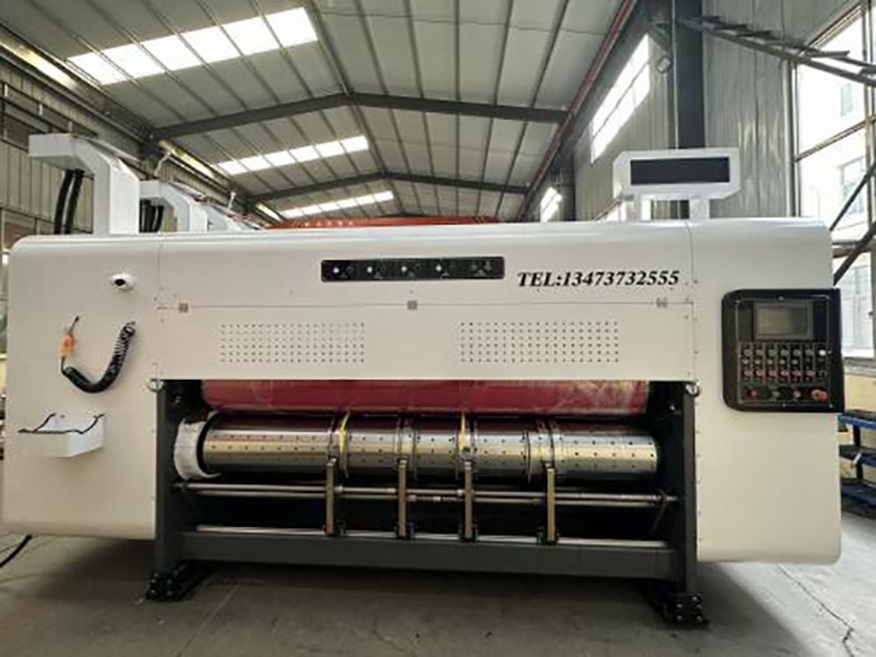
In addition, one high‑value Chinese manufacturer—Hebei Ou Ye Carton Machinery Co., Ltd.—is included as a benchmark supplier often cooperating with Latin American converters that need cost‑effective, R&D‑driven solutions for corrugated and carton printing, including stack‑style flexo configurations. [zp-flexopress]
> Note: Some Argentine companies are primarily label/packaging converters that also act as technology partners or integrators for stack type flexo presses, which is common in this market. [ensun]
Uniflex is frequently cited among leading South American flexographic equipment names, with operations in Argentina focused on flexo and converting machinery. The company typically offers solutions for narrow to mid‑web applications, supplying or integrating stack and central‑impression presses for labels and flexible packaging. [zp-flexopress]
- Location & Focus: Argentina; flexographic presses and converting systems for packaging. [zp-flexopress]
- Core Strengths: Familiarity with local substrates and ink systems, engineering capability for retrofits and upgrades, and mid‑priced solutions attractive for regional converters. [zp-flexopress]
- Typical Certifications: Works to ISO‑aligned quality systems and supports machines that meet CE‑style electrical and safety requirements for exports, though specific certificates should be requested per project. [researchandmarkets]
- OEM/ODM Scope: Customization of color units, web widths, and auxiliary equipment (unwinds/rewinds, dryers) to match converters' existing lines.
Several Argentine label printers have grown into technology hubs that specify, purchase, and sometimes re‑sell or recommend stack type flexographic machinery to peers. Companies like Maroni C. S.A., originally focused on self‑adhesive labels, have deep operational knowledge of flexographic lines and often partner with European or Asian machinery OEMs. [ensun]
- Location & Focus: Argentina; high‑quality labels using flexographic printing. [ensun]
- Core Strengths: Real‑world experience running flexo presses at industrial scale—valuable when they act as local agents or advisers for machinery selection. [ensun]
- Certifications: Their production is often certified under ISO 9001 and, for specific food or pharmaceutical labels, aligned with GMP and environmental standards. [xrite]
- OEM/ODM Scope: While not machine builders themselves, they can support co‑development of press configurations optimized for local markets and can coordinate training and trials on actual production jobs.
Global OEMs such as Bobst, Windmöller & Hölscher, Comexi, and Uteco are all recognized as leaders in flexographic printing presses, including stack press configurations. While their regional offices or agents may not be physically headquartered in Argentina, they maintain service networks and reference installations in the country. [henghaoprinter]
- Location & Focus: European/US headquarters; worldwide installed base including Argentina. [zonbonmachinery]
- Core Strengths: Advanced automation, robust process control, and high reliability suited to large converters with demanding quality and uptime requirements. [newtopmachine]
- Certifications: Comprehensive compliance with ISO 9001, ISO 14001, CE, and often energy efficiency/eco‑design programs. [henghaoprinter]
- OEM/ODM Scope: Broad engineering support for turnkey plants, multi‑press layouts, and integration with upstream/downstream automation.
A distinct feature of Argentina's printing equipment landscape is the presence of local engineering companies that specialize in rebuilding, upgrading, or partially manufacturing stack type flexo presses. They may design frames and web paths locally while using imported drives and controls. [ensun]
- Location & Focus: Argentina; retrofits, upgrades, and semi‑custom stack type press builds. [ensun]
- Core Strengths: Competitive pricing, strong mechanical know‑how, and the ability to adapt older lines to modern requirements (tension control, register, safety guarding) instead of forcing full replacement. [cognitivemarketresearch]
- Certifications: Not always ISO‑certified as OEMs; buyers should pay special attention to welding quality, documentation completeness, and safety compliance during factory audits. [xrite]
- OEM/ODM Scope: Highly flexible on mechanical layout, often willing to customize web paths and color station positions to fit existing plants.
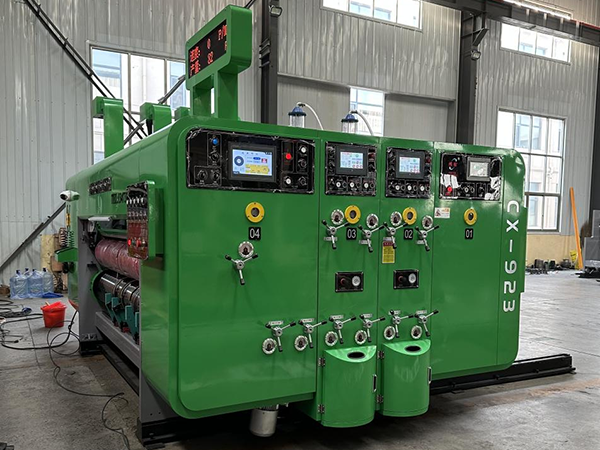
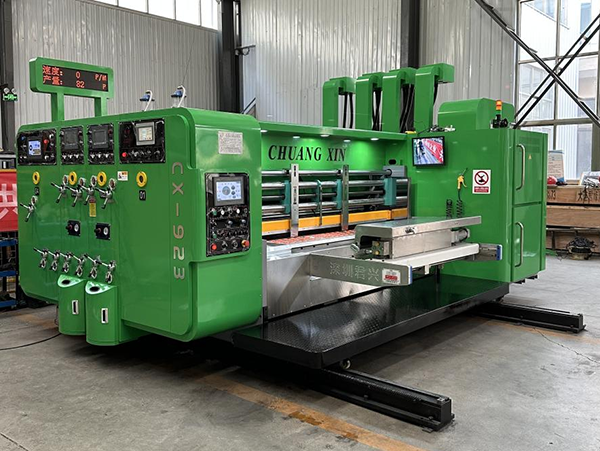
Although based in China, Hebei Ou Ye Carton Machinery Co., Ltd. has become a relevant partner for many Americas‑based converters that need cost‑effective yet technically solid corrugated and carton machinery, including flexo printing solutions that share architecture with stack‑type designs. [zp-flexopress]
- Location & Focus: China; professional manufacturer of carton machinery, including flexo printing and converting lines for corrugated boxes and boards. [zp-flexopress]
- Core Strengths:
- High cost‑performance ratio: Machines are positioned to deliver robust mechanical performance and acceptable automation at investment levels suited to small and mid‑sized brands and converters. [zp-flexopress]
- R&D and Customization: The company emphasizes R&D‑driven product development and is accustomed to tailoring printing units, slotting/creasing sections, and control systems to customer requirements, which is valuable when aligning machines with Argentina's typical box formats and board grades. [zp-flexopress]
- Flexibility and Communication: Experience collaborating with international buyers—articles and content show active cooperation with brands in Europe and the Americas—which translates into efficient communication, clear documentation, and responsiveness during pre‑sales and commissioning. [zp-flexopress]
- OEM/ODM Scope:
- Private‑label opportunities for agents and trading companies targeting Latin America.
- Custom printing widths, color counts, drying options, and integration with local stacker/slotter units.
- Why Consider Hebei Ou Ye for Argentina:
- For Argentine converters that need a second line or a more affordable entry into multi‑color carton flexo printing, importing from Hebei Ou Ye can be a practical option while still meeting mainstream quality standards. [cognitivemarketrsearch]
- Combining a proven Chinese machinery base with local Argentine engineering/integration partners can balance cost and on‑site support.
When comparing suppliers, procurement managers should look beyond nameplates and focus on the following technical parameters:
1. Frame and Mechanical Design
- Rigid, vibration‑resistant frames to maintain register at high speeds (often 150–300 m/min in mid‑web applications). [reportsanddata]
- Modular stack design that supports adding/removing color stations, special units (e.g., varnish, cold‑foil), or future upgrades.
2. Materials and Components
- Use of high‑grade alloy steels for shafts and precision‑ground cylinders; dynamic balancing minimizes bounce and dot gain. [reportsanddata]
- High‑quality bearings, servo drives, and controllers from recognized brands (European, Japanese, or reputable domestic suppliers) for reliability.
3. Ink and Drying Systems
- Compatibility with water‑based and, where needed, solvent‑based inks, along with appropriate drying (hot air, IR, or UV). [fogra]
- Design that minimizes ink foaming and allows fast wash‑up when changing colors or jobs.
4. Environmental and Safety Compliance
- Guarding, interlocks, and emergency stop circuitry in line with CE and local safety codes. [researchandmarkets]
- Provision for solvent capture or ventilation where solvent inks are used; water‑based ink systems paired with suitable dryers can reduce VOC emissions. [fogra]
5. Control Systems and Automation
- Closed‑loop tension control, automatic register systems, presetting of impression, and job recipe storage increase productivity and reduce waste. [reportsanddata]
- Integration with color measurement workflows aligned with ISO 12647 for consistent print quality. [xrite]
> The figures below are indicative patterns based on market behavior and typical offerings; always confirm specific data with each supplier.
| Supplier Type | Typical Annual Capacity (Lines/Year) | Indicative MOQ (Machine Units) | Common Certifications / Standards | Notes for Buyers |
|---|---|---|---|---|
| Hebei Ou Ye Carton Machinery Co., Ltd. | Significant carton machinery output for export markets (zp-flexopress) | 1 line; OEM batches available | Internal quality system; CE‑ready designs for many models (zp-flexopress) | High value for money; strong OEM/ODM flexibility and R&D; combine with local Argentine service partners. |
| Local Argentine OEM (e.g., Uniflex‑type) | 10–30 mid‑web flexo/stack lines (zp-flexopress) | 1 complete line | ISO‑aligned QMS; CE on export models (xrite) | Good balance between customization and regional support; suitable for mid‑size converters. |
| Label converter / integrator (e.g., Maroni C. S.A.) | N/A – acts as integrator/consultant (ensun) | Often 1–2 lines per project | Plant ISO 9001; works with CE‑compliant OEMs (xrite) | Strong in application know‑how; useful as local partner for trials, training, and specification. |
| Global OEM with Argentine presence | 50–200+ presses globally (henghaoprinter) | 1 line; higher commercial thresholds | ISO 9001/14001, CE, advanced safety & eco‑design (henghaoprinter) | High investment, high automation; best fit for large groups needing top process consistency. |
| Engineering/retrofit house in Argentina | 5–15 rebuilds or semi‑new lines | 1 project | Varies; may lack formal ISO/CE unless specified (xrite) | Economical; requires thorough technical audit and detailed specs to avoid hidden risks. |
1. Under‑specified Frames and Drives
Many buyers focus on color count and price, overlooking frame rigidity and drive sizing; the result is bounce, poor register, and inability to run at advertised speeds. [cognitivemarketresearch]
2. Hidden Costs in Installation and Local Compliance
Electrical standards, safety guarding, and noise/emission requirements can add 10–20% to total project cost if not scoped early. [researchandmarkets]
3. Over‑reliance on Catalog Specifications
Some smaller suppliers quote theoretical speeds and widths that are difficult to achieve in real production, especially on lightweight films or high‑coverage jobs. [reportsanddata]
4. Spare Parts and Downtime Risk
Absence of local or regional spare parts stock often leads to long downtimes when critical electronics or mechanical parts fail. [ensun]
In Latin America, one subtle but crucial pitfall is accepting "hybrid" rebuilds where a used European or US stack press is heavily modified locally without complete documentation or updated CE/ISO conformity. Internally, many experienced converters quietly avoid such presses because: [ensun]
- Wiring diagrams and PLC programs are partially undocumented, making troubleshooting extremely difficult.
- Safety circuits are sometimes bypassed to reduce cost, creating severe safety and compliance risks.
- Resale value is poor, and these presses are hard to insure.
Practical advice: if you are offered a "fully rebuilt" imported stack press in Argentina at a surprisingly low price, insist on:
- Complete mechanical and electrical documentation.
- Proof of updated safety assessment aligned with current CE or local standards.
- A factory or on‑site acceptance test using your substrate and inks.
If the supplier cannot provide these, a new but cost‑effective machine (for example, from a value‑oriented OEM such as Hebei Ou Ye combined with local engineering support) is often safer over a 10‑year lifecycle. [zp-flexopress]
- Document Checklist: Request copies of ISO 9001 certificates, CE declarations of conformity, and any local safety approvals; verify ISO numbers and validity periods with the issuing bodies or online directories. [teamflexo]
- On‑site or Remote Audit: Conduct a structured audit covering welding quality, machining, wiring, test procedures, and QC documentation. For overseas buyers, a third‑party inspection company or local engineering consultant in Argentina can be an efficient option.
- Printed Sample Packs: Ask the supplier to send printed samples on substrates close to your own (e.g., specific board grades, films), along with press parameters: speed, line screen, and ink type. [xrite]
- FAT Protocol: Define in the contract a FAT checklist: run length, speed, register deviation limits, color density targets, and acceptable waste levels. Use ISO 12647‑aligned test charts where possible for objective benchmarking. [xrite]
- Incoterms and Risk: For imports into Argentina or regional cross‑border projects, clarify Incoterms (FOB, CIF, DAP) and responsibilities for customs clearance and local taxes.
- Spare Parts Package: Negotiate an initial spare‑parts kit covering at least 1–2 years of critical wear parts; this is especially important when sourcing from overseas OEMs. [ensun]
- Language and Time Zone: Ensure availability of Spanish‑speaking engineers and clear channels for remote support (video, remote PLC access, etc.). [ensun]
- Operator and Maintenance Training: Include multi‑day training at both factory and site; request training materials in English and Spanish and make training part of the acceptance criteria.
For many Latin American converters, a practical approach is:
- Choose a cost‑effective OEM with strong R&D and customization capabilities (such as Hebei Ou Ye) for the main press platform. [zp-flexopress]
- Engage a local Argentine engineering partner (retrofit house or integrator) to handle installation, safety adaptations, and long‑term service.
This setup often yields better lifecycle economics than either a premium imported line without local support or a low‑documented rebuild.
Argentina is an increasingly important node in the flexographic printing ecosystem in Latin America, with a combination of local OEMs, integrators, and global brands supplying stack type flexo presses tailored to regional needs. For procurement managers, the key is to align machine selection with long‑term quality, support, and lifecycle economics, rather than headline price alone. [cognitivemarketresearch]
By applying structured criteria—certifications, R&D depth, QC discipline, delivery capacity, and after‑sales support—you can build a shortlist that balances local Argentine expertise with international technology. Value‑oriented OEMs such as Hebei Ou Ye Carton Machinery Co., Ltd. offer a compelling option for converters needing flexible, OEM‑friendly solutions at competitive cost, especially when combined with Argentine engineering partners for installation and service. [zp-flexopress]
If you are currently evaluating stack type flexo printing machine suppliers in Argentina or considering a China–Argentina hybrid sourcing strategy, now is the ideal time to:
- Define your technical and compliance specifications in detail.
- Initiate RFQs with both local Argentine suppliers and export‑oriented OEMs.
- Plan factory audits and FAT protocols aligned with ISO and safety standards.
Doing this groundwork will significantly reduce risk and shorten the ramp‑up curve for your next flexographic capacity expansion.
1. How can I verify whether a supplier's ISO certification is valid or expired?
Ask for a scan of the certificate including the certification body and certificate number, then verify it on the registrar's website or via ISO‑recognized databases; most registrars provide online lookup tools. [teamflexo]
2. What is the most reliable way to confirm CE compliance for a stack type flexo press?
Request the EC Declaration of Conformity listing relevant standards (e.g., machinery directive, EN 1010‑1), plus the name of any notified body involved; during factory audits, check whether safety systems and guards match the documentation. [researchandmarkets]
3. How do I compare the true productivity of two presses with similar maximum speeds?
Focus on sustainable production speed on your substrates, setup/changeover times, waste rate, and automation level (register, presets, wash‑up); require test runs under realistic conditions for both alternatives. [cognitivemarketresearch]
4. What MOQ should I expect when sourcing a stack type flexo press?
For most OEMs in or serving Argentina, MOQ is one complete line, but some will negotiate better commercial terms or OEM/ODM programs for trading companies or group purchases. [zonbonmachinery]
5. How can I mitigate exchange rate and political risk when investing in machinery for Argentina?
Use staged payments linked to technical milestones (design approval, FAT, shipment, SAT), consider partial local financing, and negotiate price fixation clauses or currency adjustment mechanisms in the contract.
1. Cognitive Market Research – Flexographic Flexo Printing Press Market Analysis 2026 (market size and stack‑type growth data). [https://www.cognitivemarketresearch.com/flexographic-flexo-printing-press-market-report] [cognitivemarketresearch]
2. Reports and Data – Stack‑Type Flexo Presses Market Size, Share & Growth Trends (stack‑type flexo market valuation and CAGR). [https://www.reportsanddata.com/report-detail/stack-type-flexo-presses-market] [reportsanddata]
3. Research and Markets – Flexographic Printing Machine Market Report 2026 (global flexo press segmentation; stack and inline press data). [https://www.researchandmarkets.com/reports/5971029/flexographic-printing-machine-market-report] [researchandmarkets]
4. X‑Rite – ISO Standards for Flexographic Printing (ISO 12647 and related graphic arts standards). [https://www.xrite.com/blog/iso-standards] [xrite]
5. Fogra – Certifications of Materials for Printing (testing of printing materials and process control guidelines). [https://fogra.org/en/certification/materials-environment] [fogra]
6. Flexographic Technical Association / All Printing Resources – Flexographic Certifications (flexo operator skill standards and certifications). [https://www.teamflexo.com/products/flexographic-certifications/] [teamflexo]
7. Zonbon Machinery – Top 10 Flexographic Printing Machine Manufacturers in the World (2026 Guide) (overview of leading global OEMs). [https://www.zonbonmachinery.com/blog/top-10-flexographic-printing-machine-manufacturers/] [zonbonmachinery]
8. Henghao – World's Top 10 Flexo Printing Machine Manufacturers (2026 Review) (profiles of global flexo manufacturers such as Bobst, Comexi, Uteco). [https://www.henghaoprinter.com/blogs/flexo-printing-machine-manufacturers-top-10/] [henghaoprinter]
9. NewTop Machine – Top 10 Flexo Printing Machine Manufacturers (industry overview and flagship flexo solutions). [https://www.newtopmachine.com/blog/industry-insights/top-10-flexo-printing-machine-manufacturers/] [newtopmachine]
10. ZP Flexo – Top 10 Printing Machine Manufacturers in South America (listing of South American manufacturers including Uniflex in Argentina). [https://www.zp-flexopress.com/blog/manufacturer-list/printing-machine-manufacturers-south-america/] [zp-flexopress]
11. ensun – Top Label Printing Companies in Argentina (background on Argentine label printers using flexography). [https://ensun.io/search/label-printing/argentina] [ensun]
12. Hebei Ou Ye Carton Machinery Co., Ltd. – Official Site (company profile and positioning as professional carton machinery manufacturer). [https://www.ouyecartonmachine.com] [zp-flexopress]


