
Views: 222 Author: Amanda Publish Time: 2025-08-05 Origin: Site


Content Menu
● Flat Die Cutting Machines: What You Need to Know
● Key Advantages of Flat Die Cutting Machines
● Flat Die Cutting Machine Manufacturers and Suppliers in Australia
● Leading Australian Manufacturers and Suppliers
>> Graph-Pak
>> Print & Handling Equipments (PHE)
>> International OEM Brands with Australian Distribution
● Technological Innovation in Flat Die Cutting
● Market Trends Driving Growth in Australia
● How to Choose the Right Flat Die Cutting Machine Supplier in Australia
● OEM Services for Global Clients
● Frequently Asked Questions (FAQ)
>> 1. What is a flat die cutting machine and how does it work?
>> 2. What applications do flat die cutting machines serve in Australia?
>> 4. What criteria are important when seeking an OEM flat die cutting machine partner in Australia?
>> 5. What are the future trends in the Australian flat die cutting machine market?
Flat die cutting machines are essential tools in the packaging, printing, and manufacturing industries. They enable precise cutting, creasing, and shaping of various materials such as paper, cardboard, foils, and plastics. As demand for high-quality packaging solutions continues to grow globally, the Australian market for flat die cutting machines is expanding. Local and international manufacturers and suppliers are bringing innovative technology and comprehensive services to help businesses meet their production needs. This article reviews the leading flat die cutting machine manufacturers and suppliers in Australia while highlighting their key features, technological innovations, and OEM capabilities.

Flat die cutting machines operate with steel rule dies mounted on a flat bed. During operation, a platen applies pressure, pressing material against the die to produce precise shapes and creases. This technology is widely favored due to its accuracy and versatility, particularly when compared to rotary or laser die cutting equipment. It excels in handling intricate shapes and complex packaging designs that many other cutting technologies cannot replicate efficiently.
Flat die cutting is commonly used for various materials, including corrugated board, paperboard, plastic films, and synthetic textiles. Its capacity to handle different thicknesses and substrates makes it indispensable in packaging, labels, and custom product manufacturing.
Flat die cutting machines offer multiple advantages that appeal to industries requiring precision and flexibility:
- Precision and Accuracy: They provide highly precise cuts with tolerances as tight as ±0.1mm, essential for detailed packaging designs, gaskets, and labels.
- Versatility Across Materials: These machines accommodate a broad spectrum of substrates such as cardboard, plastic, and foils used in packaging and product design.
- Cost-Effective Production: Lower tooling costs combined with fast die changeovers make them suitable for both prototyping and large-volume production.
- Customization Flexibility: The ability to produce custom shapes quickly makes flat die cutting ideal for short-run orders and bespoke packaging.
- Environmentally Friendly Design: Modern flat die cutting machines reduce material waste and improve sustainability through optimized cutting processes.
The Australian market includes a blend of domestic manufacturers and international suppliers who either manufacture locally or distribute globally sourced equipment. Their offerings range from high-capacity industrial flat bed systems for large-scale production to digital and automated flatbed cutters optimized for smaller batches and fast turnaround times.
Most suppliers extend full-service support including installation, training, maintenance, and spare parts. Many also offer tailor-made OEM solutions, catering to international brands and wholesalers seeking customized machines with local service support.
Graph-Pak is a leading supplier specializing in packaging machinery and flat die cutting solutions. They collaborate with prominent global brands and offer machines designed for high efficiency in folding, die cutting, and case binding. Their focus is on providing robust, reliable equipment suitable for the Australian, New Zealand, and Pacific markets.
PHE excels in digital print finishing machinery, prominently supplying flatbed cutters designed for high-precision label and packaging applications. They carry premium brands that integrate digital technology for accuracy and speed, offering machinery that easily adapts to diverse finishing needs.
RENZ Australia offers sophisticated digital flatbed cutters known for their precision and ease of use. The ColorCut series, for example, is favored for both prototyping and production runs, providing a seamless balance of speed and cutting accuracy for modern packaging manufacturers.

Several global OEM manufacturers collaborate with Australian suppliers to make advanced flat die cutting equipment accessible locally. Major brands include BOBST, Heidelberg, Eterna, Caida Machinery, Rhyguan, and Sysco Machinery. These companies are known for their automation, durability, and innovative cutting technologies. Australian distributors often provide full support packages, including equipment installation, technical training, maintenance, and spare parts availability.
Australian flat die cutting machine manufacturers and suppliers emphasize continuous innovation to stay competitive:
- Automation Enhancements: Integration of robotic feeders, automated sheet handling, and conveyor systems reduces manual labor while increasing throughput.
- Digital User Interfaces: Machines feature intuitive touch screens, programmability, and software-enabled design file compatibility, making operation more efficient and reducing errors.
- Sustainability Features: Energy-efficient components and designs that minimize waste align with increasing environmental awareness across industries.
- Maintenance and Reliability: Predictive maintenance systems and real-time diagnostics ensure minimal downtime, extending the life of equipment and maintaining productivity.
The flat die cutting market in Australia is shaped by several key trends:
- OEM Collaborations: Many Asian manufacturers work closely with Australian distributors or manufacturers to create customized flat die cutting solutions that serve the local market and surrounding regions.
- Digital and Short-Run Production: Growing demand for customized packaging and rapid product prototyping drives adoption of digital flatbed die cutters that support short runs with fast changeover.
- Sustainability Focus: Eco-conscious businesses drive demand for machines that optimize raw material usage and support environmentally responsible manufacturing.
- Regional Expansion: Australian suppliers often serve as export hubs for nearby markets, offering OEM products with regional after-sales service.
When choosing a supplier for flat die cutting machines, consider the following factors:
- Product Range: Do you require heavy-duty machinery for mass production, or digital cutters for short runs and prototyping?
- Technical Support: Reliable after-sales service including installation, training, and maintenance is critical.
- Technological Advancements: Ensure the machines offered feature the latest in automation, digital controls, and software integration.
- OEM Experience: For global brands, suppliers with proven OEM manufacturing capabilities and international collaboration experience provide better tailored solutions.
- Sustainability Commitment: Look for suppliers who prioritize green production and energy-efficient technologies.
Australia's leading flat die cutting manufacturers and suppliers commonly provide OEM services to international customers. These services cover machine design, custom manufacturing, branding, full packaging line integration, logistics, and post-delivery support. This makes Australia a strategic base for global brands, wholesalers, and packaging producers seeking tailored solutions with reliable local service.
Australia's flat die cutting machine industry is characterized by a synergistic blend of local expertise and international technology innovation. Manufacturers and suppliers in this market deliver a broad spectrum of machines catering to diverse applications from heavy industrial production to digital prototyping. With a growing emphasis on automated, sustainable, and flexible cutting solutions, Australian businesses and global OEM clients are well-served by the comprehensive range of options available locally. By selecting the right partner—one that combines cutting-edge machinery, excellent support, and OEM experience—businesses can boost productivity, improve packaging quality, and meet evolving market demands with confidence.
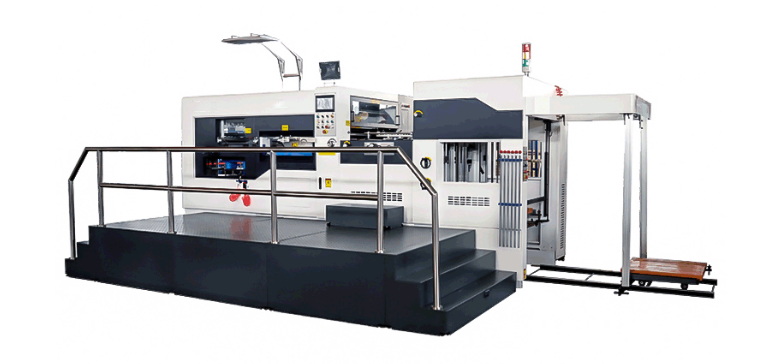
A flat die cutting machine uses a steel rule die mounted on a flat bed to cut, crease, or shape materials. A platen presses down the die onto the substrate to produce precise cuts with mechanical or hydraulic force.
Flat die cutting machines are widely used in producing packaging cartons, labels, gaskets, tags, inserts, and other customized packaging components.
Evaluate local support availability, delivery lead times, customization options, pricing, and after-sales services. Local distributors often partner with foreign OEMs to balance technology access with responsive customer care.
Experience in global collaboration, flexibility in design and production, adherence to high manufacturing standards, and robust service capabilities are imperative for overseas brands.
The market is evolving with advances in automation, smart controls, eco-friendly design, and demand for digital, short-run packaging solutions that enable rapid product innovation.


