
Views: 222 Author: Amanda Publish Time: 2025-09-27 Origin: Site


Content Menu
● What is an Acme Interlake Strapping Machine?
>> Key Features of the Acme Interlake Strapping Machine
● Operating the Acme Interlake Strapping Machine
>> Initiate the Strapping Process
● Maintenance Guidelines for Longevity
>> Daily Tasks
>> Weekly Tasks
● Troubleshooting Common Issues
● Integrating Acme Interlake Strapping Machines into OEM Packaging Lines
● Frequently Asked Questions (FAQ)
>> 1. What types of straps are compatible with the Acme Interlake strapping machine?
>> 2. How do I adjust the tension settings on the machine?
>> 3. Can the Acme Interlake strapping machine be integrated into a fully automated packaging line?
>> 4. What regular maintenance does the machine require?
>> 5. How do I resolve a sealing failure on the machine?
In the packaging industry, efficiency and reliability are paramount. The Acme Interlake strapping machine stands out as a powerful solution for securing packages, pallets, and bundles safely and quickly. At Hebei Ouye Carton Machinery Co., LTD., a leading intelligent factory specialized in carton packaging machinery design and manufacturing, we understand the importance of OEM solutions that incorporate high-quality machinery like the Acme Interlake strapping machine. This detailed guide will take you through everything you need to know about using the Acme Interlake strapping machine effectively, from setup to operation, maintenance, troubleshooting, and integration into your packaging workflow.
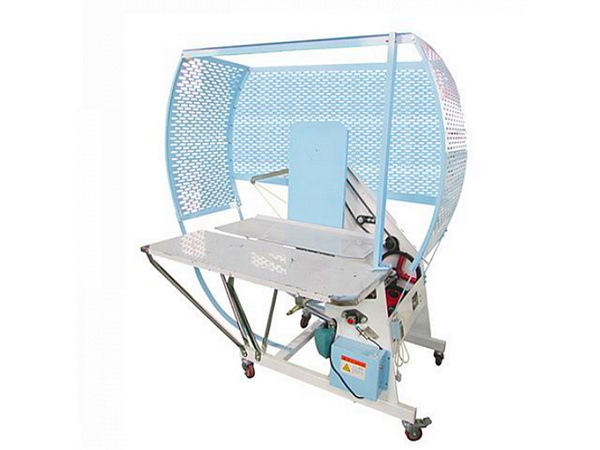
The Acme Interlake strapping machine is a high-performance industrial device designed to apply plastic or steel straps around packages for secure transportation and storage. Used widely in manufacturing plants, warehouses, logistics companies, and packaging lines, it ensures packages remain intact during transit.
This type of strapping machine automates the process of securing products with straps, which is faster and more consistent than manual strapping. It can handle various packaging sizes and types, making it suitable for a broad range of industries.
- Automatic tensioning and sealing operation eliminate the need for manual strap tightening, saving time and reducing labor costs.
- Compatibility with multiple strap types, including polypropylene (PP), polyester (PET), and steel, provides versatility.
- Adjustable tension settings allow operators to tailor the tightness of straps based on the package's fragility and weight.
- Robust, industrial-grade construction ensures the machine withstands continuous operation in demanding environments.
- Integration options for automated production lines help OEM manufacturers streamline their packaging processes.
Proper setup of the Acme Interlake strapping machine is critical for seamless operation and safety.
The machine should be located on a level, stable surface near the packaging area with sufficient clearance — about two feet — around it to allow operators to work comfortably. Keep the environment clean and free from dust or debris, which can affect performance.
The machine requires a reliable power source, typically running on 110V or 220V depending on your model. Be sure to connect it to a grounded outlet to ensure safety and prevent electrical issues. If power surges are common in your facility, consider using a surge protector to safeguard the machine's electronics.
Handling strap rolls correctly is crucial:
- Open the strap compartment by following the instructions provided by the manufacturer.
- Place the strap roll onto the reel shaft, ensuring it spins freely in the correct direction.
- Feed the strap through the guide rollers, strap channel, and into the sealing head exactly as specified. Improper threading can cause jams or malfunction.
- Make sure the strap is not twisted or kinked during loading.
Adjust the tension control knob to set the desired tightness. This is a vital step that affects the security of the strapping and the condition of the package:
- For delicate items, use lower tension to avoid damage.
- For heavy or bulky goods, higher tension is needed to firmly secure the load.
- It's often a good practice to test the tension on a few sample packages before starting full production.

Once the machine is set up, operating it correctly ensures optimum performance and safety.
Place the item on the working surface or conveyor system. It should be stable and positioned such that the strap can easily wrap around it. Make sure the package dimensions match the machine's capability.
- Wrap the strap manually around the package if your model requires it, or place the package inside the automatic strapping cycle.
- Start the strapping cycle by pressing the machine's start button or using the foot pedal.
- During the cycle, the machine automatically tightens the strap to the specified tension, seals the strap with heat or friction, and cuts the strap to finish the process.
After the machine completes the strapping, carefully remove the strapped package. This prevents congestion and keeps the workflow smooth, especially in high-speed production environments.
To ensure the highest efficiency and safety during operation, consider these tips:
- Monitor strap quality: Use only straps that meet the specifications recommended for your Acme Interlake model. Poor quality straps can cause feeding issues or weak seals.
- Maintain consistent package positioning: Misaligned packages can cause strap misfeeds. Use guides or fixtures where possible.
- Train operators thoroughly: Proper training on machine controls and emergency stops can reduce accidents and increase productivity.
- Use safety guards: Ensure all protective covers and safety guards are in place during operation to prevent injuries.
Regular maintenance keeps the machine running smoothly and extends its lifespan.
- Remove dust and debris from the strap feeding path and sealing area.
- Check for strap jams or misfeeds and clear them immediately.
- Inspect the strap guide rollers and clean them.
- Lubricate moving parts lightly if recommended by the user manual.
- Inspect the sealing head for wear or damage.
- Check electrical connections for signs of wear or loose contacts.
- Verify tension control knobs and safety sensors remain functional.
- Perform a deeper inspection of internal moving components.
- Test the machine's heat sealing temperature for consistency.
- Replace worn parts such as blades, rollers, and sealing elements as needed.
Even the best machines can encounter problems. Here's how to address frequent issues:
- Ensure the strap roll is correctly mounted and not jammed.
- Verify that the strap is not twisted.
- Clean or replace feeding rollers if worn or dirty.
- Check if the sealing head reaches the correct temperature.
- Inspect the strap material and thickness to ensure compatibility.
- Adjust tension settings as improper tension can cause weak seals.
- Confirm that power supply is stable and connected.
- Reset the machine by switching it off and on.
- Check for any error codes or warning lights and refer to the manual.
At Hebei Ouye Carton Machinery Co., LTD., the Acme Interlake strapping machine plays an integral role in our customized OEM packaging machinery solutions. We combine these strapping machines with other equipment such as carton erectors, conveyors, and automatic case sealers to create fully automated packaging lines for various brand owners, wholesalers, and manufacturers overseas.
- Streamlining workflow with synchronized machine cycles.
- Reducing manual labor, lowering operational costs.
- Enhancing packaging consistency and quality.
- Providing tailored solutions to fit unique production demands.
The Acme Interlake strapping machine is an essential tool for industries focusing on carton packaging and package stability. Its automatic tensioning and sealing capabilities improve productivity and packaging security significantly. By carefully setting up, operating, and maintaining this machine, businesses can enhance their packaging processes dramatically. For OEMs like Hebei Ouye Carton Machinery Co., LTD., deploying the Acme Interlake strapping machine into custom-designed packaging lines helps deliver outstanding packaging solutions to meet global market needs.

The machine supports polypropylene (PP), polyester (PET), and steel straps, providing flexibility for different packaging applications.
The tension can be adjusted using a control knob on the machine designed to increase or decrease the strap tightness depending on package requirements.
Yes, it is designed to seamlessly integrate with conveyors and other automation equipment for efficient OEM packaging line setups.
Daily cleaning of strap paths and sealing areas, lubrication of moving parts, and regular inspections of electrical components and wear parts are crucial.
Check that the sealing head heats properly and the strap material is compatible. Also, verify tension settings and inspect for mechanical issues.


