
Views: 222 Author: Amanda Publish Time: 2025-09-29 Origin: Site


Content Menu
● Understanding Fromm Strapping Machines
● Setting Up Your Fromm Strapping Machine
● Operating the Fromm Strapping Machine
● Using Battery-Powered Fromm Strapping Tools
● Adjustment and Maintenance for Optimal Performance
● Technical Highlights of Fromm Strapping Solutions
● Safety Considerations When Using Fromm Strapping Machines
● FAQ
>> 1. What strap sizes are compatible with Fromm strapping machines?
>> 2. How do I adjust the tension on a Fromm strapping machine?
>> 3. What maintenance is required to keep Fromm strapping machines effective?
>> 4. Can Fromm battery-powered tools be used outdoors?
>> 5. What safety measures are important when using Fromm strapping machines?
In the dynamic world of packaging, Fromm strapping machines stand out as reliable and efficient tools designed to secure products with precision. Whether for industrial, warehouse, or commercial purposes, mastering the operation of a Fromm strapping machine can greatly enhance packaging efficiency and safety. This article offers an exhaustive guide on how to use Fromm strapping machines, including setup, operation, adjustment, and maintenance. It highlights various models, such as semi-automatic floor machines and battery-powered portable tools, ensuring comprehensive insights for users across different scenarios.
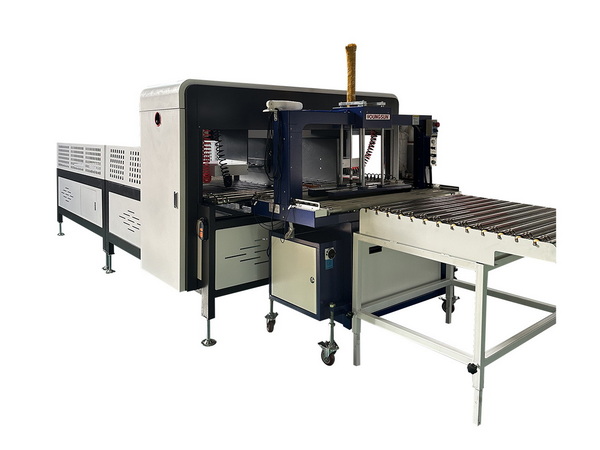
Fromm strapping machines use durable polypropylene (PP) or polyester (PET) straps to tightly secure packages and pallets. These machines handle several crucial functions: feeding the strap, tensioning it around the package, sealing the strap ends using friction weld or sealless joint techniques, and cutting the excess strap. Fromm offers a wide range of strapping machines suited to different application needs, from semi-automatic systems like the FSM-15 model to innovative battery-powered tools such as the P326 and P328.
Proper setup is essential for optimal performance. Follow these steps:
- Environment and Placement: Position the machine on a stable, flat surface, free from vibrations, and in an ambient temperature range of 0°C to 45°C. Confirm the machine's voltage and power requirements match your supply (commonly 220-240V, 50Hz).
- Loading the Strap: Remove the reel nut and outer flange. Place the strap coil on the spindle so it unwinds clockwise. Replace all parts securely and unroll about 1.5 meters of strap for initial threading.
- Threading the Strap: Guide the strap through the machine's rollers and tensioners as indicated by the user manual. Using the feed control, advance the strap as needed to prepare for packaging.
Proper threading ensures smooth operation and prevents jams or misfeeds.
The operation comprises multiple stages designed for efficiency and safety:
- Power On and Preheat: Turn on the main switch. Allow about 3 minutes for the sealing unit to reach the proper working temperature.
- Package Placement: Center the package on the machine's slide table or workspace, ensuring the strap can circle the package evenly.
- Strap Wrapping: Manually wrap the strap around the package. The sides of the strap should overlap on top where the machine will weld.
- Start Strapping Cycle: Insert the strap ends into the designated slot. The machine will automatically tension the strap, weld the joint, and cut excess strap.
- Tension Adjustment: Use the tension knob to increase or decrease strap tightness based on the package's fragility or securement requirements.
- Package Removal: After completion, remove the strapped package and prepare for the subsequent package.
This semi-automatic process enhances packing speed while ensuring package safety.
Battery-powered tools like the Fromm P326, P328, and P331 offer portability and flexibility for packaging applications that require mobility or are performed off automated lines. Their operation includes:
- Power On: Activate the tool's battery.
- Strap Placement: Wrap the strap manually around the package.
- Tensioning: Use the tool's tensioning lever to apply the required tension.
- Sealing: Trigger the welding function. These tools use friction weld or sealless joint technology to create a reliable seal.
- Cutting and Release: The tool automatically cuts the strap post-welding. Release and remove the tool.
These tools support a range of strap widths (12mm to 32mm) and tension forces, suitable for different load sizes and strengths.
Proper adjustments and regular maintenance are vital to keep Fromm machines functioning efficiently.
- Adjust Strap Guides: Adapt the strap width guides to match the strap width used (typical widths range from 6mm to 32mm).
- Control Strap Tension: Adjust the tension dial or nut to fit pack requirements. Too high tension can damage the package; too low may cause loose bundles.
- Set Heater Temperature: The heater should be set to optimal levels (typically positions 3 or 4) to ensure firm seals without overheating.
- Routine Cleaning: Keep the rollers, sealing heads, and guides free of dust, adhesive residue, and debris.
- Inspect Safety Features: Verify all safety switches and covers are intact and functional – never operate without safety guards.
- Scheduled Service: Follow manufacturer intervals to service wear parts like motors, freewheels, and wound springs to ensure longevity.
- Battery Care: For battery tools, maintain proper charging cycles and replace batteries as recommended to avoid operational delays.
These practices reduce downtime and extend machine lifespan.

Fromm machines offer a broad spectrum of technical features designed to meet diverse packaging demands:
- Semi-automatic units like the FSM-15 offer tension control, quick strap feeding, and sealing with adjustable heating.
- Battery-powered models (P328, P329, P331) provide tension ranges from approximately 56 lbs to over 1500 lbs and seal strengths around 75%, handling polypropylene and polyester straps from 12mm up to 32mm wide.
- High-end automatic heads such as the MH600 operate with strap tension capabilities up to 7000 N (1545 lbs), designed for industrial heavy-duty applications.
- Options for both polyester and polypropylene straps are available, with friction weld sealing providing high-efficiency seals with minimal maintenance requirements.
Fromm's product range and engineering cater to everything from light to heavy packaging needs, ensuring consistent, reliable performance.
Safe operation protects personnel and equipment:
- Never touch the sealing or heating unit during operation, as it reaches high temperatures.
- Keep hands and loose clothing clear from moving strap paths.
- Ensure the work area is dry to prevent electrical hazards.
- Always use protective gear such as gloves and eye protection when operating strapping machinery.
- Do not operate the machine if any protective shields or safety devices are missing or damaged.
Following these guidelines can prevent accidents and ensure smooth operation.
Fromm strapping machines are powerful allies in ensuring packages are securely bound and ready for transit or storage. By understanding your specific model, performing proper setup, operating with attention to detail, and maintaining regularly, you can maximize the efficiency and lifespan of your strapping equipment. Whether using a stationary semi-automatic machine or a battery-powered portable tool, Fromm offers innovative solutions tailored to a wide range of packaging applications. Prioritizing safety and precision in your operations guarantees optimum packaging quality, reduces waste, and increases productivity.

Fromm strapping machines are compatible with polypropylene (PP) and polyester (PET) straps ranging in width mostly from 6mm to 32mm. The exact strap size compatibility depends on the specific model, so it's essential to consult the user manual for your particular machine.
The tension can be adjusted using the dedicated tension dial or knob. Turning it clockwise increases strap tension for firmer securing, while counterclockwise reduces tension to protect fragile packages.
Regular cleaning of rollers and sealing heads, inspection and replacement of worn parts (motors, freewheels), and checking safety devices constitute typical maintenance. Scheduled servicing every 12 months or after a specified number of cycles ensures optimal function.
Yes, battery-powered Fromm tools are designed for portability and frequent outdoor use. However, it is important to ensure batteries are fully charged, and environmental conditions comply with machine specifications to avoid performance issues.
Operators should avoid contact with the heating element, keep hands clear of moving parts, use personal protective equipment, never operate with missing safety covers, and maintain a dry and clean workspace.
[1](https://www.frommpackaging.ca/steel-strapping-tools/manual-combination-steel-tools/a337)
[2](https://strapsolutions.com/plastic-strapping-tools-2/powered-tools-for-plastic-strapping-2/)
[3](https://www.frommpackaging.ca/polyester-strapping-heads/mh600)
[4](https://frommstrappingsystems.com/shop/strapping-tool/p328/)
[5](https://www.fromm-pack.com/products/strapping-solutions/plastic-strapping-machines/pm313/)
[6](https://www.fromm-pack.com/products/automation-solutions/strapping-machines/fpa-am/)
[7](https://www.fromm-automation.com/es/productos/machines-es/semiautomatic-machines-es/automated-horizontal-strapping-machine-for-bricks/)
[8](https://www.emballagecartier.com/en/iq-400-strapping-machine-fromm/)
[9](https://www.emballagecartier.com/en/frp1000-semi-automatic-strapping-machine-fromm/)
[10](https://www.gspackaging.net/images/pdf/Fromm-GSP.pdf)


