
Views: 222 Author: Amanda Publish Time: 2025-10-01 Origin: Site


Content Menu
● What Is a Strapping Machine?
● Key Factors Influencing Bundle Strapping Machine Costs
>> Machine Type and Automation
>> Production Capacity and Speed
>> Strap Material Compatibility
>> Industry and Environment Specifications
>> Machine Size and Configuration
● Technical Specifications of Popular Strapping Machines
>> Semi-Automatic Models Example
>> Fully Automatic Models Example
>> Specialized Industrial Strapping Machines
● Pricing Overview for Bundle Strapping Machines
● OEM Customization for Strapping Machines
● Maintenance and Total Cost of Ownership
● Benefits of Investing in a Bundle Strapping Machine
● Frequently Asked Questions (FAQ)
>> 1. What price range can I expect for a bundle strapping machine?
>> 2. Which strapping machine suits low-volume packaging best?
>> 3. How does automation impact strapping machine costs?
>> 4. Are strapping machines customizable for specific packaging needs?
>> 5. What maintenance considerations affect the long-term cost of strapping machines?
Bundle strapping machines are crucial in modern packaging operations, enabling efficient, reliable, and secure bundling of products, boxes, and pallets for transport and storage. For overseas brand owners, wholesalers, and manufacturers looking for OEM partners, such as Hebei Ouye Carton Machinery Co., LTD., understanding the cost factors and types of strapping machines available is essential. This comprehensive guide explores everything from machine categories, pricing ranges, technical features, and OEM customization to help businesses make informed investment decisions.
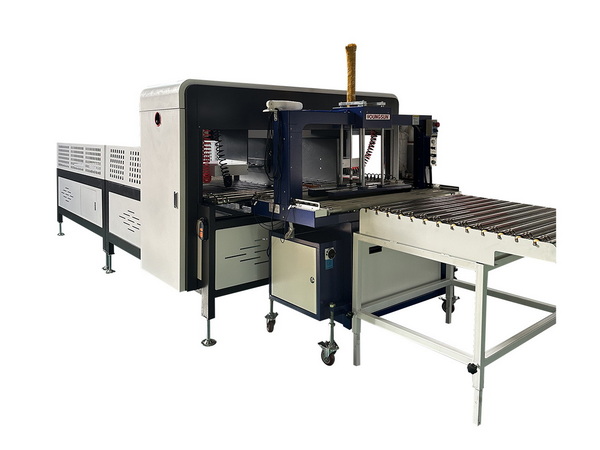
A strapping machine is a device that wraps a strap—usually made from polypropylene, polyester, or steel—around a package or bundle and tightens it to secure the contents. Strapping machines replace manual labor-intensive processes, increasing production speed, consistency, and package stability.
Strapping machines come in various forms:
- Handheld Strapping Machines: Portable, either manual or battery-powered electric tools for light to medium use.
- Semi-Automatic Strapping Machines: Require manually placing the strap around the bundle; the machine then tightens and seals the strap automatically.
- Automatic Strapping Machines: Fully automated, these machines feed, tension, seal, and cut straps around packages at high speed.
- Fully Automated Integrated Systems: Often conveyor-based, designed for very high-volume packaging with minimal operator interaction.
The price of strapping machines varies dramatically depending on several factors:
Handheld tools can cost as little as a few hundred dollars, while state-of-the-art automatic systems designed for high output can exceed $50,000. Automation level is the primary driver of cost—more automation means greater efficiency but higher price.
Machines designed for low to medium volume packaging tend to be lower cost but slower, whereas high-speed machines capable of strapping up to 65 times or more per minute command premium prices.
Strapping machines must be compatible with specific strap materials and sizes (e.g., polypropylene 5mm-15.5mm, polyester, or steel). Machines built for heavy-duty steel strapping are generally more expensive.
Some industries, such as food and pharmaceuticals, demand hygienic or stainless steel machine components that resist corrosion and contamination, adding to manufacturing and purchase costs.
From compact tabletop models to large arch strapping machines integrated into conveyor lines, the size and setup customized for production lines affect the price directly.
Extra features—such as adjustable tension control, automatic strap feeding, quick coil change, touch-screen control panels, side or top compression, pneumatic press bars, and photocell activation—can increase pricing by adding complexity and value.
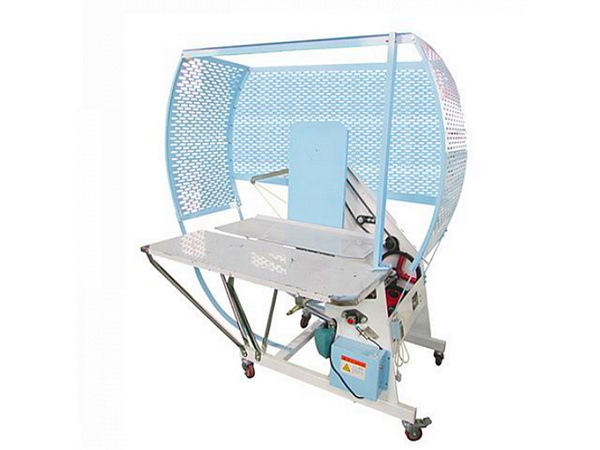
To better understand the typical features buyers can expect, here are examples of common specifications of bundle strapping machines:
- Power supply: Single-phase 230V AC motor
- Strap widths: Adjustable 9mm, 12mm, 15mm
- Strapping tension: 5-50 kg adjustable
- Strapping speed: About 2.5 seconds per strap
- Suitable for various box sizes and weights up to 40 kg
- Features include PCB control, auto-stop, auto cutting, and touch control board
- Strap speed: Up to 65 straps per minute
- Strap sizes: 5mm to 12mm widths
- Tension range: Adjustable up to 35 kg
- Power requirements: 110V or 220-230V, single or three-phase options
- Height-adjustable working tables and multifunctional control panels
- Advanced features such as jam-free technology, tool-free strap access, and sensor-controlled heaters
- Cycle rates up to 55 bundles per minute
- Variable tension control up to 70 lbs
- Compatible with wider strap sizes (8 mm to 15.5 mm)
- Heat sealing and pneumatic press bars for better strap compression
- Stainless steel frames for corrosion resistance
These machines are built to optimize the efficiency, user-friendliness, and reliability necessary in busy packaging departments.
The price ranges below provide a general sense of what to expect:
- Handheld manual or battery-operated strapping tools: $300 to $2,500
- Semi-automatic strapping machines: $2,500 to $7,000
- Automatic strapping machines: $6,500 to $15,000
- Fully automated conveyor-integrated systems: $15,000 to $50,000+
The exact figure depends on production needs, strap type, machine features, and OEM customizations.
For companies looking for specialized equipment, OEM services offer a significant advantage. Manufacturers like Hebei Ouye Carton Machinery Co., LTD. provide tailored designing and manufacturing services to create strapping machines that perfectly fit clients' production lines and packaging requirements. Benefits of OEM services include:
- Custom strap tension settings and sealing methods.
- Integration with other packaging line equipment.
- Machine dimension and arch size tailored for specific bundle sizes.
- Enhanced automation features for improved throughput.
- After-sales support, installation, and maintenance services.
Investing in OEM solutions ensures maximal efficiency and a machine adapted to unique operational challenges.
While the purchase cost is a primary consideration, the total cost of ownership includes maintenance, operating costs (such as strap material), downtime, and employee training.
- Handheld machines have lower upfront costs and are simple to maintain but often less durable.
- Automated machines typically require regular preventive maintenance, calibration, and occasional replacement parts but provide increased reliability and productivity.
- Some machines come with warranty and support packages to reduce unexpected repair costs.
Proper maintenance extends machine lifespan and maximizes ROI.
Adopting an appropriate strapping machine can transform packaging operations by:
- Reducing manual labor and fatigue.
- Increasing packaging speed and consistency.
- Improving load security during handling and transport.
- Enhancing overall packaging line efficiency and automation.
- Decreasing packaging material waste through proper strap tension.
These advantages justify the investment and drive long-term operational savings.
The cost of a bundle strapping machine varies broadly based on class, features, production requirements, and industry specifics. Whether opting for economical handheld tools or advanced fully automated strapping systems, buyers should carefully assess their packaging volumes, strap material preferences, and desired automation levels. OEM manufacturers, such as Hebei Ouye Carton Machinery Co., LTD., offer customized solutions that can drive packaging efficiency while meeting budget constraints. By selecting the right machine aligned with operational needs, businesses ensure secure shipments, streamlined workflows, and cost-effective packaging.
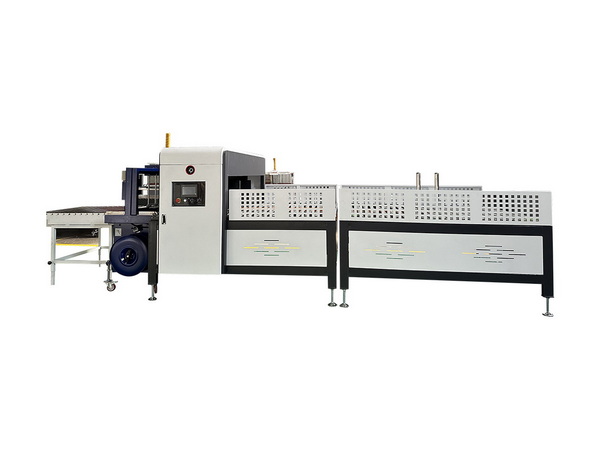
Prices range from roughly $300 for handheld tools to over $50,000 for advanced fully automated systems, depending greatly on automation, speed, and features.
Handheld manual or electric tools, along with semi-automatic machines, are ideal for low- to medium-volume packaging, balancing cost and efficiency.
Higher automation increases upfront costs but improves packaging speed, reduces labor, and increases consistency. Fully automated machines tend to have more sophisticated features, raising their prices.
Yes. Many OEM manufacturers customize machines for strap size, arch dimensions, tension control, and integration with existing packaging lines, ensuring tailored solutions.
Regular preventive maintenance, timely part replacement, and proper operation minimize downtime and extend machine lifespan, reducing overall ownership costs.
[1](https://www.globalpackindia.com/products/strapping-machine/semi-automatic-strapping-machine/kh-90/)
[2](https://strapsolutions.com/products/strapping-machines/automatic-strappers/sm65-strapping-machine/)
[3](https://www.signode.com/en-us/productslist/sig-n/)
[4](https://www.presa.com/images/prod/brochure-tp-601d_file.pdf)
[5](https://www.isg-pack.com/product/automatic-strapping-machine-easy-strap-309-3012/?lang=en)
[6](https://messersi.com/en/prodotti/tl5st/)
[7](https://www.samuelpackaging.com/en/standard-plastic-strapping-machines)
[8](https://www.fromm-automation.com/es/productos/machines-es/semiautomatic-machines-es/automated-horizontal-strapping-machine-for-bricks/)
[9](https://www.paiandpaienterprises.com/battery-operated-strapping-machine.html)
[10](https://www.emballagecartier.com/en/sq-800-automatic-strapping-machine-fromm/)


