
Views: 222 Author: Amanda Publish Time: 2025-09-29 Origin: Site


Content Menu
● What Is a Nylon Strapping Machine?
● Benefits of Using a Nylon Strapping Machine
● Types of Nylon Strapping Machines
>> Semi-Automatic Strapping Machines
>> Fully Automatic Strapping Machines
● How to Use a Nylon Strapping Machine: A Step-by-Step Guide
● Technical Specifications and Features
● Applications of Nylon Strapping Machines
● Maintenance and Safety Practices
● Frequently Asked Questions (FAQ)
>> 1. How do I set the correct tension on a nylon strapping machine?
>> 2. What types of nylon straps can be used with these machines?
>> 3. How often should the machine be maintained?
>> 4. Can nylon strapping machines accommodate other strap materials?
>> 5. What safety measures are important when operating a nylon strapping machine?
Nylon strapping machines are vital tools in modern packaging that provide secure binding for boxes, pallets, and various products. These machines automate the processes of tightening, sealing, and cutting nylon straps, greatly improving packaging efficiency while ensuring strong and reliable packaging for shipping and storage. Hebei Ouye Carton Machinery Co., LTD. specializes in designing and manufacturing state-of-the-art carton packaging machinery, offering OEM services to international brands, wholesalers, and manufacturers who demand durable and efficient strapping solutions.
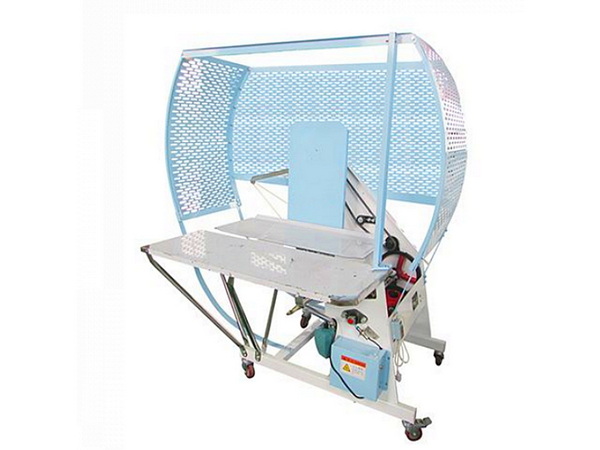
A nylon strapping machine is designed to apply nylon straps around products or packages to tightly hold them together. It integrates tensioning, sealing (often through heat welding), and cutting into a streamlined process. These machines come in various types, including manual, semi-automatic, and fully automatic models, suited to different packaging volumes and operational needs.
Using nylon strapping machines offers numerous advantages:
- Provides strong, consistent tension and a secure seal for packaging.
- Accelerates the packaging workflow, reducing labor time and costs.
- Prevents packages from moving or sustaining damage during handling and transportation.
- Delivers uniform strap tension and seal quality every time.
- Adapts to a variety of package sizes and materials, enhancing versatility.
These handheld tools are portable and ideal for low-volume or irregular packaging needs. They require manual effort for tensioning and sealing, requiring operators to use separate tensioners and sealers.
These machines automate the tensioning, sealing, and cutting once the operator positions the strap around the package and initiates the cycle, offering a balance between automation and control.
Integrated with conveyors or automated package feeding systems, these machines perform the entire strapping operation automatically, ideal for high-volume packaging lines where speed and consistency are critical.
1. Power On the Machine: Switch on the power and allow the heating element to warm-up, typically within 5 to 10 seconds.
2. Load the Nylon Strap: Open the strap dispenser compartment and place the nylon strap coil inside. Thread the strap through rollers, guides, and tensioners according to the machine's manual.
3. Adjust Settings: Set the appropriate strap tension, strap feed length, and sealing temperature based on package size and strap type.
- Pull a sufficient length of strap (usually around one meter) from the coil.
- Thread the strap through the internal rollers and guides in the strapping head, following the manufacturer's threading instructions carefully to avoid jams.
- Ensure the strap exits the sealing area correctly before closing the covers.
1. Place the Package: Position the package on the machine's table or conveyor, centered relative to the strapping area.
2. Wrap the Strap Around the Package: Bring the leading strap end around the package and insert it into the strap guide on the opposite side.
3. Start the Strapping Cycle: Press the start button or foot pedal. The machine will automatically tension the strap, heat seal the strap ends together, and cut off the excess strap.
4. Remove the Package: Carefully remove the strapped package, avoiding contact with hot sealing components.
- Always follow the threading instructions precisely; incorrect threading causes jams and weak seals.
- Adjust strap tension according to package fragility—too much tension can damage delicate items.
- Use manufacturer-recommended nylon straps to ensure compatibility and consistent sealing.
- Perform regular maintenance by cleaning rollers and heating elements for optimal performance.
- Adhere to safety guidelines to avoid injury from moving or heating parts.
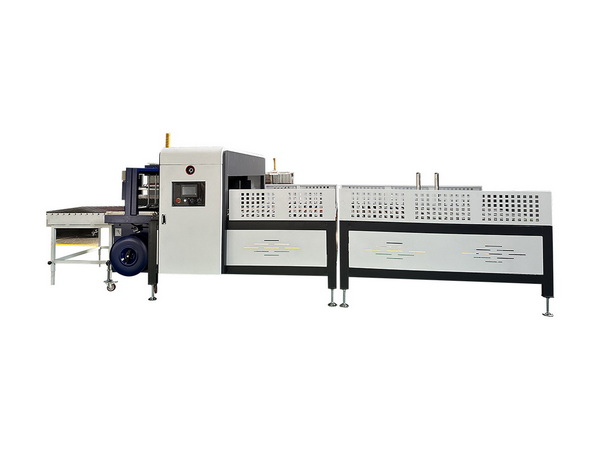
Modern nylon strapping machines often include these technical features:
- Strap Width Compatibility: Typically 6mm to 19mm for nylon and polypropylene straps.
- Tension Range: Adjustable tension from about 5 kg up to 70 kg or more depending on machine size and model.
- Strapping Speed: From 2 seconds per cycle on semi-automatics to 25-30 straps per minute on fully automatic units.
- Power Supply: Usually 110V to 220V single or three-phase power.
- Machine Weight: Ranges widely from portable 10-20 kg handheld units to heavy-duty machines weighting 200+ kg.
- Sealing Method: Heat welding without metal clips, providing a clean, strong joint.
These features balance packaging speed, power consumption, and operational safety. Advanced control panels allow operators to customize tension and cycle speed for various packaging needs.
Nylon strapping machines are widely used across diverse industries:
- Logistics and Warehousing: Securing packages and pallets for long-distance transport.
- Manufacturing: Bundling products on production lines to streamline shipping processes.
- Retail and Wholesale: Creating ready-to-ship product bundles.
- Food & Beverage: Ensuring safe transport of packed goods.
- Automotive and Heavy Industries: Strapping bulky components securely.
Their versatility in handling different package sizes and strap materials makes them invaluable in optimizing packaging workflows.
Regular upkeep extends machine life and ensures safety and efficiency:
- Clean strap guides, tension rollers, and sealing heads frequently to avoid buildup that affects performance.
- Inspect heating elements and replace worn parts promptly.
- Lubricate moving parts as per manufacturer instructions.
- Train operators on safe handling—keeping hands clear of sealing and cutting zones.
- Switch off power during threading and maintenance procedures to prevent accidents.
Nylon strapping machines enhance packaging quality and efficiency by automating the strapping process and delivering consistent, reliable results. Whether manual, semi-automatic, or fully automatic, understanding proper setup, operation, and maintenance helps maximize performance and longevity. For OEM brands, wholesalers, and manufacturers, investing in quality nylon strapping machines supports safe shipment, cost savings, and improved productivity.
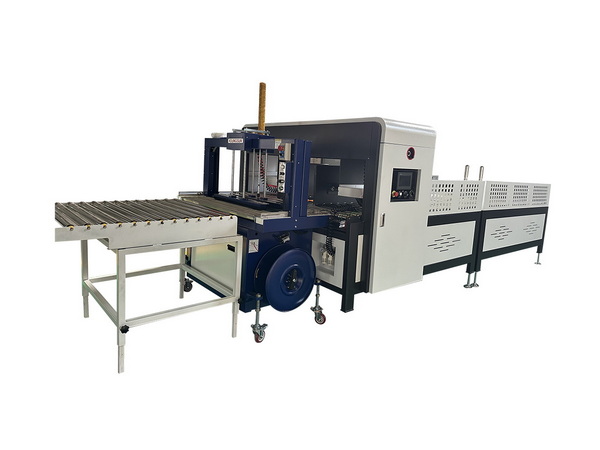
Start with moderate tension appropriate for the load and adjust incrementally until the strap is tight yet does not damage the product. Consult the machine manual for tension adjustment specifics.
Use nylon straps designed for heat welding and within the size specifications recommended by the machine manufacturer to ensure proper sealing and longevity.
For heavy use, perform weekly cleaning and inspection. For lighter use, monthly maintenance may suffice. Regularly clean rollers, guides, and check heating components.
Many nylon strapping machines also accept polypropylene (PP) straps. Check your machine's compatibility and specifications before using different strapping materials.
Always keep hands clear of the sealing and cutting area during operation, wear protective gloves if recommended, and turn off the power when threading or servicing the machine to avoid injury.
[1](https://www.airbubble.in/strapping-machines-consumables.html)
[2](https://strapsolutions.com/products/strapping-machines/semi-automatic-strappers/)
[3](https://www.directindustry.com/industrial-manufacturer/mobile-strapping-machine-102941.html)
[4](https://www.fromm-pack.co.uk/strapping-solutions/automatic-plastic-strapping-machines/pm309-automatic-plastic-strapping-machine/)
[5](https://www.samuelpackaging.com/en/standard-plastic-strapping-machines)
[6](https://shop.cyklop.com/products/strapping-machine-m-pac-v)
[7](https://www.karton.eu/Pallet-strapping-machine-semi-automatic-12-mm-strap-width-strapping-band)
[8](https://messersi.com/en/macchine-reggiatrici/)
[9](https://www.siat.com/product/viper-battery-powered-plastic-strapping-tool/)
[10](https://shop.cyklop.com/products/strapping-machine-m-pac-plt)


