
Views: 222 Author: Amanda Publish Time: 2025-09-29 Origin: Site


Content Menu
● Introduction to Steel Strapping Machines
● Types of Steel Strapping Machines
● Components of a Steel Strapping Machine
● Step-by-Step Guide on How to Use a Steel Strapping Machine
>> Step 1: Prepare the Machine and Materials
>> Step 2: Position the Package Properly
>> Step 3: Loop the Steel Strap Around the Package
>> Step 4: Apply Tension to the Strap
>> Step 5: Seal the Steel Strap Ends
>> Step 6: Cut the Excess Strap
>> Step 7: Remove the Strapped Package
● Safety Tips When Using a Steel Strapping Machine
● Maintenance and Best Practices
● Common Applications of Steel Strapping Machines
● Troubleshooting Steel Strapping Machines
● FAQs
>> 1. What types of steel strapping machines are best suited for small businesses?
>> 2. How frequently should I perform maintenance on my steel strapping machine?
>> 3. Can a steel strapping machine be used with plastic straps?
>> 4. What are the key safety precautions while operating a steel strapping machine?
>> 5. How do I resolve poor sealing or strap breakage issues?
Using a steel strapping machine efficiently is essential for securing heavy packages and pallets in logistics and packaging industries. This comprehensive guide will walk you through the process of operating a steel strapping machine, highlighting safety tips, detailed steps, and maintenance advice to ensure optimal performance. As a leading intelligent factory specializing in carton packaging machinery design and manufacturing, Hebei Ouye Carton Machinery Co., LTD. offers expert insights suitable for OEM clients worldwide.

Steel strapping machines are vital tools in industrial packaging designed to bundle products securely using steel straps. These machines enhance the speed and safety of packing heavy goods by tightening and sealing steel bands around cartons and pallets. Their applications span across manufacturers, wholesalers, and brand owners looking for robust packaging solutions.
Steel straps provide unmatched strength compared to plastic or polyester straps, making them ideal for heavy-duty packaging tasks where safety and load security are critical. The use of steel strapping machines reduces labor costs, minimizes package damage during handling, and ensures compliance with shipping regulations.
Before learning how to use a steel strapping machine, it's important to understand the types available. This allows you to select the machine best suited to your needs and know what operation expectations to hold.
- Manual Steel Strapping Machine: This basic type requires the operator to feed, tension, and seal the strap manually. It's best for low-volume environments with varied package sizes.
- Semi-Automatic Steel Strapping Machine: These machines automate some elements like strap feeding and tensioning, while the operator initiates the cycle and finalizes sealing. They offer a balance between efficiency and control.
- Fully Automatic Steel Strapping Machine: Integrated into production lines, these machines perform the entire strapping process. They automatically position the strap, apply tension, seal, cut, and prepare for the next cycle, offering high-speed operation for mass packaging.
- Portable (Hand-Held) Steel Strapping Machine: Battery-powered and lightweight, portable steel strapping machines provide flexibility in locations without fixed machines, especially for oversized or irregular loads.
Each type serves different operational demands, workflow sizes, and budget constraints. Selecting the right steel strapping machine ensures a streamlined packaging process.
To operate a steel strapping machine proficiently, understanding its key parts is essential.
- Strapping Channel or Guides: These guide the steel strap around the package, ensuring proper alignment.
- Tensioning Device: Applies force to tighten the strap securely around the load, preventing slippage or loosening during transit.
- Sealing Mechanism: Usually a crimping or welding tool that joins the ends of the steel strap, ensuring a durable seal.
- Cutter: Cuts the steel strap after sealing, trimming excess material.
- Control Panel or Levers: For powered models, buttons or switches control tensioning, sealing, and cutting cycles. Manual machines may have levers or handles.
Knowing these parts helps troubleshoot issues and maintain the machine properly.

Start by placing the steel strapping coil in the designated spool or magazine of your machine. Ensure the steel strap is fed correctly into the strapping channel, following the machine's guide rollers or trays. Power on the machine if it is electric.
Check the strap specifications (width and thickness) to ensure they match the machine's capabilities. Use high-quality steel strap to avoid breakage or poor sealing.
Place the carton, pallet, or bundle securely within the machine's strapping area or channel. The package must be stable and aligned to receive the strap evenly. For automatic machines in production lines, presentation conveyors may place the goods precisely for strapping.
Manually loop the steel strap around the package (for manual or semi-automatic machines), or wait for the machine to feed the strap automatically in the case of automatic machines. Ensure there is enough strap length for tensioning and sealing.
Engage the tensioning device by using the designated lever, pedal, or button, depending on your machine type. The steel strap should be tightened sufficiently to hold the load firmly but without exceeding the strap's tensile strength, which could cause breakage. Proper tension reduces load movement during transit and prevents strap loosening.
Activate the sealing mechanism, which crimps the steel strap ends together. Many machines use metal seals or welds for this purpose. Verify the seal integrity once completed — a proper seal is critical to load security.
After sealing, the machine's cutter trims the excess strap end. Confirm the cut is clean and no sharp edges protrude, which could cause injury or damage adjacent packages.
Once the strapping cycle is complete, carefully remove the strapped package from the machine. Inspect the overall strap tension and seal one last time to ensure they meet your shipping and storage requirements.
Operating steel strapping machines involves working with sharp steel edges and strong tension forces. Follow these safety measures:
- Always wear safety gloves and goggles to protect your hands and eyes.
- Avoid loose clothing or jewelry that may get caught in moving parts.
- Keep the working area clear of obstacles and debris.
- Ensure the machine is powered off during cleaning or maintenance.
- Only trained personnel should operate the machinery.
- Use proper lifting techniques to handle heavy packages safely.
Routine maintenance keeps your steel strapping machine running smoothly and extends its lifespan.
- Lubricate moving parts regularly to reduce wear and friction.
- Inspect the tensioning rollers and sealing jaws for damage or wear.
- Clean metal particles and dust from sealing components to prevent malfunction.
- Replace cutters as soon as they become dull to maintain clean strap cuts.
- Calibrate tension and sealing settings to match the particular steel strap specifications.
- Schedule periodic professional servicing to avoid unexpected breakdowns.
By adhering to these practices, you can minimize downtime and maximize machine productivity.
Steel strapping machines are essential in industries that require secure fastening of heavy or awkwardly shaped goods. Typical usages include:
- Packaging steel coils, pipes, and metal sheets in manufacturing plants.
- Securing construction materials such as bricks, tiles, and lumber.
- Bundling automotive parts and machinery for shipment.
- Stabilizing large cartons and pallets for warehouse storage.
- Transporting and stacking heavy appliances and equipment.
Their versatility and reliability make steel strapping machines an indispensable part of industrial supply chains.
Some common problems users might encounter include:
- Poor Seal Quality: Often caused by worn sealing jaws or improper tensioning. Clean or replace parts and adjust settings.
- Strap Breakage: Could result from overtensioning or using substandard strap material. Reduce tension and use suitable steel strap.
- Machine Jams: Caused by misaligned strap feeding or foreign objects in the strapping feed channel. Clear jams promptly and verify strap placement.
- Uneven Tension: Check that tension rollers are clean and intact. Calibrate the tension mechanism regularly.
- Inconsistent Strap Feeding: Inspect drive wheels and rollers. Replace any worn or damaged components.
Regular inspection and maintenance can prevent most issues.
Mastering the use of a steel strapping machine is essential for achieving safe, reliable, and efficient packaging, especially when dealing with heavy or industrial products. Whether you operate a manual, semi-automatic, or fully automatic machine, following the correct setup, operating procedures, and maintenance routines will improve your packaging results significantly. Hebei Ouye Carton Machinery Co., LTD is dedicated to providing advanced steel strapping machines designed to meet the precise needs of OEM clients around the world, reinforcing product security and operational efficiency.
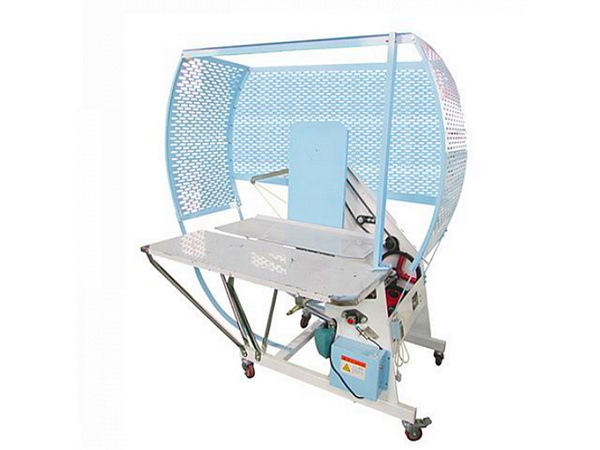
Manual or semi-automatic steel strapping machines are ideal for small businesses due to their affordability and flexible operation for varying package sizes.
Maintenance should be conducted weekly or biweekly depending on usage. Focus on lubrication, cleaning, and checking parts for wear.
No, steel strapping machines are designed specifically for steel straps. Plastic or polyester straps require specific machines made for those materials.
Operators should always wear gloves and eye protection, avoid loose clothing, ensure the machine is off during maintenance, and receive proper training.
Check for worn sealing components, adjust tension settings carefully, and ensure you use high-quality steel straps compatible with your machine.


