
Views: 222 Author: Amanda Publish Time: 2025-09-27 Origin: Site


Content Menu
● What is a Metal Strapping Machine?
>> Types of Metal Strapping Machines
● Why Metal Strapping Machines are Important
● Step-by-Step Guide: How to Use a Metal Strapping Machine
>> 1. Prepare the Machine and Materials
● Advanced Applications and Techniques
● Safety Measures When Using Metal Strapping Machines
● Troubleshooting Common Issues
● Maintenance Tips for Longevity
● FAQ
>> 1. What types of metal straps work best with metal strapping machines?
>> 2. How can the tension be adjusted on different types of metal strapping machines?
>> 3. What sealing methods do metal strapping machines use?
>> 4. How often should maintenance be performed on metal strapping machines?
>> 5. Is special training required for operating metal strapping machines safely?
Metal strapping machines are essential tools in packaging industries, especially for securing heavy loads with durable metal straps. As a leading intelligent factory specializing in carton packaging machinery, Hebei Ouye Carton Machinery Co., LTD. offers OEM metal strapping machines that deliver reliable, efficient, and high-strength bundling solutions for foreign brands, wholesalers, and manufacturers. This comprehensive guide will walk you through the process of using a metal strapping machine effectively while highlighting key components, best practices, troubleshooting tips, and maintenance advice to maximize your productivity.
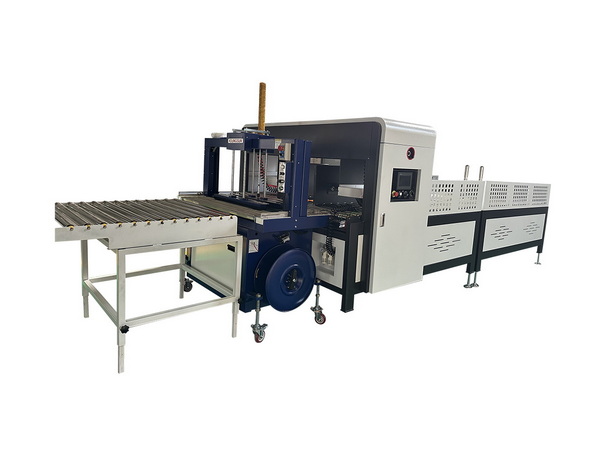
A metal strapping machine is a mechanical or semi-automatic device designed to tighten and seal steel or metal straps around packages, pallets, or boxes. Metal strapping provides strong, rigid securing that helps stabilize heavy goods during transportation and storage. This type of strapping is widely used in demanding industrial environments where plastic strapping would not provide sufficient strength or durability.
- Manual Metal Strapping Machines: Require human operation to tension and seal the strap, commonly used for smaller scale or on-site applications.
- Semi-Automatic Metal Strapping Machines: Provide automatic tensioning and sealing with manual strap insertion, balancing efficiency and operator control.
- Fully Automatic Metal Strapping Machines: Capable of independent operation with automatic feed, tensioning, sealing, and cutting; ideal for high-volume packaging lines.
- Portable Metal Strapping Machines: Lightweight, handheld machines designed for mobile use, particularly useful in warehouses and shipping yards.
Each type has distinct advantages depending on the scale and nature of your packaging operation.
Using a metal strapping machine offers several critical benefits for businesses handling heavy or bulky products:
- High Tensile Strength: Metal straps provide greater strength than plastic alternatives, suitable for heavy loads like steel pipes, machinery, and pallets.
- Enhanced Security: Metal strapping prevents package shifting and damage during transit.
- Efficiency: Machines dramatically speed up the strapping process compared to manual methods, reducing labor costs.
- Consistency: Automated tension and sealing deliver uniform, reliable packaging every time.
- Customization: Machines from Hebei Ouye Carton Machinery Co., LTD. can be OEM customized to fit specific production requirements.
Proper operation of a metal strapping machine involves several systematic steps:
Start by ensuring that your metal strapping machine is correctly set up according to the manufacturer's instructions. Check that it is connected to a stable power source if it's electric, and verify that all mechanical components are operational. Choose the correct metal strap type, width, and thickness compatible with the machine and the package requirements.
Pull the strap end from the coil and loop it around the package or pallet. Depending on the machine, insert the strap ends into the designated feeding slot, aligning according to the directional markings. This ensures the strap feeds smoothly without jamming.
For manual machines, use the tensioning lever or wheel to tighten the strap to the required tightness. For semi-automatic or automatic models, activating the tension button will trigger the machine to pull the strap taut around the load. Achieving the correct tension is important to firmly secure the package without damaging it.
Once tensioned, the strap ends need to be sealed. Most machines use friction welding, heat sealing, or metal buckles to join strap ends. The sealing mechanism is activated via a switch or automatically after tensioning. Proper sealing prevents the strap from loosening or breaking during handling.
The machine automatically cuts the strap after sealing to prepare for the next operation. For manual models, use a cutter tool designed to cleanly cut the metal strap without fraying. Remove the strapped package carefully and check for proper tension and seal integrity.
Inspect the strapped package thoroughly. Make sure the strap is snug, the seal is secure and there are no sharp edges or strap damage that could compromise transport safety. If necessary, repeat the process to improve security.
Metal strapping machines are not limited to simple carton bundling. With proper setup and customization, they can handle a variety of industrial packaging needs:
- Palletizing Heavy Goods: Secure multiple stacked boxes or heavy equipment together quickly.
- Construction Materials: Strap steel rods, pipes, and wooden planks where heavy-duty fastening is required.
- Automotive Industry: Bundle automotive parts and components safely for shipping.
- Industrial Equipment: Package large machinery parts that require stable positioning for transport.
- Warehouse Logistics: Speed up shipping operations by efficiently securing outbound goods.
Understanding the versatility of metal strapping machines allows businesses to optimize their packaging systems for different product types and shipping demands.
Safety is paramount when operating metal strapping machinery:
- Wear personal protective equipment (PPE), such as gloves and safety goggles.
- Ensure the workplace is free from clutter and the floor is dry to prevent slips.
- Keep hands and clothing away from moving parts during operation.
- Only trained personnel should operate the machine.
- Follow manufacturer guidelines for safe handling of metal straps, which may have sharp edges.
- Make sure to switch off the machine and unplug it before performing maintenance.
Sometimes, you may encounter problems with your metal strapping machine. Here are some common issues and tips to resolve them:
- Strap Jam: Could be caused by misalignment or wrong strap size. Stop the machine, clear the jammed strap, and check strap compatibility.
- Weak Seal: May result from worn sealing components or incorrect tension settings. Inspect the sealer and recalibrate tension.
- Machine Does Not Tension Properly: Check the tension spring, gears, and control settings for damage or misconfiguration.
- Uneven Strap Feed: Clean the strap feeding rollers and inspect for wear or debris.
- Cutting Problems: Dull or damaged cutting blades need replacing; avoid forcing the cutter to prevent damage.
Routine maintenance and quick troubleshooting ensure minimal downtime and consistent performance.
Maintaining your metal strapping machine is vital to prolong its lifespan and maximize efficiency:
- Clean the machine daily to remove dust, debris, and metal residue.
- Lubricate moving parts routinely according to the user manual.
- Inspect sealers, blades, and tension system components regularly.
- Replace any worn or damaged parts promptly.
- Keep a service log to track maintenance history and schedule future servicing.
- Train operators on proper usage and cleaning protocols.
Proper maintenance not only reduces repair costs but also supports consistent strapping quality.
Using a metal strapping machine effectively ensures secure, high-strength packaging essential for the safe transportation and storage of heavy goods. By following the systematic steps of preparing the machine, tensioning, sealing, cutting, and final inspection, businesses can achieve increased efficiency, lower labor costs, and superior load stability. Hebei Ouye Carton Machinery Co., LTD. provides advanced, OEM-customizable metal strapping machines designed to meet diverse packaging needs worldwide. Investing in quality machines coupled with proper operation and regular maintenance guarantees long-term performance and packaging security.
Metal strapping machines typically use various steel straps such as regular steel, zinc-coated steel, and stainless steel. Choice depends on the application, corrosion resistance needs, and required tensile strength.
Manual machines adjust tension by operator-applied force using handles or wheels. Semi-automatic and automatic machines feature adjustable dials or digital controls to set precise tension based on package requirements.
Common sealing methods include friction welding, heat sealing, and metal buckling. Friction welding uses heat generated by friction to fuse strap ends, providing a strong, permanent joint without additional materials.
Daily cleaning and lubrication are recommended, with comprehensive inspections every month or according to machine usage intensity. Early replacement of worn parts prevents breakdowns.
Yes, operators should receive training covering operational procedures, safety practices, troubleshooting, and maintenance. Well-trained staff reduce the risk of accidents and optimize machine performance.


