
Views: 222 Author: Ouye Carton Machinery Publish Time: 2026-05-21 Origin: Site


Custom pizza boxes are no longer just containers; they are brand billboards, food-safety guardians, and logistics tools that directly impact customer experience and profit margins. As a manufacturer or packaging converter, learning how to efficiently produce custom pizza boxes in-house—especially in short runs and on demand—can give you a real competitive edge. [jetpaperbags]
In this guide, I will walk you through, from an industry expert and OEM factory perspective, how a modern carton box making machine with vibrating knife technology can help you make high-quality custom pizza boxes without molds, even for small and customized orders.
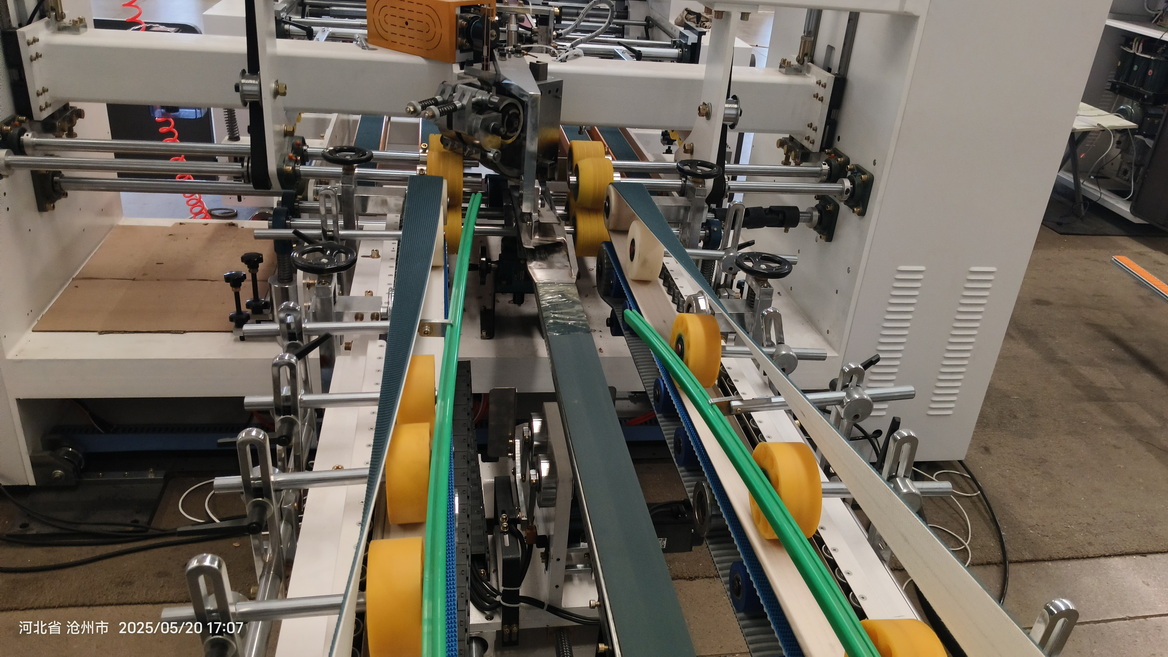
A custom pizza box is a branded corrugated box designed specifically for pizza, optimized for heat retention, food safety, branding, and delivery performance. [researchandmarkets]
For pizzerias, food chains, and online delivery brands, custom pizza boxes matter because they:
- Protect the pizza during delivery and keep it fresh. [shopify]
- Communicate brand identity through logos, colors, and messaging. [wpackaging]
- Support marketing campaigns with QR codes, coupon codes, or social media CTAs. [jetpaperbags]
- Signal sustainability when made from recyclable, eco-friendly board. [maxobiz]
From a factory and OEM standpoint, the real question is: how do you make these boxes quickly, accurately, and profitably? [caspijet]
Traditional pizza box production relies on expensive cutting dies and longer setup times, which are not ideal for custom or short-run orders. A fully automated short-run, on-demand box making machine changes the game. [innaturepack]
A modern carton box making machine (like the one described in the original case) typically integrates:
- Board feeding
- Slotting and scoring
- Creasing and slitting
- Trimming and handle die-cutting
- Gluing and printing
all in one compact box machine, with no traditional mold required.
Key benefits for custom pizza box production include:
- No cutting dies needed for new designs, reducing cost and lead time. [caspijet]
- Order changeover time of 1–6 seconds, ideal for scattered, mixed small orders.
- Digital input of order size data via touch screen—no manual adjustments between runs.
- Integration of vibrating knife technology to cut round, diagonal, and curved shapes (e.g., pizza vents, handles, special locking tabs).
As an OEM factory that designs and manufactures carton packaging equipment, this is the typical end-to-end workflow we recommend to our overseas customers for custom pizza boxes. [caspijet]
The process starts with a structural design file (usually in CAD or vector format) from the customer or your in-house designer. [caspijet]
Best practices include:
- Define box size (length, width, height) based on pizza diameter and stacking needs. [innaturepack]
- Include all folding lines, creases, cuts, and locking tabs in the die-line. [innaturepack]
- Reserve areas for branding and printing: logo, tagline, social media, QR codes. [wpackaging]
- Specify vent holes and edge cuts that support steam release without heat loss. [innaturepack]
Once the design is approved, export it in a compatible format for the machine's software (often DXF or similar).
Next, the engineer imports the design file into the machine's control system.
On a fully automated box making line:
- The operator opens the program on the touch screen interface.
- Input key order parameters: box size, quantity, board thickness, and print setup.
- Save design presets for repeated customers or sizes to speed up future orders.
This digital workflow completely eliminates the need for mechanical reconfiguration between different box sizes.
The operator then loads corrugated board—typically E‑flute or B‑flute—into the board feeding section. [caspijet]
For food packaging, we recommend:
- Food-safe, high-quality corrugated board with consistent caliper. [innaturepack]
- Preferably recyclable and eco-friendly board to meet sustainability demands. [researchandmarkets]
Once loaded, the machine's automatic board feeding system ensures accurate sheet alignment and continuous output.
You could insert an image here showing a stack of corrugated boards being fed into the machine.
After feeding, the board passes through slotting, scoring, and creasing units that form the basic structure of the pizza box.
The machine automatically:
- Scores fold lines for the side walls, lids, and flaps.
- Slots the corners and edges to create the correct folding geometry.
- Creases the board so it can be folded cleanly without cracking.
This is critical for maintaining box strength while ensuring the box folds quickly on the packing line. [innaturepack]
The vibrating knife function is the key technology that makes true custom pizza boxes possible without traditional cutting dies.
The vibrating knife can cut:
- Round shapes (vents, corners, windows).
- Rectangular or diagonal openings (easy-open tabs, finger holes).
- Curved and irregular shapes for distinctive branding or ergonomic handles.
Because cutting paths are controlled digitally:
- No metal die investment is required for each new box design.
- Design changes can be implemented quickly, which is ideal for seasonal designs, limited editions, or co-branded campaigns. [jetpaperbags]
For converters and factories serving multiple pizza brands, this flexibility directly translates into higher margins and faster time-to-market. [caspijet]
Many modern box making machines allow inline printing so you can brand the pizza box in the same pass.
Printing tips for pizza boxes:
- Use food-safe inks, particularly if there is any chance of direct or indirect food contact. [caspijet]
- Keep designs clean and high-contrast so logos and offers are readable after transport. [wpackaging]
- Integrate QR codes linking to online ordering, loyalty programs, or feedback forms. [jetpaperbags]
This turns the pizza box into a powerful marketing tool that continues to work long after the product is delivered. [wpackaging]
A sample printed box photo could be inserted here, highlighting logo placement and QR codes.
After printing and cutting, the box blank goes through gluing and folding stages, or it can be delivered as a flat blank for the pizzeria to fold on demand.
At this stage, operators should:
- Verify glue lines are clean and consistent.
- Perform test folds to ensure proper closing and locking.
- Check critical dimensions to confirm the pizza fits as intended. [innaturepack]
Quality checks can be done visually and with simple gauges, while higher-volume plants may integrate in-line inspection cameras.
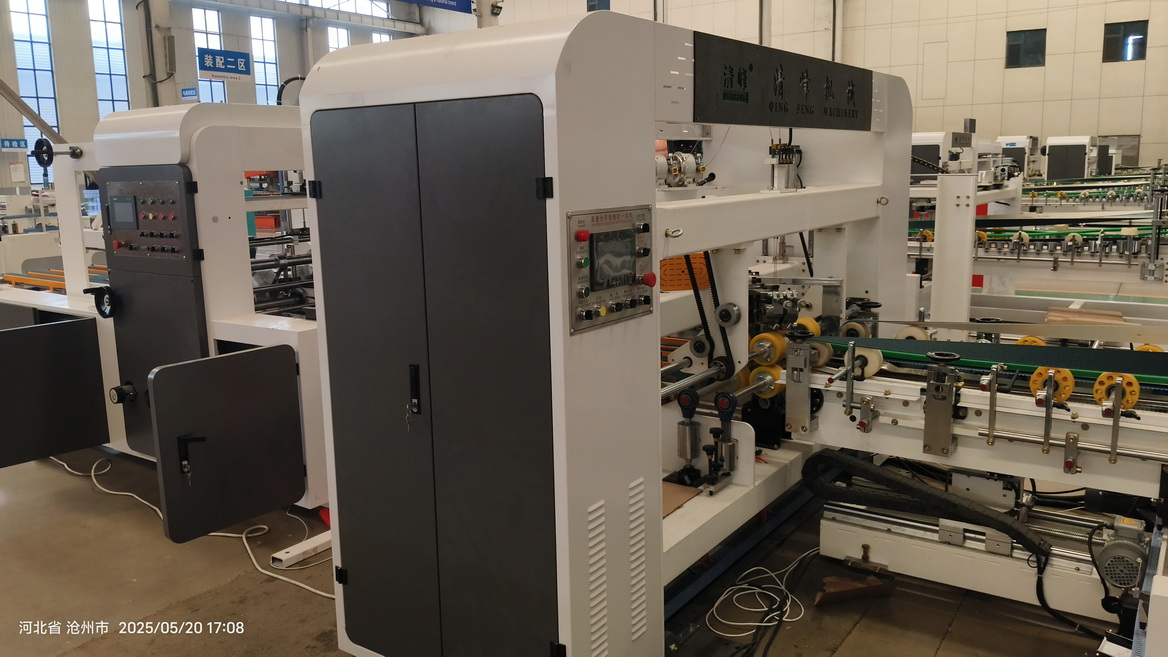
In one real case, a carton factory customer received an urgent order for custom pizza boxes and wanted to confirm whether a fully automated box making machine with vibrating knife could handle the job.
The process looked like this:
1. The customer sent design files for the custom pizza box.
2. Engineers imported the file into the machine and set up the job parameters on the touch screen.
3. A sample was produced immediately—without any die-making or long setup.
4. The machine then ran the small batch with automatic board feeding, slotting, scoring, creasing, slitting, trimming, handle die-cutting, gluing, and printing in one line.
The entire order changeover took 1–6 seconds, making it ideal for handling multiple small and scattered orders in a single shift.
One overseas customer commented:
> "Great machine for custom pizza box, Does it sell to Germany? what's the difference between this machine and boxmatkolbus machine?"
This kind of feedback reflects genuine market demand for flexible, short-run pizza box manufacturing equipment with international compatibility.
The global pizza box market is growing strongly, driven by the expansion of quick-service restaurants, takeaway culture, and online food delivery. [researchandmarkets]
According to one report:
- The pizza box market is projected to grow from 3.19 billion USD in 2025 to 3.44 billion USD in 2026, at a CAGR of about 7.9%, and is expected to reach 4.56 billion USD by 2030. [researchandmarkets]
Several trends matter to both pizzerias and carton factories:
- Eco-friendly packaging: Recyclable and renewable materials are now a competitive advantage. [maxobiz]
- Custom printed boxes for brand differentiation and social media visibility. [maxobiz]
- Short-run customization: Seasonal designs, local events, and co-branded campaigns need flexible production, which favors digital or die‑less solutions. [jetpaperbags]
For OEM manufacturers and factories, upgrading equipment to handle on-demand custom pizza box production is increasingly a strategic investment rather than a niche option. [caspijet]
To help your clients get better results from their packaging, advise them on these design best practices. [wpackaging]
Structure and function
- Choose the right flute type (E‑flute or B‑flute) for balance between strength and printability. [innaturepack]
- Ensure lid height and wall strength support stacking and delivery handling. [innaturepack]
- Include vent holes to reduce condensation and sogginess. [innaturepack]
Branding and visuals
- Keep the design simple and recognizable, avoiding visual clutter. [jetpaperbags]
- Maintain consistent colors, fonts, and logo placement across all box sizes. [jetpaperbags]
- Design with shareability in mind—bold graphics that photograph well for social media. [maxobiz]
Sustainability messaging
- Clearly print statements such as "100% recyclable" or "Made from renewable materials" when applicable. [researchandmarkets]
- Add icons or short messages about recycling and responsible disposal. [maxobiz]
From an equipment manufacturer's viewpoint, vibrating knife cutting is one of the most important innovations for custom pizza box production.
Key advantages include:
- Die-less production: No steel rule die means lower upfront cost for each new box model.
- High precision for complex contours and small features that are hard to produce with standard rotary or flatbed die-cutting.
- Rapid prototyping: You can create and adjust samples with actual material and full-size geometry in minutes.
- Short-run profitability: Especially valuable when serving small pizzerias, craft brands, or test markets. [caspijet]
For factories serving international clients, this flexibility improves your ability to offer OEM and ODM services for custom pizza packaging without locking into high-volume only orders. [caspijet]
Not every factory needs a dedicated pizza box line, but the business case makes sense if you:
- Serve food packaging clients or plan to expand into this segment.
- Receive irregular or scattered orders with frequent design and size changes.
- Want to differentiate by offering rapid turnaround and small batch production. [caspijet]
- Aim to serve international markets where customization and branding are critical. [wpackaging]
A fully automated, short-run, on-demand box making system with vibrating knife gives you high versatility: the same machine can be used not only for pizza boxes but also for other custom carton designs.
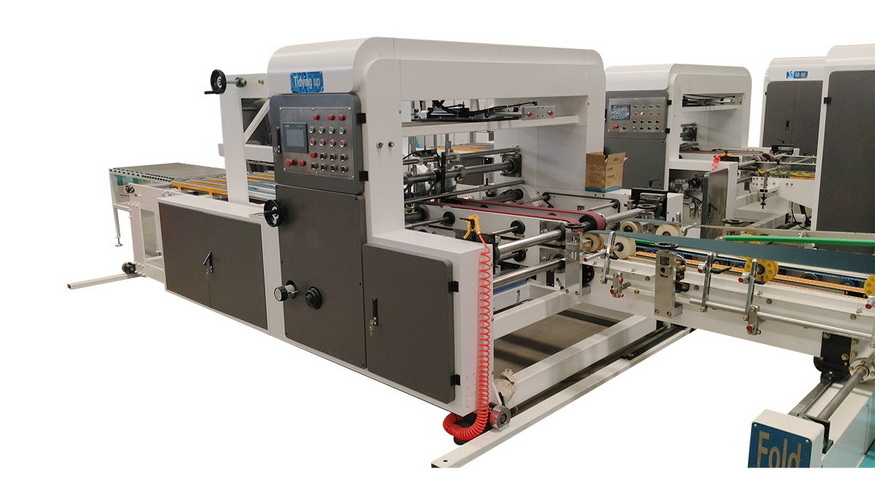
If you are a pizzeria brand, packaging distributor, or carton factory looking to produce custom pizza boxes more efficiently, an integrated carton box making machine with vibrating knife can help you move from idea to finished box in days instead of weeks. [caspijet]
By combining:
- Short-run, on-demand production capability
- Die-less vibrating knife cutting
- Integrated feeding, cutting, creasing, printing, and gluing
you can offer your customers flexible, branded, and sustainable pizza packaging—and build a new profit center around custom boxes. [researchandmarkets]
1. Can this type of machine produce different pizza box sizes on the same day?
Yes. Because order parameters are entered digitally via the touch screen, the machine can switch between box sizes with an order changeover time of about 1–6 seconds, which is ideal for mixed small orders.
2. Do I still need cutting dies for new pizza box designs?
No. The vibrating knife function can cut round, diagonal, curved, and irregular shapes directly from the digital design file, so you do not need traditional steel rule dies for new designs.
3. Is the equipment suitable for international customers (e.g., Europe, Germany)?
Yes. Overseas customers are already using similar box making machines for custom pizza boxes and have inquired about applications in markets such as Germany, which demonstrates strong global interest. [caspijet]
4. What kind of corrugated board should I use for pizza boxes?
Most manufacturers choose E‑flute or B‑flute corrugated board for a good balance of strength, print quality, and foldability, and increasingly prefer recyclable, eco-friendly materials to match sustainability trends. [maxobiz]
5. Can I print branding and QR codes directly on the pizza box with this machine?
Yes. Modern carton box making machines often integrate inline printing, allowing you to apply logos, promotional messages, and QR codes in the same pass as cutting and creasing, turning each pizza box into a marketing channel. [wpackaging]
1. Aopack Machine – "How To Make Custom Pizza Box?" (Original case description of custom pizza box production with vibrating knife box maker, sample testing process, and user comment). [Link]
2. Research and Markets – *Pizza Box Market Report 2026* (Market size and CAGR data, global growth trends for pizza box industry). [Link] [researchandmarkets]
3. InNature Pack – "Custom Pizza Boxes: The Complete Guide to What You Need to Know" (General guidance on sizes, materials, design considerations for custom pizza boxes). [Link] [innaturepack]
4. Jet Paper Bags – "Marketing Strategies Using Custom Pizza Boxes" (Insights on using pizza boxes for branding, QR codes, and promotional content). [Link] [jetpaperbags]
5. WPackaging – "Turning Custom Pizza Boxes into Powerful Marketing Tools" (Best practices for shareable graphics, social media, and interactive packaging elements). [Link] [wpackaging]
6. Caspijet – "How to Start a Profitable Pizza Box Printing Business in 2025" (Equipment and process recommendations for pizza box printing, materials, and inks). [Link] [caspijet]
7. Maxobiz – "Pizza Packaging Design Trends 2026" (Trends on eco‑friendly and social media friendly pizza packaging design). [Link] [maxobiz]
8. Shopify China – General best practices for ecommerce packaging and branding. [Link] [shopify]


