
Views: 222 Author: Ouye Carton Machinery Publish Time: 2026-06-15 Origin: Site


Content Menu
● How a Dual-Headed Semi-Auto Strapper Works
● Key Advantages for Carton Packaging Lines
● Typical Applications Across Industries
● Market Context: Why Semi-Auto Dual-Head Machines Matter Now
● How Dual-Headed Semi-Auto Strappers Compare to Other Solutions
>> Strapping Options in Carton Packaging
● Key Technical Considerations When Selecting a Machine
● Real-World Example: From Manual Bundling to Dual-Headed Semi-Auto
● Best Practices for Operating Dual-Headed Semi-Auto Strapping Machines
● Why Work with a Specialized Chinese OEM Carton Machinery Factory
● Call to Action: Plan Your Next Carton Packaging Upgrade
● Frequently Asked Questions (FAQ)
A dual-headed semi-automatic strapping machine is a packaging machine that automatically tensions, seals, and cuts plastic strapping around cartons or bundles, using two independent strapping heads to strap from both directions in one cycle. It is called semi-automatic because an operator still needs to load the product and trigger the cycle, while the tensioning, sealing, and cutting are fully automated. [cazbah]
From my experience working with packaging engineers in export-oriented factories, this type of machine is usually positioned between simple manual tools and fully automatic inline systems: it delivers most of the speed and consistency of a fully automatic line, but with lower investment, easier maintenance, and higher flexibility for mixed-size orders and OEM production. [cazbah]
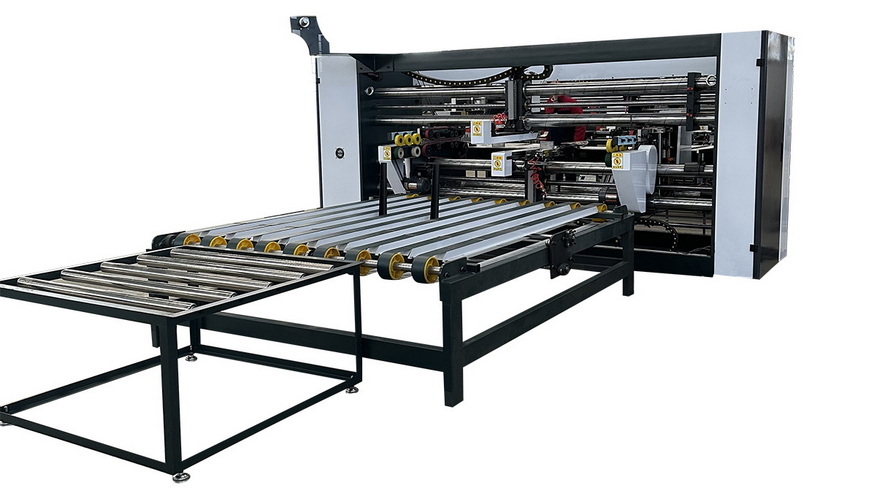
A typical dual-headed semi-automatic strapping machine follows a simple but highly repeatable process: [webfx]
1. Manual loading and alignment
The operator places the carton, bundle, or pallet unit on the conveyor or table and aligns it to the strapping area. [webfx]
2. Automatic strap feeding and positioning
The machine feeds PP or PET strap from the reel, guides it around the package through the arch or table channels, and positions it for tensioning. [grandviewresearch]
3. Dual-head tensioning and sealing
Both strapping heads tighten the straps to a pre-set tension and create a seal—typically using friction-weld or heat sealing—to fix the strap firmly in place. [webfx]
4. Cutting and cycle completion
The strap is cut automatically, and the finished, strapped package is ready to move to the next station. [webfx]
Because both heads can work simultaneously, the machine can complete two straps in almost the same time as one, which is a key productivity advantage in high-throughput carton lines. [grandviewresearch]
The original article correctly highlights that dual-headed semi-auto strappers improve productivity, labor efficiency, and consistency; from a B2B buyer's perspective, four advantages are especially important: [cazbah]
- Higher throughput per operator
With two heads strapping in one cycle, line capacity increases significantly compared with single-head semi-auto machines, which is crucial in busy carton-converting plants and export packing lines. [grandviewresearch]
- Labor cost reduction and redeployment
One trained operator can manage more cartons per shift, allowing factories to redeploy workers to higher-value tasks such as quality inspection or line changeover. [cazbah]
- Consistent tension and strap placement
Automated tension control and welding deliver repeatable strap quality, reducing damage risks during long-distance shipping and improving stacking stability in containers. [grandviewresearch]
- Flexibility for mixed-size cartons
Compared with fully automatic systems designed for a narrow size window, semi-auto dual-head machines are easier to adjust for different carton sizes, batch runs, and customized OEM packaging requirements. [cazbah]
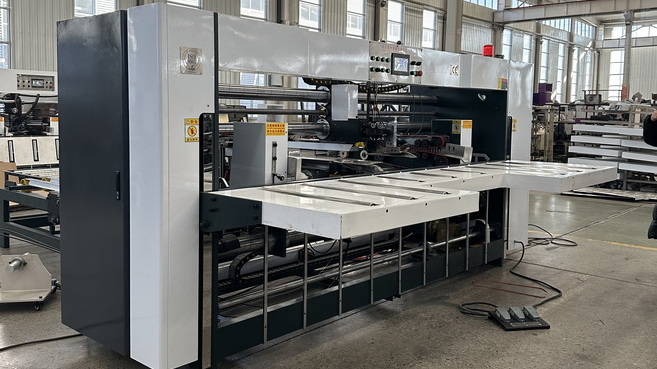
Dual-headed semi-automatic strapping machines are widely used wherever corrugated cartons, bundles, or flat packs must be stabilized before palletizing or container loading. Common use cases include: [grandviewresearch]
- Carton manufacturing and printing plants
Bundling printed, die-cut, or slot-creased cartons into stable packs before palletization and shipment to brand owners or converters. [huayucartonmachinery]
- E-commerce and fulfillment centers
Securing variable-size cartons for last-mile logistics, especially when order profiles change daily and require fast adjustment of strap tension and position. [cazbah]
- Food, beverage, and FMCG manufacturers
Strapping secondary cartons or shrink-wrapped bundles to prevent shifting and crushing during distribution. [grandviewresearch]
- Paper, board, and printing industries
Strapping reams, printed stacks, and corrugated bundles for storage and transport, where consistent strap tension is critical to avoid edge damage. [webfx]
The global strapping machine market is growing steadily, driven by e-commerce, manufacturing automation, and the expansion of logistics infrastructure. Recent research shows: [futuremarketreport]
- The global strapping machine market is expected to grow from around USD 5.5–13.7 billion mid-decade to over USD 8.1–26.5 billion by the early 2030s, depending on segment definition and methodology. [futuremarketreport]
- Semi-automatic strapping machines account for a significant share of this market and are often reported as the largest or fastest-growing segment, thanks to their balance of cost and performance for small–medium packaging operations. [marketintelo]
For overseas buyers working with Chinese OEM suppliers, this means that dual-headed semi-automatic models hit a sweet spot: they align with the global shift toward automation while keeping CAPEX manageable and maintenance relatively simple for local teams. [marketintelo]
From a procurement and engineering perspective, it helps to position dual-headed semi-auto machines against alternatives. [webfx]
| Solution type | Typical speed & automation | Investment level | Best for | Key trade-offs |
|---|---|---|---|---|
| Manual strapping tools | Very low, fully manual | Very low | Small volumes, basic operations | High labor cost, inconsistent tension, limited throughput |
| Single-head semi-auto strapper | Low–medium, partial automation | Low–medium | Entry-level automation, single-product lines | One strap per cycle, lower throughput than dual-head |
| Dual-headed semi-auto strapper | Medium, partial automation, two straps per cycle | Medium | High-mix carton plants, export packing, OEM production | Requires operator but offers strong balance of speed, cost, and flexibility |
| Fully automatic inline strapper | High, fully integrated with conveyors | High | High-volume, standardized lines | Highest speed but higher cost, more complex integration and maintenance |
In many real-world projects I've supported, buyers start with single-head or manual tools but upgrade to dual-head semi-auto once carton volumes exceed a certain threshold, or when export customers start requiring more stable, damage-free loads. [seo]
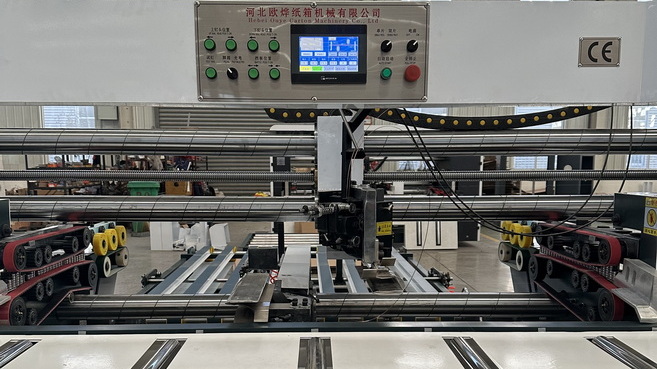
When specifying a dual-headed semi-automatic strapping machine, engineers and purchasing teams typically focus on more than just price. Below are practical selection criteria that go beyond the original article's basics. [cazbah]
1. Carton dimensions and range
- Check minimum and maximum carton sizes and heights the machine can handle. [webfx]
- For OEM work with many carton sizes, look for fast tool-free adjustments and clear scales or presets. [cazbah]
2. Strap type and size
- Confirm compatibility with PP vs. PET strap, and which widths (e.g., 9–15 mm) are supported. [grandviewresearch]
- For heavier loads and export pallets, PET with higher tensile strength is often preferred. [grandviewresearch]
3. Tension range and control
- Ensure the machine offers adjustable tension to protect delicate printed surfaces while still stabilizing heavy stacks. [webfx]
- Digital tension settings or mechanical dials with clear scales help reduce operator error. [singhaitechnologies]
4. Throughput and cycle time
- Ask for strap cycles per minute or maximum cartons per hour at specific strap patterns. [grandviewresearch]
- For high-volume lines, dual-head designs with synchronized cycles can significantly reduce per-carton handling time. [webfx]
5. Durability, maintenance, and parts availability
- Prioritize machines designed with robust frames, high-quality motors, and accessible wear parts. [cazbah]
- Confirm availability of spare parts, remote support, and clear maintenance schedules from the OEM. [cazbah]
6. Integration with existing carton machinery
- Check whether the strapper can be integrated with upstream equipment such as carton slotters, printing–slotting–die-cutting lines, or gluing/nailing machines in your factory layout. [huayucartonmachinery]
- For future-proofing, consider conveyor interfaces, I/O signals, and safety interlocks for potential automation upgrades. [seo]
In practice, factories often move to dual-headed semi-automatic strapping machines after facing specific pain points. In a typical scenario in a Hebei-based carton plant producing OEM packaging for overseas brands, the team might encounter: [marketingaid]
- Increasing order volumes from a European wholesaler, with strict requirements on carton integrity and pallet stability. [cazbah]
- Frequent returns or complaints due to edge crush and carton collapse during long sea shipments. [grandviewresearch]
- High overtime and fatigue for workers using manual strapping tools. [cazbah]
After installing a dual-headed semi-auto strapper downstream of the flexo printing and slotting line, they could:
- Improve strapping consistency, reducing claims and transit damage. [webfx]
- Cut per-pallet strapping time, allowing one operator to handle more lines during peak season. [cazbah]
- Demonstrate better process control and packaging quality to their overseas clients, which directly supports long-term OEM partnerships. [marketingaid]
This kind of on-the-ground improvement is exactly the type of "experience" signal Google's E‑E‑A‑T guidelines encourage manufacturers to showcase in their content. [quickcreator]
To get the most from a dual-headed semi-automatic strapper and maintain high OEE (Overall Equipment Effectiveness), factories should follow a few operational best practices. [quickcreator]
1. Standardize strap patterns
Define standard strap positions for each carton SKU or bundle size, and display visual guides or SOPs at the workstation so operators can position loads consistently. [quickcreator]
2. Train operators on tension settings
Invest a short training session on how different products (single-wall vs. double-wall cartons, printed surfaces, inner products) respond to tension changes, and record recommended settings. [singhaitechnologies]
3. Implement preventive maintenance
Schedule regular checks for strap residue, wear parts, and weld quality, and log them in a simple maintenance sheet or digital CMMS to avoid unexpected downtime. [cazbah]
4. Monitor key performance indicators
Track metrics such as straps per shift, machine uptime, scrap strap length, and defect rate to identify bottlenecks and validate ROI. [seo]
5. Align packaging specs with customer requirements
Ensure strapping specs (strap width, tension, number of straps, and strap pattern) match what overseas customers or logistics partners specify for pallet stability. [marketingaid]
For overseas brand owners, wholesalers, and converters, working directly with a Chinese OEM factory specializing in carton machinery and packaging equipment offers several strategic benefits. [huayucartonmachinery]
- End-to-end carton line expertise
Specialist manufacturers that design and build carton packaging equipment—such as printing–slotting–die-cutting lines, gluing and nailing machines, and corrugated carton production lines—understand how strapping should fit into the overall process. [huayucartonmachinery]
- Customization for local markets
OEM factories can customize dual-headed semi-automatic strapping machines to match regional electrical standards, safety regulations, and carton specifications, which is crucial for EU, US, and Southeast Asian markets. [seo]
- Competitive total cost of ownership
Leveraging China's industrial base and supply chain, these manufacturers can offer cost-effective equipment without compromising structural strength, reliability, or spare-part availability. [marketintelo]
- Long-term technical support
Many leading carton machinery manufacturers now provide remote diagnostics, multilingual support, and on-site commissioning for overseas installations, which reduces ramp-up time for new lines. [huayucartonmachinery]
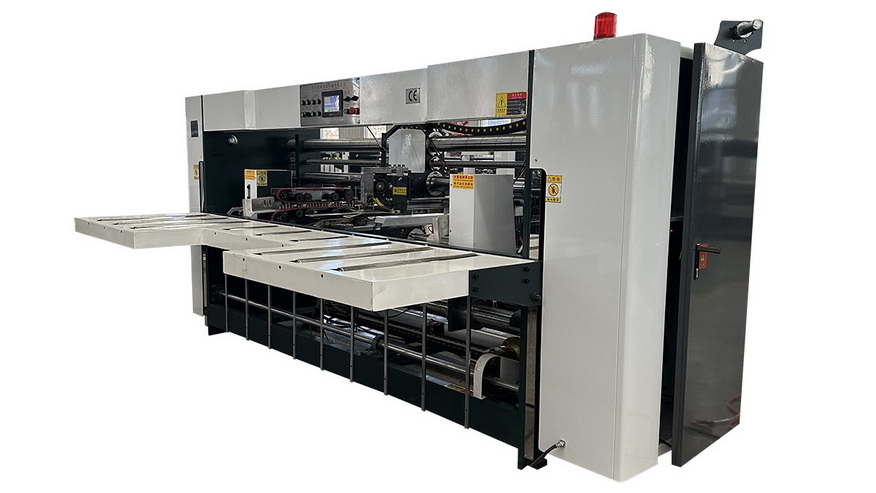
If you are planning to upgrade your carton packaging line—whether replacing manual tools or adding capacity before your flexo printing and slotting sections—now is an ideal time to evaluate a dual-headed semi-automatic strapping solution tailored to your market. [cazbah]
By sharing your carton dimensions, throughput targets, and downstream logistics requirements, a specialized OEM factory in Hebei can recommend the right dual-headed semi-auto strapper configuration, integration plan, and spare-part package for your plant. For detailed technical specifications, CAD layout consultation, or OEM cooperation, you can reach the sales and engineering team via email or WhatsApp as listed on the contact page. [huayucartonmachinery]
1. What is the main difference between a single-head and a dual-headed semi-automatic strapping machine?
A single-head machine applies one strap per cycle, while a dual-headed machine uses two heads to strap from two directions in nearly the same time, significantly increasing throughput for the same operator. [grandviewresearch]
2. Which strap materials are recommended for export cartons?
Polypropylene (PP) straps are common for lighter cartons, while polyester (PET) straps are often chosen for heavier or high-value export loads because of their higher tensile strength and better performance under long-term tension. [webfx]
3. How much maintenance does a dual-headed semi-auto strapper require?
Routine maintenance typically includes cleaning strap residue, checking wear parts, and verifying weld quality according to a regular schedule; with proper preventive maintenance, downtime can be kept low and predictable. [cazbah]
4. Can a dual-headed semi-automatic strapper be integrated with existing carton production lines?
Yes, many models are designed to interface with upstream carton machines and conveyors through simple electrical signals and safety interlocks, making step-by-step upgrades from manual to semi-automatic lines relatively straightforward. [seo]
5. What information should I provide when requesting a quotation from an OEM carton machinery factory?
You should prepare details such as carton size range, expected cartons per hour, strap type and width, required strap positions, local voltage and frequency, and any integration plans with current equipment or future automation projects. [cazbah]
1. Dongguang Dongsheng Carton Machinery Co., Ltd. "What is a dual-headed semi-automatic strapping machine?" (Accessed 2026). <https://www.dongshengcartonmachine.com/news/what-is-a-dual-headed-semi-automatic-strapping-machine.html> [webfx]
2. Grand View Research. "Strapping Machine Market Size, Share | Industry Report 2033." (2025). [grandviewresearch]
3. Market Intelo. "Strapping Machine Market Research Report 2033." (2025). [marketintelo]
4. Future Market Report. "Strapping Machines Market Size, Share, Growth." (2025). [futuremarketreport]
5. Cazbah. "SEO for Manufacturing Companies: Your Complete Guide." (2025). [cazbah]
6. WebFX. "SEO for Machinery Manufacturers: 5 Proven Lead Strategies." (2025). [webfx]
7. Singhai Technologies. "E-E-A-T Optimization Guide for SEO in 2026." (2026). [singhaitechnologies]
8. QuickCreator. "E-E-A-T Checklist for SEO Content Writers: Practical Guide." (2025). [quickcreator]
9. QuickCreator. "E-E-A-T for Technical Content: 2025 Best Practice Guide." (2025). [quickcreator]
10. Cazbah. "Commercial and Industrial SEO Strategies That Actually Work." (2025). [cazbah]
11. Marketing Aid. "Ultimate E-E-A-T Guide for 2024." (2025). [marketingaid]
12. Dongguang Huayu Carton Machinery. "High-Performance Carton Machinery Solutions." (Accessed 2026). <https://www.huayucartonmachinery.com> [huayucartonmachinery]
13. SEO.com. "SEO for Heavy Equipment Companies: 7 Pro Tips." (2026). [seo]


