
Views: 222 Author: Amanda Publish Time: 2025-08-04 Origin: Site


Content Menu
● Introduction to Flat Die Cutting Machines
● Why Choose Portuguese Manufacturers?
● Leading Flat Die Cutting Machine Manufacturers and Suppliers in Portugal
>> Sinuta FCE
>> Prenso-Metal
>> Cortarte
● Key Product Features and Innovations
>> Typical Technical Specifications
● How to Choose the Right Flat Die Cutting Machine Manufacturer or Supplier
● Case Studies: Success Stories from Portugal
>> Case 1: Lisbon-Based Printing Firm
>> Case 2: OEM Partnership with Cortarte
● Frequently Asked Questions (FAQ)
>> 1. What industries benefit most from flat die cutting machines?
>> 2. How do I select a reliable flat die cutting machine supplier in Portugal?
>> 3. Are Portuguese flat die cutting machines suitable for OEM/ODM projects?
>> 4. What technological features distinguish modern flat die cutting machines?
>> 5. How can I arrange a demo or obtain sample cuts from Portuguese suppliers?
In the competitive landscape of global packaging, the demand for high-performance flat die cutting machines continues to rise. Portugal, with its robust manufacturing sector and growing emphasis on advanced automation, has emerged as a notable hub for flat die cutting machine manufacturers and suppliers. This article thoroughly explores the leading companies in Portugal, reviews their cutting-edge products, and highlights key innovations in the field. Along the way, you will find detailed company profiles and practical insights to help buyers, wholesalers, and OEM customers choose the right flat die cutting machine manufacturers and suppliers for their needs.
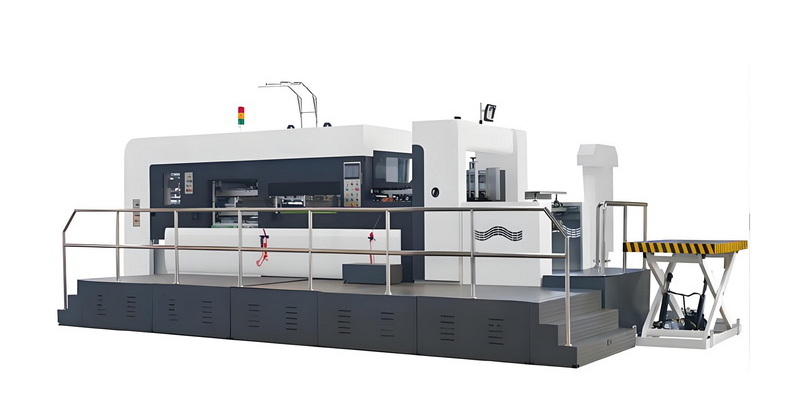
Flat die cutting machines are precision-engineered devices used to cut, shape, or emboss materials such as paper, cardboard, plastics, and textiles. These machines utilize a custom-shaped blade, known as a die, which presses down onto a flat sheet of material on a bed, allowing manufacturers to create intricate designs and precise cuts.
Why are they important?
- Enable mass customization of packaging and labels.
- Produce clean, accurate cuts with minimal waste.
- Essential for industries like packaging, printing, and manufacturing.
These machines play an indispensable role in the production of boxes, labels, cartons, and other packaging forms prevalent in various sectors. Their ability to handle diverse materials efficiently makes them versatile production tools that elevate product quality and operational efficiency.
Portugal combines skilled craftsmanship with advanced European technology, making it a strategic choice for buyers seeking reliability, technical support, and competitive pricing. Many Portuguese suppliers offer OEM and customized solutions, making them attractive partners for international brands and wholesalers.
Key Advantages:
- Integration of European industry standards for quality and safety.
- Access to a highly skilled technical workforce.
- Proximity to major logistics hubs for fast global shipping.
- Proven track record in supporting OEM and custom production needs.
- Ability to incorporate Industry 4.0 technologies and smart manufacturing practices.
Portugal's commitment to innovation and quality assurance ensures that buyers receive machinery built for durability and performance. Additionally, the country's efficient supply chain infrastructure and experience in exporting make it easier for international customers to source machines with reliable after-sales service.
Portugal hosts numerous companies specializing in die cutting solutions, with several leaders recognized for innovation, expertise, and international reputation.
Sinuta FCE is renowned for its advanced die cutting technologies while delivering reliable and robust solutions for packaging and other industrial applications. Their portfolio covers both standard and fully customizable flat die cutting lines, featuring high automation and precision.
Their machines support diverse industries including packaging, printing, and luxury goods, where tight tolerances and consistent quality are critical. Sinuta FCE's ability to integrate automation modules such as robotic feeders and stackers makes their offerings especially appealing for high-volume production settings.
Specializing in die cutting and related automation, Prenso-Metal serves clients both in Portugal and across Europe. The company emphasizes custom engineering tailored to unique production needs, blending mechanical reliability with innovative control systems.
Their machines often feature servo-driven mechanisms for enhanced speed control, precise cutting force adjustment, and reduced energy consumption. This customization capability has enabled them to partner with clients in specialized sectors such as automotive and electronics packaging.

Cortarte offers a wide range of cutting tools, including flat dies for the visual, automotive, and leather industries. Their product offering extends from manufacturing high-precision flat dies to complete machine sets tailored for diverse industrial uses.
The firm has earned praise for its ability to produce dies with intricate geometries and superior wear resistance, helping clients achieve precise cutting quality in material thicknesses ranging from thin films to heavy boards. Their OEM collaborations with European and international clients underline their technical expertise in this domain.
- Valiani: Known for advanced digital and die-cutting automation solutions specially designed for packaging industries.
- Bobst: A global player with distributor networks in Portugal, offering a wide range of high-end die-cutting lines suitable for mass production.
- Heidelberg (Masterwork): Renowned for blending German engineering standards with accessibility in southern Europe, providing robust machines with high automation potential.
The collaboration between Portuguese manufacturers and these well-established global companies boosts local product quality and offers clients a broader choice of machinery, from entry-level models to state-of-the-art high-speed systems.
Flat die cutting machines in Portugal exhibit several key technological features and innovations that meet evolving industry demands:
- High-Precision Cutting: Advanced hydraulic or servo-driven systems deliver cuts with tolerances often below ±0.15 mm. This precision is crucial for luxury packaging, specialty labels, and high-end graphics.
- Automatic Feeding and Waste Stripping: Many Portuguese machines include automatic sheet feeding combined with integrated waste stripping to ensure continuous production and reduce manual labor.
- Versatile Material Handling: Designed to process a variety of substrates such as paper, board, plastic films, and even lightweight textiles. This multi-material capability increases the machine's utility across multiple industries.
- Digital Control Systems: Touchscreen interfaces and smart programming allow easy adjustments for cutting depth, speed, and feed rate, enhancing user-friendliness and reducing setup time.
- Customization and OEM Compatibility: The ability to modify bed size, cutting force, and automation level allows Portuguese manufacturers to accommodate unique production requirements and integrate machines into existing production lines.
- Energy Efficiency: Modern machines often incorporate energy-saving components, such as variable frequency drives and optimized hydraulic circuits, to reduce environmental impact and operating costs.
- Industry 4.0 Integration: Some suppliers offer options for remote diagnostics, usage monitoring, and data analytics to fit smart factory environments, improving maintenance and uptime.
| Feature | Typical Value | Example Machine |
|---|---|---|
| Cutting Speed | Up to 9,000 sheets/hour | Heidelberg Mastermatrix 106 CSB |
| Maximum Web Width | 320–1,700 mm | Various |
| Cutting Accuracy | ±0.15 mm | Eureka/Weigang |
| Automation Level | Fully automatic with touchscreen | Various |
| Supported Materials | Paper, board, plastics, textiles | All |
These specifications highlight the flexibility and advanced capabilities humbly claimed by Portuguese suppliers, making their products well-suited for demanding industrial applications.
Selecting the appropriate flat die cutting machine and supplier depends on various factors:
1. Assess Application Requirements
Take into account the types of materials you plan to process, the maximum sheet size, production speed targets, and required cutting accuracy. Machines optimized for cardboard may differ significantly from those designed for thin plastics or textiles.
2. Evaluate Customization Capabilities
If your production process demands bespoke features such as unusual bed sizes or integration with upstream/downstream equipment, opt for manufacturers experienced in OEM solutions and custom projects.
3. Check Certifications and Support
Verify that the manufacturer complies with international standards such as CE marking and ISO certifications. Ensure that after-sales support, including training and spare parts availability, is robust, especially for international buyers.
4. Compare Price versus Features
Balance initial machine cost against long-term factors such as maintenance expenses, ease of operation, and productivity improvements. Consider the supplier's reputation for quality and reliability.
5. Review References or Visit Facilities
Gathering feedback from previous clients and, if feasible, visiting the manufacturer's factory or requesting live video demos can provide valuable insights into machine performance and supplier professionalism.
After installing a fully automated flat die cutting line from Sinuta FCE, a large print house in Lisbon doubled production speeds while significantly reducing cardboard waste. This upgrade enabled them to meet growing export demands, optimizing turnaround times for multibrand packaging orders.
A French luxury packaging wholesaler partnered with Cortarte for OEM flat die cutting solutions tailored to seasonal product lines. This collaboration yielded innovative scoring and embossing techniques, giving their packaging a distinctive tactile appeal and enhancing product differentiation on store shelves.
These case studies demonstrate how Portuguese manufacturers adapt to client needs, blending technical expertise with customer-driven innovation.
Portugal's flat die cutting machine manufacturing sector is defined by its blend of craftsmanship, technical expertise, and a commitment to innovation. Local companies such as Sinuta FCE, Prenso-Metal, and Cortarte have developed robust reputations for delivering both standardized and customized flat die cutting machines capable of meeting global standards. For buyers—from international brands to local packaging producers and OEM customers—partnering with a quality-focused Portuguese supplier ensures access to precision machinery, excellent technical support, and long-term value.
Whether your production needs focus on high-speed packaging, customized label cutting, or specialized applications in textiles and electronics, Portugal emerges as a reliable source of next-generation flat die cutting machines, combining European quality standards with flexibility in OEM manufacturing.

Flat die cutting machines are widely used across packaging, printing, labeling, and manufacturing sectors. Additionally, industries such as automotive components, textiles, and promotional product manufacturers utilize these machines for precise, high-volume cutting.
Look for suppliers with a strong industry track record and positive customer feedback. Consider their customization capabilities, after-sales service, training programs, certifications, and ability to support spare parts supply.
Yes. Many Portuguese manufacturers specialize in OEM/ODM collaboration, offering customized bed sizes, automation features, and integration services tailored to client specifications.
Modern machines feature automatic feeding, waste stripping, digital touch-screen interfaces, high cutting precision, and often include remote diagnostics and smart factory integration.
Contact suppliers directly through their official channels. Many offer live video demonstrations and can process sample materials to provide physical and digital quality validations before purchase.


