
Views: 222 Author: Amanda Publish Time: 2025-08-04 Origin: Site


Content Menu
● What Is a Flat Die Cutting Machine?
● Why Is Demand Rising for Flat Die Cutting Machines in Europe?
● Leading Flat Die Cutting Machine Manufacturers and Suppliers in France
>> 1. CUIR Corrugated Machinery
>> 2. Rototechnix (Alsace Techniques Etiquetage)
>> 3. BOBST
● How to Choose the Right Flat Die Cutting Machine?
● Innovations in Flat Die Cutting Technology
● Applications and Case Studies
>> Corrugated Packaging for Luxury Goods
>> Rapid Prototyping for Automotive Components
>> Flexible Label and Gasket Production
● FAQs
>> 1. What are the key advantages of flat die cutting machines over rotary die cutters?
>> 2. Can flat die cutting machines be customized for specific production needs?
>> 3. Are fully automatic flat die cutting systems available in the French market?
>> 4. What materials can be processed with flat die cutting machines from French suppliers?
>> 5. How reliable is after-sales service for flat die cutting machines in France?
In the rapidly evolving packaging and printing industries, flat die cutting machine manufacturers and suppliers are fundamental to producing high-quality, customized products efficiently. France is a key player in the European market, hosting top-tier manufacturers and suppliers who specialize in flat die cutting solutions. This article provides an in-depth overview of the leading flat die cutting machine providers in France, their technologies, applications, and factors to consider when selecting the ideal machine for your business. It also highlights innovations enhancing productivity and sustainability across various industries.

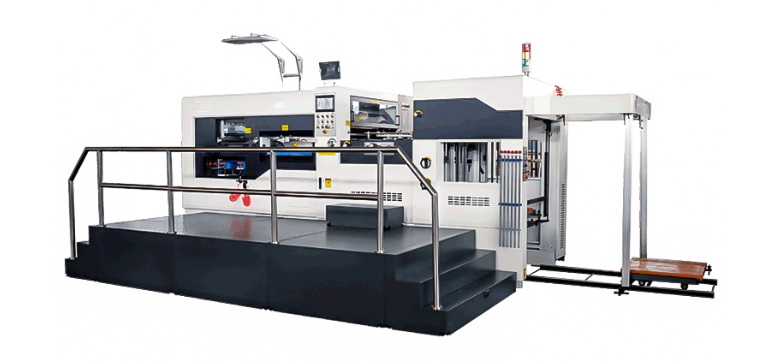
A flat die cutting machine is a precision industrial tool that cuts, shapes, embosses, or perforates materials such as paper, cardboard, plastics, foil, leather, fabric, and thin metals. Unlike rotary die cutting machines, which use circular dies rotating against material rolls, flat die cutters employ a fixed flat die and pressing mechanism that ensures high accuracy and repeatability, especially for thicker or more rigid materials. These machines are widely used in packaging, labels, industrial components, and promotional display manufacturing, where precision and material conservation are paramount.
The demand for flat die cutting machines in Europe, particularly in France, is influenced by several important trends:
- Product Customization: As consumer demand shifts toward personalized and unique packaging — prevalent in e-commerce, luxury brands, and food sectors — flat die cutters provide the flexibility to produce complex shapes, intricate designs, and variable batch sizes.
- Sustainability Initiatives: Modern flat die cutters minimize material waste by precise cutting and efficient setup, aligning with corporate efforts to reduce environmental footprint.
- Automation and Efficiency: Advanced control systems, automatic registration, and integration with other printing or converting processes reduce labor costs and improve throughput.
- Diverse Applications and Materials: The capability to handle various substrates – from corrugated cardboard to technical textiles – allows flat die cutting solutions to cater to multiple industries, expanding market reach.
- Technological Innovation: Digital integration, remote diagnostics, and faster tooling changeover speed production times and improve machine uptime.
France hosts several prominent names in the flat die cutting industry. These manufacturers and suppliers deliver innovative, high-quality machines suited to different production volumes and applications.
CUIR Corrugated Machinery stands out as a top-tier French manufacturer focused on delivering robust flatbed die cutting machines tailored for corrugated packaging. Their MRV series, including the MRV I/O, feature cutting-edge technologies:
- Inline full-color flexographic printing combined with die cutting for a seamless production process.
- Automatic register control systems guarantee perfect color-to-cut alignment, vital for high-end packaging.
- Equipped with vacuum feeders and brushless motors, ensuring smooth handling of corrugated sheets.
- Rapid setup and centralized control interfaces reduce downtime and increase productivity.
- Web-based remote technical assistance allows quick troubleshooting and service.
- Machine customization options enable businesses to tailor specifications according to their unique production needs and formats.
These machines accommodate sheet sizes ranging from small to very large dimensions and manage corrugated board thicknesses up to 0.27”. Production speeds can reach up to 4,000 sheets per hour, ideal for high-volume industrial packaging applications.
Rototechnix, part of the Alsace Techniques Etiquetage group, leads the market in digital flatbed and rotary die cutting solutions in France. Their products emphasize precision, flexibility, and speed:
- Advanced digital flatbed machines designed for prototype development and short-run production offer cutting speeds up to 1.41 meters per second and precision within +/- 0.1mm.
- They provide custom die manufacture suitable for materials ranging from polypropylene films to metal foams and technical textiles.
- Their sophisticated control systems allow operators to switch seamlessly between cutting, slitting, and laser processing without sacrificing accuracy or speed.
- This flexibility is invaluable for industries requiring agile production and rapid design changes, such as automotive prototypes and label manufacturing.

BOBST is a globally recognized manufacturer with strong operations and customer bases in France. Known for reliability and innovation, BOBST delivers flatbed die cutting machines suited for both folding cartons and corrugated board:
- Their machines integrate high-speed cutting with automated loading and unloading systems.
- Emphasize sustainable manufacturing through energy-efficient designs and minimal waste.
- Offer versatile platforms adaptable to various material types and production requirements, attracting packaging converters and large-scale manufacturers.
Though Swiss-based, BERHALTER AG maintains strong sales and service representation in France. Their areas of expertise include high-end, roll-to-roll flatbed die cutting solutions, which are essential for complex commercial and industrial applications:
- Their equipment is ideal for continuous processing of labels, flexible packaging, and multilayer composites.
- The precision and durability of their engines make them a preferred choice for industrial segments demanding tight tolerances and high throughput.
Flexicutting-Group provides tailored flat die cutting solutions targeting flexible materials, including adhesives, gaskets, and label substrates:
- Their machines are optimized for multilayer flexible components, common in automotive and electronics applications.
- Focus on efficient material use and minimal setup times for short-to-medium production runs.
Choosing the appropriate flat die cutting machine depends on a variety of production and business factors:
- Production Volume and Speed: High-volume manufacturers usually require durable, fully automated machines designed for continuous operation, whereas businesses focusing on short runs or prototyping need flexible machines with quick setup.
- Material Compatibility: Understand the range of materials you'll process—whether corrugated cardboard, paper, plastic films, or special substrates like metal foams and textiles—as machines vary in substrate handling capabilities.
- Automation Features: Evaluate the machine's features including automatic register control, inline printing capabilities, and ease of integration with printing and folding operations.
- Footprint and Workspace: Assess the physical size and ergonomics, ensuring the machine fits within your manufacturing layout and is user-friendly for operators.
- After-Sales Support and Training: Strong technical support, warranty, and training services from manufacturers significantly reduce downtime and can improve operation efficiency.
- Budget and ROI: Analyze total cost of ownership, factoring in maintenance, tooling changeover costs, spare parts availability, and expected productivity gains.
Recent technological advancements developed by French and European manufacturers are reshaping the flat die cutting landscape:
- Digital Job Memories and Interfaces: Machines store numerous job settings, drastically reducing the time to switch between jobs.
- Multi-Out Delivery Systems: Automated sorting and stacking streamline packaging and post-processing.
- Remote Diagnostics and Web Support: Allow manufacturers to monitor machine health and perform troubleshooting remotely, minimizing costly downtime.
- Quick-Change Tooling: Enables operators to change dies swiftly without sacrificing alignment or precision.
- UV/IR Drying Integration: Some flat die cutters now incorporate drying technologies for inks and adhesives, facilitating inline printing and die cutting.
A leading French luxury cosmetic company partnered with CUIR to upgrade their packaging line using MRV I/O series flexo-flatbed die cutting machines. The updated system enabled reduced setup times and waste, alongside perfect print-to-cut registration for their premium gift boxes. The seamless integration boosted throughput, enabling faster turnaround for seasonal releases without compromising quality.
An automotive supplier based in Paris utilized Rototechnix's digital flatbed die cutting machines for rapid development of prototype gaskets, insulation materials, and technical textile components. This flexibility shortened product development cycles, facilitating quicker iterations and compliance with precise dimensional specifications.
Flexicutting-Group's machines find widespread use in producing multilayered adhesive gaskets and flexible labels for the electronics and packaging sectors. Their industry-specific designs ensure consistent cutting accuracy, even for complex and delicate material stacks.
France remains a vibrant hub for flat die cutting machine manufacturing and supply, combining longstanding tradition with innovative advancements. Leading companies such as CUIR, Rototechnix, and prominent global players like BOBST provide a broad spectrum of machines capable of serving diverse industries—from luxury packaging to industrial prototyping. When selecting a supplier or machine, it's critical to consider your production volume, material needs, desired automation and customization levels, and after-sales support. By aligning these factors, businesses can maximize operational efficiency, ensure product quality, and secure a strong return on investment.
Flat die cutting machines excel at cutting thicker, more rigid materials and can handle larger sheet sizes with higher precision. They are often more cost-effective for smaller batches or complex shapes where meticulous tolerance is required.
Yes, many French manufacturers provide extensive machine customization including frame size, feeding systems, tooling options, and automation levels to suit particular materials and production workflows.
Absolutely. French companies like CUIR offer fully automated solutions featuring inline printing, automatic register controls, multi-out stacking, and remote support, allowing highly efficient production lines.
Machines can handle a wide array of substrates including corrugated cardboard, paper, plastic films (PE, PP, PET), foam, adhesives, textiles, thin metal foils, and composite laminates.
Top manufacturers offer comprehensive after-sales support such as remote diagnostics, on-site training, quick spare part delivery, and ongoing technical assistance to ensure minimal downtime and continuous productivity.


