
Views: 222 Author: Amanda Publish Time: 2025-07-20 Origin: Site


Content Menu
● Overview of Japan's Carton Packaging Machinery Industry
● Key Features of Japanese Carton Box Making Machines
>> Customizability and Flexibility
● Leading Carton Box Making Machine Manufacturers and Suppliers in Japan
>> Mitsubishi Heavy Industries Printing & Packaging Machinery, Ltd.
>> Tokyo Automatic Machinery Works (TAIYO)
>> Fujikoshi Machinery Corporation
● Technological Innovations Driving Japan's Carton Packaging Machinery
>> Industry 4.0 and Smart Automation
>> Environmentally Conscious Manufacturing
>> Robotics and Unmanned Operations
● Advantages of Partnering with Japanese Carton Box Making Machine Manufacturers and Suppliers
● OEM and Export-Oriented Services by Japanese Suppliers
>> 1. What should I look for when choosing a Carton Box Making Machine Manufacturer in Japan?
>> 2. Can Japanese Carton Box Making Machine Suppliers provide OEM/ODM services?
>> 3. How do Japanese Carton Box Making Machines compare to those from other countries?
>> 4. Are spare parts and technical support readily available internationally?
>> 5. What is the typical lead time for ordering a carton box making machine from Japan?
With the rapid global expansion of logistics and e-commerce, the demand for advanced carton box making machines has never been higher. Japan, known for its precision engineering and advanced technologies, is at the forefront of producing carton box making machines and exporting these solutions worldwide. This article presents a comprehensive overview of the leading Carton Box Making Machine Manufacturers and Suppliers in Japan, their innovative approaches, and how OEM partners across the globe benefit from their advanced equipment.
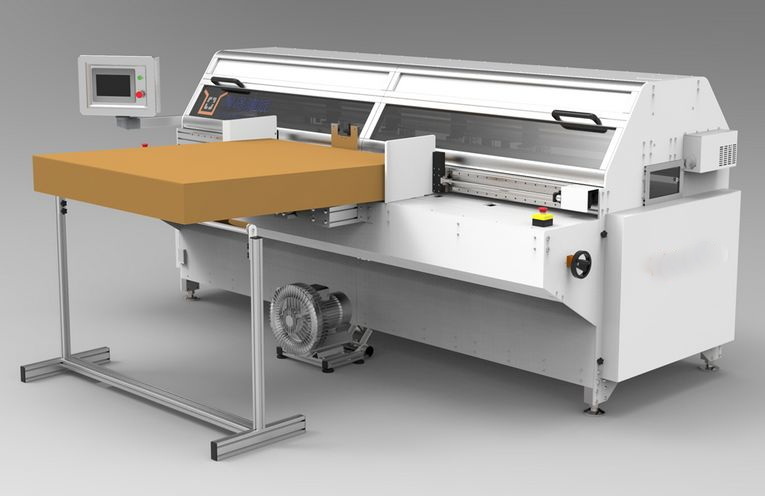
Japan's packaging industry is renowned globally for its dedication to quality, technological innovation, and environmental responsibility. Japanese brands are synonymous with reliability in the carton box making machine manufacturing sector, and their global partners appreciate the robust engineering standards that frequently meet or even exceed international benchmarks.
In response to the growing needs of international brand owners, wholesalers, and manufacturers, Japanese carton machinery suppliers place strong emphasis on flexible production capability, automated systems, and customization. The machinery produced is engineered to handle both large-scale industrial environments and medium-sized enterprises that demand consistent output, high efficiency, and minimum maintenance requirements.
Japanese manufacturers have developed an extensive ecosystem that supports all stages of the packaging process, from the initial carton designing and die-cutting to automated folding, gluing, and assembly. This integrated approach is one of the reasons their machines are so widely sought after. Moreover, the ability to integrate advanced technologies such as the Internet of Things (IoT) and artificial intelligence (AI) has added significant value, enabling enhanced productivity and predictability in carton box production lines.
Japanese carton box making machines stand out in many ways, offering advanced features that deliver excellence and reliability:
One of the primary benefits of Japanese-made carton box machines is their high level of automation combined with precision engineering. These machines ensure accurate cutting, folding, and gluing of cartons, reducing material waste and increasing the overall quality of packaging. This precision is critical for industries where packaging aesthetics and structural integrity are paramount, such as electronics, cosmetics, and luxury goods.
Many Japanese manufacturers equip their machines with energy-saving technologies that optimize power consumption without compromising performance. This feature is increasingly important for companies striving to reduce their carbon footprint and operational costs.
Recognizing the diverse technical abilities among operators, Japanese machines are built with intuitive user interfaces. Touchscreen controls, customizable dashboards, and embedded diagnostics facilitate easy operation and minimal training time. This approach enables companies to maximize output while reducing the potential for operator error.
Japanese carton box making machines are constructed with high-grade materials and components, ensuring durability and a longer service life. This robustness decreases downtime caused by mechanical failures and lessens the total cost of ownership.
Modern manufacturing environments require the ability to switch between different box sizes and types quickly. Japanese machinery excels in modularity and quick-change systems, allowing manufacturers to adapt product lines rapidly to meet shifting market demands. Whether producing simple shipping cartons or complex multi-panel displays, these machines offer the flexibility to handle various designs efficiently.
Increasingly, Japanese companies incorporate eco-friendly materials and sustainable manufacturing practices into their machines. Innovations such as reduced adhesive application and recyclable packaging options align with global trends toward green supply chains.

Japan hosts a number of prestigious brands recognized globally for their engineering excellence and industry-leading products in carton box making machine manufacturing and supply. Below is an in-depth look at the top manufacturers and suppliers, their product specialties, and market focuses.
A subsidiary of the Mitsubishi conglomerate, Mitsubishi Heavy Industries Printing & Packaging Machinery offers comprehensive corrugated box making lines prized for their combination of speed and operational accuracy. Their machinery supports high-volume factories, enabling rapid production without compromising quality. Mitsubishi's extensive global service network provides OEM clients and exporters with reliable after-sales support, including spare parts logistics and technical troubleshooting.
ISOWA has positioned itself as a leader in the automation and digitalization of carton converting equipment. Their machinery incorporates advanced controls and integration with factory-wide production management systems, enabling seamless operation with minimal human supervision. ISOWA machines are designed to meet the needs of sophisticated production lines serving domestic and international markets alike, prioritizing energy efficiency and environmental compliance.
TAIYO specializes in modular carton box making solutions adaptable for both small and large scale operations. Their equipment portfolio includes case-making machines that can be expanded or customized based on production growth and changing operational requirements. TAIYO's focus on versatility makes them a preferred choice for medium-sized enterprises looking for cost-effective automation solutions and OEM partnerships.
Known for its expertise in converting machines, Fujikoshi offers high-performance carton box making machinery capable of producing complex and specialty boxes. Their rugged machines find favor with brands that require tailor-made packaging solutions and work closely with manufacturers worldwide to deliver customized setups. Fujikoshi also excels in integrating advanced robotics, enhancing both efficiency and precision.
Kikusui stands out in the niche of folding and gluing machinery critical to finishing carton production lines. Their equipment is widely used across industries such as food and electronics, where high levels of finishing quality are demanded. Kikusui combines traditional mechanical expertise with modern automation to deliver reliable solutions for both domestic factories and export markets.
Japanese manufacturers of carton box making machines and suppliers continue to lead the global packaging industry by adopting and developing innovative technologies that push the boundaries of automation, efficiency, and sustainability.
Japanese companies have embraced the concepts of Industry 4.0, embedding connectivity, data analytics, and machine learning within their machinery. This allows for:
- Predictive Maintenance: Sensors collect data to anticipate potential wear or failures before they occur, minimizing unexpected downtime.
- Remote Monitoring and Control: Operators and service technicians can access real-time machine status remotely, speeding up troubleshooting and adjustments.
- Integration with Enterprise Systems: Production data is synchronized with ERP (Enterprise Resource Planning) and WMS (Warehouse Management Systems) to streamline inventory controls and scheduling.
Japan's packaging machinery manufacturers actively invest in developing machines that maximize material utilization and reduce waste. Innovations include more precise adhesive application technologies, which lessen excess glue usage, as well as equipment optimized for bioproducts and recyclable board materials. These strides support customer sustainability goals and align with international regulations on packaging waste.
The integration of robotics into box making lines allows for automated stacking, sorting, and palletizing. Some manufacturers offer complete unmanned production cells capable of operating 24/7. This reduces labor costs, improves safety by limiting human interaction with moving machinery, and achieves higher throughput rates.
When selecting suppliers for carton box making machines, overseas customers find Japan's industry leaders offer several compelling advantages:
- High Product Quality and Reliability: Rigorous quality control and use of premium components ensure machines withstand demanding operational conditions.
- Commitment to Innovation: Continuous research and development keep manufacturers ahead with cutting-edge automation, digital interfaces, and energy-saving features.
- Strong After-Sales Support: Many Japanese companies provide local service centers, authorized agent networks, and global technical assistance, ensuring prompt maintenance and spare parts availability.
- Robust OEM Collaboration: Japanese manufacturers actively engage with global partners in co-development of machines tailored to specific markets or branding requirements.
- Sustainability Focus: Japanese suppliers embrace corporate social responsibility through environmentally friendly machine designs and production practices.
The Japanese carton box making machine industry is tailored to serve an international clientele with:
- Custom Branding and Labeling: Buyers can procure machines with their own company logos, reinforcing brand identity.
- Machine Adaptation: Suppliers adjust technical specifications and software interfaces to comply with local regulations or preferred workflows.
- Flexible Minimum Order Quantities: Ideal for new or expanding companies wanting to test production lines before scaling.
- Comprehensive Export Support: From packaging and shipping logistics to customs clearance assistance, Japanese companies simplify international transactions.
- Training and Installation: OEM clients receive on-site or remote training for operators and maintenance teams, ensuring smooth machine deployment abroad.
Such services enable foreign brand owners, wholesalers, and manufacturers to harness Japanese engineering prowess while enjoying a convenient and effective purchasing experience.
Japan's excellence in precision engineering and manufacturing translates directly into the superior quality and efficiency of its carton box making machines. The country remains a global leader in packaging machinery technology, offering manufacturers and suppliers that blend cutting-edge innovation with robust reliability. For overseas brand owners, wholesalers, and production plants searching for dependable OEM partners, Japan's carton box making machine manufacturers provide a combination of advanced automation, flexible customization, and exemplary global support. Choosing Japanese machinery ensures enhanced productivity, sustainability, and competitive advantage in the packaging sector.

When choosing a manufacturer, consider their experience with international markets, certifications like ISO or CE, the range of customization options, after-sales support quality, and whether they offer industry-specific solutions that fit your product types and volumes.
Yes, many top Japanese suppliers are well-versed in OEM and ODM collaborations. They can customize machine design, software, and branding to suit your specific needs, making them ideal partners for overseas wholesalers and brand owners.
Japanese machines often have higher capital costs but are recognized for superior durability, precision, and energy efficiency. This results in lower total cost of ownership through reduced waste, less downtime, and longer equipment lifespans compared to many competitors.
Leading Japanese manufacturers maintain global distribution and service networks or authorized agents, providing access to spare parts and expert technical support to minimize operational disruptions.
Depending on the complexity and level of customization, lead times generally span from 3 to 6 months. Larger OEM projects or specialized designs may require additional time for development and testing.


