
Views: 222 Author: Amanda Publish Time: 2025-10-03 Origin: Site


Content Menu
● What Is a Strapping Machine?
● Common Reasons Why Your Strap Machine Is Not Sealing
>> Incorrect Strap Material or Quality
>> Worn Out or Dirty Heat Sealing Elements
>> Mechanical or Electrical Malfunctions
>> Environmental Factors Affecting Performance
● Additional Causes and Considerations for Sealing Failure
>> Incorrect Feeding or Strap Loading
>> Seal Cooling Time Insufficient
● How to Troubleshoot Strap Machine Sealing Issues
>> Step 2: Check Tension and Sealing Settings
>> Step 3: Clean the Heating Elements
>> Step 4: Examine Mechanical Components
>> Step 5: Inspect Electrical Systems
>> Step 6: Review Environmental Conditions
● Best Practices to Maintain Sealing Efficiency
● Why Choose Hebei Ouye Carton Machinery Co., LTD for Your Strapping Solutions?
● Frequently Asked Questions (FAQ)
>> 1. What type of strap material works best with most strapping machines?
>> 2. How often should I clean the sealing elements of a strapping machine?
>> 3. Why does my strapping machine sometimes break the strap during sealing?
>> 4. Can environmental factors like humidity affect strap sealing?
>> 5. When should I call a technician for strapping machine repair?
In the world of packaging machinery, the Strapping Machine plays a crucial role in securing products, pallets, and cartons for safe transportation. However, one common issue faced by operators and manufacturers is why a strap machine sometimes fails to seal properly. This problem can lead to production delays, increased waste, and damaged goods, causing both financial and operational setbacks. In this article, we will explore the main reasons why a strapping machines is not sealing, how to troubleshoot the problem, and how to ensure optimal performance of your strapping machine.
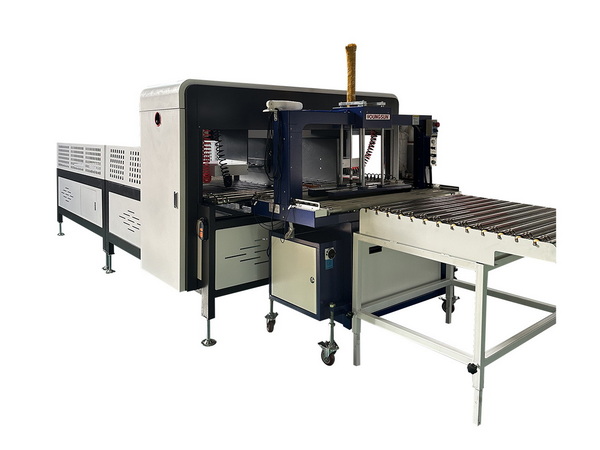
A strapping machine is a device used to apply a strap around packages or bundles to hold them firmly together. These machines use plastic or steel straps, tension them tightly around the items, and then seal the strap ends together using various methods such as heat, friction, or metal clips.
Strapping machines are widely used by manufacturers, wholesalers, and logistics companies. They improve packaging efficiency, reduce manual labor, and enhance the safety of transported goods.
When a strapping machine fails to seal, it is essential to understand the underlying causes to fix the issue effectively. Below are the most frequent reasons for this problem:
Using low-quality or incorrect strap material can heavily affect the sealing process. Straps that are too thick, thin, or have inconsistent thickness might cause poor sealing. Similarly, straps not designed for the specific machine type (polypropylene vs polyester) can result in sealing failure.
Tips:
- Always use recommended strap types for your machine.
- Check the strap quality for inconsistencies or damages before use.
If the tension applied to the strap is too high or too low, the machine may not seal it correctly. Too much tension could break the strap or cause the seal to fail, while too little tension prevents the strap from holding the package firmly.
How to Fix:
- Adjust tension settings according to the manufacturer's guidelines.
- Test the strap tension periodically to maintain optimal levels.
Many strapping machines use heat sealing to bond strap ends, and the heating elements can wear out or become dirty over time. A damaged sealing element won't generate sufficient heat for a proper seal.
Maintenance Advice:
- Regularly clean heating plates and components.
- Replace worn or damaged heating elements immediately.
Mechanical misalignments or electrical issues in the strapping machine might disrupt the sealing process. Common problems include:
- Misaligned sealing jaws
- Faulty sensors or heating controls
- Broken wires or electrical contacts
Troubleshooting:
- Conduct routine mechanical inspections.
- Test electrical components with a multimeter.
- Contact service technicians for complex repairs.
High humidity, extreme temperatures, or dusty environments can impact the sealing quality. These factors might cause the strap to behave differently or affect the machine's sensitive components.
Solutions:
- Operate machines in controlled environments when possible.
- Regularly clean and maintain machine parts.
Beyond the primary causes mentioned above, a few less-obvious issues can lead to a strap machine not sealing properly. Understanding these can help prevent recurring problems and improve sealing reliability.
If the strap is not fed properly into the machine or gets twisted during loading, the sealing mechanism might not function correctly. Twisted straps can slip or fail to engage the sealing jaws appropriately.
Tips:
- Follow the manufacturer's instruction carefully when loading straps.
- Check the strap path regularly for jams or twists.
Certain types of strapping machines, especially those using heat seals, require the seal to cool properly before the strap is released. If the machine cycles too quickly or the cooling time is insufficient, the seal might weaken or fall apart.
Recommendation:
- Adjust cycle timing to allow adequate cooling.
- Avoid rushing operations beyond machine specifications.

There are primarily three types of sealing methods: friction welding, heat welding, and metal buckles. Strapping machines equipped with friction welders can struggle with certain strap materials, especially if the friction system is degraded.
Advice:
- Match sealing method with strap type and application.
- Maintain and replace friction discs as needed.
In many cases, improper operation or lack of routine training leads to sealing failures. Operators must be trained not only on machine use but also on recognizing warning signs such as inconsistent tension or bad seals.
Operator Training Tips:
- Conduct regular training sessions.
- Provide clear machine operation manuals and checklists.
- Encourage reporting and correcting minor issues before they escalate.
When your strapping machine is not sealing, follow this step-by-step guide:
Check if the strap is suitable, undamaged, and properly loaded into the machine. Replace it if necessary.
Ensure the tension and heat settings are properly configured. Perform test seals and adjust until proper sealing is achieved.
Remove any residue or debris from sealing parts to ensure consistent heat application.
Look for misaligned jaws, worn seals, or any loose parts affecting sealing.
Verify all electrical components related to the sealing process are operational.
If problems persist, assess if environmental factors such as dust, humidity, or temperature fluctuations are influencing the machine's performance.
The longevity and performance of your strapping machine depend on routine maintenance and proper operation. Here are some key recommendations:
- Perform daily cleaning of sealing elements.
- Use only high-quality, recommended strap materials.
- Regularly calibrate tension and heat settings.
- Schedule periodic professional maintenance checks.
- Train operators on correct machine use and safety measures.
- Keep a dedicated log of machine performance and maintenance activities.
As a leading intelligent factory in China specializing in carton packaging machinery design and manufacturing, Hebei Ouye Carton Machinery Co., LTD provides OEM strapping machine solutions tailored to your needs. Our products ensure reliable sealing, high efficiency, and seamless integration with your packaging processes.
We focus on delivering innovative, durable, and easy-to-maintain strapping machines to support global brands, wholesalers, and manufacturers. Our team is dedicated to continuous research and development to meet the evolving needs of the packaging industry.
The issue of a strap machine not sealing correctly can arise from various factors including strap quality, tension settings, worn sealing elements, mechanical or electrical malfunctions, environmental conditions, and operator handling. Addressing each potential root cause with proper maintenance, correct material use, and vigilant operation can significantly improve sealing success rates. Advanced troubleshooting techniques and routine checks are essential to avoid production downtime. Partnering with a reliable manufacturer like Hebei Ouye Carton Machinery Co., LTD ensures access to high-quality strapping machines and professional support that can help you maintain optimal packaging operations.
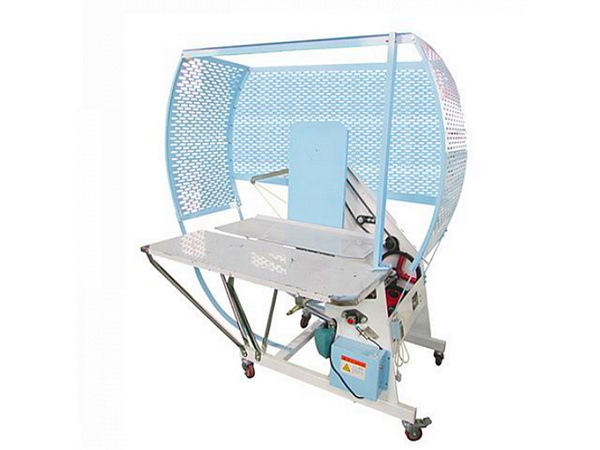
Straps made from polypropylene (PP) and polyester (PET) are commonly used, with polyester providing stronger and more durable seals, especially for heavy-duty applications.
It is recommended to clean the heating plates and other sealing components daily or after every shift to maintain optimal sealing performance.
This usually happens due to excessive tension settings or using strap material that is not compatible with the machine or application.
Yes, high humidity or dust can impair the sealing process and affect machine components. Ensuring a clean and controlled environment helps improve sealing quality.
If mechanical parts are misaligned, sensors malfunction, or electrical components fail after basic troubleshooting, professional maintenance is necessary to avoid further damage.


