
Views: 222 Author: Loretta Publish Time: 2026-02-10 Origin: Site


Content Menu
● What Is Product and Packaging Coding?
● Why Clear Coding Information Matters to Consumers
● Regulatory Compliance and Traceability Requirements
● Coding, Supply Chain Visibility, and Logistics Optimization
● Protecting Brand Integrity and Preventing Counterfeits
● Operational Efficiency and Quality Control on Carton Lines
● How Coding Supports Product Recalls and Risk Management
● Choosing the Right Coding Technology for Carton Packaging
● Practical Steps to Implement or Upgrade Your Coding Strategy
● Example Table: Coding Technologies for Carton and Corrugated Packaging
● Clear, Actionable CTA for Manufacturers and OEM Buyers
● FAQs About Product and Packaging Coding
>> 1. What is the difference between product coding and packaging coding?
>> 2. Why are QR codes becoming so common on packaging?
>> 3. How does coding help with recalls?
>> 4. What are the main challenges in coding on corrugated cartons?
>> 5. How often should coding equipment be reviewed or upgraded?
Product and packaging coding is no longer just a legal checkbox; it is a core driver of traceability, brand trust, and efficient production on today's automated carton packaging lines. When manufacturers, retailers, and consumers can instantly read and scan accurate codes on corrugated cartons and primary packs, they reduce risk, simplify logistics, and unlock data-driven decisions across the supply chain.
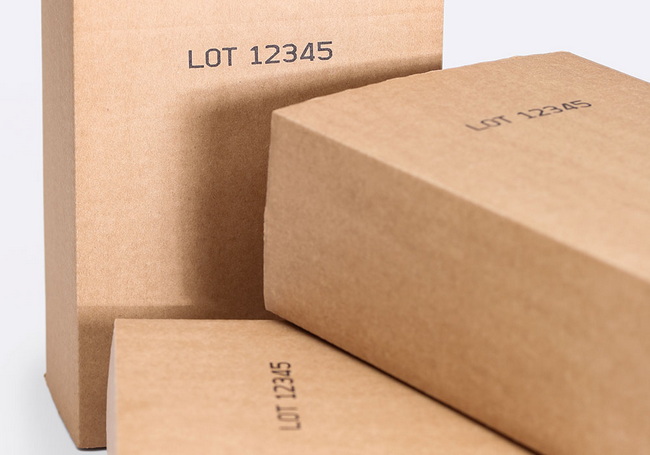
Product and packaging coding refers to the practice of printing variable information—such as batch numbers, dates, barcodes, and QR codes—directly onto products, labels, cartons, and outer cases. These codes connect physical goods with digital data, enabling tracking from production to end-user and back again in case of returns, recalls, or audits.
Common elements in modern coding include:
- Lot or batch number
- Production and expiration dates
- Barcodes (1D) and 2D codes (QR, Data Matrix, GS1 Digital Link)
- Serial numbers and unique identifiers
- Regulatory symbols, safety marks, and recycling information
For manufacturers using automated carton packaging machinery, reliable coding systems and well-designed carton surfaces are essential to ensure clear, scannable marks at high speed.
For consumers, coding is often the only way to understand what they are buying and whether it is safe to use. When critical information is missing or hard to read, trust in both the product and the brand drops immediately.
Key consumer-facing benefits include:
- Safety and shelf-life clarity: Clear expiration or best-before dates help users avoid spoiled or ineffective products.
- Transparency on origin: Country of origin, factory code, or manufacturing date supports informed purchasing decisions.
- Allergen and ingredient visibility: Codes and linked QR pages can provide detailed ingredient, allergen, or usage information beyond what fits on the label.
- Authenticity checks: Serialized or QR-coded packaging lets consumers verify if a product is genuine via brand websites or apps.
A simple example is a food product with a QR code that opens a mobile page showing ingredients, allergen warnings, and storage instructions in the consumer's local language.
Regulatory bodies around the world increasingly require detailed coding on packaging to protect consumers and improve waste management. Failing to comply can lead to recalls, fines, or loss of market access.
Recent trends include:
- Mandatory QR codes or barcodes on many food and pharmaceutical packages to provide extended product information and traceability.
- Standardized formats for expiration dates and batch codes to avoid misinterpretation.
- New rules for traceability in packaging waste and recycling, especially in the EU and large emerging markets.
In many markets, new regulations introduce strict traceability and documentation requirements for packaging placed on the market, requiring manufacturers to maintain detailed records linked to the codes printed on their packaging. In some countries, updated packaging rules require barcodes or QR codes carrying key product and manufacturer details to improve traceability and accountability for waste.
For OEMs designing corrugated carton packaging machinery, this means coding integration and print quality are no longer optional extras but core compliance capabilities on export-ready lines.
High-quality coding does not just satisfy auditors; it makes complex supply chains smoother and more cost-efficient. When each carton and case carries accurate, scannable identifiers, logistics teams can route products quickly and respond faster to disruptions.
Coding supports logistics and operations by:
- Enabling fast scanning for receiving, picking, and shipping in warehouses and distribution centers.
- Supporting automated sortation and routing for e‑commerce and retail fulfillment.
- Providing real-time data for inventory management, replenishment, and demand planning.
- Simplifying cross-border shipments through standardized, globally recognized codes.
For outer corrugated cases, late-stage printing of case codes on automated carton lines gives manufacturers more flexibility than preprinted boxes, allowing last-minute changes without scrapping stock. This is especially valuable for exporters serving multiple markets with different language, labeling, and regulatory requirements.
To enhance user experience here, you can insert a simple process flow diagram illustrating the journey from coded carton leaving the line, through warehousing and scanning, to final shipment.
Coding and marking systems play a critical role in protecting brand value in markets where counterfeiting and gray imports are real threats. Unique codes can be checked at any point in the distribution chain, making it harder for fake or diverted products to pass as genuine.
Brand and security benefits include:
- Product authenticity verification: Serialized QR codes allow users, distributors, or regulators to confirm that a product is genuine and traceable.
- Anti-diversion control: Codes help detect when products meant for one market appear in another without authorization.
- Reputation protection: Rapid traceability in the event of quality issues helps brands act quickly, reducing damage to consumer confidence.
By designing corrugated cases and retail cartons that accept high-resolution coding, brands can embed both visible and hidden security features into their packaging strategy.
Modern coding systems are tightly integrated into automated packaging lines, including carton forming, filling, and case packing equipment. When configured correctly, they support high-speed production with minimal downtime and waste.
Key operational advantages are:
- Real-time printing of batch, date, and variable data without changing preprinted packaging.
- Reduced inventory of preprinted cartons and cases, freeing warehouse space and working capital.
- Automated inspection and verification to catch misprints or missing codes before products leave the line.
- Flexibility to switch products, languages, or markets by updating print data rather than packaging stock.
Suppliers of corrugated case coding solutions offer technologies such as large character inkjet, thermal inkjet, and print‑and‑apply labelers, each optimized for different line speeds, substrates, and code content. For OEM carton machinery manufacturers, ensuring smooth mechanical and software integration with these coders is a major selling point for global buyers.
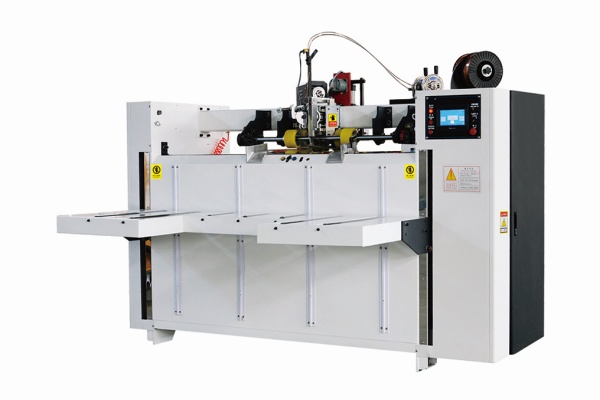
A useful visual here is a line layout diagram showing where coders, inspection systems, and reject mechanisms sit along the carton packaging line.
When something goes wrong, such as a contamination issue, labeling error, or stability problem, proper coding can be the difference between a targeted recall and a costly global crisis.
Effective coding improves risk management by:
- Allowing precise identification of affected batches, production lines, and time windows.
- Supporting rapid communication with distributors, retailers, and end customers.
- Reducing the volume of product that must be withdrawn from market.
- Documenting traceability for regulatory investigations and insurance claims.
Pharmaceutical and healthcare sectors demonstrate this clearly, where robust coding and serialization are central to safety and compliance frameworks. Other industries, from food and beverages to cosmetics and electronics, are now applying similar best practices across their carton and case packaging.
Different products and substrates call for different coding approaches, and the wrong choice can lead to poor readability or excessive maintenance.
For corrugated cartons and cases, common technologies include:
- Large Character Inkjet (LCIJ): Ideal for outer cases requiring bold alphanumeric text and simple barcodes.
- Thermal Inkjet (TIJ): Best for high-resolution barcodes and 2D codes on coated cartons at high speed.
- Print and Apply (P&A) labels: Flexible for cases where label content changes frequently or multiple barcodes are required.
- Continuous Inkjet (CIJ): Suited to fast-moving primary packs, including bottles, cans, and flexible packaging.
Manufacturers must balance resolution, line speed, substrate, and total cost of ownership when selecting coding systems for their carton packaging lines. For OEMs delivering turnkey solutions, offering pre-integrated coding options can significantly reduce deployment time for international customers.
This section is well-suited to a comparison chart that plots each technology against key criteria such as cost per print, maintenance level, line speed, and substrate compatibility.
To get the full value from product and packaging coding, manufacturers should follow a structured implementation process across engineering, operations, and quality teams.
A practical step-by-step approach might include:
1. Audit current packaging and codes
Identify what is printed, where it appears, and how it is used for logistics, compliance, and customer communication.
2. Map regulatory and customer requirements
List required data elements, such as batch, serial, QR link, or recycling information, for each market and channel.
3. Standardize code formats and locations
Define consistent positions and sizes for codes on primary packs, cartons, and cases to simplify scanning.
4. Select suitable coding technologies
Match TIJ, CIJ, LCIJ, or labelers to each substrate, line speed, and code complexity.
5. Integrate with carton packaging machinery
Ensure mechanical, electrical, and software integration between coders, conveyors, and case packers to avoid unplanned downtime.
6. Implement verification and monitoring
Add vision systems or scanners to check code presence and quality in real time, with automatic rejection of non-conforming packs.
7. Train teams and document procedures
Provide clear SOPs for changing codes, handling alarms, and maintaining equipment so that coding quality is consistent across shifts.
By following this framework, factories can transform coding from a manual afterthought into a fully integrated part of their smart packaging line.
| Coding technology | Typical substrate | Best for | Key advantages |
|---|---|---|---|
| Large character inkjet | Corrugated outer cases | Bold text, simple barcodes on shipping cartons | Robust in dusty environments, low ink cost, easy to read |
| Thermal inkjet | Coated folding cartons | High-resolution barcodes and 2D codes | Fine detail, sharp codes, supports high line speeds |
| Print & apply labels | Corrugated cases, pallets | Variable data labels, multi-barcode applications | Very flexible layouts, easy to change label content |
| Continuous inkjet | Primary packs and bottles | Small character codes on fast-moving items | Very high speeds, versatile across many substrates |
If you are planning a new automated carton packaging line or upgrading existing equipment, now is the time to rethink your coding strategy in parallel with your machinery choices. When you combine high-quality corrugated carton packaging machinery with robust coding and marking integration, you simplify compliance, protect your brand, and create a more efficient, data-ready supply chain.
Whether you are an OEM buyer, brand owner, or packaging engineer, start by reviewing your current coding gaps in compliance, logistics, and customer experience. Define your required code formats, target markets, and performance expectations for the next three to five years, then partner with machinery suppliers that can deliver fully integrated coding solutions. Get in touch with our engineering team today to discuss a customized carton packaging and coding solution that fits your products, regulatory landscape, and growth plans.
Contact us to get more information!
Product coding typically refers to marks applied directly to the product, for example on a bottle, blister, or component, while packaging coding appears on labels, cartons, cases, and pallets. Both should work together to support traceability and compliance across the full supply chain.
QR codes can store more data than traditional barcodes and can link directly to web content, technical documents, or regulatory information. This makes them ideal for providing extended product details, authenticity checks, and interactive brand experiences on limited packaging space.
When each batch or unit is clearly coded, manufacturers can quickly identify which products are affected by an issue and where they are in the supply chain. This enables targeted recalls, reduces waste, and demonstrates responsible risk management to regulators and customers.
Uneven or porous surfaces, dust, and high line speeds can make it difficult to print crisp, scannable codes on corrugated cartons. Choosing suitable inks and technologies, such as large character inkjet or high-contrast thermal inkjet, and maintaining good carton handling are key to overcoming these challenges.
Coding systems should be reviewed whenever you enter a new market, face new regulations, or significantly change product or packaging formats. Many manufacturers reassess every few years to ensure continued compliance, reduce downtime, and take advantage of new capabilities like advanced 2D codes and connected software.
1. https://blog.sneedcoding.com/blog/reasons-why-product-and-packaging-coding-matters
2. https://markcomglobal.com/coding-and-marking-systems-in-packaging-a-complete-guide/
3. https://www.leadtech.ltd/a-why-coding-and-marking-solutions-are-essential-for-modern-packaging.html
4. https://blog.packsmart.com/blogs/post/the-importance-of-proper-coding-and-marking-in-packaging
5. https://arthurmarin.com/regulation-eu-2025-40-on-packaging-and-waste/
6. https://rotechmachines.com/packaging-type/coding-cartons
7. https://rotechmachines.com/packaging-type/coding-corrugate
8. https://www.prosource.org/article/22862112/coding-marking-equipment-why-its-so-important-in-packaging


