
Views: 222 Author: Amanda Publish Time: 2025-08-05 Origin: Site


Content Menu
● The Importance of Flat Die Cutting Machines
● Key Advantages of Japanese Flat Die Cutting Technology
● Top Flat Die Cutting Machine Manufacturers and Suppliers in Japan
>> 3. Sanwa Manufacturing Co., Ltd.
>> 4. Asahi Machinery Co., Ltd.
>> 5. Akebono Machine Industries Co., Ltd.
● Japanese Innovation in Flat Die Cutting Machine Design
● Choosing the Right Supplier: OEM Services for Global Buyers
● FAQs
>> 1. What distinguishes Japanese flat die cutting machines from others?
>> 2. Which industries use Japanese flat die cutting machines?
>> 3. Can Japanese manufacturers provide OEM services?
>> 4. What factors should international buyers consider before purchasing?
>> 5. Where can I find product demonstration videos?
Flat die cutting machines are essential tools in various industries, including packaging, printing, automotive, and electronics. They deliver precise cuts and shapes to materials such as paper, cardboard, plastics, and foams, which are crucial for creating packaging products, gaskets, labels, and many other items. Japan, globally recognized for its prowess in manufacturing and technology, hosts some of the most advanced and reputable flat die cutting machine manufacturers and suppliers. These companies combine cutting-edge innovation with decades of experience in engineering to provide machines known for their accuracy, durability, and efficiency.
This article explores the top manufacturers and suppliers of flat die cutting machines in Japan, highlighting their key features, technologies, and what makes them preferred partners for global businesses seeking OEM and bespoke solutions.
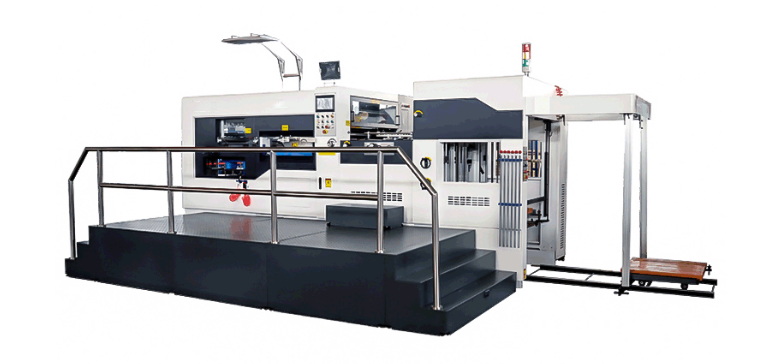
Flat die cutting machines serve as a backbone in converting processes where sheet materials must be cut, creased, or embossed with precision. Unlike rotary die cutters, flatbed machines use a stationary die to cut materials, which allows for thicker materials like corrugated cardboard and specialty plastics.
Their role is indispensable in increasing production rates while maintaining sharp, clean cuts—a guarantee for packaging manufacturers aiming to optimize cost-efficiency and product quality. Whether creating complex folds in a folding carton or cutting adhesive labels, flat die cutters offer the versatility and strength that manufacturers demand.
Japanese manufacturers have earned their esteemed reputation due to several distinctive advantages:
- Precision Engineering: Japanese flat die cutting machines are known for their tight tolerances, which ensure clean, consistent cuts even on intricate designs.
- Robust Build Quality: These machines feature heavy-duty construction, often employing premium materials such as hardened steel work tables and precision ball screws, making them resilient under high-volume production demands.
- Automation and Smart Control: Integration of servo motors, camera-based positioning, and user-friendly touch-panel interfaces enhances automation, reduces human error, and speeds up job changes.
- Safety and Usability: Operators benefit from ergonomic designs and advanced safety features without compromising operational ease.
- Adaptability: Machines are often customizable to address a wide range of material thicknesses, types, and finishing processes, ensuring the ability to meet evolving market requirements.
Sakamoto Zoki is recognized for its premium precision die cutting machines designed to meet the rigorous demands of modern industrial applications. Their machines typically feature a highly rigid 10mm steel work table that remains flat for many years, fostering consistent cutting depth and accuracy. Advanced servo motor controls allow fine height adjustment within a thousandth of a millimeter, essential for materials sensitive to pressure.
Their integrated camera registration systems support automatic product positioning and blanking, significantly reducing setup times and waste. Additionally, multi-language touch panels simplify operation for international users, making these machines ideal for OEM packaging manufacturers requiring high repeatability and quality consistency.
Founded in 1972, Sasayama is a respected manufacturing leader specializing in precision stamping dies and flat die cutting equipment. Their production incorporates advanced machining centers and includes automation through robotic cells, enabling standardized, repeatable quality that meets global automotive, electronics, and appliance industry standards.
Sasayama machines accommodate ultra-high tensile steels and difficult-to-cut materials, ensuring their tools serve clients with the most demanding specifications. Their scale of operation allows for comprehensive large-size die production, a critical factor for industrial OEM customers worldwide.
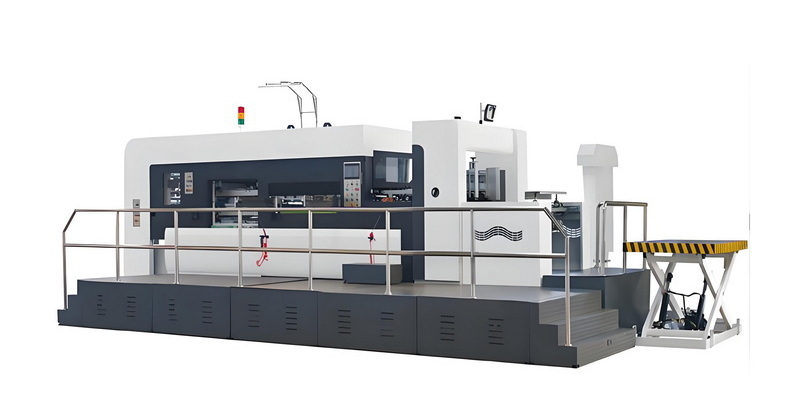
Sanwa's reputation in the flat die cutting industry spans over many decades with its reliable "Made in Japan" machines used internationally. Their 1060, 1150, and 1300 series machines cater to a variety of production needs, featuring fully automated platen cutting and creasing functions.
Sanwa machines distinguish themselves with structural robustness designed to maintain speed without loss of accuracy. Their ease of use, combined with extensive after-sales support, makes them favorites for businesses new to flat die cutting as well as those expanding production capacities.
Asahi excels in producing flat die cutting machines tailored for intricate and high-volume tasks such as label converting and specialty packaging. Their push-type synchro cutter model is notable for precision feeding and cutting, which is essential for products demanding fine detail and minimal distortion.
Automatic feeding and stripping options improve throughput and reduce labor costs—key factors for manufacturers working within tight production schedules. Asahi's machines handle a spectrum of materials from paper and corrugated stock to specialty films and nonwoven fabrics.
Akebono offers a range of flat die cutting machines catering to various customer needs, integrating both traditional Thompson blade and advanced pinnacle blade technologies. This versatility enables their machines to be deployed in industries requiring both conventional and cutting-edge flat die cutting solutions. Akebono machines are adaptable for diverse packaging designs, including rigid boxes and flexible folding cartons.
Operating in collaboration with Asahi, NANTAI manufactures high-speed and high-precision flat die cutting machines. These machines are capable of delivering output as high as 7,500 sheets per hour depending on the model, allowing flexibility between manual, semi-automatic, and fully automatic operations.
Their advanced mechanical and electronic components ensure consistent product quality and minimal downtime. NANTAI machines are also known for their modularity, which enables easy upgrades and integration of automation systems.
Japanese manufacturers are continuously pushing the boundaries of flat die cutting technology through:
- Temperature-Controlled Manufacturing environments to maintain dimensional stability in critical parts.
- Servo-driven automation that delivers positional accuracy and repeatability superior to mechanical cams.
- Intelligent HMI systems designed for easy adaptation to operator language preferences and training needs.
- Eco-conscious engineering focusing on energy savings and sustainability without compromising machine output.
The emphasis on R&D by these companies ensures their machinery remains competitive and aligned with future manufacturing trends such as Industry 4.0 and smart factories.
For international companies seeking flat die cutting machines, Japanese manufacturers provide comprehensive OEM services. This includes designing machines tailored to specific materials, end-product requirements, and production environments.
Global buyers should evaluate potential partners on:
- Their experience in exporting and supporting after-sales service worldwide.
- Available certifications and compliance with industry standards.
- Customization ability to meet size, speed, and materials specifications.
- Technical training and support infrastructure.
- Transparency in production processes and factory inspection options.
These considerations help ensure a smooth procurement process and long-term satisfaction with the flat die cutting equipment.
Japan's flat die cutting machine manufacturers and suppliers excel by combining meticulous craftsmanship, pioneering automation, and user-centered design. From Sakamoto Zoki's precision customization to Sasayama's highly automated production, these companies deliver machines that help businesses worldwide achieve superior cutting quality and operational efficiency. Their OEM service capabilities further position them as preferred partners for global brands aiming to enhance their packaging and converting expertise. Investing in Japanese flat die cutting technology means securing cutting-edge innovation backed by decades of engineering excellence.
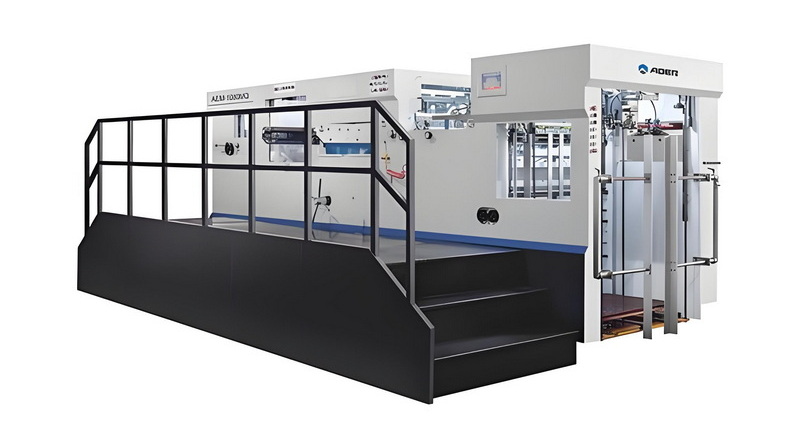
Japanese flat die cutting machines are renowned for their superior precision, durability, automation, and safety features. They feature advanced servo controls, camera-assisted positioning, and ergonomic user interfaces designed for international operators.
They are essential in packaging, automotive parts production, electronics, label converting, and other industrial sectors requiring precise cutting and creasing of thick or specialty materials.
Yes, many leading Japanese flat die cutting machine manufacturers offer tailored OEM solutions, customizing machines to meet specific client requirements in terms of size, speed, materials, and automation.
Buyers should review certifications, after-sales and technical support availability, customization flexibility, previous client references, and opportunities for factory inspection or virtual tours.
Companies often provide videos and virtual factory tours showcasing their machinery. Examples include demonstrations of the IWASAKI DC-250 flatbed die cutting machine and guided factory tours available on manufacturer websites and video platforms.


