
Views: 222 Author: Amanda Publish Time: 2025-09-25 Origin: Site


Content Menu
● Understanding Strapping Machines
● Preparing to Load the Strapping Machine
● Step-by-Step Guide to Loading a Strapping Machine
>> Step 1: Load the Strap Coil
>> Step 2: Thread the Strap Through the Machine
>> Step 3: Adjust Strap Tension
● Operating the Strapping Machine
● Safety Tips When Loading and Using a Strapping Machine
● Common Issues When Loading a Strapping Machine and How to Fix Them
● Maintenance for Strapping Machines
● FAQ
>> 1. How do I know if the strap coil is installed correctly?
>> 2. What types of strap materials are compatible with most strapping machines?
>> 3. How often should I adjust the strap tension?
>> 4. Can I use any strap coil on my strapping machine?
>> 5. What safety precautions should I follow?
A strapping machine is a vital tool for securing cartons, pallets, and packages during storage and transportation, especially for businesses like Hebei Ouye Carton Machinery Co., LTD. that specialize in carton packaging machinery and provide OEM services to international brands. Knowing how to correctly load and operate a strapping machine ensures efficiency, safety, and consistent packaging quality. This comprehensive guide explains how to load a strapping machine step-by-step, operational tips, safety instructions, and troubleshooting, designed to help users maximize their strapping machine performance.
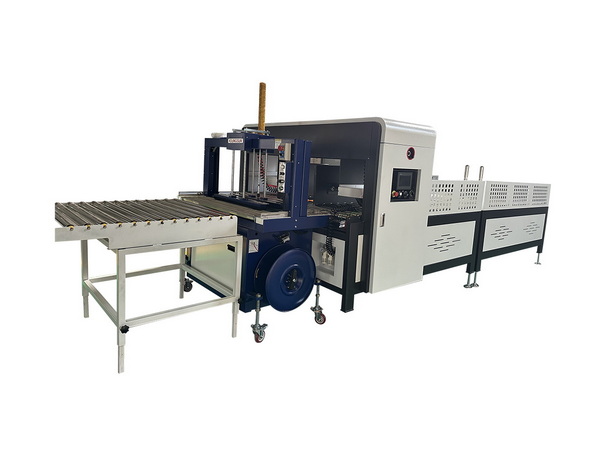
Strapping machines automate the process of binding packages with straps made from polypropylene (PP) or polyester (PET), providing firm and reliable securing that manual strapping cannot match in speed or consistency. There are three main types:
- Manual strapping machines: Require manual effort to tension and seal the strap.
- Semi-automatic strapping machines: Automate tensioning and sealing but require the operator to initiate the cycle.
- Fully automatic strapping machines: Complete the entire strapping cycle automatically without operator intervention.
Correctly loading the strapping material into the machine and operating it properly is fundamental to efficient packaging operations.
Before loading a strapping machine with strap coils, ensure:
- The machine is powered off and placed on a stable surface.
- The strap coil matches the machine specifications (width, thickness, and material — usually PP or PET).
- Work area is cleared for safety and easy access to the machine components.
1. Open the Strap Compartment
Open the machine's side or top cover where the strap coil is placed.
2. Remove the Reel Nut and Flange
Unscrew the locking nut and remove the outer flange from the reel shaft.
3. Place the Strap Coil on the Reel
Insert the new strap coil onto the reel shaft, making sure the strap roll's arrow indicates the correct unwinding direction (usually curl downwards).
4. Reattach the Flange and Nut
Replace the flange and tighten the locking nut snugly to secure the coil without over-tightening.
5. Cut the Strap End
Cut the loose strap end straight and prepare it for threading.
1. Feed the Strap
Guide the strap through the feed rollers, brake arms, and tensioners according to the machine's threading guides. Smooth and twist-free feeding is crucial.
2. Insert into Strap Track
Push the strap into the feed entrance until it reaches the feeding rollers or stops inside the machine.
3. Activate Automatic Feed
Turn on the automatic feed or strap feed switch to let the strap feed fully around the arch or path automatically.
4. Check Feed Confirmation
Most strapping machines have indicator lights (e.g., “Strap Feed Complete” light) confirming the strap has successfully fed through the machine.
- Use the tension adjustment knob or dial, usually located on the machine's side.
- Turning clockwise increases strap tension; turning counterclockwise lowers tension.
- Adjust gradually until the desired strap tightness is achieved on test packages.
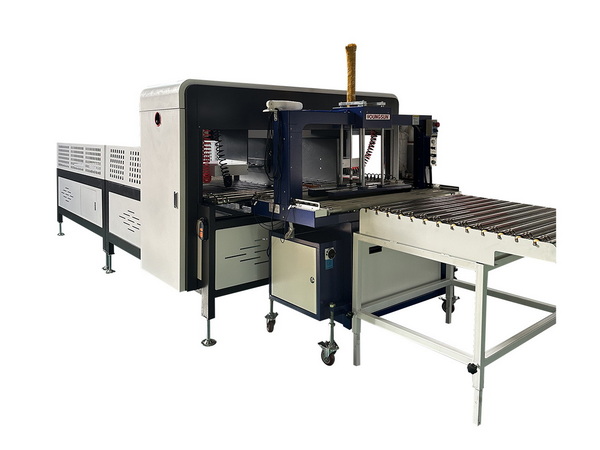
1. Place Package in Arch
Position the package or carton centrally in the strapping arch.
2. Start the Strapping Cycle
For semi-automatic machines, press the cycle start button or step on the foot pedal; for automatic machines, the cycle starts when the package triggers a sensor.
3. Machine Action
The machine feeds, tensions, seals (welds or uses a buckle), and cuts the strap automatically.
4. Remove Strapped Package
Once the cycle completes and the strap is secured, remove the package and repeat for the next item.
- Always disconnect power before loading the strap coil or performing maintenance.
- Wear protective gloves and eyewear to prevent injury from sharp strap edges or sudden strap tension.
- Keep fingers away from feeding and sealing areas during operation.
- Use the machine as per the manufacturer's safety instructions.
- Ensure strap coils are free from damage or defect before loading.
- Keep the work area clean and free from obstacles.
- Strap not feeding smoothly: Check for twists in the strap; re-thread strap with proper alignment.
- Strap feed light not illuminating: Confirm correct coil installation direction and check for power or sensor faults.
- Improper tensioning: Adjust the tension knob slowly to correct tension level.
- Strap jams: Inspect and clear any debris or damaged strap pieces in the feed rollers or tension area.
Regular maintenance ensures the longevity and reliability of your strapping machine:
- Clean the feeding rollers and sensor areas to remove dust and adhesive residue.
- Lubricate moving parts as per the manufacturer's recommendations.
- Regularly inspect electrical and pneumatic connections.
- Replace worn parts such as blades, rollers, and tension springs promptly.
Loading a strapping machine correctly is foundational to ensuring smooth operation, reducing downtime, and producing secure, professional packaging. By understanding the type of machine and following the preparation, loading, threading, and tension adjustment steps accurately, operators can maximize performance and safety. Maintenance and troubleshooting are crucial parts of extending your strapping machine's life and maintaining output quality. For businesses like Hebei Ouye Carton Machinery Co., LTD focusing on OEM services, mastering strapping machine operation enhances customer satisfaction through reliable, efficient packaging solutions.

The strap coil is installed correctly if it unwinds in the direction indicated by the rollout arrow on the coil packaging, typically “curl down” into the machine. The strap feed light usually confirms proper loading.
Polypropylene (PP) and polyester (PET) are the most common materials, with specific machine compatibility based on strap width and thickness.
Adjust the tension as needed for different package sizes and fragility. Start with lower tension for delicate items and increase for heavy or bulky loads.
No, use coils specified for your machine's model including correct width, thickness, and core dimensions to avoid jams or mechanical issues.
Always power off and unplug the machine before loading or maintenance, wear gloves and eye protection, and avoid placing hands near moving parts during operation.
[1](https://img.sigmaequipment.com/equipment-docs/45849/gp44-operation-manual.pdf)
[2](https://eastey.com/assets/uploads/support/user-guides/5001699%E2%80%93Eastey%E2%80%93EXS-100-Semi-Atomatic_Strapping_Machine%E2%80%93UG%E2%80%93RevA.pdf)
[3](https://www.cisco-eagle.com/uploads/Berran-Industrial-Group/Eagle-715RS-Strapping-Machine-Operations-Manual.pdf)
[4](https://verpackungssysteme.tech/wp-content/uploads/2024/03/DMS-750-Manual-A4.pdf)
[5](https://www.youtube.com/watch?v=-yx_B1yJ3IA)
[6](https://www.strappingmachines.com.au/pdfs/auto-strapping-machine-3-GPTP-601.pdf)
[7](https://www.rotek.at/produkte/pdf-aktuell/Verpackungsmaschinen/Strapping/PM-STR-FULLAUTO-A/PM-STR-FULLAUTO-A-Serie-Manual-en.pdf)
[8](https://www.slideshare.net/slideshow/strapping-machine-manual-16312187/16312187)
[9](https://usastrap.com/wp-content/uploads/P225_STL_11-97-P225-Full-Arch-Schematic.pdf)
[10](https://www.youtube.com/watch?v=werga_2nPXQ)


