
Views: 222 Author: Amanda Publish Time: 2025-09-22 Origin: Site


Content Menu
● Common Issues and How to Address Them
>> Strapping Machine Won't Start
>> Unusual or Loud Noise During Operation
● Maintenance Tips to Extend Machine Life
● Troubleshooting Additional Common Faults
>> Strap Does Not Feed Fully to the Tabletop
>> Machine Overheats or Emits Smoke
>> Machine Won't Release Strap After Sealing
● Frequently Asked Questions (FAQs)
>> 1. Why does my strapping machine stop working suddenly?
>> 2. What causes the strap to break frequently?
>> 3. How do I clear a jam in the strapping machine?
>> 4. How often should I perform maintenance on my strapping machine?
>> 5. Can I fix the cutting problem myself?
Strapping machines are essential equipment in packaging processes, widely used by manufacturers, wholesalers, and logistics companies to secure packages efficiently and reliably. However, like any industrial machinery, strapping machines can encounter various problems that interrupt their operation and impact productivity. This comprehensive guide is designed to help troubleshoot and fix the most common issues with strapping machines, keeping your production lines running smoothly and reducing costly downtime. By providing practical solutions and maintenance tips, this article aims to support OEM manufacturers and users to maximize the performance and longevity of their Strapping Machine.
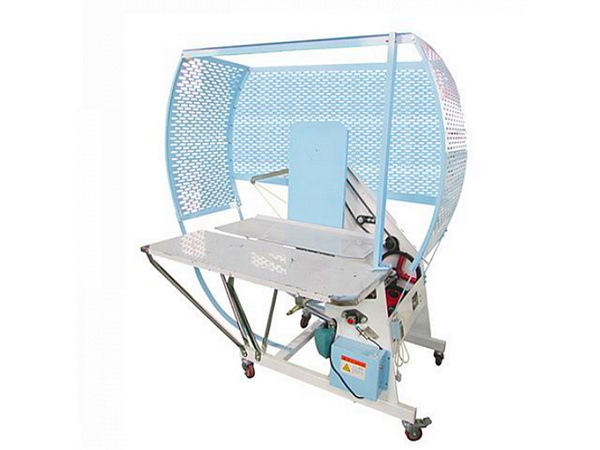
A common complaint is that the strapping machine does not power up or respond when switching on. Frequently, this issue can be traced to electrical problems such as blown fuses or disconnected power supply. To resolve this:
- Confirm that the machine's power switch and the wall socket switch are both turned on.
- Check the main fuse in the power supply cable and replace if blown. Many machines have an internal fuse near the motor timer; inspect and replace if necessary.
- Ensure the electrical outlet supplies power correctly using a voltage meter or by testing with another device.
- If electrical components are intact but the machine remains unresponsive, inspect or seek professional repair of internal motors or control circuits.
Frequent strap breakage is usually caused by excessive tension or incompatible strap material. To fix strap breaking issues:
- Reduce the tension via the machine's tension control knob to prevent overstretching.
- Ensure the strap quality meets the machine's specifications; low-quality, brittle, or incorrect-size straps are prone to breaking.
- Inspect and clean strap guides and rollers regularly, as sharp edges or debris spots can weaken or cut the strap.
Adjusting these parameters often prevents breakage and preserves both the strap and the machine mechanisms.
Jamming during strap feeding usually occurs in the feed or tension rollers due to debris accumulation, damaged parts, or improper threading. The following steps help clear jams:
- Power off the machine and carefully disassemble the roller assembly.
- Remove any debris, strap fragments, or dust from rollers, guides, and the feed path.
- Check for and replace any worn or broken feed rollers or grippers.
- Confirm that the strap is correctly threaded through all guides and rollers as per the manufacturer's instructions.
Proper cleaning and correct strap threading maintain smooth feeding operation.
After tensioning the strap, the machine's failure to cut the strap can be due to worn cutter blades or electrical issues affecting the cutting mechanism. To diagnose and fix the problem:
- Inspect the cutter blade for dullness or damage and replace if necessary to ensure clean cuts.
- Test electrical components such as solenoids and microswitches responsible for activating the cutter; replace faulty parts.
- Adjust the clearance between the welding clamp and end gripper to guarantee proper strap sealing and cutting.
- Ensure the reciprocating arm that drives the cutter moves freely without obstruction.
Noise can indicate mechanical malfunction or improper strap feeding. Common causes include:
- Strap feeding in the wrong direction, causing stress on rollers and gears.
- Malfunctioning tension sensors or brake levers failing to regulate strap feed.
- Dry or seized moving components needing lubrication.
- Debris obstructing mechanical parts, causing strain and noise.
Inspecting and servicing these areas can eliminate noise and protect the machine from damage.

Preventing breakdowns through regular maintenance is key for every strapping machine user, especially OEMs providing reliable packaging solutions. Recommended maintenance routines include:
- Daily cleaning: Wipe down strap paths, rollers, and sealing areas to remove dust and debris.
- Lubrication: Apply suitable lubricants to moving parts as directed in the machine's handbook.
- Wear parts replacement: Regularly check blades, grippers, and rollers for wear and replace proactively.
- Electrical checks: Test fuses, switches, and wiring periodically for integrity.
- Follow manufacturer guidelines closely for all servicing and adjustments to avoid voiding warranties and ensure safety.
Proper care minimizes unscheduled faults and maximizes operational uptime.
If the strap chute becomes blocked, it prevents strap threading through to the table, disrupting packaging flow. To fix:
- Turn off the machine and inspect the chute for blockages or tightened strap coils.
- Remove any obstruction, including twisted or crumpled strap material.
- Adjust the strap width settings and the quadrant strap width alignment to fit the strap size properly.
Ensuring a clear chute allows smooth strap feeding.
Smoke or overheating signals serious problems, possibly electrical or mechanical. Address this by:
- Checking and cleaning machine ventilation openings to ensure proper airflow.
- Verifying the cooling fan operation and replacing if failed.
- Inspecting for electrical short circuits or worn wiring that may cause excessive heat.
- Consulting professional service if smoke persists; continued operation under such conditions risks serious damage and fire.
This usually results from incomplete operation of gripper bars or pressure blocks that clamp the strap. Solutions include:
- Pressing the re-set control button to return grippers to their default position.
- Checking for broken or worn springs that allow gripper release and replacing as needed.
- Lubricating parts to facilitate smooth operation.
This helps ensure the strap releases cleanly and cycles to the next operation.
The Strapping Machine is a vital tool in modern packaging operations, but like all machinery, it requires regular attention and careful troubleshooting to keep it functioning optimally. Common issues such as failure to start, strap breakage, feed jams, cutting malfunctions, and unusual noises can often be resolved by following systematic diagnostic and repair procedures outlined in this guide. Adhering to recommended maintenance routines further enhances the machine's reliability, reducing downtime and optimizing workflow efficiency. For complex electrical or mechanical failures beyond routine fixes, seeking professional engineering support is advisable to prevent prolonged interruptions. By understanding and addressing these challenges proactively, users can ensure their strapping machines continue to deliver secure, consistent package bundling for years to come.

The most common cause is electrical failure such as blown fuses or power interruptions. Always check the machine and wall power switches, fuse integrity, and ensure the power supply is stable before proceeding to mechanical checks.
Excessive tension settings or the use of incompatible or poor-quality straps usually cause strap breakage. Adjusting tension controls and ensuring correct strap specifications typically resolve this problem.
With the machine powered off, disassemble tension and feed rollers as per the manual, remove any debris or damaged strap pieces, clean the components thoroughly, and re-thread the strap correctly to clear blockages.
Daily cleaning and inspections, along with regular lubrication and timely replacement of worn parts, are recommended to prevent operational faults and extend machine lifespan.
Replacing dull cutter blades is a common DIY fix. However, if the issue involves electrical components such as solenoids, it is best to seek assistance from trained technicians to avoid further damage.


