
Views: 222 Author: Amanda Publish Time: 2025-10-03 Origin: Site


Content Menu
● Introduction to Box Strapping Machines
● How Box Strapping Machines Work
● Types of Box Strapping Machines
>> Semi-Automatic Box Strapping Machines
>> Fully Automatic Box Strapping Machines
>> Specialized Strapping Machines
● Technical Specifications of Box Strapping Machines
● Features and Benefits of Using Strapping Machines
>> Increased Throughput and Efficiency
>> Consistent and Reliable Strapping
>> Versatility and Adaptability
● Industrial Applications of Box Strapping Machines
● Choosing the Right Box Strapping Machine
● Integration with Smart Factory Systems
● Maintenance and Safety Guidelines
● Frequently Asked Questions (FAQ)
>> 1. What types of straps are commonly used in box strapping machines?
>> 2. Can these machines accommodate different box sizes?
>> 3. What distinguishes a semi-automatic from a fully automatic strapping machine?
>> 4. How often should maintenance be performed on strapping machines?
>> 5. Are box strapping machines safe for operators?
In the highly competitive packaging and shipping industry, ensuring that products are securely packed for transport and storage is critical. A box strapping machine is a versatile and essential packaging equipment that provides a reliable way to bundle, seal, and reinforce boxes, cartons, or other packages by wrapping a strong plastic strap around them. This technology not only streamlines the packaging process but also guarantees product safety during handling and logistics.
This article offers an in-depth exploration of box strapping machines, focusing on their design, function, types, benefits, and industrial applications. It also covers key considerations when choosing a machine, their integration into smart factory systems, maintenance tips, and answers frequently asked questions about strapping machines, providing valuable insights for manufacturers, wholesalers, and brands worldwide.
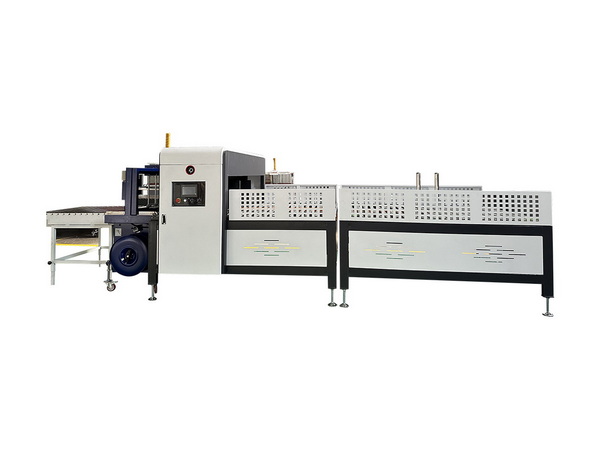
A box strapping machine is designed to wrap, tension, and seal plastic straps around boxes or bundles to keep packages secure. The straps typically come in polypropylene (PP) or polyester (PET), both of which offer excellent strength and flexibility. By firmly locking the strap around a package, the machine ensures that the contents stay intact and protected from shifting or damage during transport.
Historically, manual strapping was labor-intensive and inconsistent. The advent of box strapping machines means jobs that once took minutes now take seconds, with consistent tension and sealing quality. This results in higher productivity, cost savings, and improved worker safety.
The operation of a box strapping machine is systematic and efficient. Here are the basic steps:
1. Strap Feeding: A plastic strap is either manually or automatically fed around the package.
2. Tensioning: The machine tightens the strap to the preset tension level to secure the box firmly without crushing it.
3. Sealing: The two ends of the strap are sealed using heat, friction, or metal clips, ensuring the strap's integrity and preventing loosening.
4. Cutting: Excess strap is cut away, preparing the machine for the next cycle.
This entire process can be semi-automatic or fully automatic depending on the machine type. Strapping speed can be as fast as 1.5 to 2.5 seconds per strap in automated models, making it suitable for high-volume packaging lines.
Semi-automatic machines require an operator to place the strap or package manually, then the machine handles tightening, sealing, and cutting automatically. These machines usually operate with strap widths between 6mm and 15mm and can apply a tension of around 15-50 kg, suitable for a wide range of boxes and loads. They are known for their portability and energy efficiency, often weighing between 70 to 100 kg. Semi-automatic machines are best for small to medium volume operations or businesses starting to automate.
Fully automatic machines operate with minimal human intervention. Packages are conveyed into the machine, and the strapping loop, tightening, sealing, and cutting happen automatically. These machines are suitable for large-scale operations demanding high speed and continuous functioning. They handle wider strap sizes and can provide consistent tension, with capacities to strap dozens of packages per minute.
- Carton Strapping Machines for reinforcing fragile boxes.
- Pallet Strapping Machines designed to strap heavy or irregularly shaped pallets.
- Banding Machines often used in food and beverage industries for bundling.
- Heavy-Duty Machines for materials like steel rods or wooden crates.
Each type caters to specific packaging requirements, optimizing safety and efficiency.
Typical semi-automatic machines have specifications such as:
- Power Supply: 1 Phase, 220-240V AC
- Strap Width: Adjustable, commonly 6mm to 15mm
- Strapping Tension: Adjustable, ranging from 15 kg to 50 kg
- Speed: Approximately 2 to 2.5 seconds per strap
- Machine Weight: Ranges from 70 to 100 kg
- Machine Dimensions: Compact footprints around 900 mm length x 600 mm width x 750-800 mm height
Fully automatic machines are larger and more powerful:
- Power Supply: 3 Phase, 380V AC with higher power consumption
- Strap Width: Often 9mm to 16mm
- Strapping Speed: Can achieve up to 20-26 straps per minute
- Machine Weight: Heavier, exceeding 200 kg
- Machine Size: Larger to accommodate conveyors and automatic feeding.
Features commonly include electronic tension control, auto power-off to save energy, sensor-based cutting, and programmable tension settings.
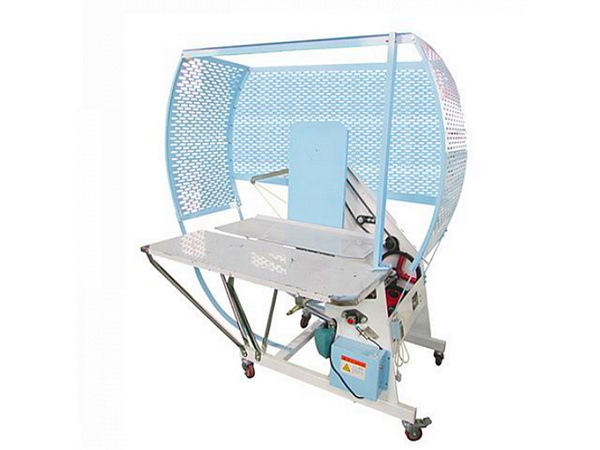
Strapping machines significantly reduce packaging time compared to manual methods. With cycle times as fast as 2 seconds per box, they enable high-volume packaging without bottlenecks.
Machines ensure uniform strap tension and strong, consistent seals, reducing the risk of package failure during transportation. This improves overall product safety and customer satisfaction.
Automating strapping minimizes labor requirements and reduces strap waste through precise length control, lowering operational expenses.
By automating repetitive, strenuous manual strapping tasks, these machines help prevent common injuries such as hand strain or cuts.
Adjustable tension and strap width accommodate a diverse range of package sizes and materials, making them suitable for multiple industries.
Box strapping machines are indispensable across various sectors, including:
- Manufacturing: For bundling finished goods and parts securely.
- E-Commerce and Retail: Packing a high volume of cartons for shipment.
- Logistics and Warehousing: Securing pallets or boxes for distribution.
- Food and Beverage: Sealing cartons to maintain integrity and hygiene.
- Pharmaceuticals: Providing secure sealing for tamper evident packaging.
- Construction and Heavy Industry: Bundling heavy or irregular products such as bricks, steel bars, and lumber.
By securing packages efficiently, strapping machines help protect products and optimize supply chain flow.
Key factors to consider when selecting a strapping machine include:
- Strap Type and Width: Ensure the machine supports the required strap material and size for the products.
- Volume and Speed Requirements: Match machine throughput with production volume.
- Package Size Compatibility: Check minimum and maximum package sizes the machine can handle.
- Automation Level: Decide between manual, semi-automatic, or fully automatic based on operation scale.
- Machine Footprint and Integration: Consider space and compatibility with conveyors or other packaging machinery.
- Service and Maintenance: Look for machines with good technical support and easy spare parts availability.
Proper selection leads to operational efficiency and cost savings.
Modern box strapping machines increasingly support integration into digitalized smart factory environments. Industry 4.0 features such as programmable logic controllers (PLC), sensors, and IoT connectivity enable real-time monitoring, diagnostics, and data collection. This integration optimizes resource use, streamlines workflows, and facilitates preventive maintenance.
Regular and proactive maintenance ensures machine longevity:
- Clean the machine daily to avoid strap debris buildup.
- Lubricate moving parts as recommended.
- Periodically check electrical components and sensors.
- Train operators on correct usage and emergency protocols.
- Ensure all safety guards and emergency stops are functional.
Following these steps helps avoid breakdowns and promotes workplace safety.
Box strapping machines are vital tools in industrial packaging, offering speed, reliability, and efficiency unmatched by manual methods. Whether opting for semi-automatic models suitable for small-medium enterprises or fully automatic machines for large-scale production, investing in the right strapping machine enhances package security, reduces labor costs, and increases throughput. Integration with modern smart factory systems further unlocks operational intelligence and predictive maintenance capabilities, making box strapping machines a cornerstone of contemporary packaging solutions.
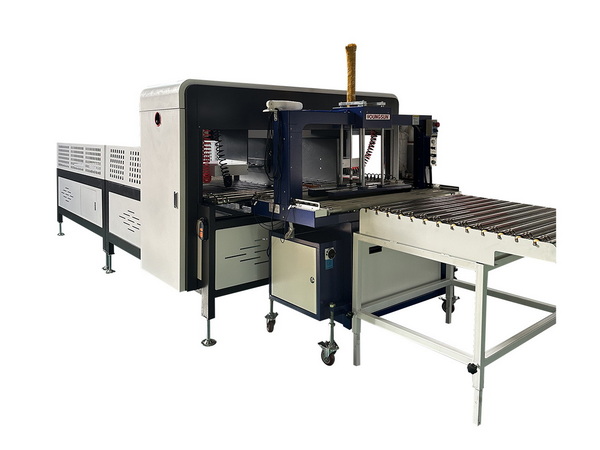
The most common strap materials are polypropylene (PP) and polyester (PET). PP straps are lightweight and economical, ideal for many general packaging applications, while PET straps provide higher strength for heavier loads.
Yes, box strapping machines usually feature adjustable strap tension and guide settings, allowing them to handle a wide variety of box dimensions and weights.
Semi-automatic machines need an operator to position the strap around the box manually, whereas fully automatic machines perform the entire process without human intervention, often integrated with conveyors and sensors.
Maintenance varies by usage but generally includes daily cleaning, regular lubrication, and scheduled part inspections or replacements according to manufacturer guidelines to ensure optimal function.
When operated according to safety instructions with proper training, box strapping machines are safe and reduce the physical strain and injury risks linked to manual strapping.
[1](https://www.globalpackindia.com/products/strapping-machine/semi-automatic-strapping-machine/kh-90/)
[2](https://www.shrinkingmachine.com/box-strapping-machine.html)
[3](https://nidoworld.com/mechanization/end-of-line-packing/strapping-machines/semi-automatic-box-strapping/)
[4](https://www.sepackindia.com/strapping-machines.html)
[5](https://mkp.gem.gov.in/catalog_data/catalog_support_document/buyer_documents/12299727/54/78/703/CatalogAttrs/SpecificationDocument/2025/8/10/automatic_box_strapping_machine_specs_2025-08-10-21-49-56_a306aa6c3ce2cb46f084f60700ee3a7d.pdf)
[6](https://www.directindustry.com/industrial-manufacturer/cardboard-box-strapping-machine-102920.html)
[7](https://www.packway.com/strapping-machine)
[8](https://www.rpipack.com/fully-auto-box-strapping-machine-1581703.html)
[9](https://www.hanjiepack.com/products-show/box-strapping-machine-banding-machine.html)
[10](https://www.joinpackstrapping.com/semiautomatic-strapping-machines.html)


