
Views: 222 Author: Amanda Publish Time: 2025-10-03 Origin: Site


Content Menu
● What Is a Strapping Machine and Why Is It Important?
>> Types of Strapping Machines
● Common Issues with Strapping Machines
● Strapping Machine Repair Services Near Ontario, California
>> Local Repair Shops and Service Centers
>> OEM Support and Authorized Service Providers
● How to Choose the Best Repair Service for Your Strapping Machine
● Preventive Maintenance Tips for Strapping Machines
● Advanced Troubleshooting and Repair Tips
● Benefits of OEM Strapping Machine Manufacturing and Service
>> Key Advantages of Choosing OEM Machines and Services
● Integration of Smart Technologies in Strapping Machines
● Environmental Considerations of Using Strapping Machines
● Frequently Asked Questions (FAQ)
>> 1. What is the average cost to repair a strapping machine near Ontario, California?
>> 2. How often should strapping machines be maintained?
>> 3. Can I repair a strapping machine on my own?
>> 4. What type of straps are used in strapping machines?
>> 5. Is it better to buy a new machine or repair the strapping machine?
Strapping machines are vital equipment in packaging industries, providing secure bundling of products for shipping and storage. If you're searching for reliable repair services for your strapping machine near Ontario, California, this comprehensive guide is designed to help. Whether you own a strapping machineused in a warehouse, manufacturing plant, or distribution center, understanding repair options, maintenance tips, and finding expert technicians locally can save your business from costly downtime.
In this article, we will cover everything from common strapping machine issues, where to find trusted repair services near Ontario, California, preventive maintenance, and how to choose the right professionals for your OEM needs.
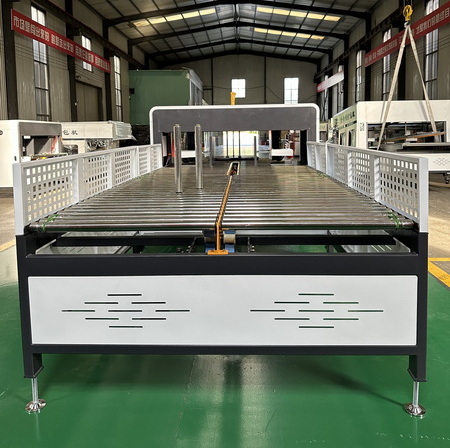
Strapping machines are mechanical devices used to bundle boxes or products together using straps made of plastic, polyester, or metal. They are widely used in logistics, manufacturing, and wholesale sectors for securing goods safely during transit.
- Manual Strapping Machines: Require operator effort to tension and seal straps.
- Semi-automatic Strapping Machines: Mechanize the tensioning and sealing but need manual strap threading.
- Fully Automatic Strapping Machines: Ideal for high-volume packaging lines with automatic feeding, tensioning, and sealing.
Each type serves different business needs. Manual machines suit low volume or irregular packaging jobs, semi-automatic machines balance efficiency and cost, while fully automatic machines maximize throughput in large-scale operations.
Like any mechanical device, strapping machines can experience wear and tear or malfunction due to continuous use. Common problems include:
- Strap feed jams or misfeeds that halt operation
- Inconsistent strap tension leading to loose or overly tight bundles
- Improper sealing causing straps to come undone
- Electrical failures preventing machine startup or operation
- Worn-out cutters or sealing elements unable to function properly
- Motor and drive system malfunctions reducing machine performance
Such challenges can interrupt packaging productivity and cause delays. Understanding these problems helps business owners communicate effectively with repair technicians and manage maintenance schedules better.
Most strapping machines operate through a sequence of mechanical and electrical processes to tension, seal, and cut the strapping material:
1. Feeding the Strap: The machine pulls the strap around the package.
2. Tensioning: A motorized wheel tightens the strap to the desired tension.
3. Sealing: Heat, friction, or metal clips seal the strap ends.
4. Cutting: A blade trims excess strap, allowing the machine to cycle again.
Any failure in these stages can cause packaging defects and slow operations.
Ontario and the Greater Los Angeles area have many industrial service providers offering strapping machine repair. Here's how to find the right shop or technician:
Numerous local companies specialize in industrial machinery repair and service strapping machines of popular brands. These service centers often provide diagnostics, parts replacement, and onsite repairs.
Mobile technicians can come directly to your location, minimizing downtime. They handle common repairs, preventive maintenance, and emergency support.
For complex mechanical or electrical repairs, contacting the original equipment manufacturer (OEM) or authorized service providers is recommended. They have genuine parts and expert knowledge tailored for specific models.
Hiring the right technician is crucial to ensure quality repairs and minimal disruption. Consider these factors:
- Experience and expertise in strapping machine repair
- Availability of genuine OEM parts
- Response time and emergency repair services
- Positive customer reviews and testimonials
- Comprehensive maintenance contracts offered
In addition, request technicians to provide detailed diagnostics reports and transparent pricing before starting repairs. This helps avoid unexpected costs and ensures trust.
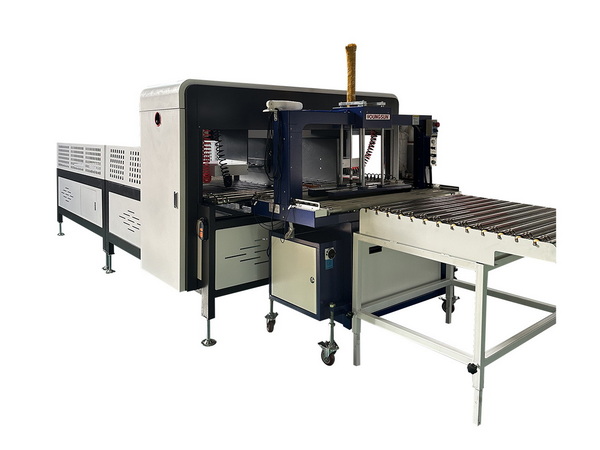
To extend the lifespan of your strapping machines and reduce repair needs:
- Regularly clean dirt and debris from machine parts to avoid jams.
- Lubricate moving components according to manufacturer guidelines to reduce wear.
- Inspect strap feed rollers and cutters for signs of damage or dullness.
- Check and adjust strap tension settings frequently to maintain packaging quality.
- Train operators on proper machine use, strap loading, and basic troubleshooting.
- Schedule professional inspections periodically, even if no issues are apparent.
Adhering to regular preventive maintenance improves machine efficiency, reduces emergency repairs, and lowers long-term costs.
For those with technical expertise or interested in managing minor repairs internally, here are extended troubleshooting tips:
- Check for twisted or blocked strap coils.
- Clean stray debris or material residues inside the feed pathway.
- Verify strap type and size compatibility with your machine.
- Inspect the tension wheel and motor operation.
- Replace worn tension springs or belts.
- Calibrate tension control settings following manual instructions.
- Clean or replace worn sealing pads or heating elements.
- Ensure power supply to the sealing unit is stable.
- For friction-based seals, check friction wheel conditions.
- Inspect wiring connections and fuses.
- Use multimeters to test motor coils or sensors.
- Replace damaged switches or control boards.
Attempting extensive electrical or mechanical repairs without proper knowledge can be hazardous, so always consider professional assistance for obvious safety risks.
As a leading factory specializing in packaging machinery, Hebei Ouye Carton Machinery Co., LTD. offers customized OEM strapping machines designed for durability and efficiency. With years of experience, the company serves international brands, wholesalers, and manufacturers with tailored machinery, spare parts, and after-sale support.
- Machines designed specifically for your packaging process, enhancing productivity.
- Use of high-quality materials and components reduces breakdown frequency.
- Access to original replacement parts guaranteed to fit and function properly.
- Expert technical support from engineers familiar with your machine model.
- Enhanced warranty coverage and maintenance service packages.
Collaborating with trusted OEM factories like Hebei Ouye Carton Machinery ensures your investment in strapping machines yields maximum returns and consistent operational performance.
Recent advancements in Industry 4.0 have seen smart features integrated into strapping machines:
- Automation Controls for seamless operation in high-speed packaging lines.
- Sensors and Diagnostics to monitor strap tension, sealing quality, and machine status in real-time.
- IoT Connectivity enabling remote monitoring and predictive maintenance alerts.
- Energy-saving Motors reducing power consumption without sacrificing performance.
Businesses near Ontario, California, can benefit from suppliers offering these modern machines to upgrade their packaging efficiency and streamline repair needs through proactive maintenance.
Sustainability is becoming increasingly important in packaging. Strapping machines contribute by:
- Using recyclable polypropylene or polyester straps.
- Minimizing strap waste with precise tensioning and cutting.
- Supporting reusable strap systems.
Choosing machines and straps designed for eco-friendliness can enhance your company's environmental responsibility and reduce overall packaging costs.
Finding a skilled and responsive strapping machine repair service near Ontario, California, is essential for any business relying on secure packaging. Regular preventive maintenance paired with expert repairs ensures your strapping machines operate efficiently, lowering your overall costs and production downtime. Consider trusted local service centers, mobile repair technicians, and OEM support to meet your specific needs. Leveraging OEM partnerships such as with Hebei Ouye Carton Machinery Co., LTD. can further guarantee quality machinery and repair services for your packaging operations. Upgrading to modern, smart, and eco-friendly strapping machines can also boost your packaging line's performance and reduce long-term maintenance challenges.

Repair costs vary based on the issue's complexity but typically range from $150 to $600 if parts replacement is necessary. Minor fixes and routine maintenance may be less expensive.
Ideally, strapping machines should be maintained monthly or after a specified number of cycles as recommended by the manufacturer to avoid unexpected breakdowns.
Basic troubleshooting and cleaning can be done by trained operators, but mechanical or electrical repairs should be performed by qualified technicians to avoid damage.
Most machines use polypropylene (PP), polyester (PET), or steel straps depending on the application and load type.
If repair costs are high and the machine frequently breaks down, investing in a new machine with updated technology may be more cost-effective.


