
Views: 222 Author: Amanda Publish Time: 2025-10-03 Origin: Site


Content Menu
● Understanding Strapping Machines
>> Types of Strapping Machines
● How to Choose the Right Strapping Machine
>> Production Volume and Speed
>> Budget and Return on Investment
>> Integration with Existing Packaging Lines
● Detailed Overview of Strapping Machine Models
>> Automatic Strapping Machines
>> Battery-Powered Strapping Tools
>> Tabletop Strapping Machines
>> Arch/Loop Strapping Machines
● Advantages of Using Strapping Machines
● Maintenance Tips for Strapping Machines
● Frequently Asked Questions (FAQ)
>> 1. What types of straps can be used with strapping machines?
>> 2. What is the difference between semi-automatic and automatic strapping machines?
>> 3. How do I maintain my strapping machine for the best performance?
>> 4. Can strapping machines integrate with my existing packaging line?
>> 5. How do I choose the right strapping machine for my packaging volume?
Strapping machines are essential tools in packaging, used to secure products for transit, storage, and handling. Choosing the right strapping machinecan significantly improve packaging efficiency, reduce labor costs, and ensure product safety. As a leading smart factory specializing in carton packaging machinery design and manufacturing, Hebei Ouye Carton Machinery Co., LTD. offers customized OEM strapping machine solutions tailored specifically for international brands, wholesalers, and manufacturers. This comprehensive guide will help you identify the best strapping machine for your needs, covering different types, key features, applications, and maintenance tips.

A strapping machine automates the process of binding packages with straps made of materials like polypropylene (PP), polyester (PET), or steel. Straps hold cartons, pallets, or other goods securely, preventing shifting or damage during transport.
Strapping machines are widely used across many industries such as logistics, manufacturing, food and beverage, pharmaceuticals, and electronics. By automating the strapping process, businesses can enhance packaging consistency, speed, and safety.
Each strapping machine type caters to different operational requirements, including speed, package size, automation level, and budget:
- Manual Strapping Machines
Ideal for small-scale operations or occasional use. Operators manually feed, tension, and seal the strap using tools such as tensioners and sealers. These machines are economical and flexible but rely heavily on skilled labor.
- Semi-Automatic Strapping Machines
These machines automate the tensioning and sealing process but require the operator to place the strap around the package and trigger the cycle. Semi-automatic machines strike a balance between cost and efficiency and are widely used in medium-sized packaging operations.
- Automatic Strapping Machines
Fully automate the strapping process, closing the strap and sealing it automatically as packages pass through the machine or are fed via conveyor systems. These machines are perfect for high-volume or fast-paced production lines and help reduce labor and increase throughput.
- Battery-Powered Strapping Tools
Portable and flexible, these tools are cordless and ideal for strapping large or awkwardly shaped items where a stationary machine is not feasible.
- Tabletop Strapping Machines
Compact machines mounted on a table, suitable for binding small, lightweight packages quickly and efficiently in a limited workspace.
- Arch/Loop Strapping Machines
These machines use an arch or loop design to strap around pallets or grouped packages, fastening them securely for handling and shipping.
Understanding strap materials helps in selecting the correct machine since different machines are compatible with different materials:
- Polypropylene (PP): The most commonly used strap, suitable for light to medium loads. It is cost-effective and works well with most semi-automatic and automatic strapping machines.
- Polyester (PET): Stronger and more durable than PP, PET straps are used where higher tension and UV resistance are required, such as for outdoor storage or heavy loads.
- Steel Straps: Extremely strong for securing very heavy loads but require specialized steel strapping machines with enhanced tensioning and sealing capacities.
Besides the strap materials, widths generally range from 9 mm to 19 mm, with thickness and tensile strength tailored to package requirements.
Selecting the best strapping machine for your business depends on many operational factors. Here we explore the most critical considerations:
The size and weight of the items you plan to strap heavily influence the type of strapping machine you require:
- For small and medium cartons or bundles, tabletop or semi-automatic strapping machines are typically sufficient.
- For large, bulky packages or pallets, arch strapping machines or fully automatic solutions are necessary to handle heavier loads efficiently.
- Extremely heavy or industrial goods may require steel strapping machines specialized for such applications.
- Businesses with low strapping demands often prefer manual or battery-powered strapping tools for their flexibility.
- For medium-level production, semi-automatic machines can handle moderate throughput and offer reasonable automation benefits.
- High-volume operations benefit most from automatic strapping machines, which can keep pace with fast-moving production lines and reduce labor costs.
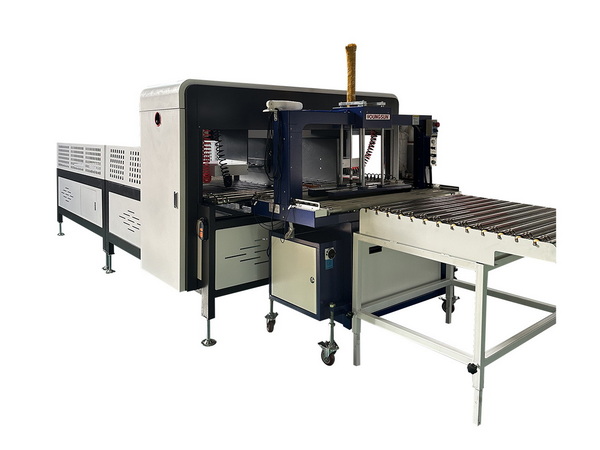
Verify that the strapping machine supports the strap material your products require — PP, PET, or steel. Using a machine incompatible with your strap can cause jamming, insufficient tension, or weak seals that compromise package integrity.
Your initial investment in a strapping machine should be balanced against operational savings:
- Manual and semi-automatic machines are more affordable but require more labor.
- Fully automatic machines cost more upfront but deliver significant labor savings and increased speed, improving your overall ROI.
- Factor in maintenance and consumable costs such as strap rolls and replacement parts.
If you already have conveyor systems or automated packing processes, choosing strapping machines that can easily integrate with these systems will enhance workflow efficiency and reduce downtime.
Manual machines offer portability, low cost, and simplicity. They are perfect for operations with intermittent strapping needs or low volume. Operators manually position the strap around the package, then use a tensioner and sealer tool combination to tighten and secure the strap.
Primary uses include small warehouses, retail, and small production lines.
These machines automate the sealing and tensioning after the operator places the strap around the package and presses a button or foot pedal. They provide faster cycle times and reduce operator fatigue compared to manual methods.
Semi-automatic machines commonly serve distribution centers, medium-scale packaging plants, and e-commerce operations.
By fully automating the strapping process, these machines dramatically improve throughput. They detect packages via sensors, feed the strap around them, tighten, seal, and cut it without manual intervention. They often sync with conveyor belts, enabling continuous operation.
Ideal environments include large manufacturing plants and high-speed packaging lines.
Cordless and lightweight, these tools offer mobility and ease of use in environments where fixed machines are impractical. They run on rechargeable batteries and offer adjustable tension settings.
These tools are frequently used in construction sites, outdoor storage, and large warehouse operations.
Compact in design, tabletop machines occupy minimal footprint but deliver efficient strapping of small and lightweight boxes or bundles. They are popular in office packaging zones, small assembly points, and craft packaging.
These units strapping large palletized loads by forming a strap loop around multiple tightly packed boxes or items on a pallet. They maintain package integrity during transport and storage.
They are prominent in logistics centers, wholesale warehouses, and heavy industry packaging lines.
Using the right strapping machine provides multiple benefits including:
- Increased Productivity: Automating the strapping operation reduces manual labor and cycles time.
- Consistent Strap Tensioning: Machines maintain uniform strap tension, preventing package damage or strap slippage.
- Labor Cost Reduction: Automation reduces the need for manual labor, lowering overall packaging costs.
- Improved Safety: Minimizes worker strain and accidents related to repetitive manual strapping tasks.
- Material Savings: Efficient sealing systems cut down on strap wastage.
OEM services allow manufacturers to tailor machines to specific production demands, integrating features such as digital tension control, multiple strap sizes, and customizable cycle parameters.
Proper maintenance ensures reliability and extends machine lifespan. Some key tips include:
- Regular Cleaning: Remove dust, debris, and strap fragments daily to prevent jams.
- Lubrication: Apply lubricant to moving parts according to manufacturer guidelines to avoid wear.
- Component Inspection: Check and replace worn sealing elements, tensioners, or rollers promptly.
- Operator Training: Educate staff on correct operation and troubleshooting to reduce misuse.
- Scheduled Professional Servicing: Have machines inspected by professionals regularly to detect early signs of malfunctions.
Effective maintenance reduces machine downtime, ensuring smooth operations.
Choosing the right strapping machine is vital for optimizing your packaging processes, reducing costs, and ensuring product safety during transport. Whether you need a manual, semi-automatic, or fully automatic strapping machine, understanding your packaging volume, product size, strap type, and budget will guide you to the ideal solution. At Hebei Ouye Carton Machinery Co., LTD., we specialize in designing and manufacturing customizable strapping machines tailored to your unique requirements, providing OEM services to meet international standards and specifications. Investing in the right strapping machine will improve your packaging operation efficiency and contribute to the overall success of your supply chain.
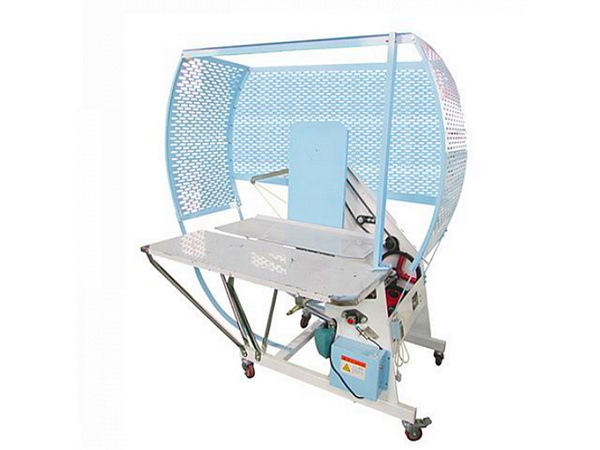
Most machines support polypropylene (PP) and polyester (PET) straps, while steel strapping requires specific steel strap machines designed for heavy loads.
Semi-automatic machines require manual placement of the strap and starting the strapping cycle, while automatic machines perform the entire strapping process automatically upon package detection.
Keep the machine clean and lubricated, replace worn parts promptly, ensure proper operator training, and arrange regular professional servicing.
Yes, most automatic and some semi-automatic strapping machines are designed to integrate seamlessly with conveyor systems and other packaging line equipment.
For low volume, manual or battery-powered tools are sufficient; medium volume generally requires semi-automatic machines; high-volume packaging benefits most from fully automatic strapping machines.


