
Views: 222 Author: Amanda Publish Time: 2025-09-22 Origin: Site


Content Menu
● Understanding Hand Grade and Machine Grade Strapping
● Overview of Pneumatic Strapping Machines
● Compatibility of Hand Grade Strapping with Pneumatic Strapping Machines
● Advantages of Pneumatic Strapping Machines
● Best Practices for Selecting Strapping Materials and Machines
● FAQ
>> 1. Can I use hand grade strapping on all pneumatic strapping machines?
>> 2. What is the difference between hand grade and machine grade strapping?
>> 3. What strap materials do pneumatic strapping machines typically support?
>> 4. How does a pneumatic strapping machine seal the strap?
>> 5. Are pneumatic strapping machines portable?
Strapping machines revolutionize packaging by securely fastening products, bundles, or pallets with strapping materials. These machines come in various forms—manual, semi-automatic, fully automatic, and pneumatic—each suited for particular packaging needs. The strapping materials themselves are primarily categorized as hand grade or machine grade, each formulated for different machines and applications.
This article examines whether hand grade strapping can be effectively used with pneumatic Strapping Machines. It explains the differences between hand grade and machine grade strapping, delves into pneumatic strapping machine operation, and offers practical guidance for choosing the right strapping materials and machines. The goal is to help packaging professionals and manufacturers, including smart factories like Hebei Ouye Carton Machinery Co., LTD, provide optimal OEM solutions to foreign brand owners, wholesalers, and producers.
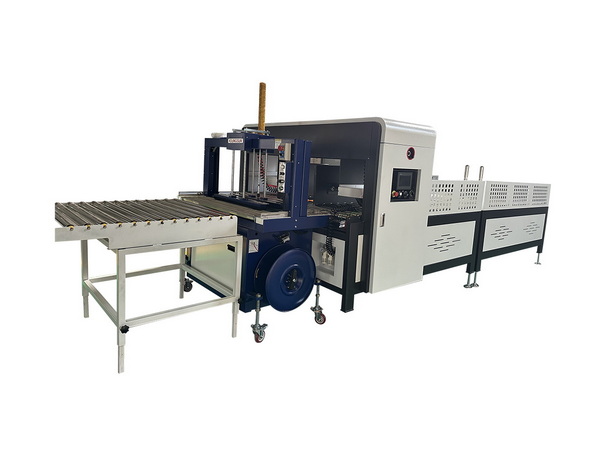
Strapping material is vital for securing packages, but its type must align with the application and machinery used.
Hand Grade Strapping is a heavier, thicker polypropylene (PP) strap primarily intended for manual use. It is less flexible and commonly supplied in shorter rolls. Its construction is optimized to withstand manual tensioning and sealing, usually with hand tools or pneumatic hand strapping tools that assist with tensioning using compressed air. This strapping is ideal for small to medium-sized loads, offering durability when the packaging volume or automation level does not justify machine grade straps.
Machine Grade Strapping, by contrast, is specifically engineered for automatic or semi-automatic strapping machines. It tends to be thinner and more flexible, enabling smooth feeding and tensioning inside high-speed machinery. Machine grade straps are available in longer rolls and can bear the heavy-duty demands of rapid, repetitive strapping tasks without breaking or jamming. This strapping is preferred for consistent, high-volume industrial packaging due to its ability to perform under mechanical tensioning and sealing.
The choice between these strapping grades fundamentally depends on the equipment used and the packaging environment.
Pneumatic strapping machines leverage compressed air as their power source to perform tensioning, sealing, and cutting of strapping material. Unlike purely manual tools or electric battery-operated strapping machines, pneumatic models combine powerful air pressure with controlled operation for industrial robustness.
These machines are prevalent in warehouses and manufacturing plants due to several advantages:
- Strong and adjustable tensioning: Capable of applying tension up to thousands of newtons, ensuring heavy loads such as steel pipes, timber bundles, and dense cartons remain tightly secured.
- Friction weld sealing: Pneumatic strapping machines typically use friction welding rather than metal seals, creating strong, clean seals without additional hardware.
- Portability and ease of handling: Many pneumatic tools are handheld, lightweight, and ergonomically designed for ease of use across different locations in a facility.
- Versatility: Compatible mainly with polypropylene (PP) and polyester (PET) straps, with widths generally between 13mm and 19mm. This versatility allows workplaces to secure everything from lightweight cartons to bulky pallets.
Operators benefit from precise control over tension and sealing parameters via pneumatic pressure adjustments, allowing the machine to adapt to different strap types and load requirements.
The question arises: can hand grade strapping be used with pneumatic strapping machines?
Generally, pneumatic strapping machines are optimized to work best with machine grade strapping because its thinner, more flexible properties facilitate smooth feeding and tensioning through mechanized processes. Machine grade straps minimize the risk of jams, breakage, or improper sealing when used in automatic or semi-automatic machines.
However, pneumatic strapping tools designed for manual or semi-automatic use—often referred to as pneumatic hand tools—can be compatible with hand grade strapping. These pneumatic hand tools use air pressure to assist operators in tensioning and sealing hand-grade straps, which are thicker and require more force than machine grade straps. For this reason, many pneumatic hand strapping tools specify their compatibility with hand grade polypropylene strapping within certain thickness and width ranges (usually 13-19mm wide and 0.5-1.2mm thick).
Factors influencing compatibility include:
- Strapping thickness and flexibility: Hand grade straps must be manageable by the machine feeding system.
- Machine tension settings: Pneumatic machines with adjustable tension can accommodate the higher force needed for hand grade straps.
- Seal mechanism: The friction weld must reliably seal the heavier hand grade strap without damage.
If pneumatic strapping machines are designed solely for machine grade material, using hand grade strapping will likely cause poor machine performance, strap damage, and inconsistent seals. Therefore, consultation of the machine manufacturer's recommendations is essential before mixing grade and machinery.
In summary, while automatic pneumatic strapping machines usually require machine grade strapping for best results, pneumatic hand tools and certain semi-automatic pneumatic machines can effectively use hand grade strapping.

Pneumatic strapping machines offer numerous benefits that make them a popular choice for industrial packaging:
- High Tension Capacity: Pneumatic power enables tension strengths that manually operated tools cannot match, ensuring safer transportation of heavy or bulky goods.
- No Metal Seals Needed: Utilizing friction welding technology eliminates the need for separate metal seals, reducing packaging waste, cost, and injury risk from sharp metal parts.
- Strong, Reliable Seals: The weld produced is durable and resistant to loosening, critical for long-haul shipments and heavy loads.
- Portability: Many pneumatic tools are handheld, combining the strength of machine operation with mobile flexibility.
- Strapping Versatility: They support both PP and PET straps, the latter being especially durable and weather-resistant for heavy or outdoor materials.
- Ease of Use: Adjustable pressure and tension controls allow custom settings tailored to specific strap types and package requirements.
To ensure efficient strapping and secure packaging, consider the following:
- Match strap specifications with machine capacity: Verify strap width, thickness, and material type against the machine's operational limits.
- Use machine grade straps for automatic strapping machines: Their design supports prolonged, high-speed usage with fewer malfunctions and consistent tension.
- Reserve hand grade strapping for manual or pneumatic hand tools: Thicker and tougher for manual applications where operator control is key.
- Material considerations: Polypropylene (PP) straps suit lightweight or medium loads, while polyester (PET) is better for heavy loads or outdoor exposure.
- Regular machine maintenance: Cleaning, lubricating, and inspecting machines prolong machine life and ensure consistent seal quality.
- Operator Training: Make sure users understand how to adjust tension and seal settings appropriately for different strapping types.
Hand grade strapping can be used effectively with pneumatic strapping machines, particularly pneumatic hand tools that are specifically designed to accommodate the thicker, less flexible nature of hand grade straps. These tools combine pneumatic power and manual operation to provide strong tensioning and secure friction weld seals suitable for moderate packaging volumes and smaller to medium loads.
Nevertheless, for fully automatic or semi-automatic pneumatic strapping machines, machine grade strapping materials are typically the best fit. Designed for fluid feeding and high-speed tensioning, machine grade straps help improve efficiency and reduce machine wear during large-scale packaging operations.
In selecting the best strapping solution—whether hand grade strap with pneumatic hand tools or machine grade strap with automatic machines—understanding the differences in strapping grades, and machine compatibility is critical. Hebei Ouye Carton Machinery Co., LTD's expertise in designing and manufacturing smart carton packaging machinery allows them to provide OEM services that match these requirements, ensuring clients receive reliable and optimized strapping machine solutions tailored to their operational needs.

No, hand grade strapping is compatible mainly with pneumatic hand strapping tools designed for manual tensioning. Fully automatic pneumatic machines generally require machine grade strapping.
Hand grade strapping is thicker, less flexible, and made for manual use, while machine grade is thinner, more flexible, and suited to automatic strapping machines.
They usually support polypropylene (PP) and polyester (PET) straps, with widths between 13mm and 19mm and thickness appropriate to machine settings.
It seals the strap using friction welding, which heats and melts the strap ends together, creating a strong bond without metal seals.
Yes, many pneumatic strapping tools are handheld and portable, allowing use in multiple warehouse or industrial environments.
[1](https://gordianstrapping.co.uk/2024/08/29/plastic-strapping-safety-legislation-what-you-need-to-know/)
[2](https://www.linkedin.com/pulse/5-smart-tips-choosing-right-plastic-strapping-tool-qualis-engineers-bvkif)
[3](https://www.5secondsbrand.com/blogs/news/auto-box-strapping-machines-the-ultimate-guide)
[4](https://schottpackaging.co.uk/strapping-machine-guide/)
[5](https://www.fromm-pack.com.au/fromm-central/blog/how-to-use-strapping-machines-a-complete-guide-for-all-types/)
[6](https://www.globalpackindia.com/strapping-machine-101-everything-you-need-to-know/)
[7](https://venuspack.com.au/wp-content/uploads/2016/06/product-sheet_STRAPPING-PRODUCTS-GUIDE_190125.pdf)
[8](https://www.eammosca.com/news/newsdetail/strapping-machines-101-1943)
[9](https://packagingblog.org/2019/12/11/how-to-use-a-strapping-machine/)
[10](https://www.allpackchina.com/china-best-pallet-strapping-machine/)


