
Views: 222 Author: Amanda Publish Time: 2025-08-04 Origin: Site


Content Menu
● Introduction to Flat Die Cutting Machines
● Leading Flat Die Cutting Machine Manufacturers and Suppliers in Germany
>> BOBST
>> Heidelberg (with Masterwork MK)
● Key Features and Innovations in German Flat Die Cutting Machines
● How to Choose the Right Flat Die Cutting Machine Supplier in Germany
● FAQs
>> 1. What is a flat die cutting machine and how does it differ from rotary die cutting machines?
>> 2. Why are German flat die cutting machine manufacturers and suppliers considered world leaders?
>> 3. What factors are critical when choosing a flat die cutting machine supplier in Germany?
>> 4. Can German suppliers provide customized OEM flat die cutting machines for international clients?
>> 5. How important is after-sales service when investing in flat die cutting machinery?
As global demand for high-quality packaging solutions rises, flat die cutting machine manufacturers and suppliers play an increasingly crucial role in supporting various industries—especially in the printing and packaging sectors. Germany, as a leader in industrial engineering and innovation, is home to several renowned manufacturers and suppliers of flat die cutting machines, known for their precision, reliability, technology, and customer service. This detailed guide explores the top companies driving the flat die cutting machine industry in Germany, the features that make their machines unique, how to select the right supplier, and answers to frequently asked questions for buyers and business owners.

Flat die cutting machines are specialized equipment designed to cut, shape, and crease a variety of materials—most notably cardboard, paperboard, plastics, and corrugated board. These machines are the backbone of the packaging, printing, and converting industries, enabling mass production of folding cartons, labels, and display packaging with intricate designs and consistent quality.
Flat die cutting is widely favored because it offers:
- Precision cutting for complex and detailed shapes.
- High efficiency for large production runs.
- Consistent quality and reliable output.
- Scalability suited for both small business and industrial scales.
A robust network of flat die cutting machine manufacturers and suppliers in Germany provides advanced solutions that cater to both domestic needs and international markets. These solutions help brands, converters, and OEM partners produce packaging that is not only functional but also visually appealing and cost-effective.
BOBST is internationally recognized as a pioneer in flatbed die cutting technology. Though originally Swiss, BOBST maintains a strong presence in the German and European markets. The company's machines are characterized by immense precision and exceptional build quality, making them the preferred choice for customers looking to optimize their packaging and die cutting processes.
Their flatbed die cutting machines are celebrated for:
- Integrating innovative automation features that enhance speed and accuracy.
- Adaptability, allowing tailored OEM customization to meet specific client requirements.
- Strong global support networks ensuring reliable after-sales service.
BOBST machines are frequently used in complex packaging applications, including folding cartons, corrugated cases, and specialty paper packaging, where precise cuts and minimal waste are essential.
Heidelberg, in collaboration with Masterwork (MK), offers a wide product range specializing in flatbed die cutting and embossing. Their joint solutions are targeted at commercial and packaging printers who require equipment that balances automation with user-friendly controls.
Heidelberg's flat die cutting machines offer:
- High-speed automated operations with tight registration controls.
- Durable, robust construction to sustain long production runs.
- Flexibility to work with diverse material types and thicknesses.
The Heidelberg-MK collaboration results in machines that are especially suited for packaging producers needing scalable, efficient technology that can be customized as per product requirements.
Göpfert Maschinen GmbH is a well-known German manufacturer that emphasizes engineering excellence, innovation, and operator-friendly design in their packaging machinery, particularly with the G-Cut flatbed die cutting machine series.
Key features include:
- Minimal setup and changeover times, which reduce downtime.
- High cutting pressure mechanisms for handling thicker corrugated materials effortlessly.
- Modular designs to enable seamless integration with inline or offline converting production lines.
The Göpfert G-Cut machine series is highly regarded for its reliability in high-volume corrugated packaging production, making it a favorite among manufacturers requiring consistently precise results.
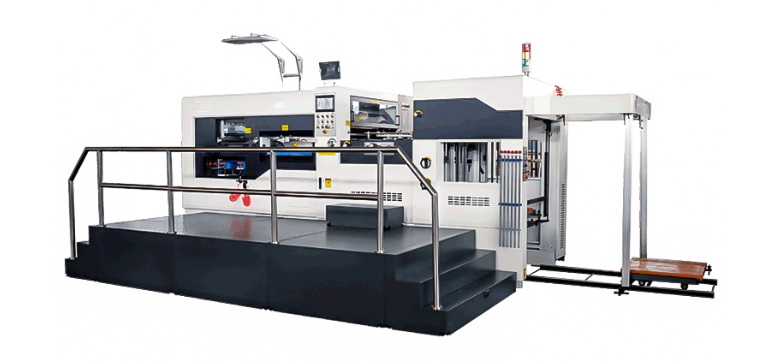
The Marbach Group is globally esteemed for its cutting technologies, precision tools, and die cutting machinery. Marbach provides both flat and rotary die-cutting solutions alongside consumables and automation offerings that meet the demands of demanding packaging sectors.
Noteworthy attributes of Marbach's machines include:
- Cutting-edge precision technology that ensures the highest quality output.
- Innovations supporting both flat and rotary die-cutting applications, optimizing versatility.
- Extensive after-sales service and consumables supply that improve operational reliability and life cycle costs.
Marbach excels in technologies that enable brands to produce packaging that stands out at the point of sale, due to both the craft of the die-cutting process and impeccable finishing.
Lasercomb GmbH specializes in laser-cutting technologies for flat and rotary dies. Their German engineering expertise focuses on precision, flexibility, and automation, making them a critical player for manufacturers in need of advanced die making solutions.
Lasercomb's strengths include:
- High precision laser cutting systems ideal for custom die manufacturing.
- Modern milling and routing machines that produce high-quality dies with intricate details.
- Automation technology designed to increase throughput and reduce manual labor.
By combining advanced machining techniques with strong software integration, Lasercomb supports customers aiming for consistency and high productivity in packaging and printing industries.
German manufacturers and suppliers have long been at the forefront of innovation in flat die cutting technology. Their machinery typically incorporates:
- Servo-driven control systems: Delivering superior motion accuracy and faster throughput while reducing energy consumption.
- Automated feeding and registration mechanisms: These greatly minimize setup times and material waste, increasing overall productivity.
- Quick-change die systems: Enabling operators to shift quickly between production jobs and reducing downtime.
- Integrated safety solutions: Protecting operators and maintaining compliance with international workplace safety standards.
- Digital Interface and Remote Diagnostics: Allowing support teams to monitor machine health and adjust settings remotely, significantly reducing service response times.
Many manufacturers partner with German technology leaders such as Rexroth-Bosch or utilize components from BST Web-Guiding, emphasizing the country's ongoing commitment to precision engineering and technology integration.
Environmental sustainability is another growing focus. German companies are developing machines with energy-efficient drives, recycling features for scrap materials, and eco-friendly manufacturing processes, aligning with global trends toward greener production.
Selecting the right supplier is essential to maximize return on investment and ensure smooth operation. When evaluating flat die cutting machine manufacturers and suppliers in Germany, consider the following criteria:
- Company Reputation and Industry Experience: Look for established brands with proven track records, successful case studies, and endorsements from industry peers.
- Machine Capabilities and Versatility: Confirm that the equipment matches your production needs, including material compatibility, run length, precision requirements, and scalability.
- Customization and OEM Services: Assess whether the supplier can tailor machinery to your specifications and offer OEM branding if needed.
- After-Sales Support and Training: Prioritize suppliers that provide comprehensive training, rapid technical support, easy access to spare parts, and remote assistance options.
- Compliance with Certifications: Ensure machines comply with international standards such as CE marking, ISO certifications, and safety regulations.
- Logistics and Delivery: For international customers, evaluate the supplier's ability to manage efficient shipping, customs, installation, and commissioning.
- Innovation and Future-Proofing: Select suppliers investing in latest technology trends, including Industry 4.0 capabilities, IoT integration, and automation solutions.
Investing time to research and liaise directly with manufacturers will pay dividends by reducing risks and ensuring a partnership that supports long-term growth.
Germany stands as a beacon of excellence in the field of flat die cutting machines, hosting some of the most reputable and innovative manufacturers and suppliers worldwide. Companies including BOBST, Heidelberg, Göpfert, Marbach, and Lasercomb lead the industry by producing precision-engineered machines that deliver efficient, reliable, and versatile packaging solutions suited for a wide range of materials and production volumes.
Choosing a supplier involves more than comparing prices; it requires a strategic consideration of machine capabilities, service reliability, technological innovation, and after-sales support. German suppliers excel in these facets, ensuring long-term value and enabling overseas and domestic clients to enhance their packaging operations and maintain competitive advantages in global markets.
By partnering with such companies, brands, wholesalers, and manufacturers can deliver packaging excellence with greater efficiency, sustainability, and operational confidence.
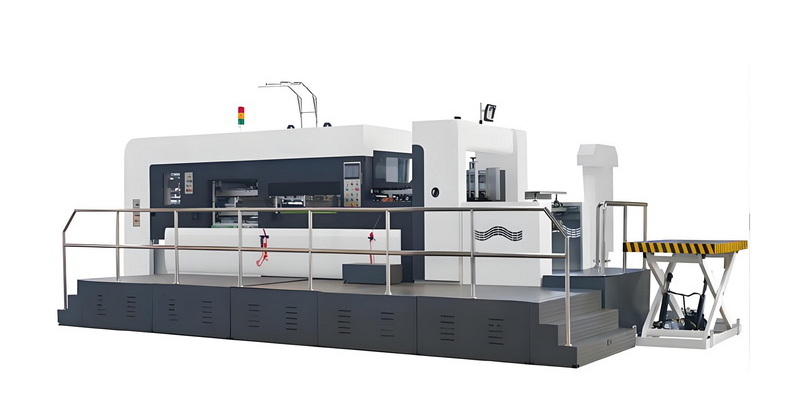
Flat die cutting machines use a stationary flat die to cut materials, offering exceptional precision, especially for thicker and more intricate designs. Rotary die cutting uses a cylindrical die that rotates continuously, suitable for high-speed, high-volume production runs but typically better for simpler shapes.
German manufacturers emphasize precision engineering, robust R&D, adoption of advanced materials, strict quality controls, and continuous innovation in automation and digitalization, which leads to reliable and high-performance die cutting machines.
Important factors include the supplier's experience, machine performance and flexibility, after-sales support and service infrastructure, OEM customization capabilities, certifications, and their commitment to innovation and environmental standards.
Most leading German manufacturers offer extensive customization and OEM services to meet unique client requirements, from branding and machine integration to electrical and software modifications suited for export markets.
After-sales service is vital for maintaining productivity and minimizing downtime. It includes technical support, remote diagnostics, spare parts availability, preventative maintenance, and operator training—all essential, especially for overseas buyers.


