
Views: 222 Author: Amanda Publish Time: 2025-08-03 Origin: Site


Content Menu
● Understanding Flat Die Cutting Machines
>> What Is a Flat Die Cutting Machine?
>> Benefits of Flat Die Cutting Machines
● Leading Flat Die Cutting Machine Manufacturers and Suppliers in America
>> Preco, LLC
● OEM Services and Customized Solutions
● Expanding Applications of Flat Die Cutting
● Selecting the Right Flat Die Cutting Machine Supplier
● The Increasing Role of Chinese OEMs
● Frequently Asked Questions (FAQ)
>> 1. What materials can flat die cutting machines process?
>> 2. What are the main advantages of flat die cutting over rotary die cutting?
>> 3. How should I choose the right flat die cutting machine manufacturer or supplier?
>> 4. What is the difference between manual and automatic flat die cutting machines?
>> 5. How can OEM services benefit overseas buyers?
Flat die cutting machines are indispensable in industries such as packaging, printing, and material converting. They offer precision, versatility, and efficiency for cutting diverse materials including cardboard, paper, plastics, and textiles. With the evolving production demands, manufacturers and suppliers in America continue to innovate to meet global customers' needs — providing advanced machinery and OEM services that enhance productivity and product quality.
In this detailed article, we examine the top flat die cutting machine manufacturers and suppliers in America and highlight their key features, strengths, and service offerings. We also discuss OEM solutions, technological trends, and essential factors to consider when selecting your flat die cutting equipment provider. This content is tailored to overseas brands, wholesalers, and producers searching for trusted partners in the competitive packaging machinery landscape.
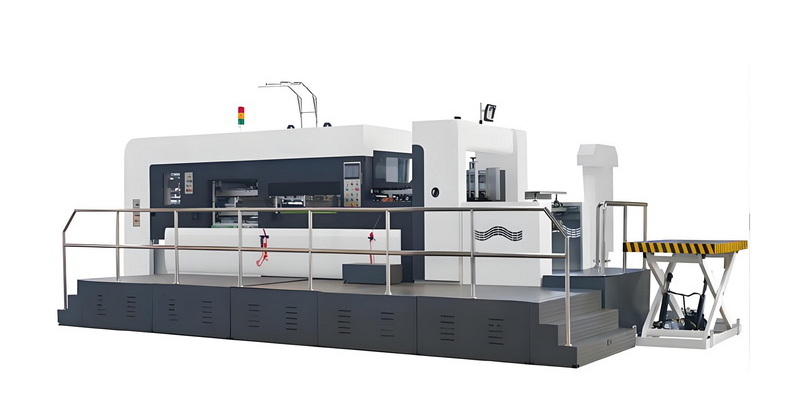
A flat die cutting machine employs a flatbed platform where the material rests, and a shaped die applies pressure to cut the material with precision. This process is especially effective for moderate to complex shapes and produces exceptionally clean edges with little material distortion. Flat die cutting is widely used for short-run to medium-run production, suitable for industries needing flexible design capabilities and high-quality output.
This machine's ability to cut perpendicular to material surfaces results in consistent and accurate shapes, making it preferred for packaging, labels, electronics, textiles, and signage production.
- Precision Cutting: Capable of intricate shapes with close tolerances.
- Lower Tooling Costs: Dies are easier and less expensive to produce than rotary tooling.
- Versatility in Materials: Supports substrates like paper, cardboard, foam, plastics, laminates, textiles, leather, and rubber.
- Automation: Modern machines incorporate feeding, cutting, and waste removal automation, reducing manual labor and improving throughput.
These benefits collectively improve efficiency, reduce waste, and enhance product quality for manufacturers and OEM customers.
With over half a century of industry experience, Preco, LLC is synonymous with innovation in flat die cutting technology. Their machines are engineered for speed, precision, and reliability, ideal for diverse materials and complex cutting tasks. Preco is noted for its comprehensive automation features and offers contract manufacturing alongside equipment sales, providing turnkey die cutting solutions.
Their machines often showcase multiple workstations and advanced control systems, supporting high-volume and high-mix production lines. Clients favor Preco for its ability to tailor solutions precisely to their manufacturing needs.
Freeman Schwabe has been a pioneer in die cutting presses since 1935. Their flat bed presses stand out for exceptional build strength and ease of use, with customization options to meet unique client requirements across various industries such as flooring, medical devices, and automotive components.
Their machines integrate advanced software to optimize cutting parameters and improve operator safety. Freeman Schwabe's commitment to durable designs ensures long service life and minimized downtime for clients.
JBC Technologies balances experience with customization, offering flatbed die-cutting equipment and services designed for highly specific applications. Over 30 years in the field have allowed JBC to refine systems that cater to sectors including automotive, electronics, and flexible packaging.
JBC works closely with customers to develop optimal processes and machinery setups, combining precision with cost-efficiency on production lines of all scales.
MCL Industries brings comprehensive die cutting solutions, combining rotary and flatbed technologies with additional services like laser cutting and ultrasonic welding. This broad capability allows customers to progress smoothly from prototype runs to full-scale manufacturing.
MCL's reputation in the U.S. market is built on flexibility, responsiveness, and a deep understanding of material behavior in high-speed die cutting operations.
Specializing in accuracy and efficiency, Best Cutting Die develops cutting dies and flat die cutting machines that meet stringent quality and volume needs. Their focus is on providing OEM brands and large production plants with reliable, high-performance equipment capable of handling a wide variety of materials.
Their machines are frequently chosen for their ease of integration into automated production lines and consistent output quality.
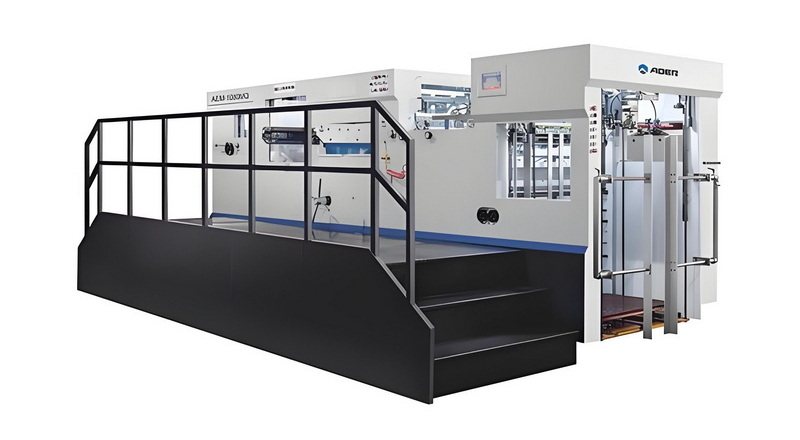
American manufacturers and suppliers understand the diverse needs of international customers and offer OEM services to create bespoke flat die cutting machinery. OEM partnerships enable clients to receive perfectly matched equipment tailored to material types, production volumes, and operational workflows.
1. Initial Consultation: Detailed discussions to understand the client's product requirements and production context.
2. Custom Engineering: Designing machines with specific tooling, size, automation levels, and safety features.
3. Prototype Production & Testing: Running trial cuts and adjustments to ensure the machine performs flawlessly.
4. Installation & Training: On-site setup, operator training, and integration support to guarantee smooth transition.
5. Ongoing Support & Maintenance: Providing technical assistance, spare parts, and upgrades to maintain optimal performance.
This comprehensive OEM approach ensures customers reach peak operational efficiency while minimizing risks and costs.
Beyond traditional packaging, flat die cutting machines have penetrated numerous specialized sectors:
- Medical Devices: Cutting intricate components like gaskets, seals, and flexible circuits with sterile precision.
- Automotive: Producing foam pads, seals, and interior trim components customized for vehicle assembly.
- Electronics: Manufacturing precise cutouts for protective films, insulation layers, and electronic components.
- Textiles & Apparel: Creating fabric patterns and leather pieces with minimal waste and high repeatability.
- Greeting Cards and Promotional Items: Crafting unique shapes with detailed edges, boosting product appeal.
This expansion is driven by ongoing technological upgrades, such as the integration of digital controls and automation systems, which enhance accuracy and throughput.
Choosing a manufacturer or supplier requires careful consideration of several factors to ensure long-term success:
- Customization & Product Range: Suppliers should offer machines that can be tailored to your unique material and volume needs.
- Industry Experience & Reputation: Established companies with positive customer references and proven track records are preferable.
- Technical Support: Robust after-sales service, including training, maintenance, and repair assistance, is essential.
- OEM Expertise: Look for suppliers skilled in delivering customized machinery and collaborating with international buyers.
- Logistical Capabilities: Efficient delivery, installation, and worldwide service matter greatly for global customers.
Cross-checking these aspects guarantees acquiring a machine that fits production goals while assuring reliability.
While America hosts top-tier flat die cutting machine suppliers, Chinese factories like Hebei Ouye Carton Machinery Co., LTD have emerged as significant global players, specializing in intelligent factory designs and comprehensive OEM services at competitive prices.
Chinese manufacturers couple smart automation with flexible design capabilities and rapid turnaround times, enabling overseas buyers to access quality machinery backed by extensive after-sales networks and R&D capabilities.
This trend fosters a complementary relationship, where international clients can benefit from American technological expertise alongside Chinese manufacturing efficiency.
The American flat die cutting machine market features exemplary manufacturers such as Preco, Freeman Schwabe, JBC Technologies, MCL Industries, and Best Cutting Die. Their strengths lie in robust machine design, advanced automation, and comprehensive OEM services, serving diverse industries from packaging to medical and automotive.
Global customers, including those seeking cost-efficient customized solutions, can confidently partner with these suppliers or integrate Chinese OEM offerings such as those from Hebei Ouye Carton Machinery Co., LTD. Choosing the right flat die cutting machine supplier not only ensures product quality and operational efficiency but also provides a strategic edge in the competitive packaging and manufacturing landscape worldwide.

Flat die cutting machines are capable of cutting materials such as paper, cardboard, foam, plastics, laminates, textiles, leather, rubber, and even some thin metallic sheets. This versatility makes them suitable for producing packaging boxes, labels, gaskets, medical components, and decorative items.
Flat die cutting offers lower upfront tooling costs, better ability to handle thicker and more delicate materials, superior edge quality, and greater flexibility for complex or irregular shapes. It is ideal for short to medium production runs and situations requiring quick die changes.
Evaluate manufacturers based on their technical expertise, customization abilities, quality of customer support, experience with international clients, and feedback from their existing customer base. A good supplier will provide tailored OEM solutions and ensure smooth after-sales service.
Manual machines require an operator to feed material and operate the die cutter, resulting in lower throughput and higher labor intensity. Automatic machines utilize motors and conveyors for automatic feeding, cutting, and waste removal, significantly boosting production speed and consistency.
OEM services allow overseas manufacturers and brands to obtain flat die cutting machines customized to their precise needs, such as unique machine sizes, features, safety standards, and control systems. This customization enhances production efficiency, product quality, and compatibility with local regulations.


