
Views: 222 Author: Amanda Publish Time: 2025-10-14 Origin: Site


Content Menu
● Overview of Cardboard Laminating Machines
● Leading Manufacturers in Europe
>> BOBST
>> Other Notable European Suppliers
● Technological Innovations in European Laminators
● Industry Trends and Buyer Considerations
● Application Areas and Benefits of Cardboard Laminating Machines
● Maintenance and Operational Best Practices
● FAQ
>> 1. What features distinguish top cardboard laminating machines in Europe?
>> 2. Which companies lead the cardboard laminating machine market in Europe?
>> 3. Are European laminators designed with sustainability in mind?
>> 4. What lamination speeds are typical for European cardboard laminators?
>> 5. How important is after-sales support in choosing a laminator?
The European market for cardboard laminating machines is witnessing robust growth, fueled by increasing demand for durable, high-quality packaging solutions. Cardboard laminating machine manufacturers and suppliers in Europe are renowned for their innovation, precision, and efficiency, delivering top-tier equipment that supports a wide range of industries such as packaging, printing, and manufacturing. This article provides an extensive overview of leading European manufacturers and suppliers, their key features, cutting-edge technologies, and the latest market trends in cardboard laminating machinery.

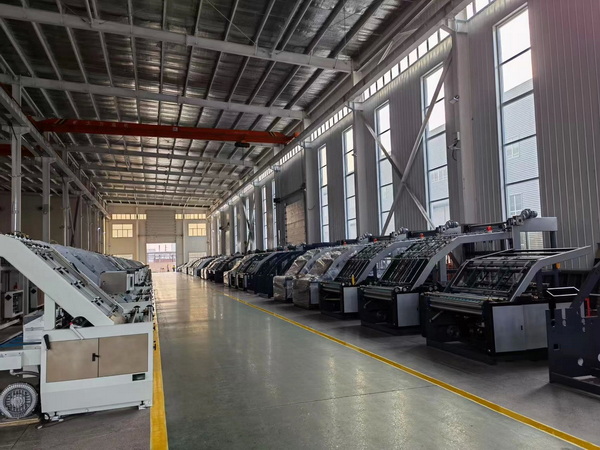
Cardboard laminating machines play a crucial role in improving the strength, durability, and visual appeal of cardboard used in packaging and displays. The lamination process typically involves applying protective films or adhesives to cardboard sheets, enhancing water resistance, stiffness, and overall appearance. European manufacturers emphasize precision and versatility, producing machines capable of handling cardboard sheets of diverse thicknesses and sizes. Modern laminators are equipped with features such as dynamic calibration systems, electric pressing adjustments, and advanced PLC computer controls, ensuring operational efficiency and high-quality output.
Lamina System AB is a prestigious supplier of sheet-to-sheet laminating and gluing machines. With decades of industry expertise, Lamina specializes in compact and operator-friendly laminators designed for the printing, corrugated, and folding carton sectors. Their semi-automatic and fully automatic laminators are engineered to meet varying production demands, offering reliable performance and precise control. Lamina's innovations facilitate high-quality lamination suited to the graphic arts and packaging industries.
BOBST stands out as a global leader known for its advanced laminating solutions. BOBST machines are characterized by high-speed lamination capabilities and multi-layer lamination options, making them ideal for large-scale packaging manufacturing. Their equipment is synonymous with durability, efficiency, and cutting-edge technology. BOBST continuously advances its offerings by integrating sustainable processes that lessen environmental impact while enhancing production efficiency.
Richter Menzel is recognized for manufacturing robust roll laminators, including models like the RM SKY 1200 which supports wide-format lamination up to 1200 mm. Their laminators cater to industrial applications requiring high accuracy and heavy-duty performance. These machines are favored for their ability to protect printed materials and packaging with consistent lamination quality.
Besides the major players, several European manufacturers specialize in laminating machines designed for specific industrial needs. Many of these suppliers focus on eco-friendly technologies and energy efficiency, employing features such as instant electromagnetic heaters, digital controls, and recyclable adhesives. These innovations highlight the sector's commitment to sustainability and operational cost reduction.
European cardboard laminating machine manufacturers prioritize incorporating advanced technologies to enhance machine performance and user experience:
- Dynamic Calibration and Synchronization Systems: These systems ensure precise alignment of cardboard sheets during lamination, diminishing material waste and elevating output quality.
- PLC Computer Controls: Automated detection of machine operational status and maintenance requirements helps optimize performance and minimize downtime.
- Energy-Efficient Heating Technologies: Electromagnetic and other advanced heating systems allow faster warm-up times and reduce energy consumption.
- Multi-Thickness Processing: Machines accommodate a broad range of cardboard thicknesses, offering production flexibility.
- Sustainability-Focused Design: The use of recyclable films, biodegradable adhesives, and energy-efficient components supports environmental responsibility.

The demand for cardboard laminating machines in Europe is projected to continue growing steadily, with an annual increase averaging over 4.5%. This growth is primarily driven by the booming packaging and e-commerce sectors. Modern buyers evaluate laminators based on criteria such as lamination speed, precision, energy efficiency, and ease of operation.
Budget-conscious small-to-medium businesses often choose basic yet reliable models suitable for low to moderate production volumes. In contrast, large enterprises invest in high-speed and fully automatic laminators that feature auto-calibration and multifunctional capabilities.
Additional important factors for buyers include warranty terms, availability of spare parts, and the quality of after-sales technical support. Producers offering robust customer service gain favor as customers seek long-term operational continuity and minimized downtime.
Cardboard laminators find widespread application across multiple industries for packaging enhancement and protection, including:
- Food and Beverage Packaging: To ensure moisture resistance and product safety.
- Consumer Electronics Packaging: Offering enhanced durability and tamper resistance.
- Retail and Display Packaging: Improving aesthetic appeal and brand presentation.
- Industrial and Bulk Packaging: Providing reinforcement to withstand rough handling during transport.
The benefits of using lamination machines encompass improved cardboard strength, extended shelf life of products, moisture and abrasion resistance, and enhanced visual qualities like gloss or matte finishes.
Proper maintenance and operation of cardboard laminating machines are paramount to maintaining consistent performance and prolonging machine service life. Recommended practices include:
- Regular cleaning of rollers to prevent adhesive buildup.
- Periodic calibration checks to maintain lamination accuracy.
- Timely replacement of consumables such as glue and films.
- Routine inspections and software updates for machines equipped with PLC controls.
- Training operators on machine functionality and safety protocols for optimal results.
Europe hosts some of the world's most advanced and reliable cardboard laminating machine manufacturers and suppliers. Innovations in automation, precision engineering, and sustainability mark European laminators as leaders in the global packaging equipment market. Selecting the right laminating machine depends on factors including production volume, technical requirements, and after-sales support availability. With the growing emphasis on eco-friendly packaging solutions, European manufacturers are positioned to continue setting high standards in cardboard lamination technology, catering to diverse industry needs efficiently and sustainably.
Top machines feature dynamic calibration, PLC controls, adjustable pressing settings, multi-thickness handling, and energy-efficient heating technologies ensuring precision and productivity.
Leading companies include Lamina System AB, BOBST, and Richter Menzel, known for their advanced technology and strong customer support.
Yes, many incorporate recyclable films, biodegradable adhesives, and energy-saving components to minimize environmental impact.
Speeds range from 20 to 35 meters per minute, varying by model and production needs, with high-end models offering faster throughput.
After-sales service is crucial for maintaining machine reliability, providing technical support, and ensuring smooth operations over the machine's lifespan.


